





Edwardian Perpetual Calendar
An edwardian perpetual calendar is a functional desk accessory designed to track dates year after year, combining practical utility with period craftsmanship.
Edwardian Perpetual Calendar
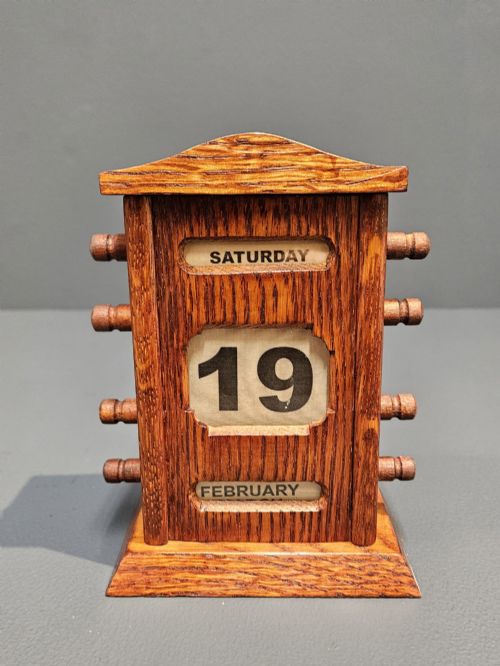
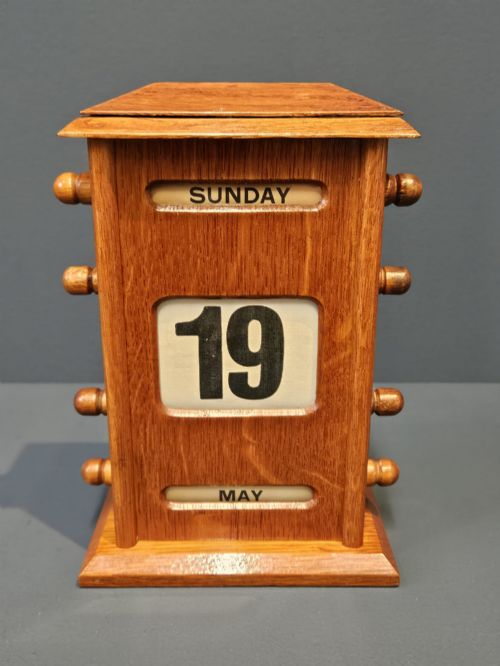
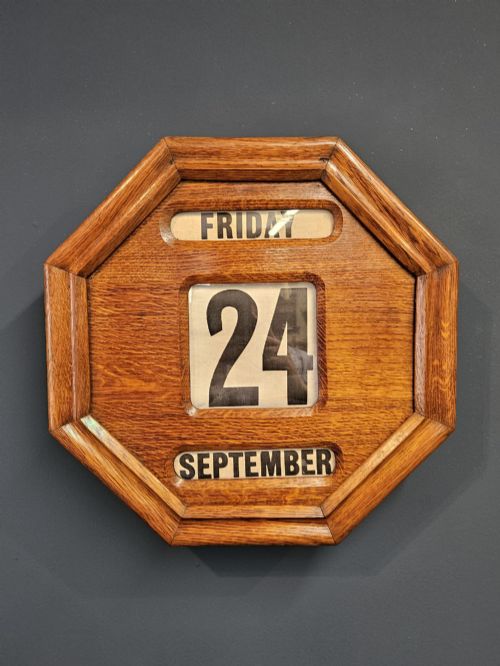
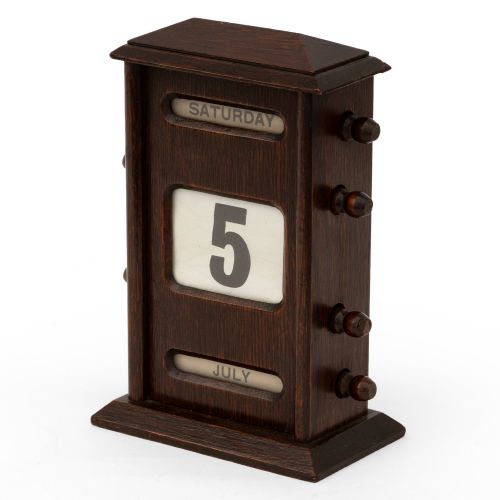
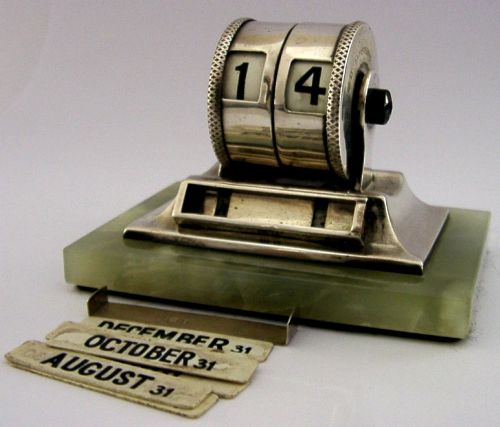
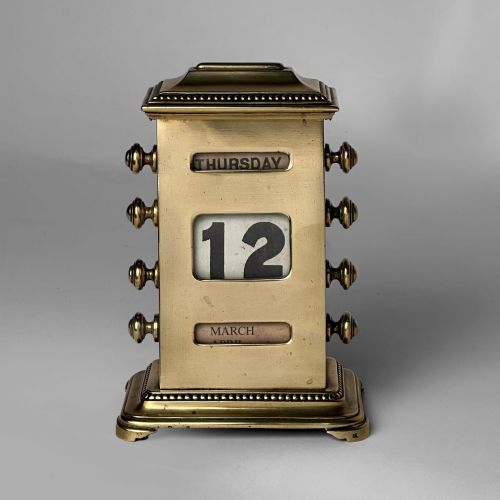
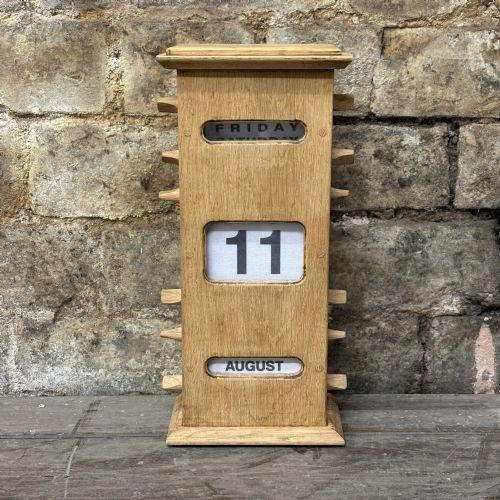
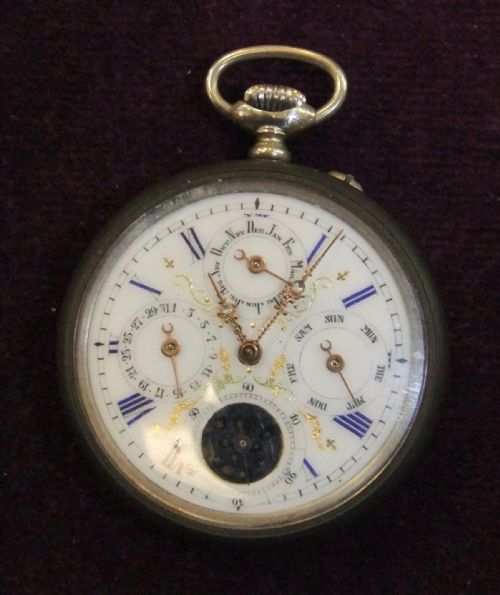
The edwardian perpetual calendar typically takes the form of a sturdy desk accessory designed to display changing days and months through sliding indicators or rotating drums. These pieces originate predominantly from the Edwardian era, alongside related examples spanning the nineteenth century through to the nineteen thirties. Buyers encounter desk calendars most frequently, though wall calendars, stationery cabinets, and pocket watches also appear.
Oak and mahogany form the structural core for the majority of these date indicators, often rendered in golden, figured, or dark varieties. Alongside wood, makers utilised brass, sterling silver, glass, paper, and enamel to construct the mechanisms and faceplates. More elaborate designs incorporate onyx, slate, and boulle work to elevate the visual presence of the desktop.
Stylistic influences range from straightforward Victorian utilitarianism to the geometric lines of Art Deco and occasional thematic touches such as Egyptian Revival. A buyer navigating this selection discovers straightforward timber frames alongside silver-mounted desk pieces and combined stationery holders. Each version reflects the working practices and interior tastes of its respective decade.
Materials and Construction
Timber construction relies heavily on oak and mahogany, shaped into solid frames, sloping fronts, or fitted stationery cabinets. Joinery methods of the period ensure stability for housing the internal rotating mechanisms or sliding paper cards that drive the calendar function. Polished finishes highlight the natural grain of the wood, whether in light golden oak or rich dark tones.
Metalwork forms the mechanical heart of these pieces, utilising cast brass for structural mounts, date frames, and decorative plaques. Sterling silver mounts and enamel detailing appear on finer examples intended for prominent display in studies and offices. Skilled artisans integrated these metal components directly into the wooden bodies to allow smooth manual adjustment of the date.
Edwardian Perpetual Calendar Retail Price Guide 2026
Typical asking prices for edwardian perpetual calendar among the pieces listed under this phrase on Sellingantiques today, from the lower quarter to the upper quarter. They describe what is for sale here now, not the wider market.
Even the busiest desk needs a calendar that requires a human hand to nudge the date forward every single morning.
Distinctions in Execution
The quality of an edwardian perpetual calendar rests on the precision of its mechanical operation and the grade of its materials. Examples featuring solid figured oak, substantial cast brass, or sterling silver demonstrate superior workshop standards compared to simpler utilitarian variants. Engraved lettering and crisp enamel numerals maintain legibility and finish over decades of daily handling.
Execution of secondary elements, such as integrated stationery compartments, slate bases, or specialised decorative motifs like Egyptian Revival stylings, separates standard office items from luxury desk accessories. The inclusion of signed mechanisms or maker attribution adds notable provenance to the physical construction of the piece.
William Tonks of Birmingham·Asprey London
The Edwardian Perpetual Calendar Glossary
- Perpetual Calendar
- A mechanical date indicator designed to be adjusted manually each month and year without needing replacement. These devices use cards, paper strips, or rotating drums to cycle through days and dates.
- Boulle
- A form of marquetry employing tortoiseshell and brass inlay developed in France. It appears on luxury desk pieces to create intricate patterns across the surface.
- Stationery Cabinet
- A desk accessory featuring compartments and slots for holding paper and envelopes. Many incorporate calendar mechanisms directly into the sloping front or doors.
- Onyx
- A banded variety of chalcedon often used as a heavy stone base for desk calendars. It provides stability and a contrasting polished surface to metal mounts.
Edwardian Perpetual Calendar: Frequently Asked Questions
How do perpetual calendars work?
These devices rely on manual adjustment using rotating drums, sliding cards, or paper strips to display the correct day, date, and month. Users shift the mechanical components daily to advance the calendar.
Because the mechanism repeats the cycle of days and months rather than tracking leap years automatically, simple physical manipulation maintains accuracy indefinitely.
Where were these placed?
Most examples were designed for domestic desks, study tables, or commercial office counters where daily correspondence took place. Their primary function was to keep the date visible during administrative tasks.
Some variations were manufactured as wall calendars or pocket watches for portability, allowing users to track the date away from the fixed desk.
How do I maintain the mechanism?
Gentle handling of the sliding cards, paper rollers, or brass drums prevents wear on the internal tracks. Keeping the wooden or metal exterior clean preserves the original finish.
Avoid applying harsh chemical polishes to enamel, paper, or brass components, as traditional materials require careful preservation to remain legible.
Are all models made of oak?
While oak is the most frequent timber seen in these pieces, mahogany and walnut also appear regularly. Other materials include brass, sterling silver, glass, and slate.
Desk accessories range from simple wooden blocks to elaborate items combined with onyx bases or stationery cabinets.