


Victorian Brass Finial
These items of victorian brass finial range from bedstead details to pole heads, offering period weight and metalwork.
Victorian Brass Finial
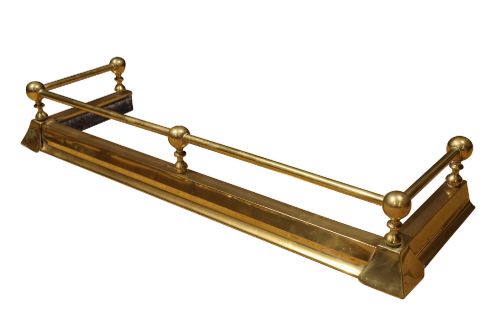
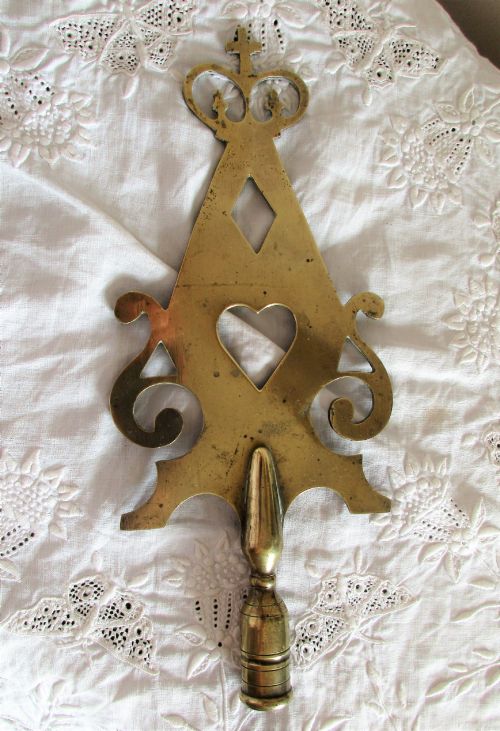
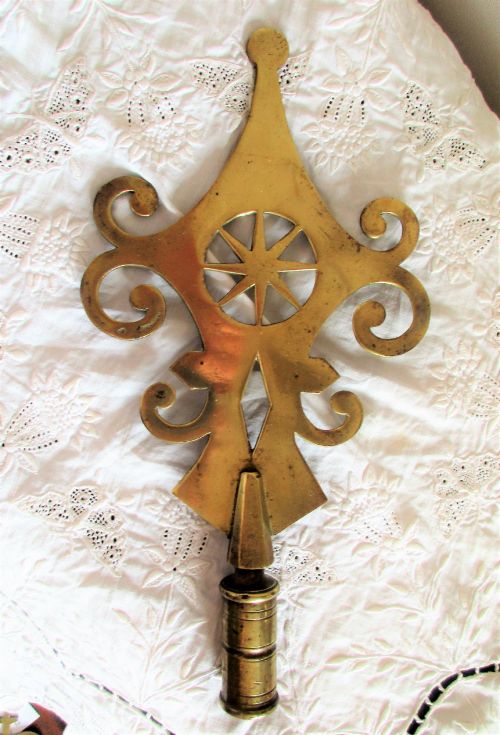
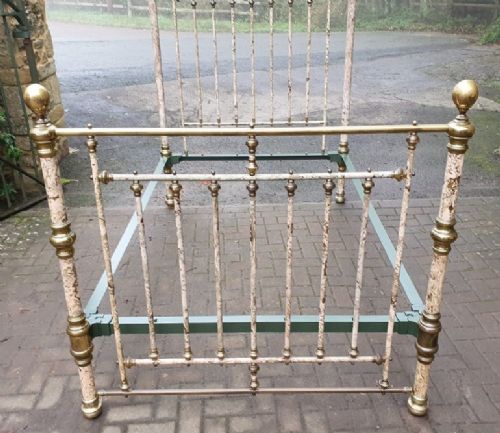
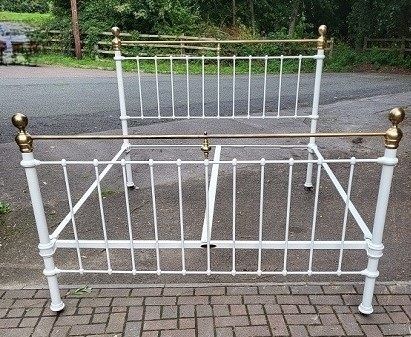
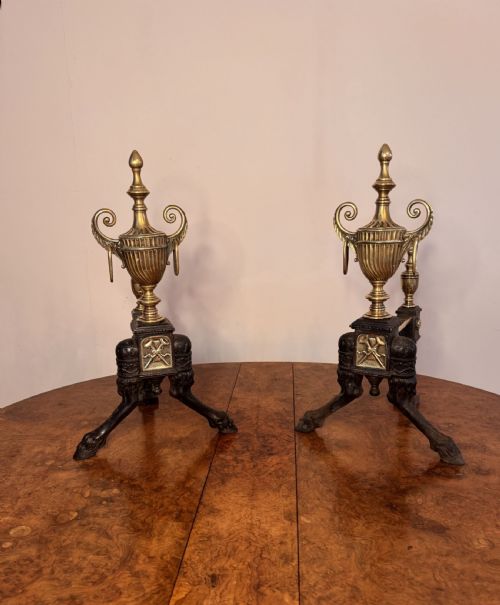
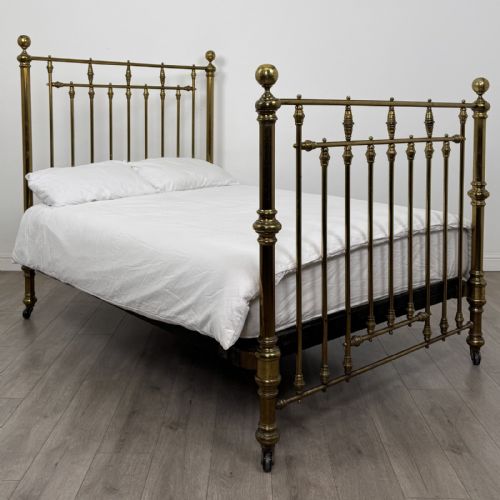
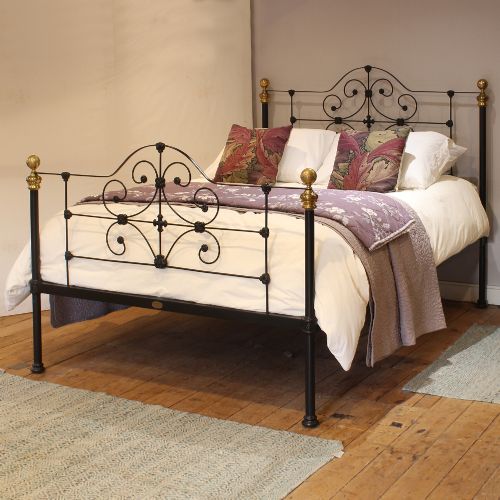
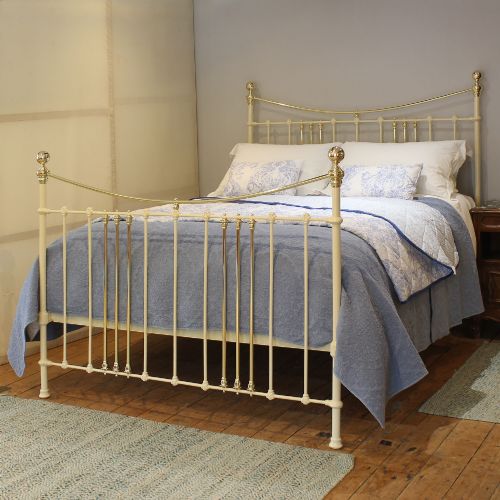
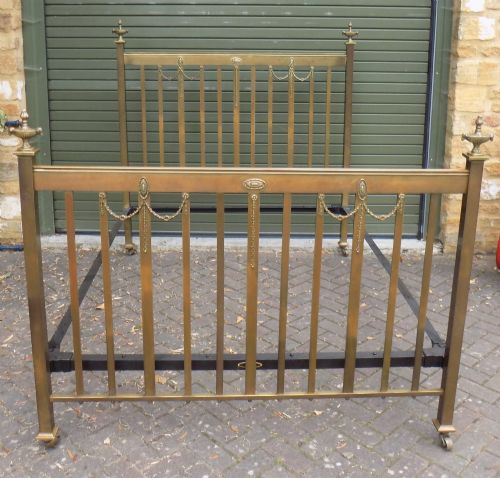
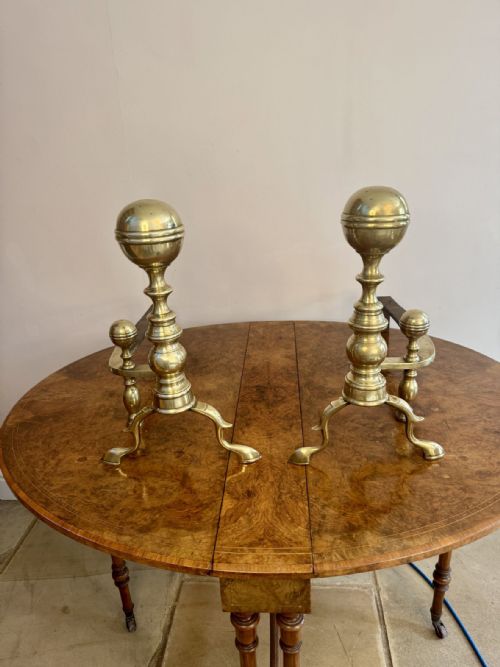
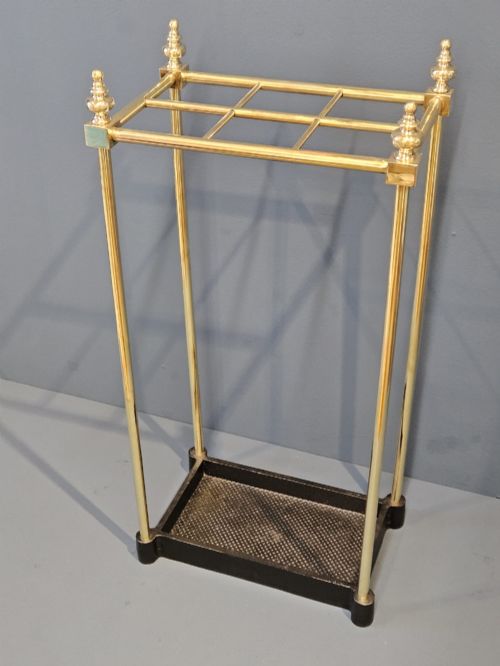
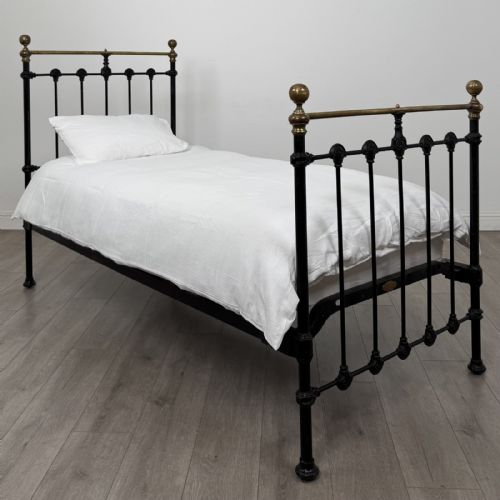
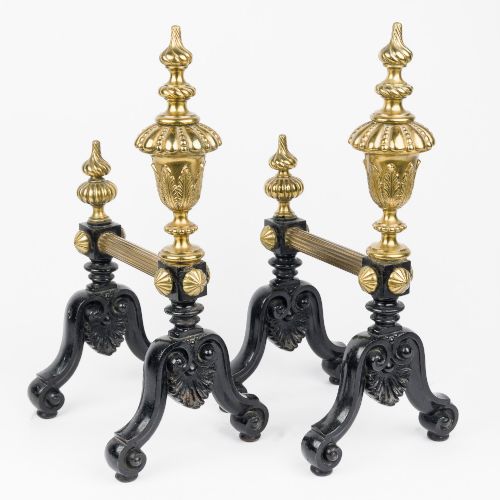
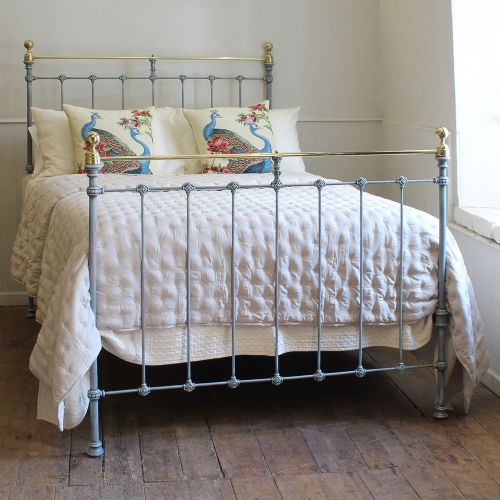
When you search for a victorian brass finial, you encounter metal elements that topped furniture, fire furniture, and ceremonial poles during the nineteenth century. These objects appear on iron and brass bedsteads, heavy andirons, umbrella stands, and Friendly Society pole heads dating from the 1850s to 1900.
You meet these pieces most frequently attached to Victorian and Edwardian brass and iron bed frames, or mounted on cast iron fire dogs and andirons. The selection also includes decorative ball forms on umbrella stands and polished terminals on bracket and longcase clocks.
The materials span solid and hollow cast brass, often paired with cast iron, wrought iron, mahogany, and walnut. Styles range from plain neoclassical ball shapes to ornate Gothic Revival and Folk Art designs originating across England and Scotland.
Materials and Technique
The pieces rely on foundry techniques of the nineteenth century, utilising sand casting for brass components and shaping iron through casting or forging. Makers joined brass elements to iron frames using threaded rods, pins, or fitted sockets.
Surfaces received varying finishes, from bright polished brass to patinated metal showing verdigris and age. Iron bases on companion pieces like fire dogs and stick stands added necessary weight and stability through heavy cast structures.
Victorian Brass Finial Retail Price Guide 2026
Typical asking prices for victorian brass finial among the pieces listed under this phrase on Sellingantiques today, from the lower quarter to the upper quarter. They describe what is for sale here now, not the wider market.
Listings feature 19th-century periods including Victorian, Edwardian, and Regency styles, alongside materials such as brass, cast iron, wrought iron, and mahogany.
Assessing Quality
Quality rests in the crispness of the casting detail and the thickness of the metal used in the component. Heavy, substantial brass castings with clean edges and secure threading distinguish superior items from lighter, utilitarian productions.
The integrity of the original joins and the survival of unpolished surfaces influence the character of each piece. Maker attribution, visible in specialised items like Winfield frames or signed pole heads, marks the upper tier of the range.
Winfield·Webster Cornhill London·Tait Peebles·Lenzkirch
The Victorian Brass Finial Glossary
- Finial
- A decorative terminal ornament that caps the top or end of a post, bedstead, or architectural feature. These pieces often take ball, urn, or tapered forms.
- Andiron
- A horizontal metal support used in pairs inside a fireplace to hold logs above the hearth. They frequently incorporate decorative brass finials on their upright fronts.
- Friendly Society Pole Head
- A ceremonial brass emblem mounted on a wooden pole and carried in village processions. These items display distinct local Victorian designs.
- Bedstead
- A framework of a bed, combining metal tubes, slats, and decorative terminals. Nineteenth-century examples frequently pair iron structures with brass finials.
Victorian Brass Finial: Frequently Asked Questions
What is a brass finial used for?
These metal terminals secure and ornament the uppermost points of bed posts, fire furniture, and poles. They provide a finished architectural accent to functional nineteenth-century objects.
In domestic settings, they punctuate the vertical lines of iron bed frames and draw the eye to hearth accessories.
How do I date a Victorian brass piece?
Dating relies on manufacturing techniques, material combinations, and stylistic markers recorded in the piece. Victorian metalwork often transitions from heavy neoclassical forms to ornate Gothic Revival patterns across the decades.
Examining the construction methods and joining techniques helps place the item within the nineteenth-century timeline.
Are these finials solid brass?
Nineteenth-century metalwork utilises both solid cast brass and hollow construction depending on the intended application and weight requirements. Heavier items like fire dogs use substantial cast components.
Lighter elements on bedframes may combine cast brass terminals with iron structural supports.
How do I care for antique brass?
Preserving these surfaces involves gentle dusting and avoiding harsh chemical polishes that strip historical patina. Many collectors prefer to maintain the natural oxidation accumulated over the decades.
Microcrystalline wax can protect exposed metal from further tarnishing without altering the existing finish.