



Folk Art Brass
Folk art brass pieces combine utilitarian everyday utility with vernacular creativity, offering collectors tangible links to past communal and domestic traditions.
Folk Art Brass
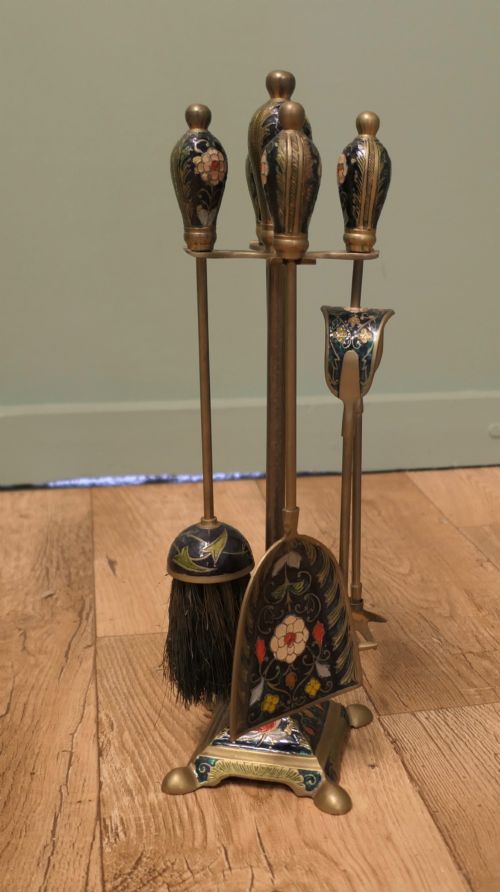
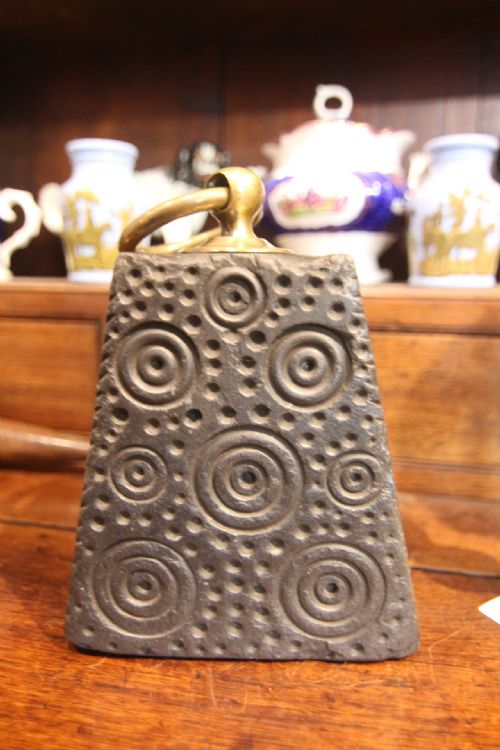
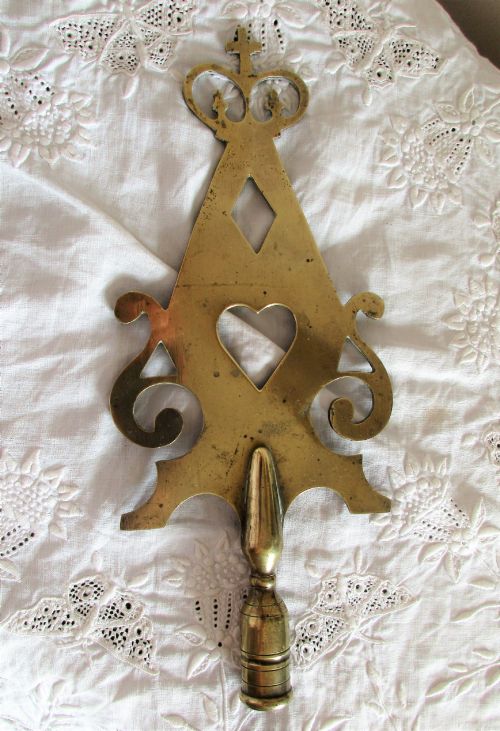
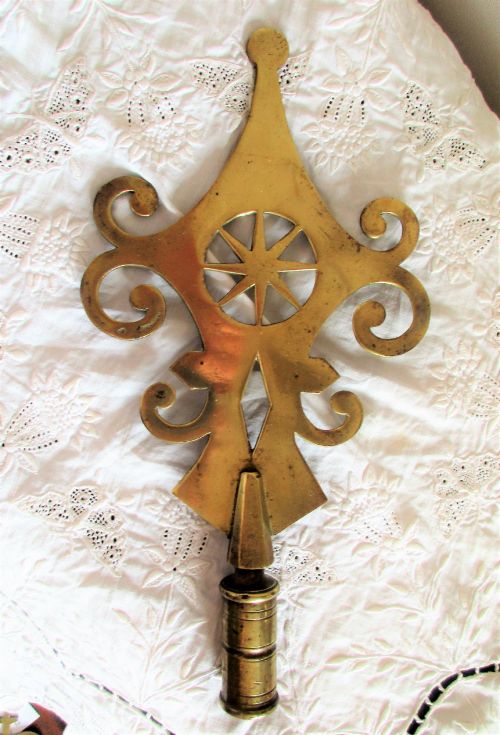
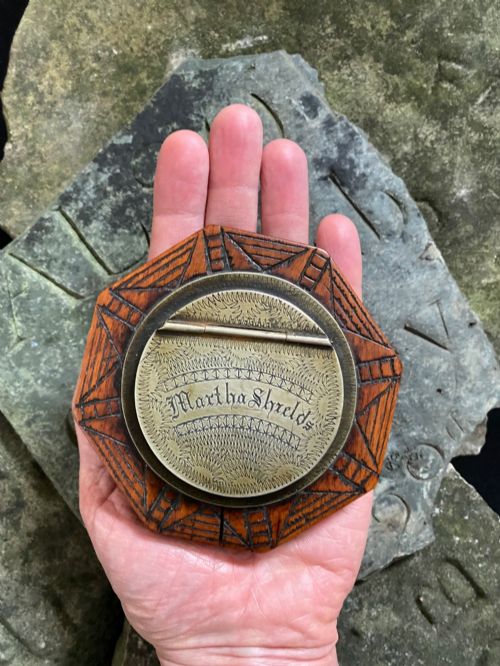
Folk art brass encompasses domestic and ceremonial objects produced across the eighteenth and nineteenth centuries, including Friendly Society pole heads, snuff boxes, oil lamps, and milk churns. These items merge functional metalwork with vernacular design traditions originating from England, Scandinavia, France, and the Netherlands.
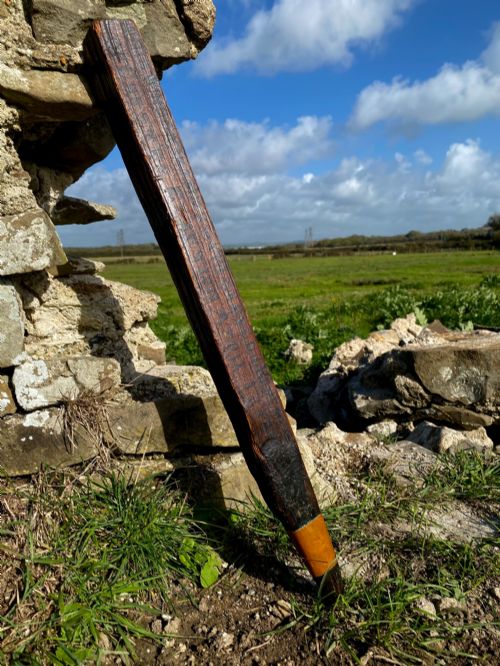
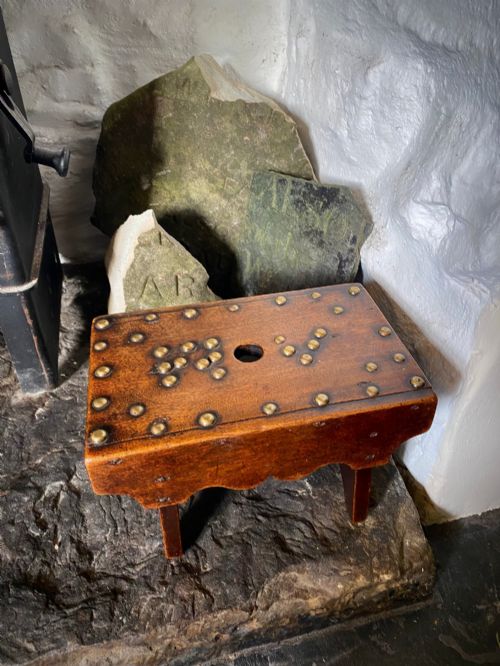
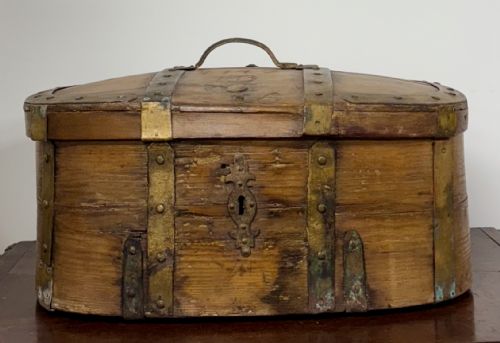
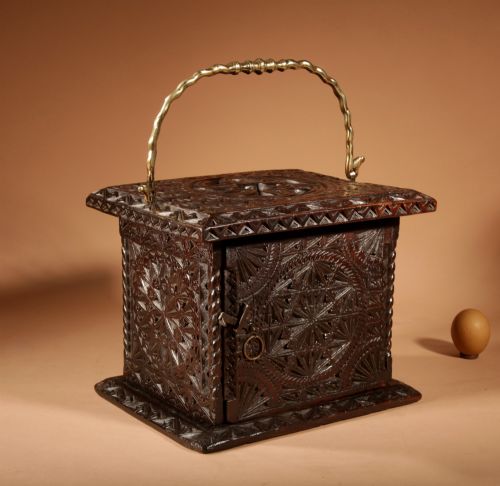
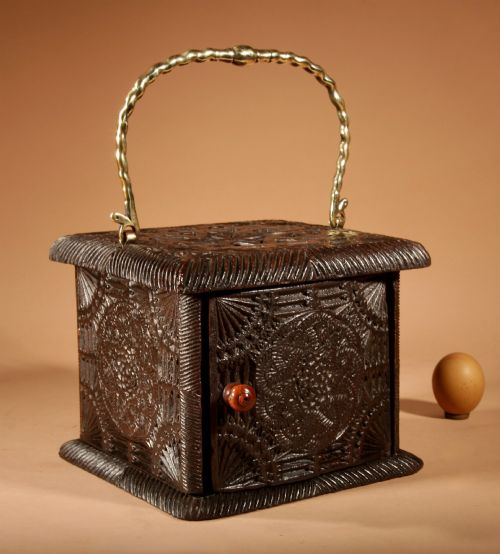
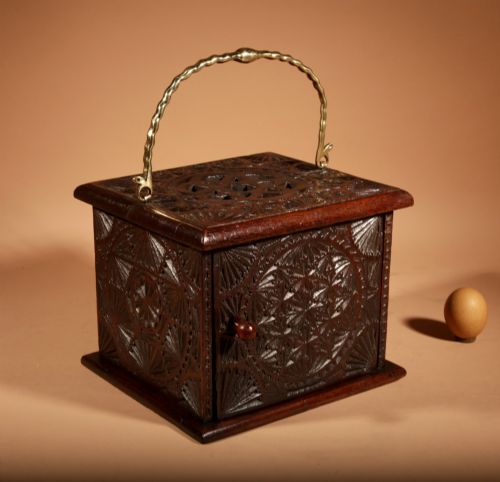
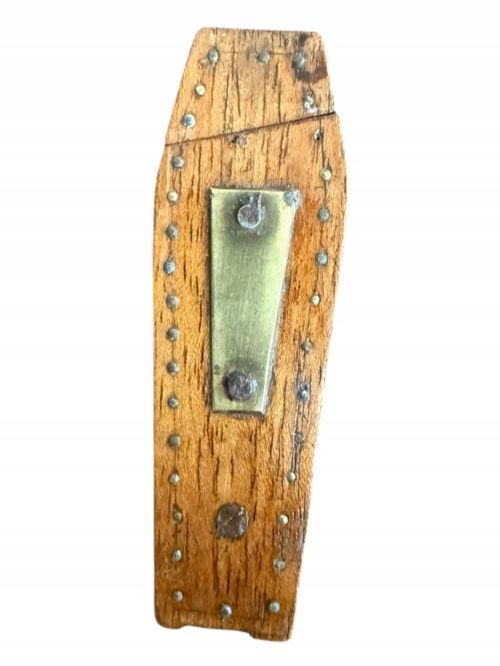
Buyers will encounter objects that bridge everyday utility and personal expression, such as chip-carved foot stoves mounted with brass, inscribed snuff coffins, and pole heads carried in local processions. The materials regularly pair brass with wood, oak, pine, iron, and paint.
The selection reflects regional European styles spanning Victorian, Frisian, and Scandinavian folk traditions. Each piece demonstrates how makers adapted industrial metals to local community customs and domestic needs.
Evaluating quality and character
Quality in folk art brass rests on the clarity of hand-working, the crispness of cast details, and the integrity of the union between metal and wood. Superior examples display confident engraving, well-preserved patination, and purposeful construction without unnecessary over-restoration.
Pieces that retain clear provenance, specific naming inscriptions, or original painted and patinated surfaces command greater interest. The skill lies in the maker's ability to imbue everyday domestic equipment with distinct sculptural character.
Folk Art Brass Retail Price Guide 2026
Typical asking prices for folk art brass among the pieces listed under this phrase on Sellingantiques today, from the lower quarter to the upper quarter. They describe what is for sale here now, not the wider market.
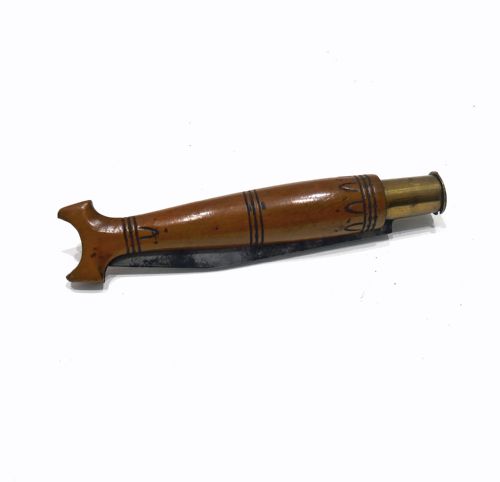
A nineteenth-century fruitwood penknife carved precisely in the form of a fish offers a witty pocket-sized surprise.
The Folk Art Brass Glossary
- Friendly Society Brass
- A pole head carried during annual club walks and processions by mutual aid societies in rural England. These cast brass emblems often recorded specific villages and local allegiances.
- Pique Work
- A method of ornamentation where tiny pins or wire points are driven into a wooden or tortoiseshell base to form geometric patterns, foliage, or floral motifs. It is frequently seen on snuff boxes and small containers.
- Lucerna Lamp
- An adjustable Italian oil lamp, commonly cast in brass or bronze, designed to burn clean oil while allowing the light source to be angled or suspended.
- Foot Stove
- A small wooden container, often oak with chip carving, enclosing a perforated metal pan designed to hold hot embers for warming feet in cold domestic or religious spaces.
- Chip Carving
- A method of removing small chips of wood from a flat surface with a knife or chisel to create geometric or repeating patterns. It appears frequently on Scandinavian and Frisian domestic pieces.
Folk Art Brass: Frequently Asked Questions
What is a friendly society brass?
Friendly society brasses were cast metal emblems mounted on wooden poles and carried by members during local club walks and parades in nineteenth-century England. They served as symbols of community solidarity and mutual aid.
These pieces typically featured engraved names of towns, villages, or specific lodges alongside symbolic motifs. Collectors prize them for their sculptural forms and direct connection to regional social history.
How were foot stoves used?
Foot stoves were small wooden boxes filled with hot coals or embers and placed beneath petticoats or heavy garments to keep individuals warm during long periods sitting in unheated churches or homes. The pierced lids allowed heat to escape safely.
Constructed from hardwoods like oak and fitted with metal liners, they often featured intricate chip carving and brass details. They represent a practical solution to historical domestic comfort.
How do I care for antique brass?
Antique brass requires minimal intervention to preserve its historical surface and accumulation of age-related patination. Avoid aggressive commercial polishes that strip away the dark oxidation valued by collectors.
Dusting with a dry, soft cloth is generally sufficient for maintenance. Keeping pieces away from excessive moisture protects any accompanying wood or painted elements.
How are regional styles told apart?
Regional styles are identified by the combination of materials, construction joints, and decorative motifs characteristic of particular geographic areas. For instance, Frisian pieces frequently display specific chip-carved oak arrangements, while English pieces often feature stamped or cast brass elements associated with local trades and societies.
Examining the underlying timbers, such as Baltic pine in Scandinavian boxes or native hardwoods in British pieces, provides further clues to origin. Comparing the decorative vocabulary helps locate an object within its specific European vernacular tradition.