

Victorian Candle Stands
Victorian candle stands are sturdy brass, silver plated, and mahogany pieces that bring period character to a room.
Victorian Candle Stands
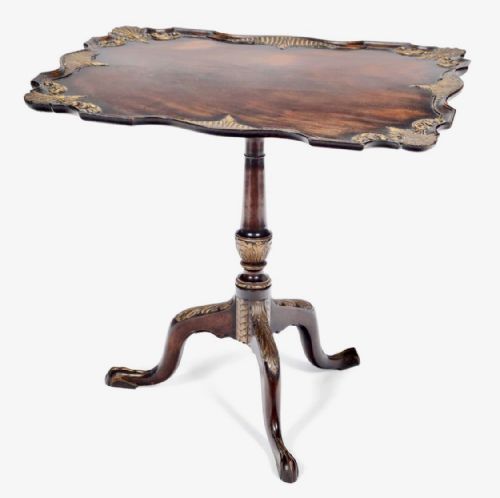
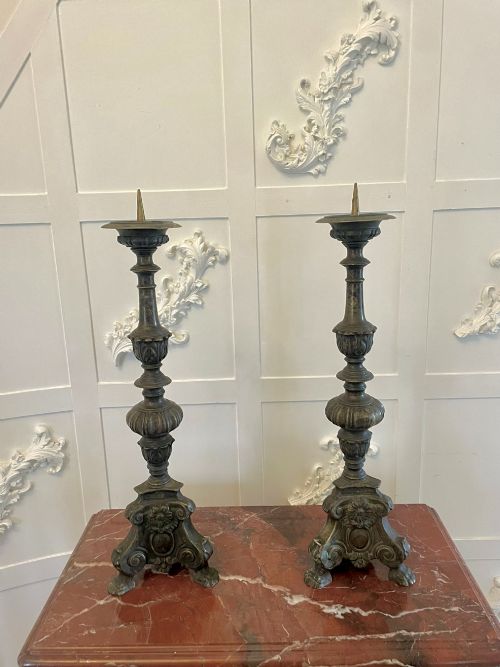
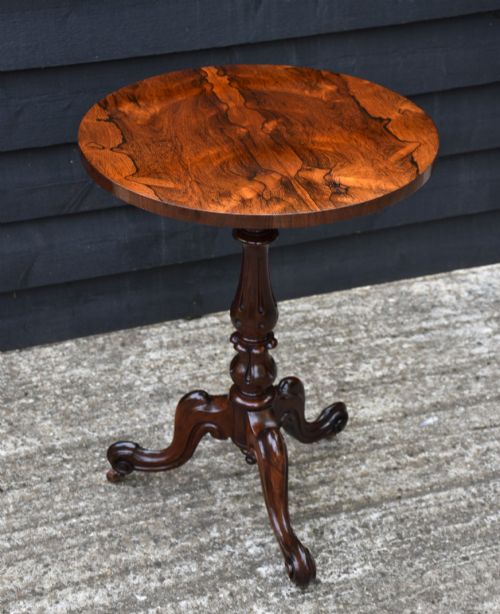
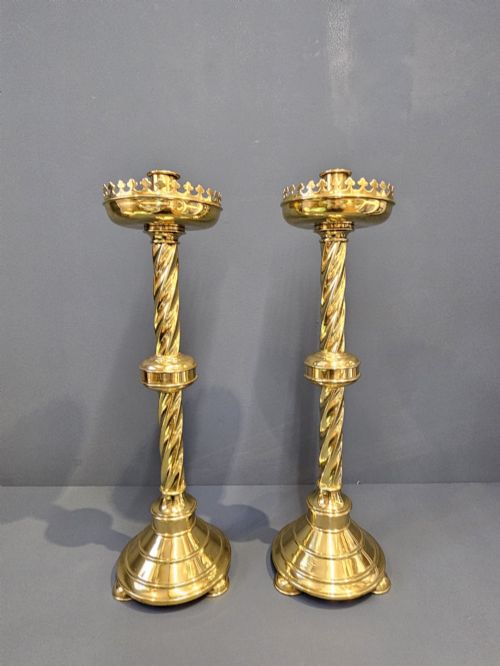
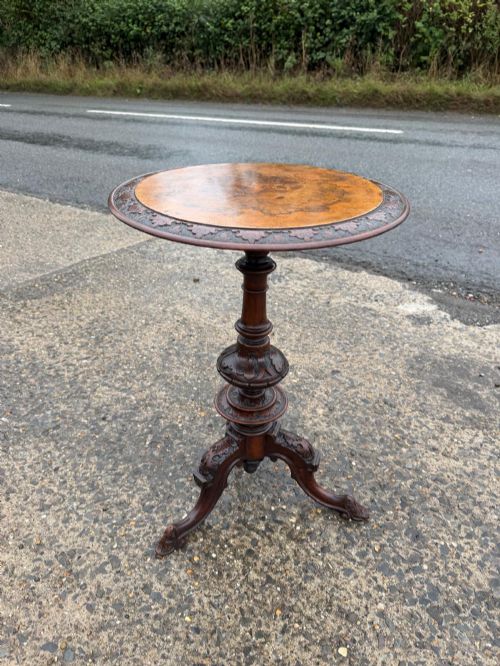
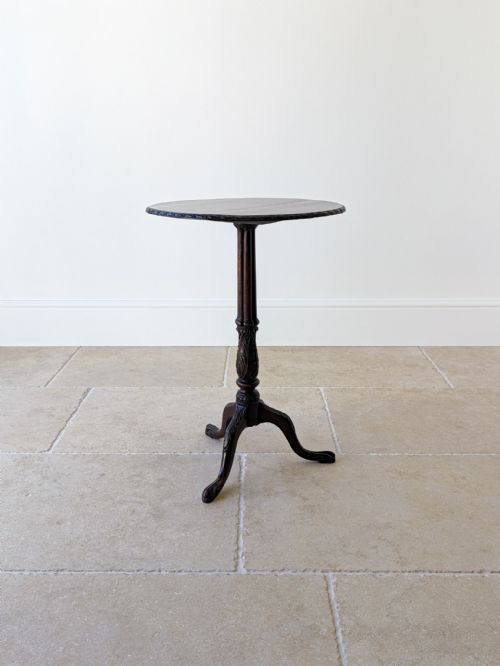
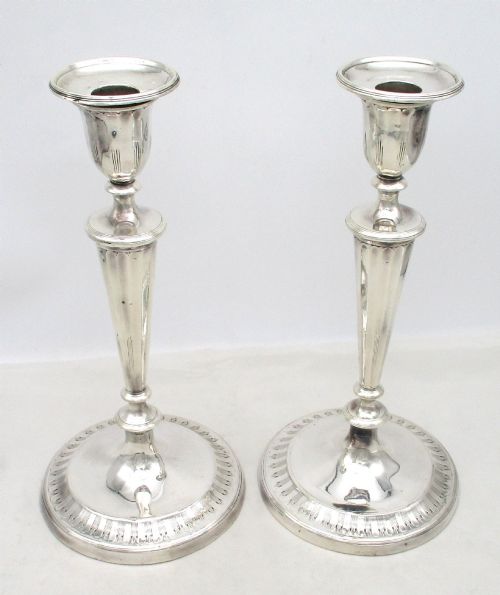
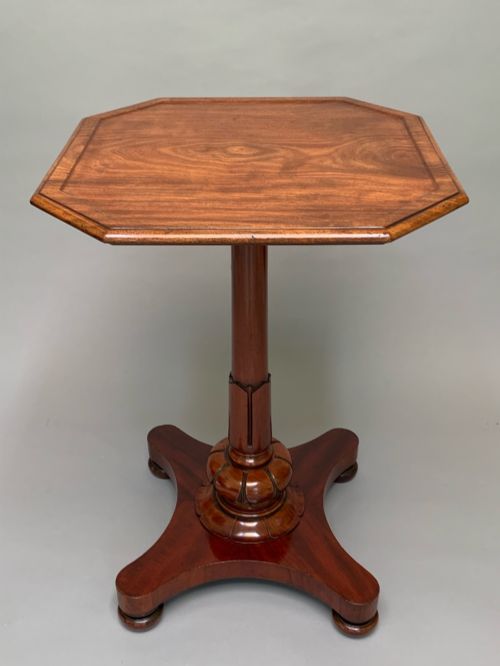
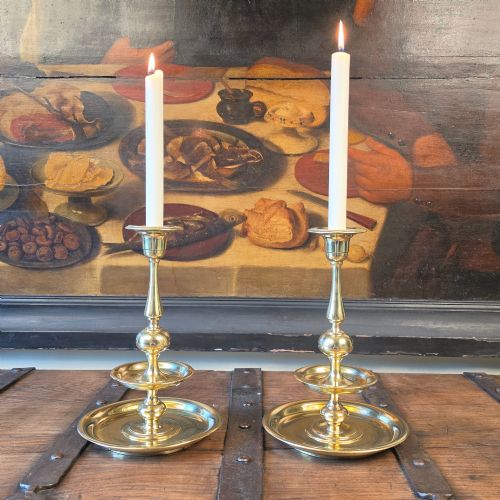
Victorian candle stands encompass various forms including pairs of candlesticks, altar pricket stands, wall sconces, and taller torchere plant stands. These items originate from the nineteenth century, including specific dates such as eighteen eighty and eighteen fifty.
Styles range from straightforward nineteenth century designs to elaborate Victorian rococo revival and gothic forms. Buyers often encounter table candlesticks alongside taller floor standing torchere stands.
How they were made
Metals such as brass, copper, nickel silver, and solid silver are shaped and cast to form the bodies and bases of candlesticks and sconces. Silver plating techniques are applied to base metals, as seen in Sheffield plated and silver plated examples.
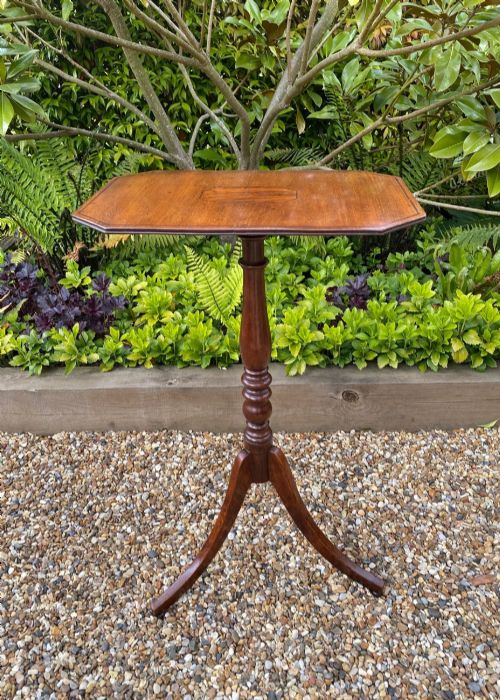
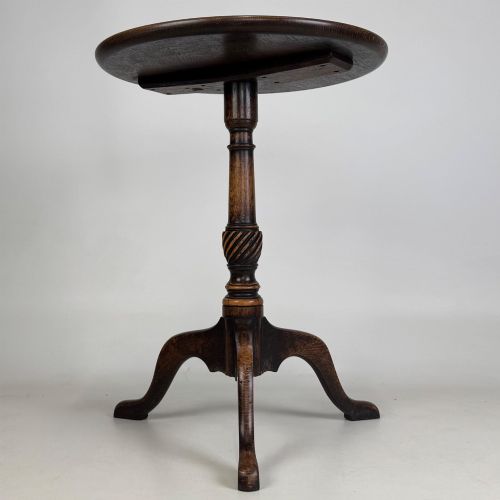
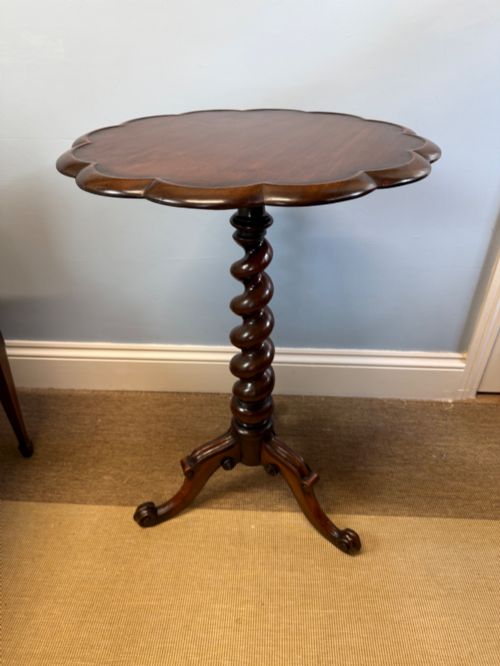
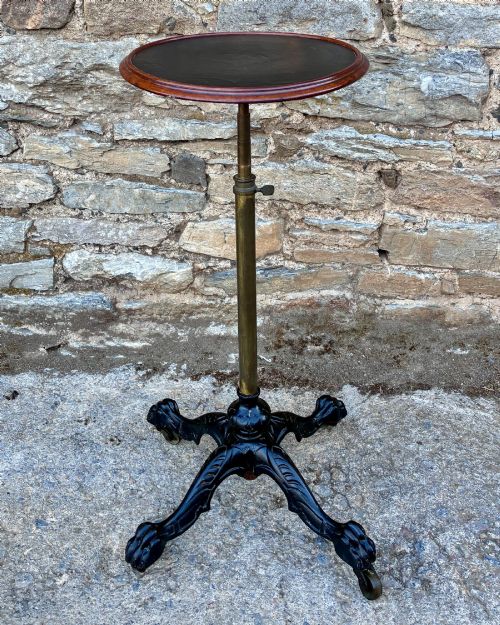
Timber items like mahogany torchere stands utilise turned woodwork techniques to create slender columns and supporting structures. Gilt metal and brass components are frequently assembled with threaded fittings or pins.
Retail Price Guide 2026
Typical UK retail prices for victorian candle stands, calculated from the Sellingantiques database of over a million retail prices indexed since 2003. This retail price guide relies exclusively on Sellingantiques data; no external sources or auction records are used, so the figures do not describe the wider market.
Church altar pricket stands double nicely as dramatic modern holders for oversized pillar candles.
What varies in quality
The calibre of metalwork distinguishes standard production from finer pieces, evident in the crispness of cast rococo and gothic ornamentation. Solid silver and heavy gauge brass demonstrate superior material weight compared to thinner plated alternatives.
For wooden torchere stands, the selection of solid mahogany and the precision of the turned detailing set higher tier examples apart. Maker involvement also plays a role, as demonstrated by identifiable firm marks on silver plated items.
Smith and Sissons and Co
The Victorian Candle Stands Glossary
- Torchere
- A tall stand designed to support a plant, urn, or light fixture. These wooden pieces feature slender turned columns.
- Pricket stand
- An altar candlestick that uses a sharp spike to secure a large wax candle rather than a socket. These items derive from church and gothic traditions.
- Sconce
- A light fixture fixed to a wall to hold candles. These pieces project outward and often incorporate gilt metal.
- Sheffield plated
- A method of fusing a thin layer of silver onto a copper base before rolling and fabrication. This technique precedes modern electroplating.
Frequently Asked Questions
What is a torchere stand?
A torchere is a tall wooden stand used historically for holding lights or decorative objects. The nineteenth century examples utilise mahogany with turned supports.
These pieces function effectively as plant stands or decorative room accents in contemporary interiors.
How do I clean brass candlesticks?
Brass candlesticks require gentle cleaning with a soft cloth to preserve the metal surface. Avoid harsh abrasive cleaners that strip historic patination.
Polishing should be done sparingly to maintain the antique character of the nineteenth century metal.
Where were wall sconces used?
Wall sconces were mounted in hallways and reception rooms to provide reflected light from candles. Gilt metal examples added brightness to dimly lit spaces.
They attach directly to walls and pair well with period interior schemes.
What is a pricket stand?
A pricket stand is an ecclesiastical candlestick featuring an upward pointing spike. The spike holds large church candles securely in place.
These gothic revival pieces originate from altar settings and offer a distinct alternative to standard socket candlesticks.