

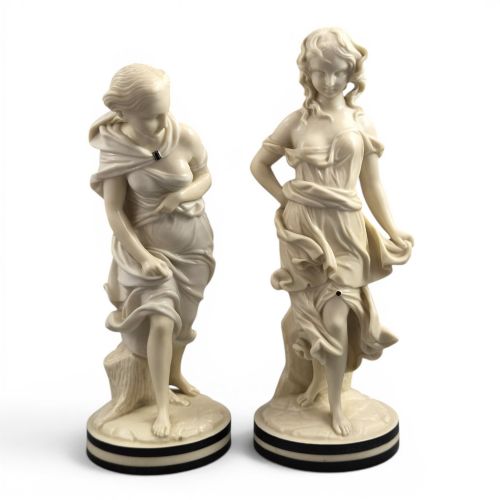


Parian Ware Figure
These parian ware figure pieces offer the crisp biscuit porcelain finish collectors prize, bringing nineteenth-century sculptural craft directly into your home.
What a parian ware figure is
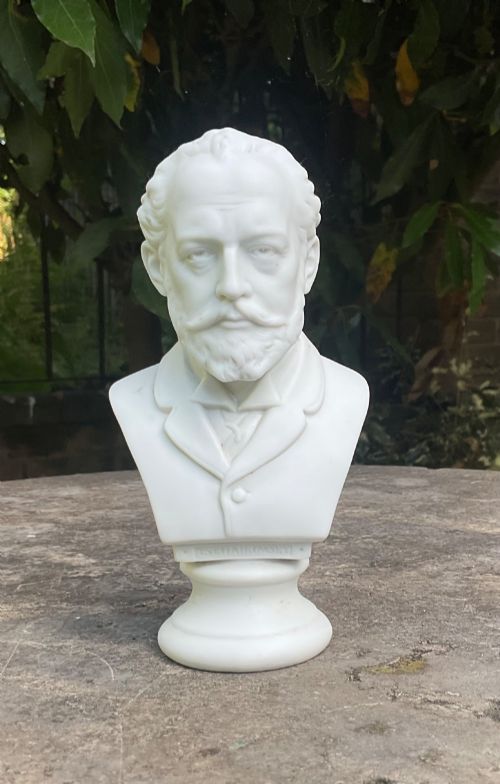
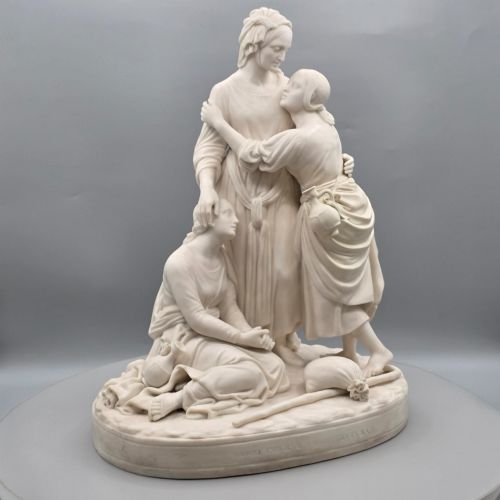
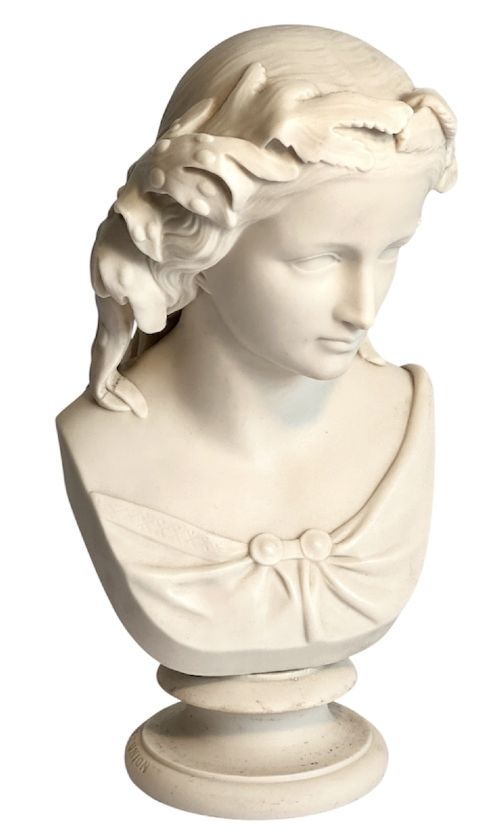
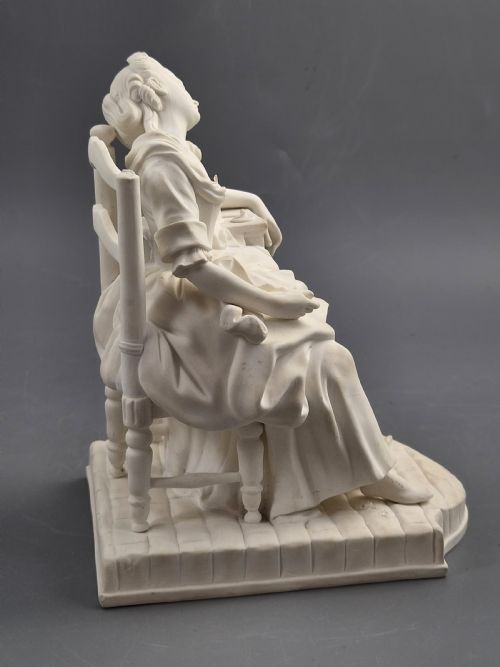
A parian ware figure represents the nineteenth-century taste for sculptural ornament, cast in unglazed biscuit porcelain that imitates white marble. These pieces take the form of single maidens, figurative groups, and historical characters such as musketeers.
The versions most likely to be met on this page span the Victorian era up to nineteen hundred. They appear as standalone figures, sculptural maiden studies, and multi-figure groups like the rabbit chase.
Makers recorded in the archive include Royal Worcester, Robinson and Leadbeater, Copeland, and the signature of H. Bourne. Their output ranges from simple nineteenth-century studies to elaborate signed sculptural groups.
How they were made
The material used is parian ware, a specialised form of porcelain developed to imitate marble without the need for a glossy glaze. Manufacturers poured slip into multi-part moulds to capture fine sculptural detail in the biscuit body.
Victorian households enjoyed chasing rabbits in miniature through sculptural parian groups long before the twentieth century arrived.
What varies in quality
The presence of a known maker such as Copeland or Robinson and Leadbeater elevates a piece, as does an artist signature like that of H. Bourne. Superior examples maintain a smooth, uniform biscuit surface without distracting firing flaws or coarse grain.
Royal Worcester·Robinson and Leadbeater·Copeland
The Parian Ware Figure Glossary
- Parian ware
- A type of fine white porcelain developed in the nineteenth century to imitate carved marble. It fires to an unglazed, biscuit finish that shows off delicate sculptural details.
- Biscuit porcelain
- Ceramic ware that has been fired once without glaze, leaving a porous, matte surface. This texture is essential to the marble-like appearance of nineteenth-century figural work.
- Figurine
- A small modelled or moulded figure representing a human or animal form. These pieces form the core of nineteenth-century decorative ceramic display.
- Figure group
- A sculptural composition featuring two or more figures interacting within a single scene. Examples include narrative subjects like the rabbit chase.
- Slip
- A liquid suspension of clay and water poured into moulds to create ceramic figures. This technique allows manufacturers to replicate intricate sculptural undercut details consistently.
Frequently Asked Questions
What is parian ware?
Parian ware is a type of unglazed biscuit porcelain developed during the nineteenth century to imitate carved white marble. It was widely used for portrait busts and sculptural figures.
The material takes its name from Paros, a Greek island famous for its fine-grained white marble. Manufacturers used it to bring classical sculpture into Victorian homes in an accessible format.
How do I clean a parian ware figure?
Because the porcelain is unglazed and porous, it can absorb dirt and oils from handling. Gentle dusting with a soft brush is the safest method for routine care.
For stubborn marks, a dry cleaning sponge or very mild soapy water applied sparingly can work, but care must be taken not to scrub the matte surface.
Who made these figures?
The pieces recorded in the evidence were produced by prominent British factories including Royal Worcester, Copeland, and Robinson and Leadbeater. Some individual pieces also bear artist signatures such as H. Bourne.
These makers utilised high-quality porcelain bodies and detailed moulds to produce crisp sculptural forms that appealed to Victorian collectors.
Are all parian figures marked?
Not all pieces carry a factory mark or a signature. Many nineteenth-century figures were unmarked or relied on impressed numbers and registration symbols rather than a clear maker's name.
Unmarked pieces are judged entirely by the quality of the modelling, the crispness of the porcelain body, and the weight of the casting.
How should I display them?
These figures require stable placement away from high-traffic areas where they might be knocked, due to the delicate nature of unglazed porcelain extremities. Adequate lighting helps reveal the subtle contours of the biscuit surface.
Pairing them with other Victorian ceramic pieces creates a coherent period display that highlights the marble-like finish of the material.