


Antique Porcelain Maiden
These antique porcelain maiden figures combine sculptural grace with intricate period detail, making them coveted centrepieces for refined interiors.
Antique Porcelain Maiden
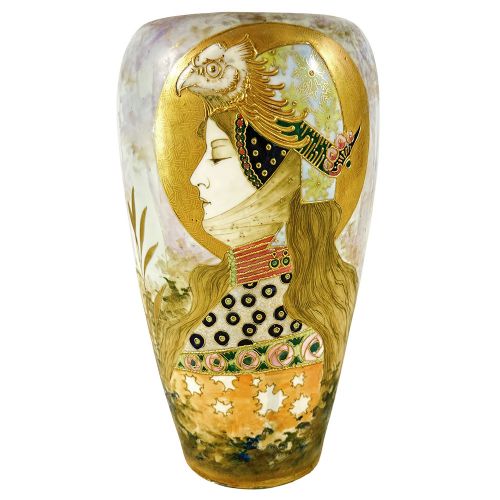
When you search for antique porcelain maiden pieces, you encounter sculptural figures, centrepieces, and vases spanning the eighteenth through the early twentieth centuries. The selection ranges from Victorian parian ware classical women to sweeping Art Nouveau figures produced by continental potteries.
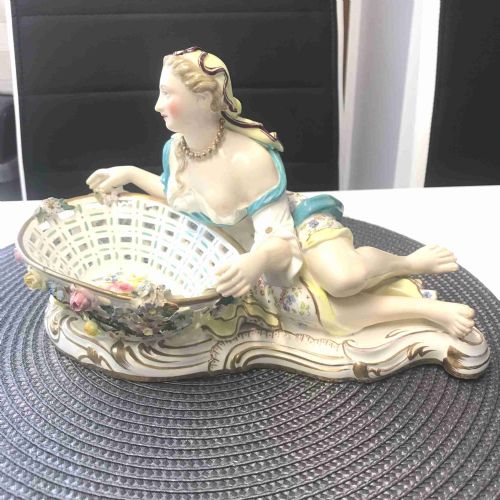
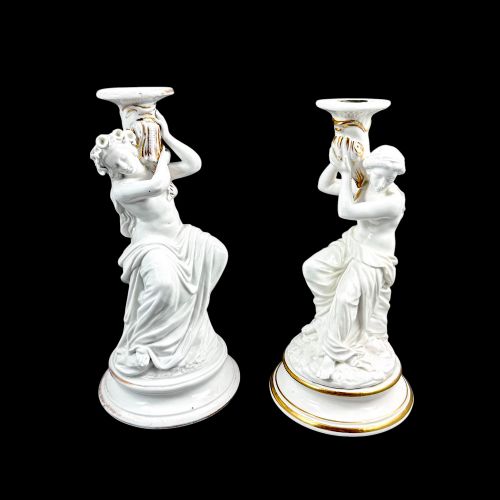
You are most likely to meet nineteenth-century and Edwardian examples featuring female subjects modelled as water carriers, bathers, or classical maidens accompanied by baskets and flora. These creations serve as decorative ornaments, candlesticks, and vide poche dishes.
The objects originate from major European ceramic centres including Meissen, Royal Worcester, and Royal Dux Bohemia. Each piece reflects the sculptural tastes of its specific period, shifting from rococo flourishes to neoclassical revival and flowing organic lines.
Materials and manufacture
The figures utilise hard-paste porcelain, earthenware, and unglazed parian porcelain to achieve distinct surface textures and matte or gloss finishes. Parian ware yields a marble-like biscuit surface favoured for classical figures, while glazed ceramic bodies support hand-painted polychrome decoration.
Makers applied enamel paints, gilding, and gold leaf highlights to accentuate robes, hair, and base details. Complex forms often required slip-casting in multiple mould parts before being assembled, hand-finished, and fired in high-temperature kilns.
Listings feature porcelain, parian porcelain, and earthenware shaped into figurines, centrepieces, vases, and candlesticks across eight distinct periods.
Judging the work
The application of gilding and enamel colouration marks the distinction between standard production and master-modelled works. Tonal subtlety in the glaze and the clean integration of structural elements such as baskets, shells, or column shafts elevate the stature of the sculpture.
Royal Dux Bohemia·Royal Worcester·Ernst Wahliss·Meissen·Nicholas Kannhauser
The Antique Porcelain Maiden Glossary
- Parian Porcelain
- A fine white biscuit porcelain resembling marble, developed in the nineteenth century for sculptural figures. It fires to a smooth, unglazed matte finish.
- Vide Poche
- A small decorative dish intended for holding pocket items such as coins or keys. These often incorporate a seated or leaning maiden figure.
- Sweetmeat Dish
- An ornamental container designed for small confectioneries at formal dining tables. They frequently take figural or basket forms.
- Bisque
- Unglazed ceramic fired once to create a porous, matte surface. It allows fine sculptural details to remain crisp and unsoftened by glaze runs.
Antique Porcelain Maiden: Frequently Asked Questions
What is the difference between parian ware and glazed porcelain?
Parian ware remains unglazed and mimics carved white marble, making it popular for classical subjects during the nineteenth century. Its matte texture absorbs light differently than smooth ceramic surfaces.
Glazed porcelain receives a vitreous coating before a final kiln firing, producing a shiny, sealed finish. This glaze protects the underlying body and allows for vibrant polychrome enamel painting.
How can I tell a Victorian maiden from an Art Nouveau one?
Victorian figures generally rely on neoclassical revival styles, featuring symmetrical drapery, formal postures, and classical motifs like cornucopias and doves. They often employ parian ware or traditional glazed porcelain.
Art Nouveau examples embrace asymmetrical compositions, flowing hair, whiplash curves, and natural elements like water lilies and shells. These pieces frequently originate from the early twentieth century and use earthy or pastel enamel palettes.
Were these figures meant for display or use?
Most antique maiden pieces served as decorative ornaments, centrepieces, or candlesticks intended for prominent display in drawing rooms and parlours. They demonstrated the cultural refinement and aesthetic taste of the household.
Some forms incorporated practical functions, such as spill vases for matches, vide poche dishes for small items, or sweetmeat containers for dining. Even functional pieces prioritised sculptural presence over heavy utility.