
Pair Victorian Figurines
Pair victorian figurines bring mantelpieces and side tables alive with the character of nineteenth century display.
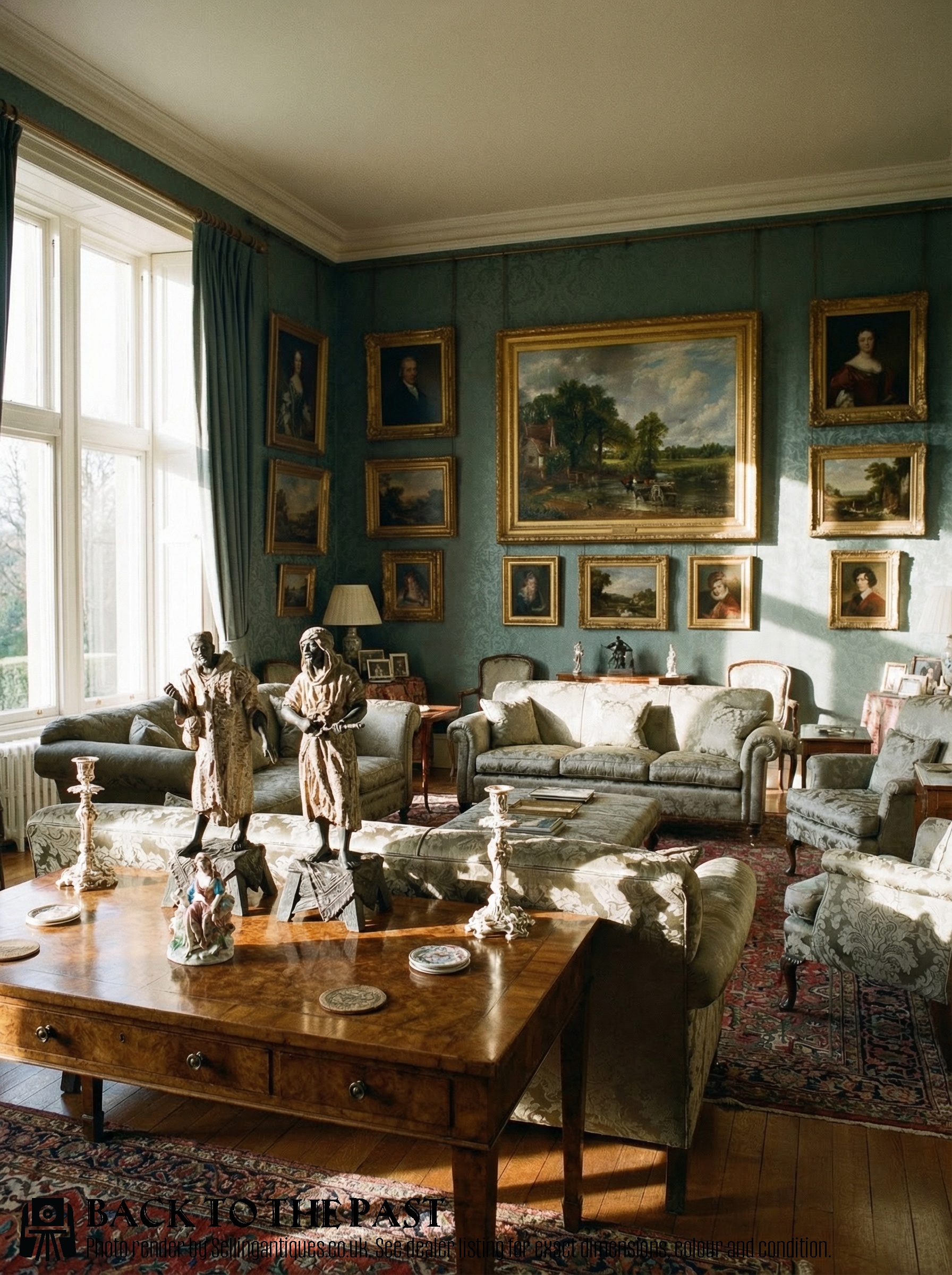
Pair Victorian Figurines
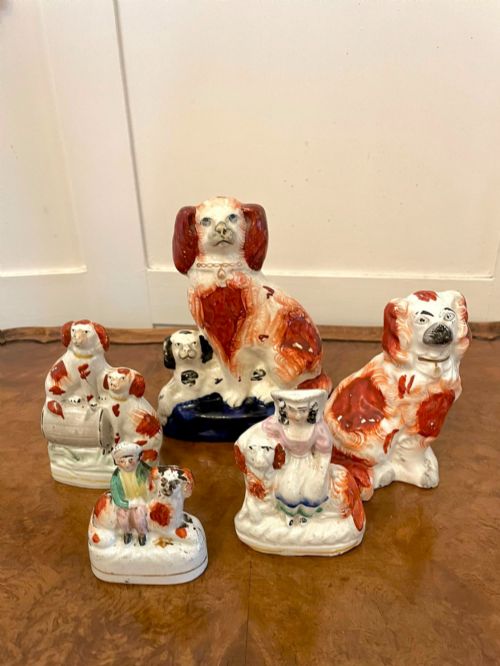
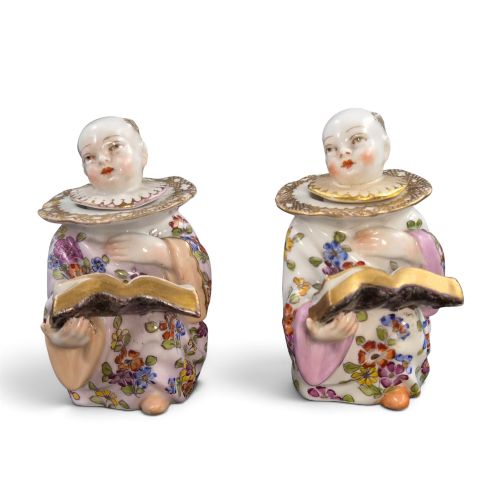
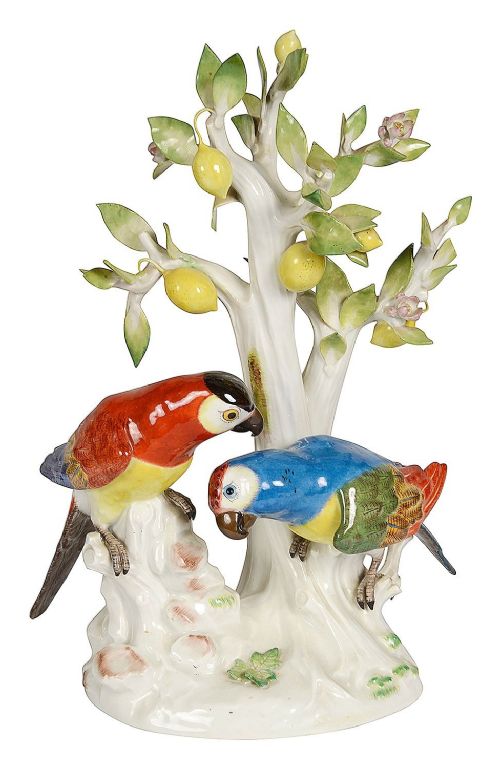
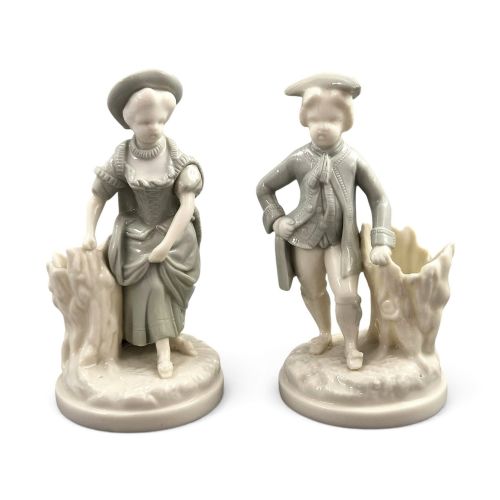
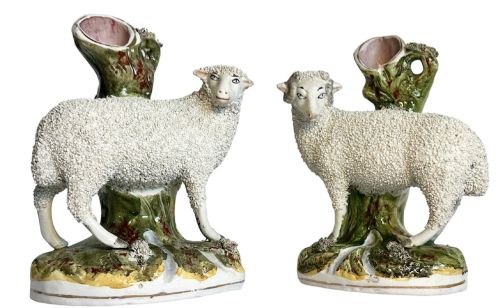
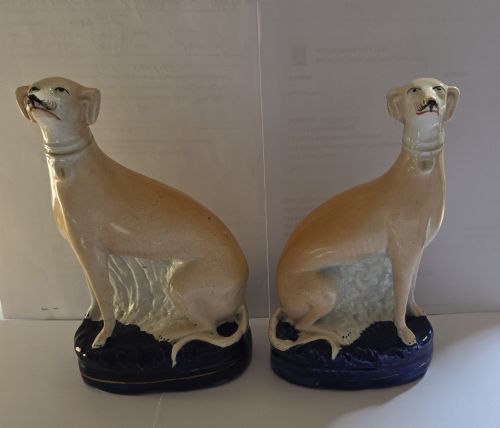
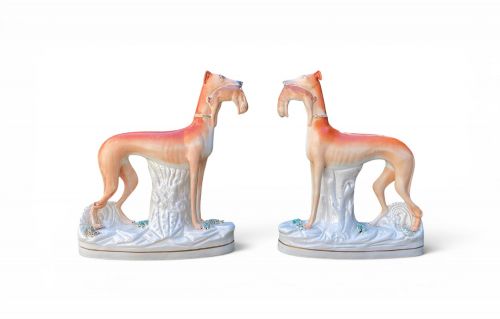
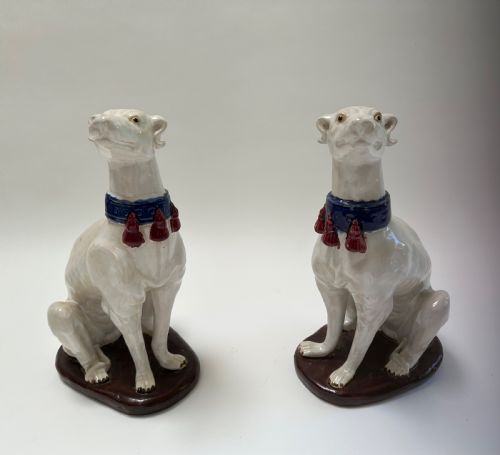
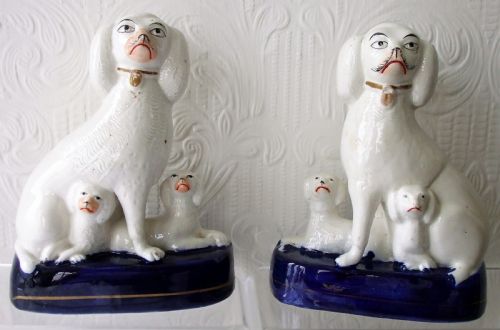
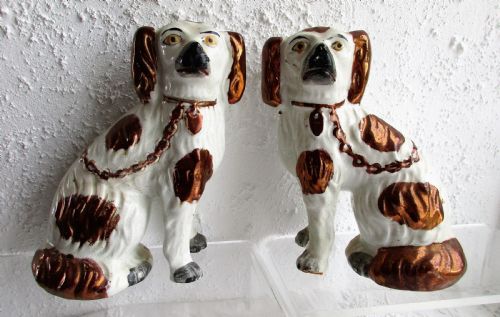
When you search for pair victorian figurines, you encounter matched sets of ornamental sculptures designed for domestic interior display during the nineteenth century. These objects include Staffordshire pottery dogs and spaniels, porcelain figures, spill vases, figural salts, and bronze or chalk subjects.
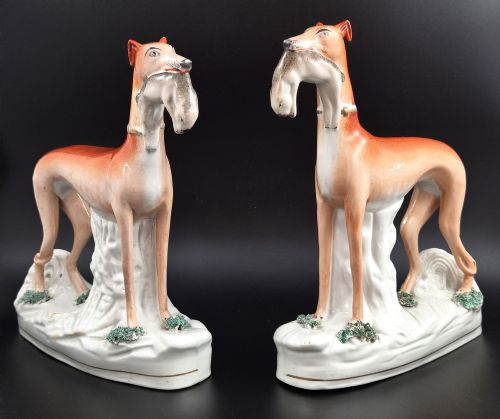
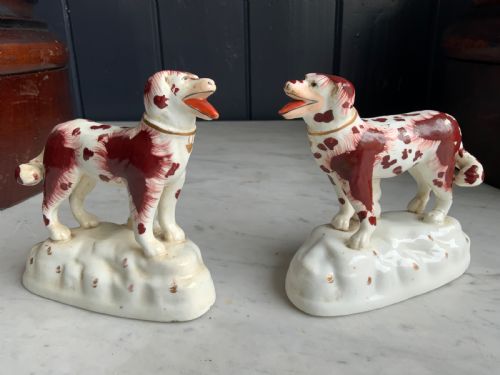
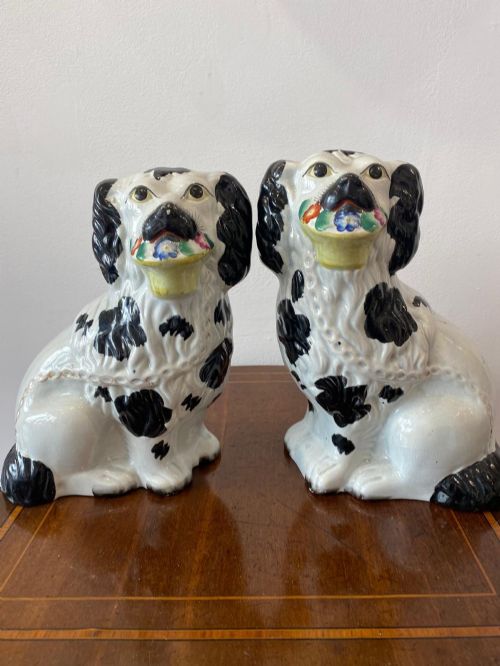
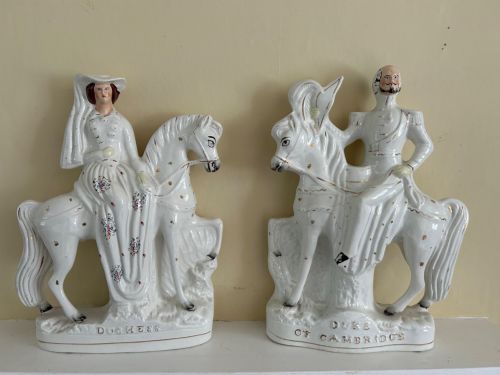
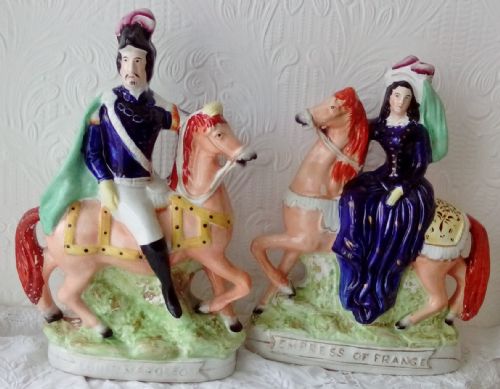
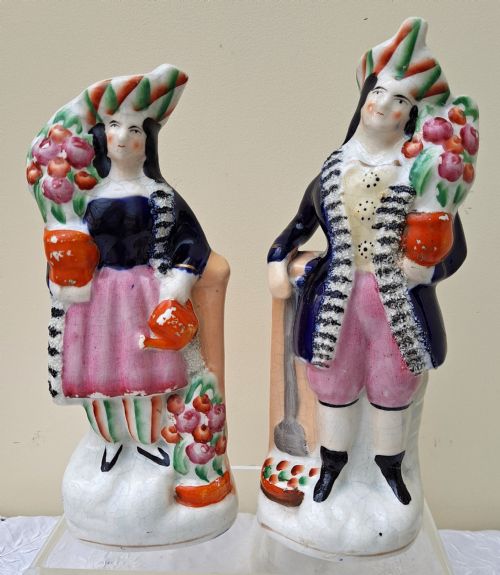
The most common versions on this page are Staffordshire earthenware figures, particularly seated greyhounds, whippets, poodles, and spaniels modelled as fireplace ornaments. Alongside these popular ceramic animals appear human subjects, ranging from theatrical characters and historical figures to romantic pairs.
Originating predominantly from English potteries, particularly Staffordshire, these items also encompass continental European works from French and German factories. The scope spans mid-Victorian production around eighteen fifty up to the close of the century, reflecting diverse revival styles and domestic tastes.
How They Were Made
Ceramic examples rely on earthenware or porcelain bodies formed in moulds, then painted with enamel colours and finished with lead glaze or gilt highlights. Potters applied underglaze painting and overglaze enamel decoration before a secondary kiln firing fixed the pigments.
Metal and stone works utilise alternative techniques, such as cast bronze, patinated chalk, and hand-carved alabaster or teak. Foundry casting created detailed spelter and bronze figures, whilst skilled masons shaped stone subjects with chisels.
Firing temperatures and glaze compositions determined the final surface texture, ranging from high-gloss porcelain to matte biscuit porcelain and earthenware with characteristic crazing.
Staffordshire poodles arrived at the hearth clutching painted ceramic rabbits firmly in their mouths.
What Varies in Quality
Hand-painted enamel work introduces significant variation, where accomplished brushwork and layered coloration elevate the visual depth of eyes, clothing, and gilt accents. Softer, blurred painting or hasty application yields a simpler, less refined appearance.
Completeness of original matched pairs and the preservation of the glaze without extensive restoration govern desirability among collectors.
Edmé Samson·Royal Worcester·Thomas Parr·Letu & Mauger·Bright And Sons
The Pair Victorian Figurines Glossary
- Flatback
- A ceramic figure designed with a flat, unpainted rear surface intended to stand flush against a wall or mantelpiece. This method saved time and materials during production.
- Spill Vase
- A hollow vertical vessel incorporated into a figure group to hold wooden spill sticks used for lighting candles or fires. These combine practical hearth utility with ornamental sculpture.
- Spelting
- An alloy based on zinc, often cast into decorative figures and patinated to imitate bronze. It provides a metallic appearance at a lower production cost.
- Staffordshire
- A geographic region in England encompassing multiple pottery towns responsible for producing earthenware figures. These works form a primary category of nineteenth-century domestic pottery.
Pair Victorian Figurines: Frequently Asked Questions
What rooms suit pair victorian figurines?
These ornaments display well on mantelpieces, sideboards, and bookshelves where matched pairs create visual balance. Their varied heights and subjects allow them to anchor surface arrangements in sitting rooms and studies.
Placing them away from direct heat sources and high-traffic edges protects fragile glazes and protruding details from accidental damage.
What is a spill vase figure?
A spill vase figure integrates a hollow cylindrical holder directly behind the main animal or human subject. Households used these holders to store thin wooden spills required for transferring flames from hearth to lamp or pipe.
They combine the decorative appeal of a figurine with the practical utility demanded by Victorian domestic life.
Why are some figures painted in gold leaf?
Gilt highlights on Victorian ceramics and metalwork served to accentuate collars, lockets, and clothing details. Craftsmen applied gold leaf or liquid gold over fired glazes before a low-temperature fixative pass.
Presence of worn gilding often indicates genuine nineteenth-century handling and age rather than recent manufacture.