




Rococo Couple Ornaments
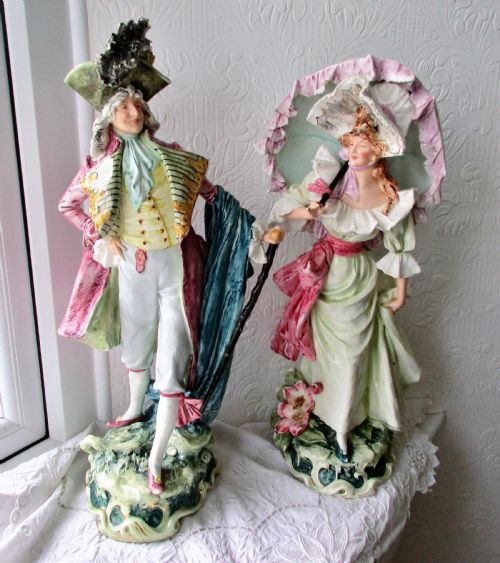
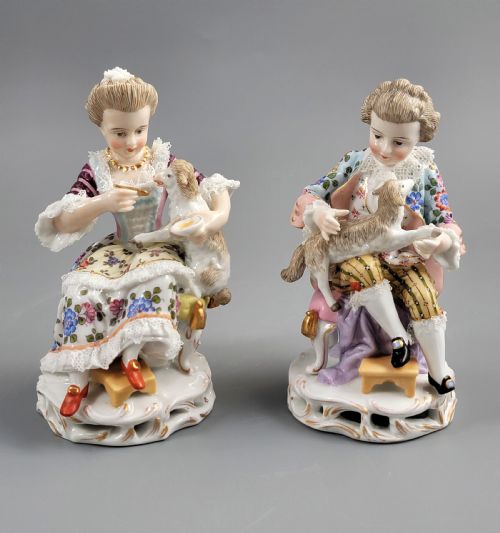
These rococo couple ornaments bring theatrical pastoral charm to a room, offering whimsical porcelain figures of gallants, ladies, shepherds, and gardeners.
Rococo Couple Ornaments
When searching for rococo couple ornaments, buyers encounter decorative figures and statuettes depicting romantic pairs, gallants, and ladies. These ornamental pieces frequently appear as matched pairs designed for mantelpieces and decorative displays.
The selections span from the eighteenth century through the nineteenth century, encompassing Victorian interpretations and revival pieces. European workshops across Germany, France, and Britain produced these ceramic groupings in various sizes and domestic subjects.
Most examples present pastoral or courtly pairs, including shepherds with shepherdesses, gardeners, and aristocratic suitors. Their primary purpose remains decorative, capturing elaborate theatrical postures and ornate garments typical of the revival taste.
How they were made
Production relies on porcelain, hard-paste porcelain, earthenware, and faience, often shaped into intricate figural groups. Biscuit porcelain provides an unglazed matte finish that highlights sculptural detail, while other pieces receive glossy lead or enamel glazes.
Makers incorporate fine surface decoration using enamel colours and occasional touches of gold leaf to accentuate garments and bases. The underlying clay body dictates whether a piece is earthenware, faience, or hard-paste porcelain.
The listings feature nineteenth-century and eighteenth-century pieces utilising hard-paste porcelain, biscuit porcelain, faience, and earthenware.
What varies in quality
Quality rests upon the crispness of the modelling in the faces, hands, and drapery folds of the figures. Superior examples retain delicate hand-painted enamel details and cleanly applied gilt accents without blurring.
The sophistication of the underlying ceramic paste and the refinement of the glaze application distinguish exceptional sculptural output from standard commercial production. Factory marks and the precision of the firing process further separate the tiers.
Volkstedt Porcelain·Chantilly·Sitzendorf·Meissen·Royal Capodimonte Factory·Minton·Ludwigsburg
The Rococo Couple Ornaments Glossary
- Biscuit porcelain
- Unglored ceramic fired to a hard state, prized for its smooth, matte surface that reveals fine sculptural details. This finish became popular for neoclassical and revival figures.
- Hard-paste porcelain
- A dense, vitrified ceramic composed of kaolin and petuntse, fired at very high temperatures. It produces a durable, bright white body that resists scratching.
- Faience
- Tin-glazed earthenware produced across continental Europe, offering an opaque white background for painted enamel decoration. It provides a distinct alternative to traditional porcelain.
- Rococo Revival
- A nineteenth-century design movement that revived the asymmetric scrolls, shell motifs, and ornamental exuberance of the mid-eighteenth century. It heavily influenced European ceramic figure production.
- Glaze
- A glassy coating fused to ceramic surfaces through firing, providing waterproof qualities and decorative sheen. It can be clear, coloured, or opaque depending on the metallic oxides used.
Rococo Couple Ornaments: Frequently Asked Questions
How do I date these porcelain figures?
Dating relies on examining the ceramic body, glaze characteristics, and any factory marks stamped or painted on the base. Stylistic clues, such as the specific interpretation of the revival period, also help narrow the timeframe.
Comparative analysis with known factory output from German, French, and British kilns provides the most reliable chronological framework.
Where were these ceramic figures made?
Production centres spanned across Europe, with significant contributions from German factories like Meissen, Sitzendorf, and Volkstedt. French kilns, including Chantilly and various faience workshops, also produced notable figural groups.
English manufacturers such as Minton contributed their own interpretations of these romantic and pastoral subjects during the nineteenth century.
How should I care for antique porcelain figures?
Keep these delicate items away from direct sunlight and areas prone to heavy vibrations or accidental knocks. Dust them gently with a soft, dry brush to prevent accumulation in intricate crevices.
Avoid using water or chemical cleaners, especially on pieces with unglazed biscuit surfaces or delicate enamel and gold leaf decorations.