

Victorian Decorative Figures
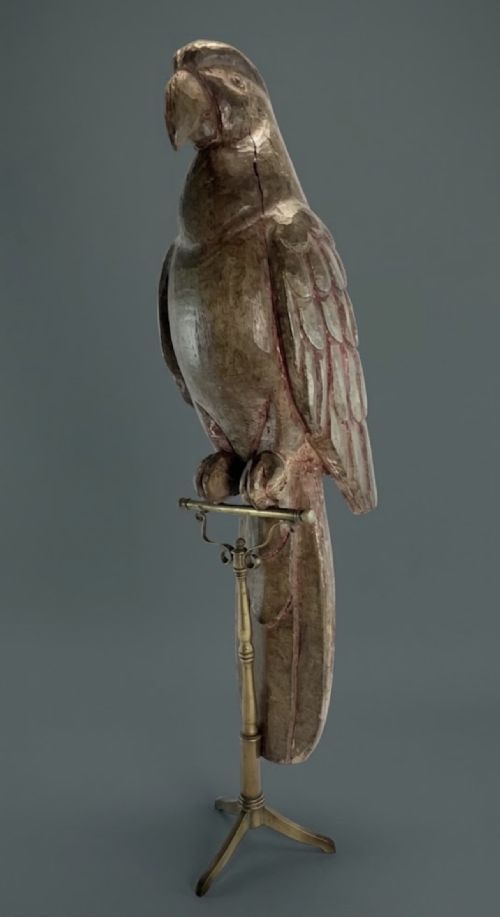
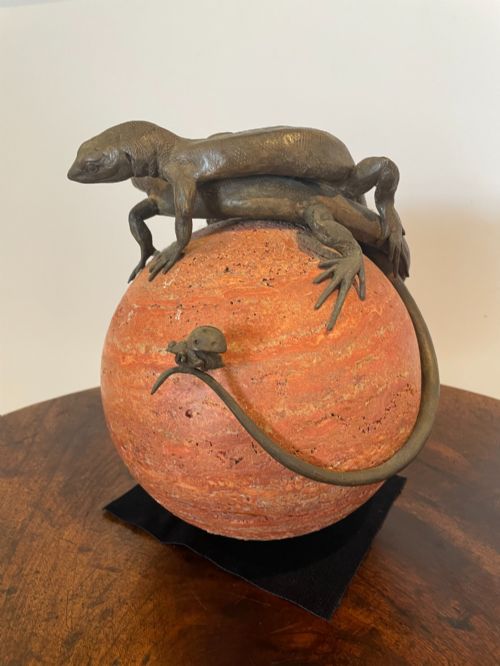
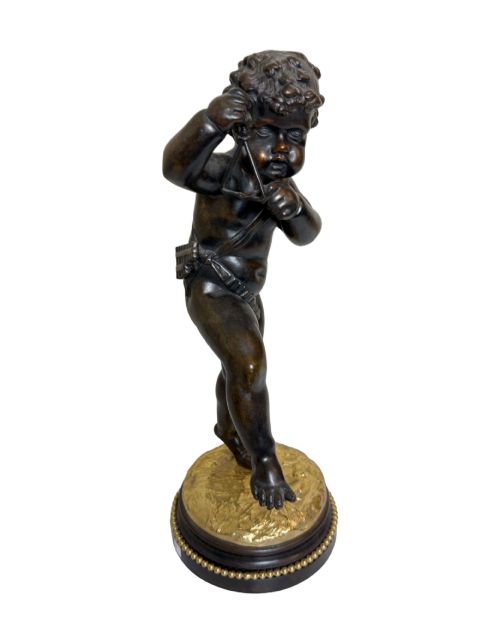
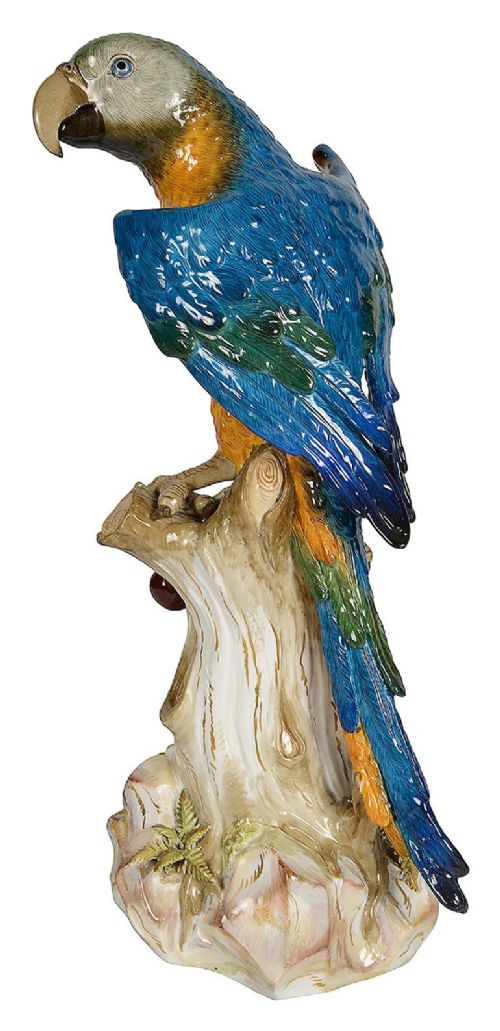
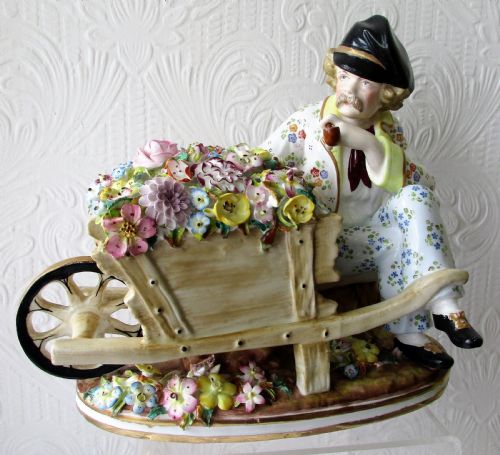
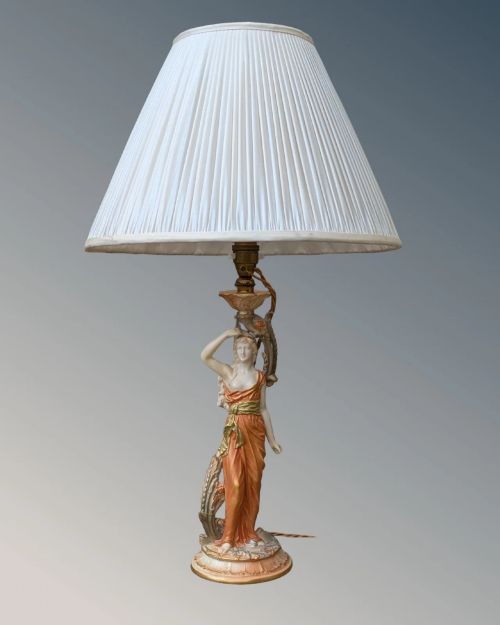
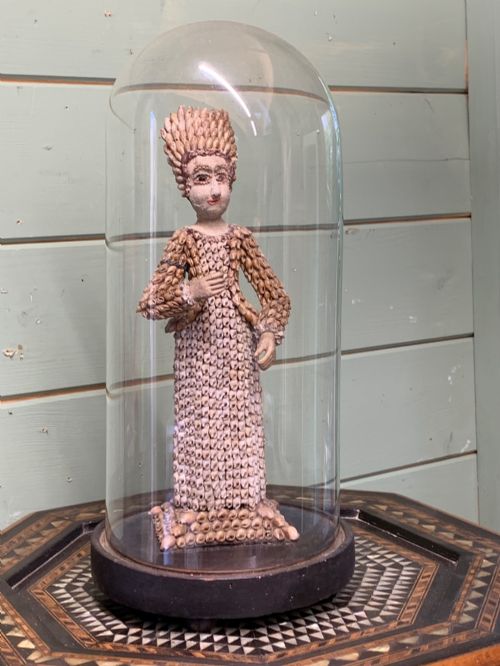
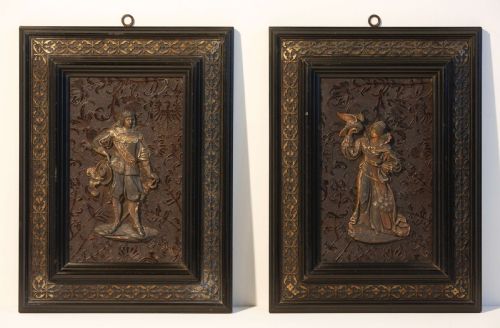
Victorian decorative figures bring character to a room through sculpted porcelain, bronze, and cast iron representing human, animal, and mythical forms.
Victorian Decorative Figures
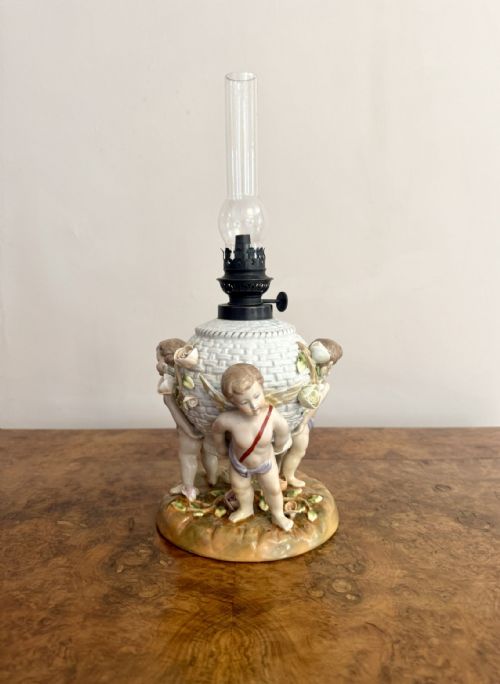
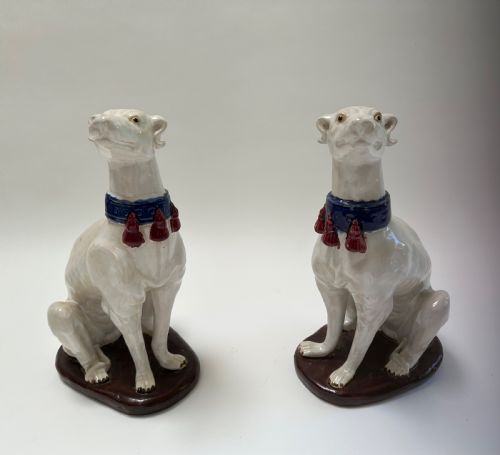
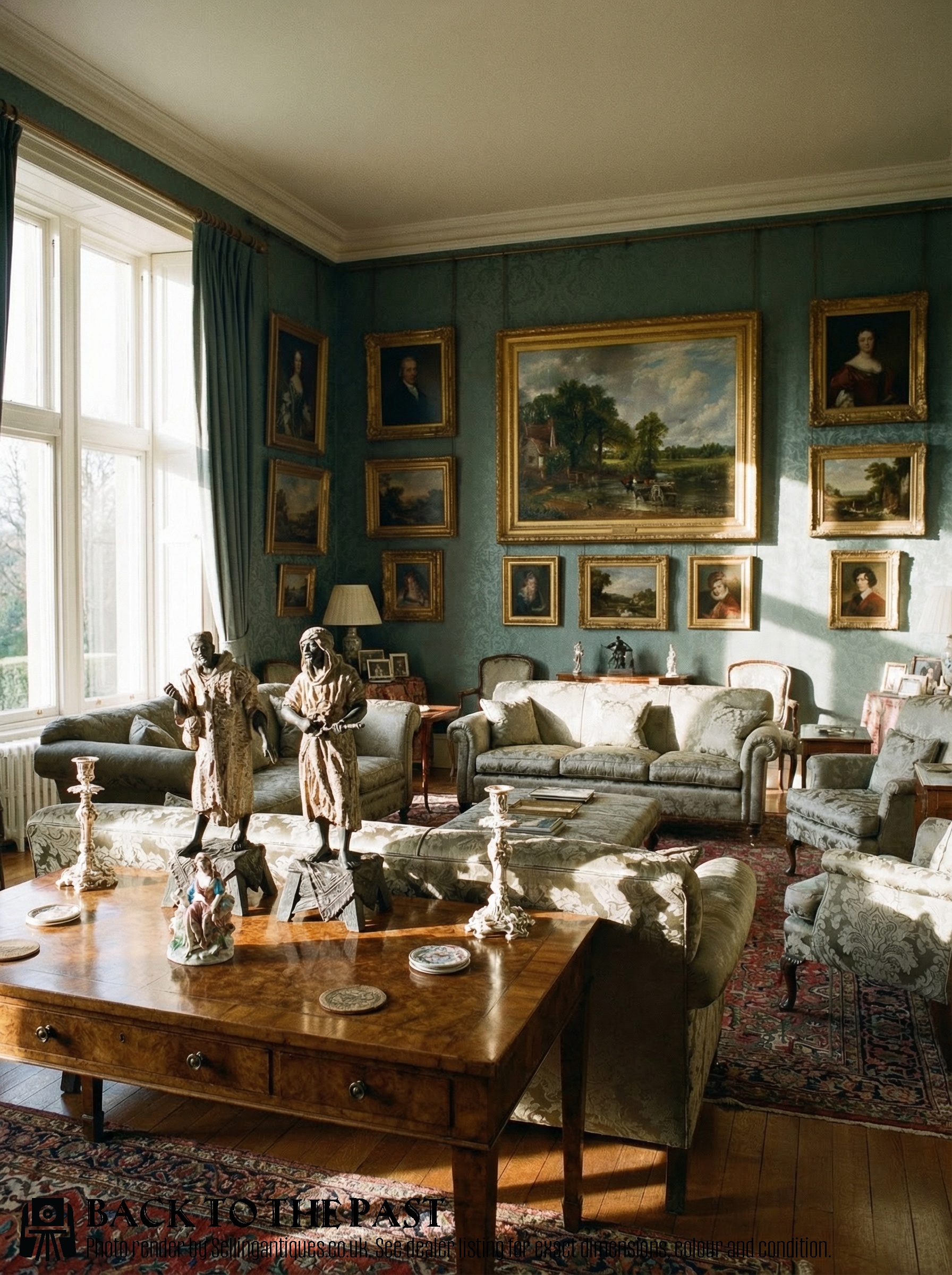
Victorian decorative figures encompass a diverse range of objects designed primarily for ornamentation rather than utility during the nineteenth century. Buyers searching for victorian decorative figures encounter everything from porcelain figurines and earthenware animals to cast iron doorstops and bronze sculptures.
The selection frequently includes porcelain figures from factories such as Meissen, Sitzendorf, and Royal Worcester, alongside bronze works and utilitarian pieces cast in iron. Formats span tabletop ornaments, figural lamps, candlesticks, and architectural reliefs.
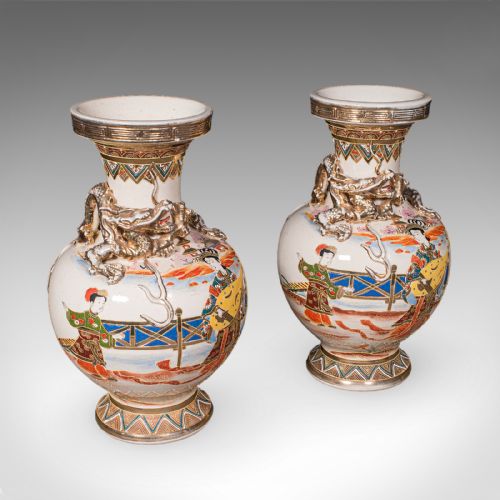
Origins vary widely across the inventory, touching English potteries, German porcelain works, French bronzes, and Japanese ceramics imported during the Victorian period. Pieces reflect stylistic currents from Classical Revival and Rococo Revival to Victorian Orientalism and folk art.
How They Were Made
Porcelain figures and vases utilise hard-paste or soft-paste ceramic bodies, frequently decorated with hand-painting, enamelling, and gilding. Parian ware provides a specific unglazed porcelain finish that mimics carved marble.
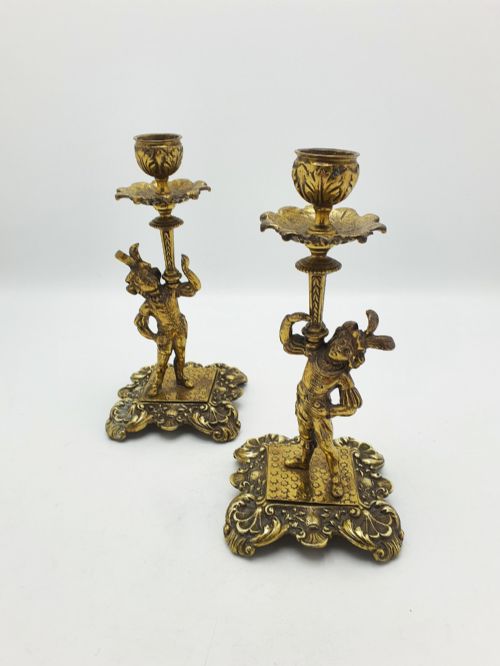
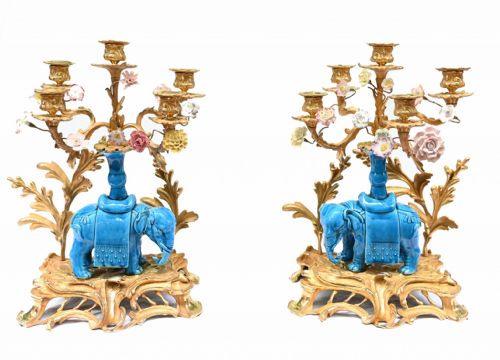
Metal sculptures and utilitarian items rely on casting techniques in bronze, brass, white metal, and cast iron. Cold-painted finishes add colour to bronze surfaces, while brass and gilt bronze elements highlight decorative details.
Mixed media constructions incorporate carved wood, alabaster, ebony, and glass. Specialised techniques include majolica glazing on earthenware and intricate cold-painting on metalwork.
What Varies in Quality
Surface decoration and finishing separate standard production from superior pieces. Hand-painted enamel precision, the crispness of gilt highlights, and the retention of original cold-painted surfaces heavily influence the calibre of a figure.
Maker attribution and material weight also divide the range. Pieces bearing documented factory marks or attributed to notable modellers command greater interest than unmarked work.
John Bevington·Goldscheider·Emile Picault·James Hadley·C. G. Schierholz
The Victorian Decorative Figures Glossary
- Cold-painted bronze
- Bronze sculpture finished with oil or enamel paint after casting, rather than patinated by heat and chemicals. This technique was popular in Vienna during the nineteenth century.
- Parian ware
- A type of fine biscuit porcelain developed in England that resembles carved marble. It was widely utilised for portrait busts and classical figures.
- Majolica
- A type of earthenware coated with an opaque tin-glaze and painted with brightly coloured metallic oxides. It produces rich, glossy decorative surfaces.
- Jasperware
- A fine-grained, unglazed stoneware developed by Wedgwood, typically featuring white classical relief figures applied against a solid coloured ground.
- Flat back
- A ceramic figure moulded with a finished front and a plain, unpainted flat reverse side intended to stand against a wall on a mantelpiece.
Victorian Decorative Figures: Frequently Asked Questions
How do I identify Victorian cast iron doorstops?
Victorian cast iron doorstops typically depict historical figures, literary characters, or animals with heavy, durable construction and painted surfaces. They were designed to hold heavy interior doors open in nineteenth-century homes.
Examine the weight and the casting seams to understand the age and manufacturing method. Common subjects include figures like Lord Nelson or Mr Punch.
What is Parian ware?
Parian ware is an unglazed porcelain type that imitates the appearance of carved white marble. It became extremely popular during the nineteenth century for portrait busts and classical sculptures.
The material takes its name from Paros, a Greek island renowned for its fine white marble. It offers a smooth matte texture that highlights sculpted details.
How should I clean antique porcelain figures?
Clean antique porcelain figures gently using a soft, dry brush to remove dust. Avoid submerging pieces in water, particularly if they feature old repairs, delicate gilding, or cold-painted surfaces.
Harsh cleaning agents can strip enamels and damage the ceramic body. Professional conservation advice should be sought for valuable or fragile items.