

Classical Male Sculpture
Classical male sculpture brings the heroic human form into interior spaces, offering timeless mythological and historical presence through bronze, marble and plaster.
Classical Male Sculpture
When searching for classical male sculpture, buyers encounter figures rooted in ancient prototypes, ranging from mythological heroes and athletes to historical portrait busts. These pieces draw heavily on antique models, frequently mediated through nineteenth-century Grand Tour reductions, academic realism, and neoclassical revivals.
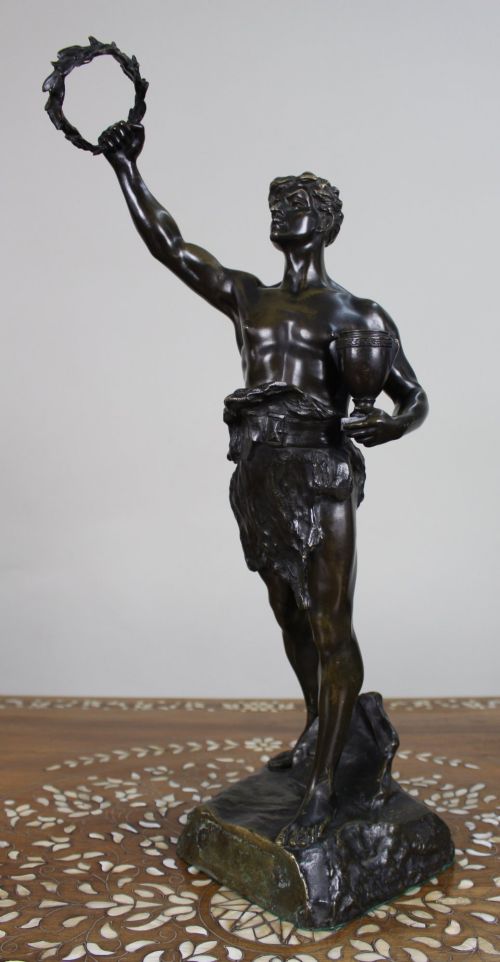
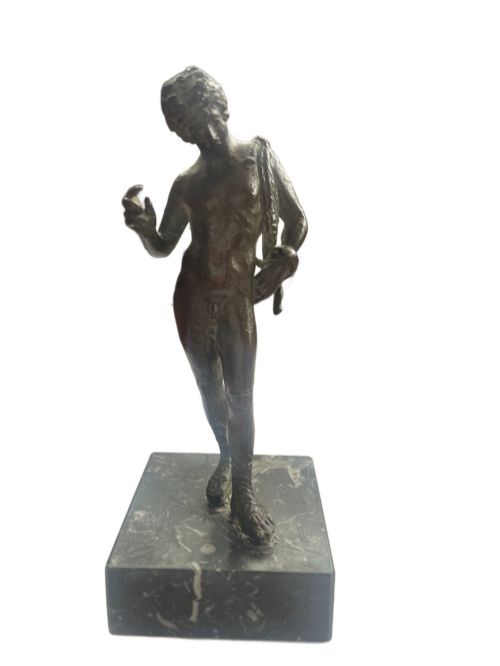
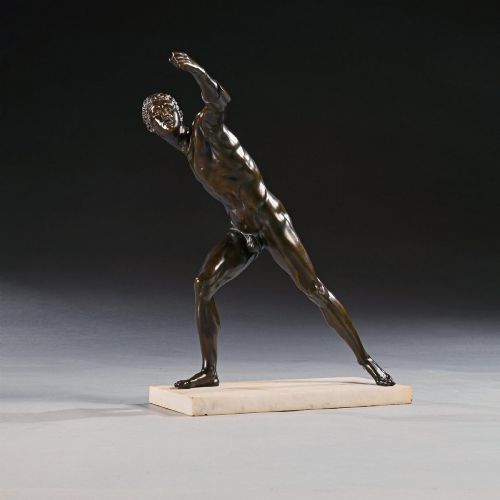
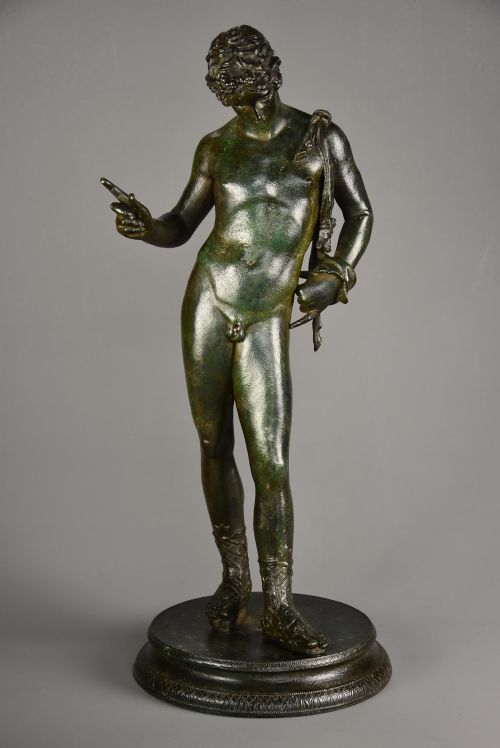
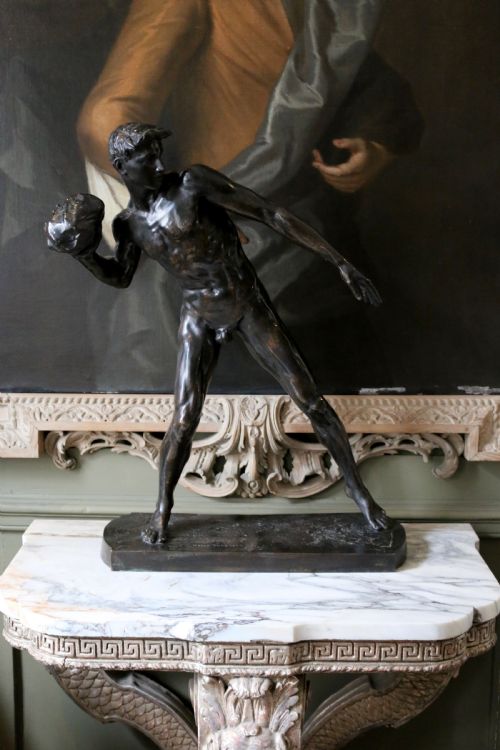
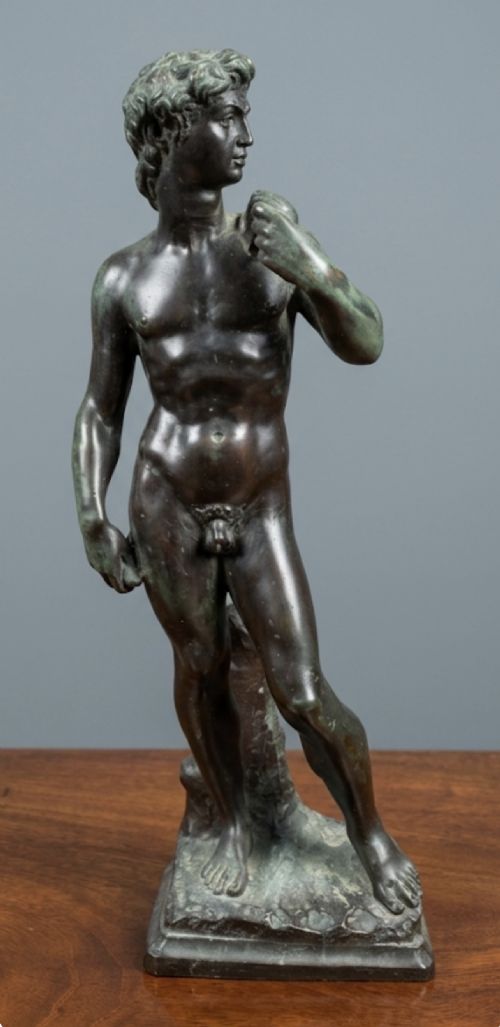
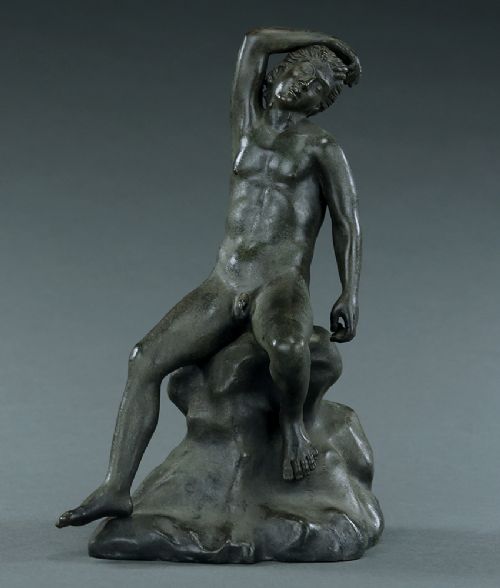
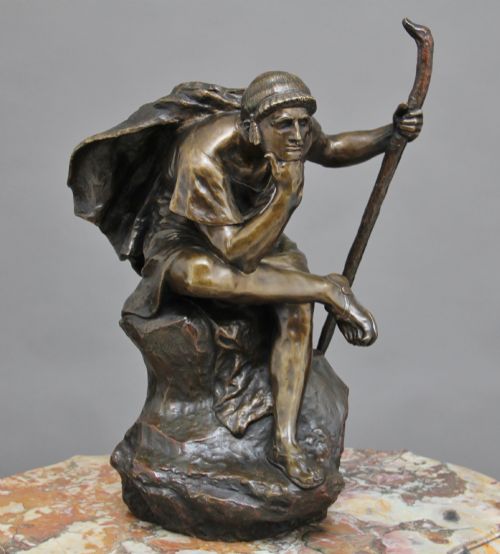
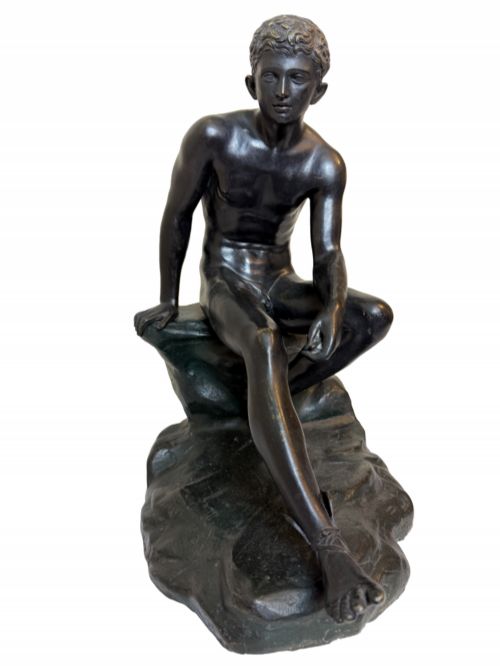
The version most commonly met on this page is the nineteenth-century bronze figure, often cast in European foundries such as those in France and Italy. These works span subjects like Narcissus, gladiators, and fauns, frequently mounted on marble bases or patinated with varying shades of green and dark brown.
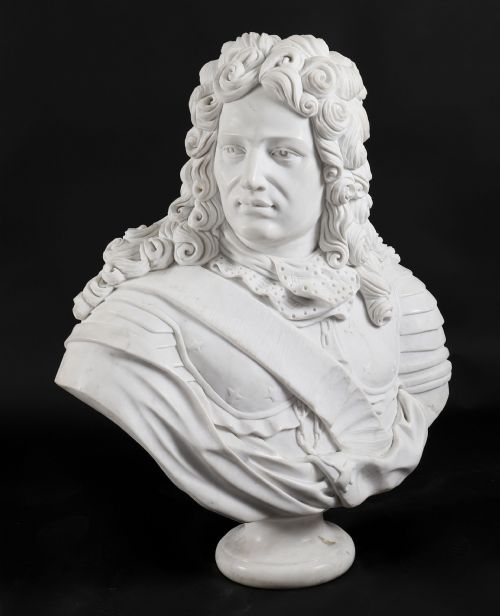
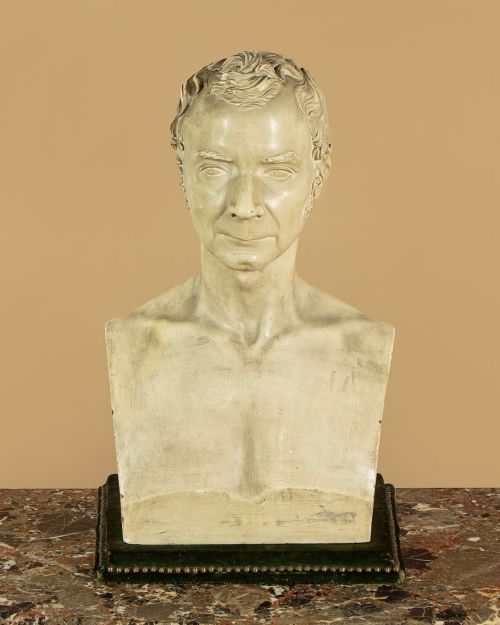
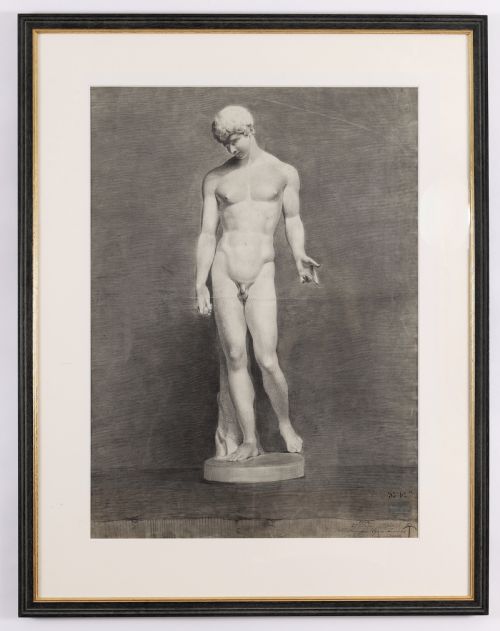
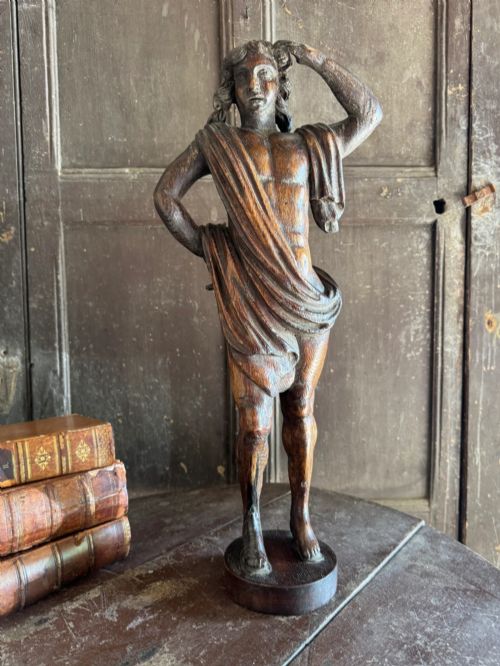
Alongside cabinet bronzes, the selection incorporates larger garden statuary, framed drawings, and portrait busts in marble, plaster, and terracotta. They reflect nineteenth-century tastes for academic study and classical collecting, bridging ancient aesthetic ideals with nineteenth and twentieth-century production.
Materials and Making
Foundries utilised the lost-wax method or sand casting to produce bronze figures, allowing for intricate surface detail and the application of chemical patination. Artisans then hand-finished these casts with chisels and files to sharpen musculature and drapery before mounting them on stone or marble plinths.
Sculptors working in marble carved directly from blocks, employing pneumatic or manual chisels to achieve smooth flesh tones and contrasting textured hair or drapery. Plaster and terracotta pieces offered alternative mediums, shaped in moulds or modeled by hand to capture immediate academic gesture.
Classical Male Sculpture Retail Price Guide 2026
Typical asking prices for classical male sculpture among the pieces listed under this phrase on Sellingantiques today, from the lower quarter to the upper quarter. They describe what is for sale here now, not the wider market.
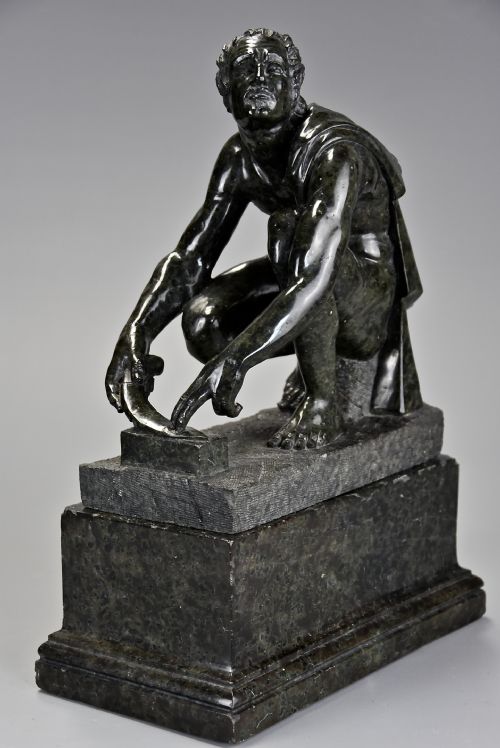
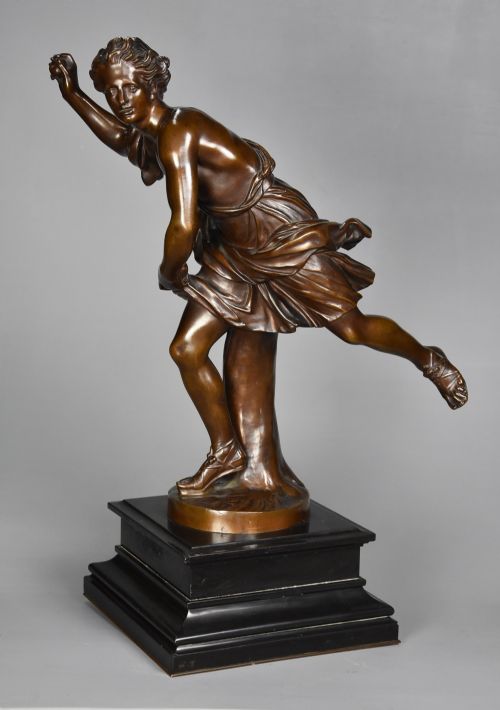
Several figures pause mid-movement to sharpen knives, wrestle opponents, or meditate on ancient philosophy.
Judging Quality
Quality in these figures rests primarily upon the crispness of the chase work and the fidelity of the cast to the original antique model. Superior examples exhibit sharply defined musculature, clean undercutting, and a rich, stable patination that does not obscure the underlying metal.
Barbedienne·Emile Louis Picault·Julien Lorieux·Giuseppe Moretti·Sir Thomas Brock
The Classical Male Sculpture Glossary
- Grand Tour
- A traditional trip through Europe undertaken by upper-class young men to absorb classical culture. Pieces collected during these travels often included small-scale bronze copies of famous antiquities.
- Patination
- The chemical or natural coloration applied to the surface of bronze sculptures. Artisans manipulate this process to achieve deep browns, verdigris greens, or near-black tones.
- Neoclassical
- An artistic movement drawing inspiration from the art and culture of classical antiquity. This style prioritises restraint, heroic proportion, and mythological subject matter.
- Lost-wax casting
- A metal-casting method in which a molten metal is poured into a mould that has been created by means of a wax model. The wax is subsequently melted and drained away.
- Verdo prato
- A dense, dark green Italian marble frequently used for sculptural bases during the nineteenth century. It provides a rich contrast to warm bronze patinas.
Classical Male Sculpture: Frequently Asked Questions
What is a Grand Tour bronze?
Grand Tour bronzes are small-scale reproductions of famous ancient sculptures produced in Italy and France during the nineteenth century. Travellers purchased them as mementos of their cultural journeys across Europe.
These pieces were cast in professional foundries and often featured specialised patination to mimic excavated antiquities. They allowed collectors to display iconic classical masterworks within domestic interiors.
How do I care for antique bronze?
Antique bronze requires minimal intervention, relying primarily on gentle dusting with a soft, dry cloth to prevent particulate buildup. Avoid applying household cleaners, oils, or waxes that might disrupt the historic patina.
Maintaining a stable indoor humidity level protects both the metal surface and any associated marble or stone bases from thermal shock. Professional conservators should handle any restorative cleaning.
Are these pieces based on originals?
Many works reference specific Hellenistic or Roman statues discovered during archaeological excavations, such as the Borghese Gladiator or the sculptures of Canova. Nineteenth-century artists frequently studied these prototypes directly in European museums.
Interpretations vary from exact scale reductions to academic adaptations that reflect contemporary Victorian or Edwardian tastes. Signatures or foundry marks on the base often record the producing enterprise.
How should I display a marble bust?
Marble busts require a sturdy, level surface capable of supporting considerable weight, such as a dedicated column, pedestal, or heavy sideboard. Positioning them away from direct sunlight and heat sources prevents thermal stress and surface yellowing.
Adequate lighting from the side emphasises the carved contours of the face and musculature, replicating museum display practices. Ensure the display area remains secure from accidental impacts.