
Vintage Stone Statue
These vintage stone statue pieces bring neoclassical presence and weathered character to gardens and interiors alike.
Vintage Stone Statue
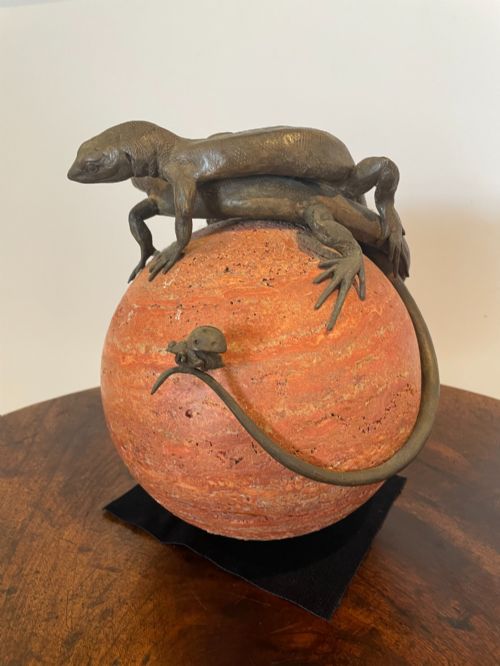
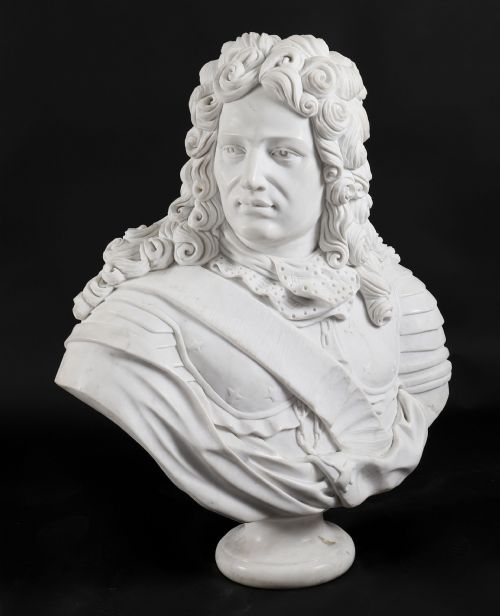
A vintage stone statue encompasses carved figures, garden ornaments, and portrait busts spanning the nineteenth and twentieth centuries. Buyers searching for a vintage stone statue encounter works shaped from marble, alabaster, soapstone, and composite materials.
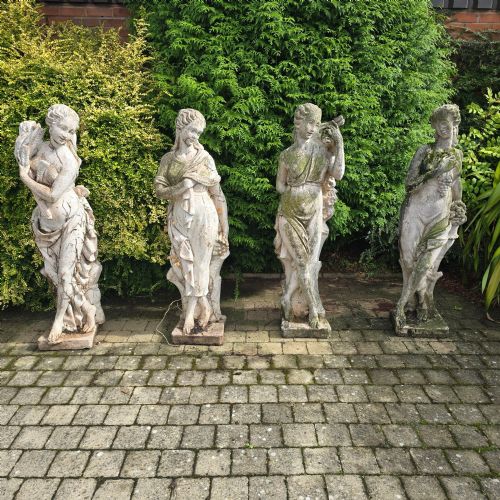
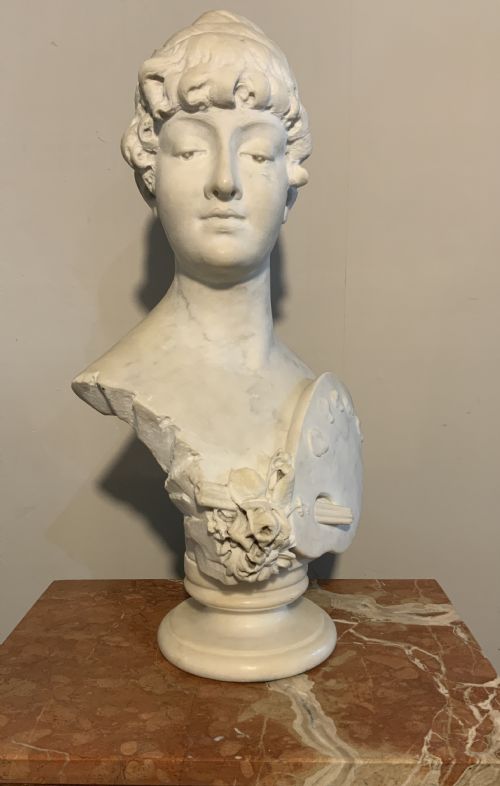
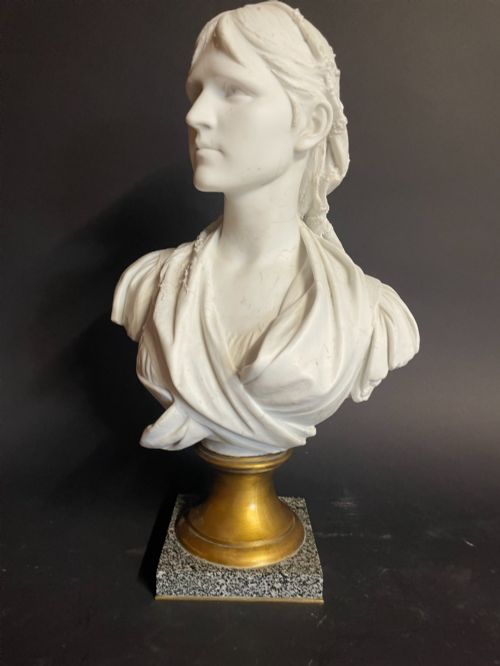
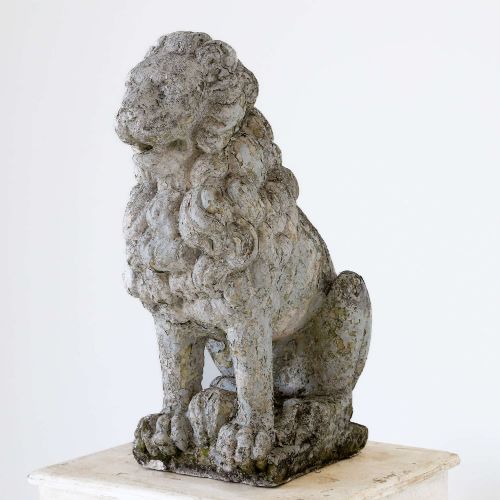
The selections available range from life-sized allegorical figures and classical lions to library busts of historical figures and animal studies. Pieces reflecting neoclassical taste, art nouveau, and English country house styles appear frequently.
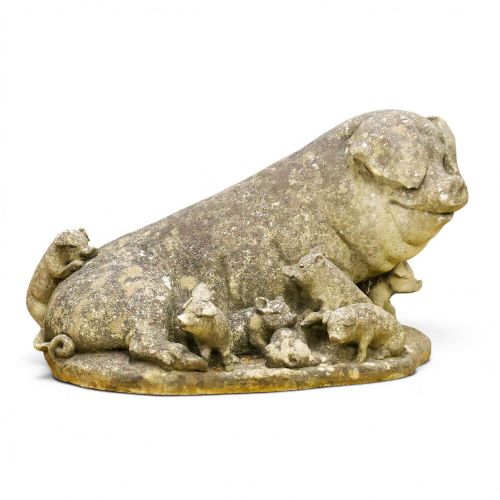
Originating from British, French, Italian, and Chinese workshops, these sculptures serve both interior display and garden placement. Reconstituted stone animal figures and carved marble nobility dominate the common offerings.
How they were made
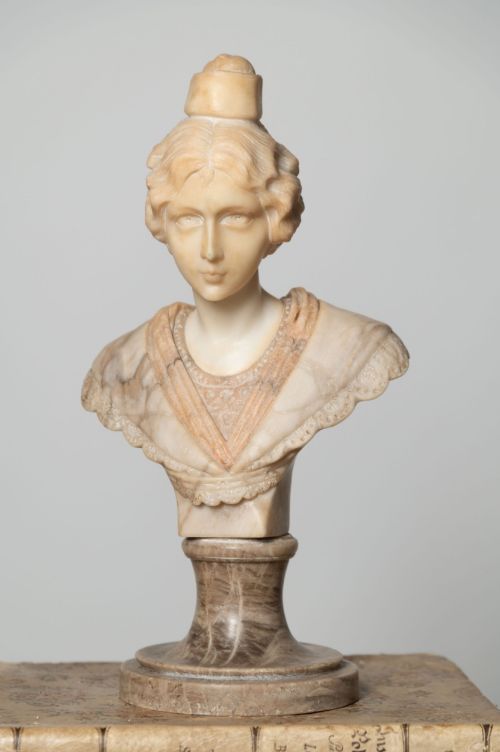
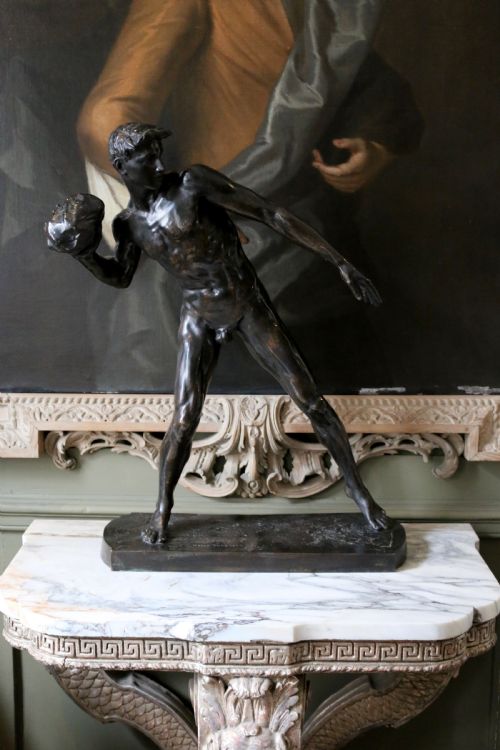
Carvers shaped marble, alabaster, and soapstone blocks by hand using chisels and rasps to achieve intricate details in hair, drapery, and facial expressions. Master sculptors signed specific pieces, recording individual artistry on stone and bronze surfaces.
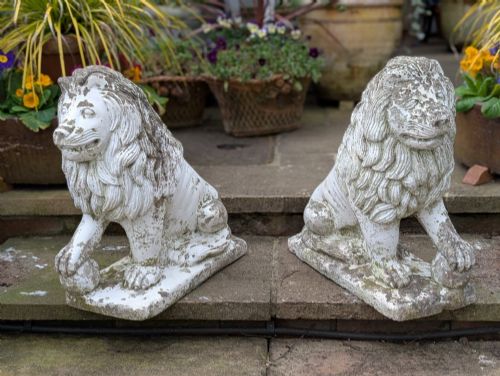
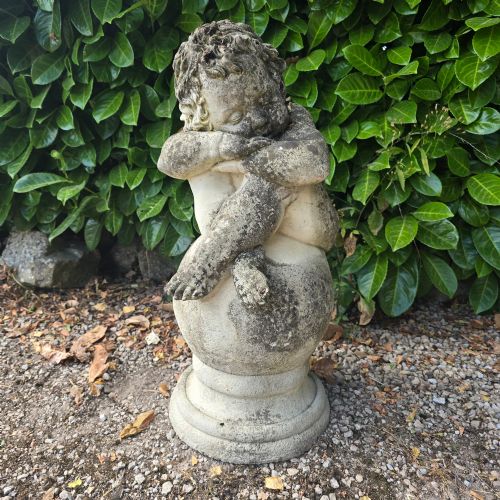
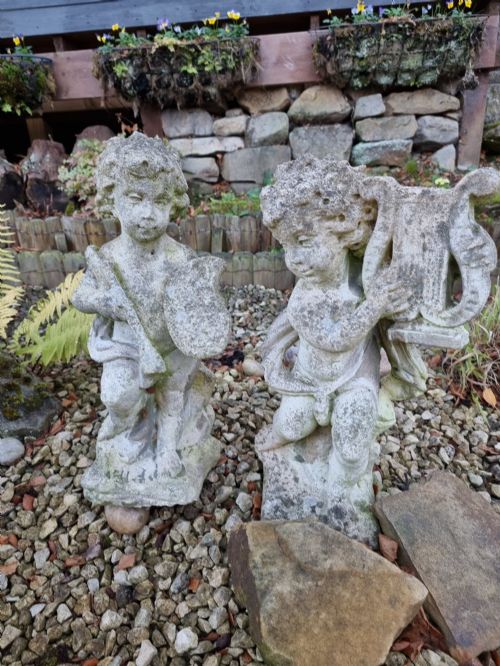
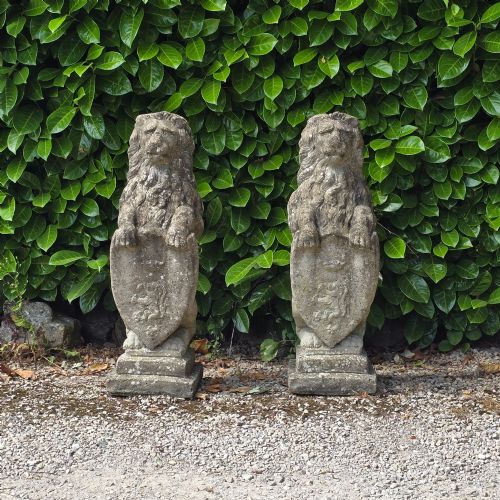
Garden ornaments utilised cast stone, reconstituted stone, and stoneware poured into moulds to replicate traditional carved statues on a larger scale. Original paint finishes and natural weathering contributed patinas over decades of exposure.
The listings span the nineteenth and twentieth centuries, featuring materials from Carrara marble and alabaster to cast stone and soapstone.
What varies in quality
The refinement of the carving dictates the distinction between standard ornaments and superior sculptural works, particularly in the rendering of hands, eyes, and drapery folds. Finer pieces demonstrate a thorough understanding of human or animal anatomy.
Material selection separates simple cast items from carved Carrara marble or translucent alabaster masterworks. The depth of weathering and the integrity of original surface paint further influence the character of outdoor statuary.
Hamo Thornycroft·A. Gamay·Raffaelo Monti·Mieczyslaw Leon Zawiejski
The Vintage Stone Statue Glossary
- Reconstituted stone
- A manufactured material composed of crushed stone or aggregate mixed with a binder to replicate natural carved stone. It is commonly utilised for durable garden ornaments and animal figures.
- Alabaster
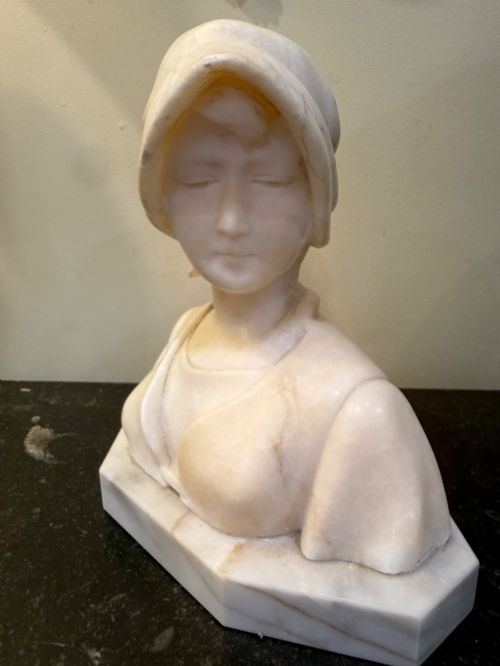
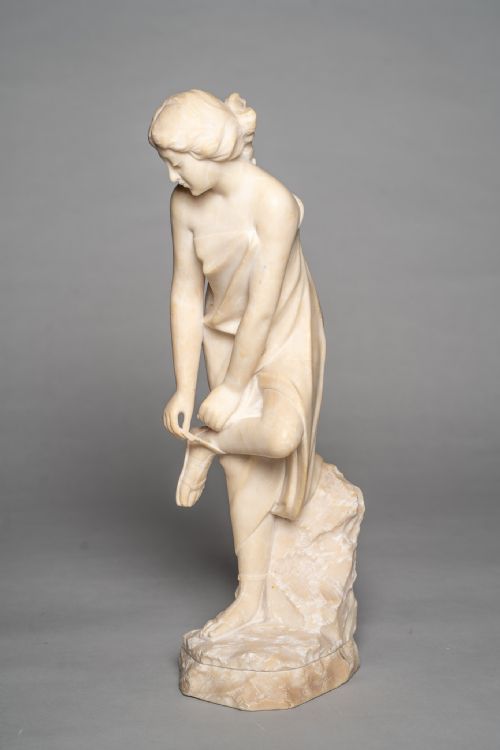
- A fine-grained stone used for interior portrait busts and reclining figures due to its smooth surface and translucent qualities. It requires indoor placement to prevent moisture damage.
- Animalier
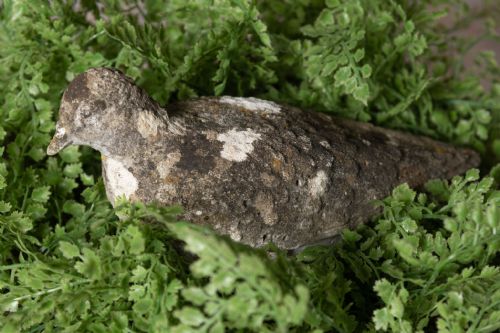
- A nineteenth-century artistic style focusing on the realistic portrayal of animals, seen in studies of lions, horses, and birds. Sculptors captured creatures in dynamic or resting poses.
- Neoclassical
- A revival style drawing inspiration from classical Greek and Roman art, evident in figures of Venus, Athena, and allegorical representations of the seasons. It prioritises balance, proportion, and classical drapery.
- Composite stone
- A moulded material combining stone dust with resins or cements to create architectural ornaments and garden statues. This technique allows for detailed replication of historical forms.
Vintage Stone Statue: Frequently Asked Questions
Can these statues stay outside?
Hardier materials such as cast stone, reconstituted stone, and stoneware withstand outdoor conditions and develop organic weathering over decades in the garden.
Softer materials including alabaster and fine marble dissolve or stain outdoors and require interior display conditions away from frost and moisture.
How do I clean a marble bust?
Dusting with a soft dry brush removes surface particles without disturbing the stone or any remaining historic patina.
Harsh chemical cleaners strip original finishes and damage porous surfaces, so conservation experts advise consulting a professional for deep cleaning.
What is the difference between cast stone and carved marble?
Carved marble represents a unique sculpture hewn directly from a solid block of stone by a craftsman or named artist.
Cast stone is formed by pouring aggregate mixtures into moulds, enabling the production of matching garden ornaments like pairs of lions.
Where were these sculptures made?
European workshops in Italy, France, and Britain produced the majority of the neoclassical figures, architectural columns, and garden statues.
Other regional traditions are represented by Chinese carved stone bird groups and Indian soapstone studies of ceremonial elephants.