

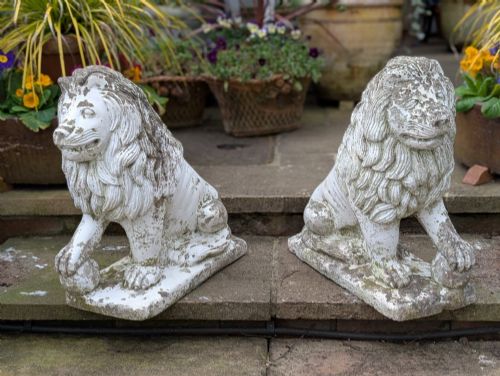
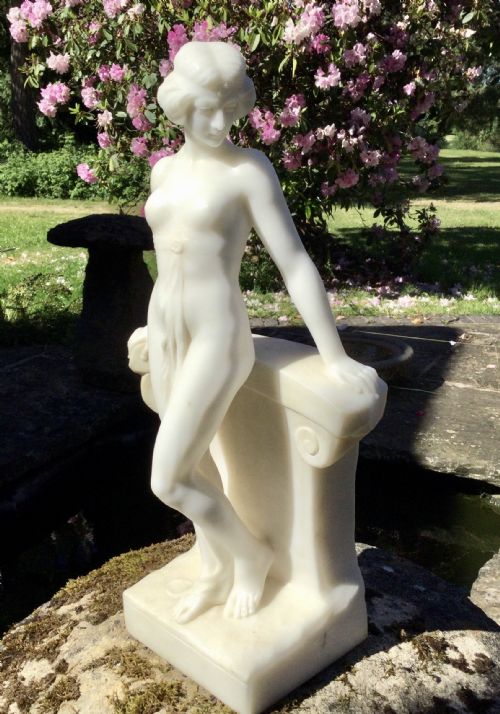


White Stone Garden Statue
A white stone garden statue anchors an outdoor space with classical gravity, bringing enduring sculptural presence to lawns and terraces.
White Stone Garden Statue
A white stone garden statue brings classical sculpture directly into the open air, drawing on forms from the seventeenth to the mid-twentieth century. When you search for this phrase, you encounter substantial garden statuary, architectural figures, and grand terrace ornaments designed to weather the seasons.
The selections span distinct historical eras, with nineteenth-century Italian and French examples appearing alongside pieces from the seventeenth and mid-twentieth centuries. Common forms include lions, classical maidens, conservatory figures, and carved busts modelled after earlier works.
Makers and sculptors utilised traditional subjects such as the Medici lion and mythological scenes like Una and the lion. These pieces range from life-sized architectural sculptures to monumental pairs intended for formal gardens and grand settings.
How they were made
Sculptors carved these figures directly from solid marble, including Carrara marble, yielding crisp detail and a smooth surface that patinates outdoors over decades. Artisans also utilised cast, composite, and reconstituted stone, pressing aggregate materials into moulds to create heavy garden ornaments.
White Stone Garden Statue Retail Price Guide 2026
Typical asking prices for white stone garden statue among the pieces listed under this phrase on Sellingantiques today, from the lower quarter to the upper quarter. They describe what is for sale here now, not the wider market.
Listings feature items spanning the 17th century through to 1950, utilising materials such as Carrara marble, reconstituted stone, and paint.
What varies in quality
The distinction between a standard garden ornament and a superior sculpture lies in the depth of hand-carving and anatomical proportion. Direct carving from solid marble achieves a liveliness in drapery and expression that moulded composite stone cannot replicate.
Age and provenance further separate pieces, as seventeenth and nineteenth-century examples carry historical weight from grand tour collections. The fidelity of the rendering, particularly in complex subjects like paired lions or human figures, dictates the standing of each piece.
The White Stone Garden Statue Glossary
- Carrara marble
- A type of white or blue-grey marble quarried in the city of Carrara in Tuscany, Italy. Sculptors have utilised this fine-grained material since antiquity for classical statues and architectural elements.
- Reconstituted stone
- A manufactured material made from crushed stone mixed with a binder to create durable garden statuary. This technique allows workshops to cast complex forms efficiently while maintaining a stoney texture.
- Neoclassical
- A Western cultural movement drawing on the art and culture of classical antiquity. In garden statuary, this style manifests in restrained, symmetrical figures and classical maidens.
- Medici lions
- A pair of marble sculptures of lions, one with its paw on a sphere, originally created in ancient times and replicated during the Renaissance. They became a standard motif for grand country house entrances and gardens.
- Grand tour
- A traditional trip of Europe undertaken by upper-class European young men of sufficient status. Travellers frequently acquired marble busts and small sculptures to bring home as proof of their cultural education.
White Stone Garden Statue: Frequently Asked Questions
How do I care for a marble statue outside?
Marble statues withstand outdoor placement well, though regular gentle washing prevents organic growth like moss from staining the stone. Protecting vulnerable extremities during freezing winter months prevents frost damage.
Positioning the statue on a stone plinth or dry foundation rather than directly on damp earth also helps preserve the material over decades.
Are these statues suitable for indoor display?
Many of these pieces, particularly grand conservatory figures and carved busts, sit comfortably inside large rooms or entrance halls. Their substantial weight requires secure placement on sturdy floors or reinforced surfaces.
Placing them indoors protects them from weathering and retains the crispness of the original carved details.
What is the difference between cast stone and carved marble?
Carved marble is reduced by hand from a single block of stone, leaving subtle chisel marks and unique artistic variations. Cast stone is formed by pouring a mixture of aggregate and cement into a mould.
Carved pieces generally represent older artisanal traditions, whereas cast stone offers durable uniformity for garden use.
How can I tell a nineteenth-century statue from a newer one?
Nineteenth-century pieces often exhibit the weathering patterns, tool marks, and stylistic traits associated with the grand tour era and classical revival. Examining the mineral composition and surface erosion provides clues to age.
Archival subjects and specific historical motifs like Medici lions further anchor pieces within particular centuries.