


Cold Painted Metal Figures
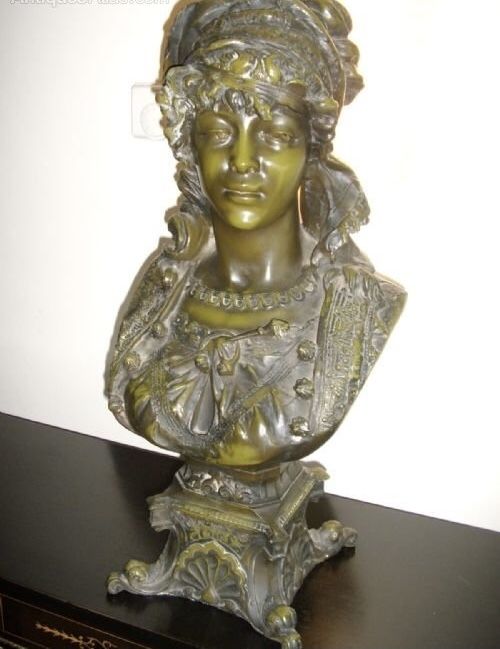
Cold painted metal figures bring colour and character to a room, cast in bronze or spelter and finished with painted detail.
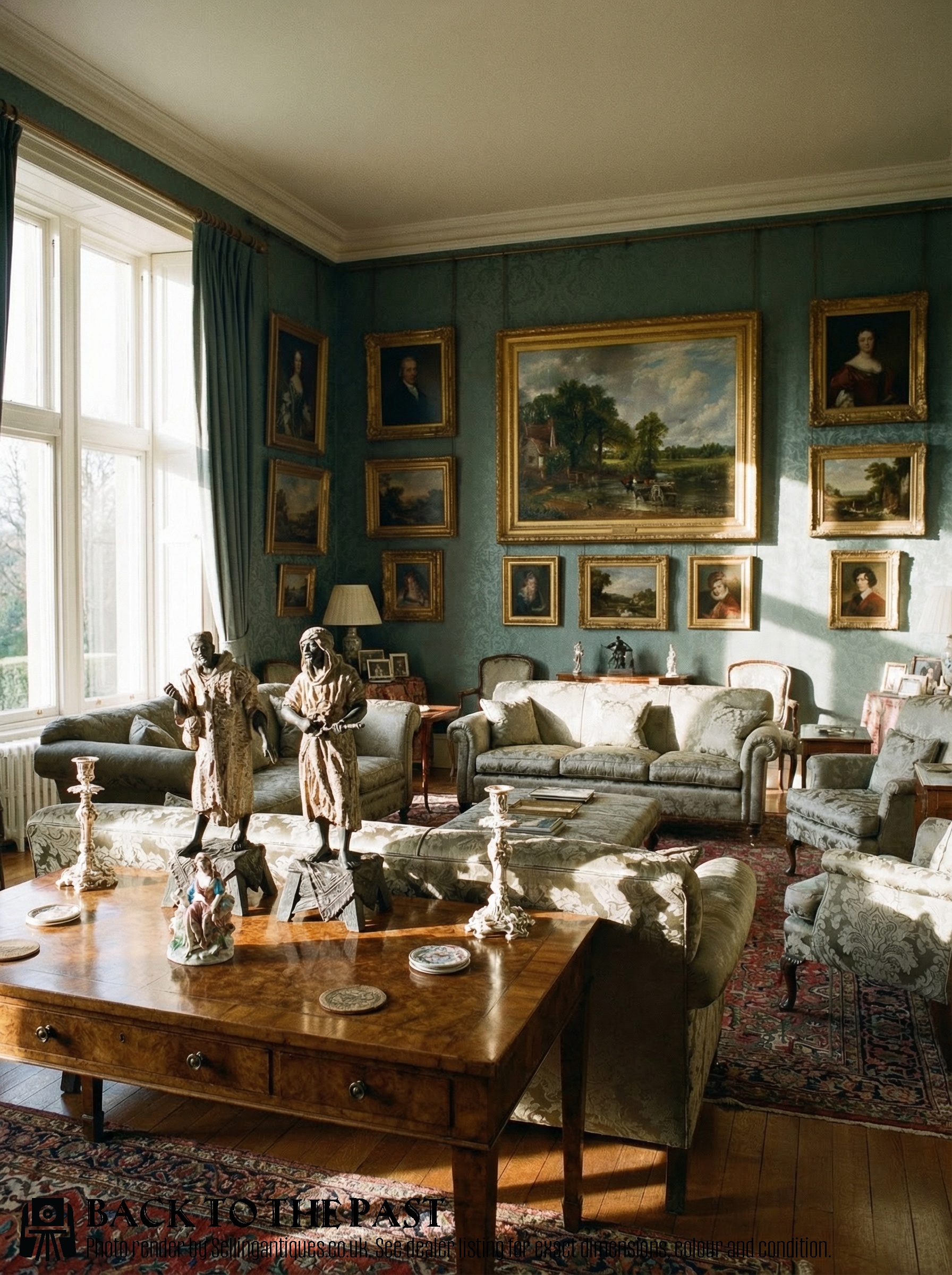
Cold Painted Metal Figures
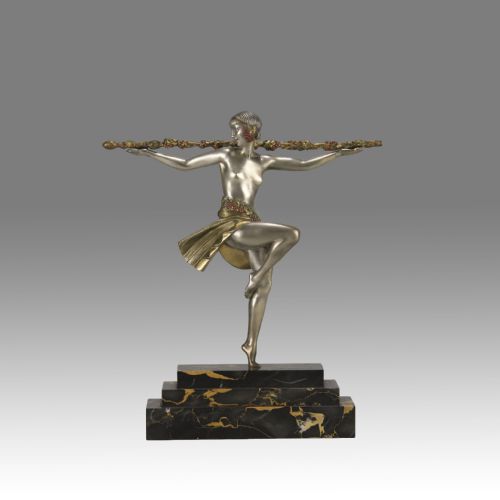
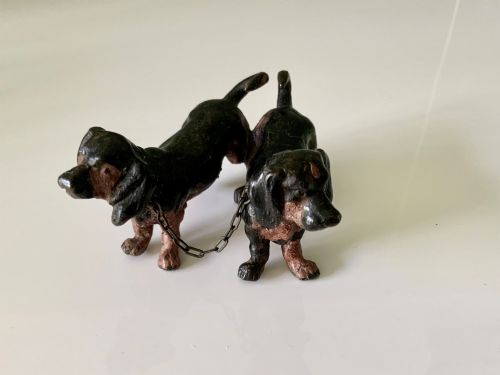
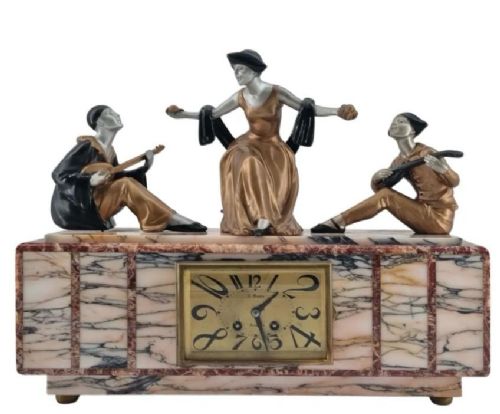
Cold painted metal figures encompass a diverse range of decorative objects, from animal figurines and desk accessories to mantle clocks and human sculptures. Buyers searching for cold painted metal figures encounter items originating from the nineteenth century through the Art Deco era of the nineteen thirties.
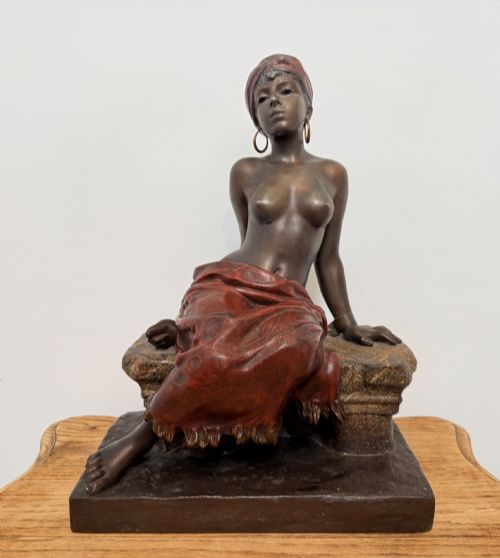
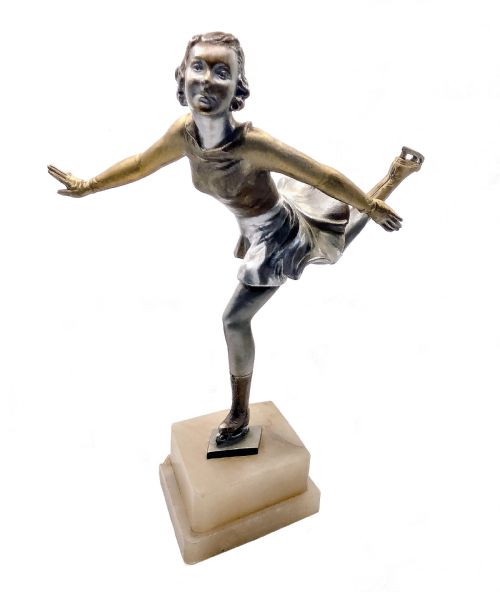
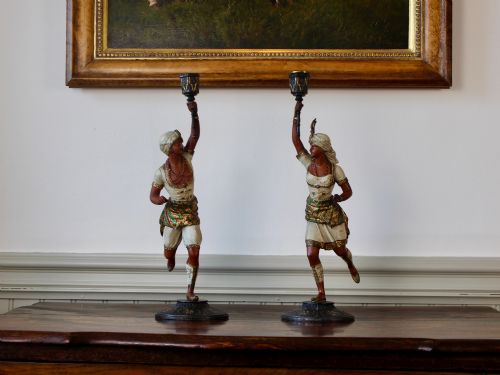
The selections span distinct cultural and aesthetic movements, including Orientalist subjects, Vienna bronze traditions, and Art Nouveau designs. Animal subjects, human dancers, and practical items such as inkwells and pin cushions appear frequently across the period spans.
Materials and construction
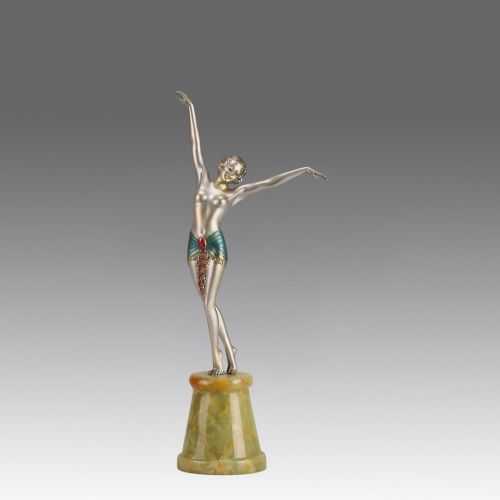
Foundries cast these objects primarily in bronze or spelter, sometimes mounting the finished metal on bases of marble or onyx. Artisans applied polychrome paint without firing the metal afterwards, leaving a distinctive surface coating applied directly to the cast form.
Makers utilised enamel and specialised cold paint to render intricate details on figures of birds, dogs, human dancers, and architectural subjects. Many pieces combine metal casting with functional elements like match strikers, desk tidies, and inkstands.
Materials documented across the inventory include bronze, spelter, onyx, marble, and enamel.
Evaluating the craftsmanship
The integrity of the cold paint finish significantly influences the character of the piece, as applied pigments are prone to wear over time. Heavier base materials, such as solid bronze combined with marble or onyx mounts, generally indicate superior production standards compared to lighter spelter alternatives.
Pierre le Faguays·Josef Lorenzl·Henry Wissen Senior·Franz Bergman·Jennings Brothers·Geo Maxim
The Cold Painted Metal Figures Glossary
- Cold-painted bronze
- Metal sculpture cast in bronze and decorated with unfired paint layers. This technique was widely utilised by Austrian foundries.
- Spelter
- A zinc alloy used as a less expensive alternative to bronze for figural casting. It frequently serves as the base material for Art Deco and Victorian decorative objects.
- Vienna bronze
- Small-scale bronze figures produced in Austrian workshops, renowned for realistic animal studies and Orientalist subjects. These pieces often feature detailed cold-painted polychrome finishes.
- Animalier
- A nineteenth-century artistic style focusing on the realistic portrayal of animals. Figures in this style capture creatures in natural poses.
- Desk tidy
- A functional desk accessory designed to hold writing instruments, stamps, or small stationery. These items often incorporate cast metal figures or animal studies.
Cold Painted Metal Figures: Frequently Asked Questions
How do I clean cold painted metal figures?
Dust these items gently with a dry, soft brush to protect the delicate unfired paint surface from damage.
Avoid liquid cleaners, moisture, or chemical solvents, which can strip the original polychrome finish entirely.
What is the difference between bronze and spelter?
Bronze is a durable copper alloy that holds fine casting detail and supports higher-quality artistic production.
Spelter is a softer, zinc-based metal utilised for commercial figures, mantel clocks, and decorative objects during the nineteenth and twentieth centuries.
Where were Vienna bronzes made?
Vienna bronzes originated in Austrian foundries during the late nineteenth and early twentieth centuries.
These workshops specialised in miniature animal figures, humorous scenes, and Orientalist subjects finished with detailed cold paint.
How can I date these metal figures?
Dating relies on stylistic markers such as Victorian realism, Art Nouveau curves, or geometric Art Deco forms.
Foundry marks, signatures, and associated materials like onyx or marble bases also help establish the production period.