
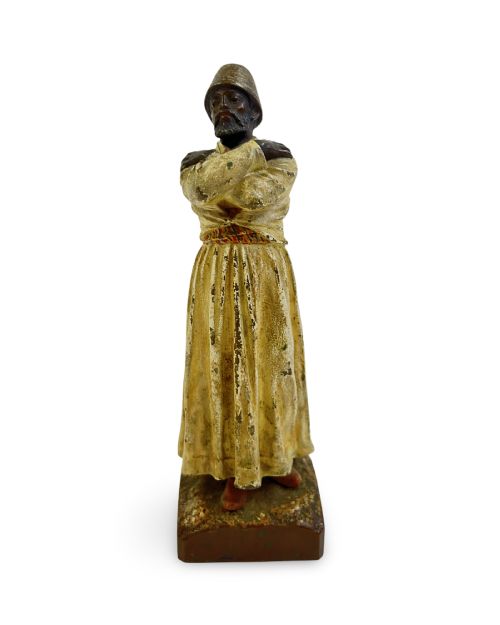


Vintage Orientalist Sculptures
These vintage orientalist sculptures capture distant lands through figures like whirling dervishes, snake charmers and samurai warriors.
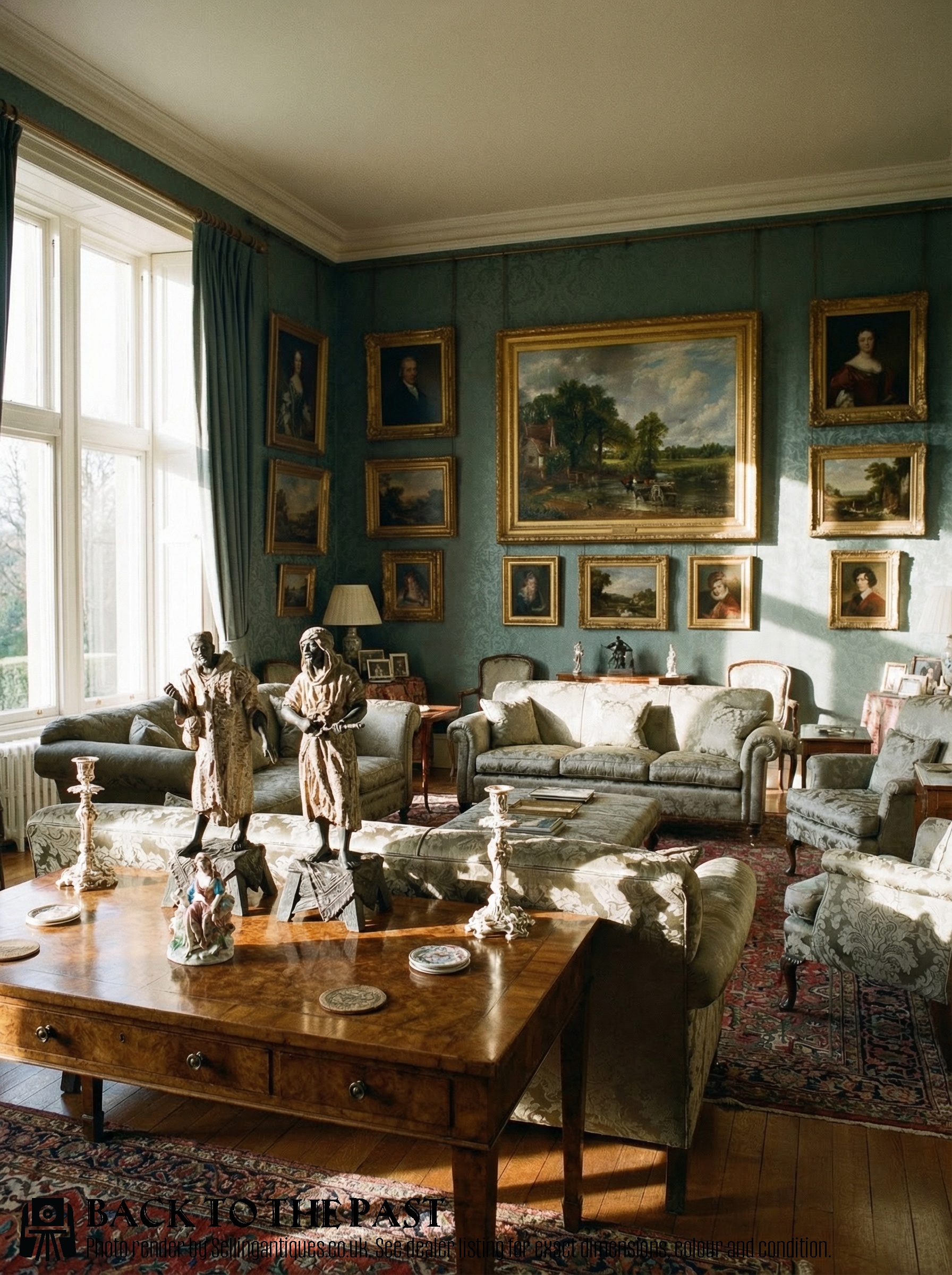
Vintage Orientalist Sculptures
Vintage orientalist sculptures encompass figurative works and lamps shaped by nineteenth century and early twentieth century visions of the East. These pieces range from Victorian bronze figures and Staffordshire pottery to Art Deco alabaster dancers and porcelain table lamps.
The selections here frequently showcase subjects like Arab boys, water carriers and sword merchants cast in bronze or moulded in porcelain. Makers utilised materials from patinated bronze to cold paint and gold leaf to render elaborate garments and textures.
How they were made
Foundries and potteries relied on traditional casting, moulding and hand-painting techniques to achieve rich surface detail. Bronze works often received cold-painted finishes or dark patination, whilst porcelain figures combined detailed hand-painting with polychrome glazes.
Carved pieces utilised softer stones such as alabaster and marble to create smooth drapery and skin tones. Artisans also integrated metalwork, enamel and gold leaf to heighten the decorative impact of lamps and statuettes.
Figurative lamps and table ornaments represent the primary object types found across these global stylistic traditions.
What varies in quality
The integration of functional elements, such as electrical wiring within lamp bases or the preservation of original cold-painted surfaces, marks the distinction between standard decorative items and exceptional collector pieces.
Franz Bergman·Georges-Charles Coudray·Royal Worcester·Argilor Paris·Charles Arthur Bourgeois·Royal Dux·Demetre Chiparus·Carl Thieme Dresden
The Vintage Orientalist Sculptures Glossary
- Cold-painted bronze
- A method where pigment is applied to a finished bronze sculpture without heat bonding, allowing for vibrant polychrome detailing.
- Patinated bronze
- Metalwork treated with chemical solutions to produce a specific surface colour and aged finish before display.
- Orientalism
- An artistic movement depicting subjects, cultures and landscapes from the Middle East, North Africa and Asia through Western eyes.
- Spelter
- A zinc alloy frequently used as a cost-effective substitute for bronze in nineteenth-century decorative figures and lamps.
- Veilleuse
- A type of ceramic night light or perfume lamp popular during the Art Deco period, often pierced to let light escape.
Vintage Orientalist Sculptures: Frequently Asked Questions
What materials are common in these sculptures?
The pieces utilise materials including cast bronze, patinated bronze, glazed porcelain, alabaster and spelter. Many incorporate cold-painted pigments or gold leaf highlights to enhance costumes and decorative elements.
Surfaces often feature hand-painted details or natural stone textures that define the aesthetic of the period.
How do I identify a lamp from a statue?
Lamps include functional elements such as fitted electrical components, perfume reservoirs or openings designed to emit light as seen in veilleuses.
Statues and figurines are solid decorative objects intended purely for display on tables, shelves or mantels.
Are these pieces from the Victorian era?
A significant portion of the selection originates from the nineteenth century, including Victorian bronzes and Staffordshire pottery figures. Other pieces bridge into the early twentieth century and the Art Deco period.
Dates span from the mid-nineteenth century through the nineteen-thirties.
How should I care for cold-painted bronze?
Cold-painted surfaces require gentle dusting with a soft, dry cloth to protect the delicate, unheated pigment layers. Moisture and chemical cleaners must be avoided entirely to preserve the original finish.
Displaying pieces away from direct sunlight prevents fading of the painted details.