

Pair of French Urns
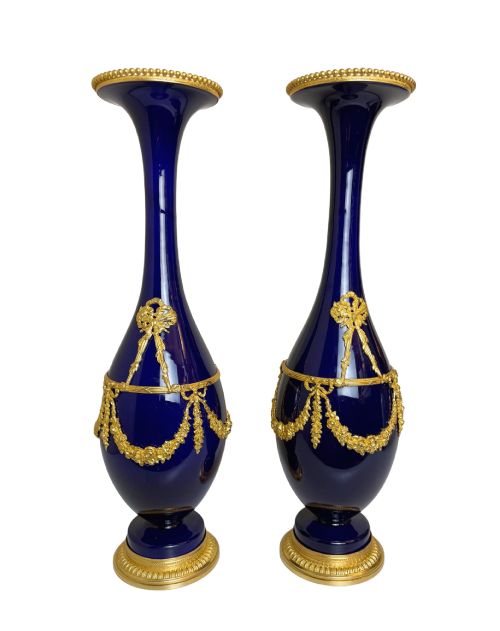
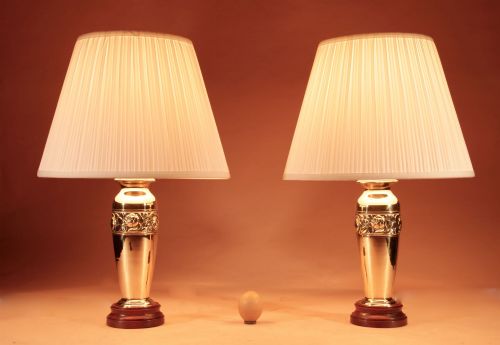
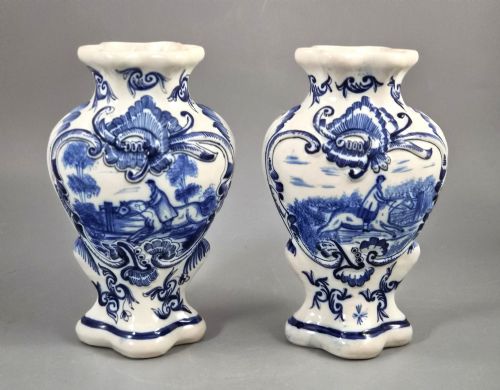
A pair of french urns brings classical symmetry and sculptural presence to an interior, whether cast in bronze, carved in marble, or painted on porcelain.
Pair of French Urns
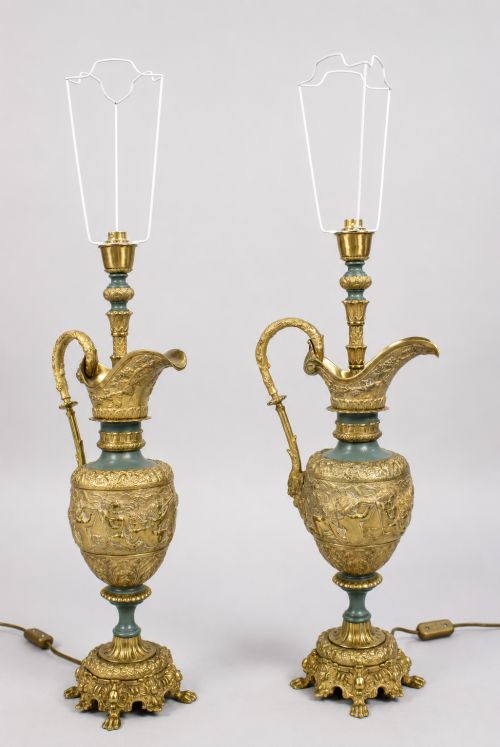
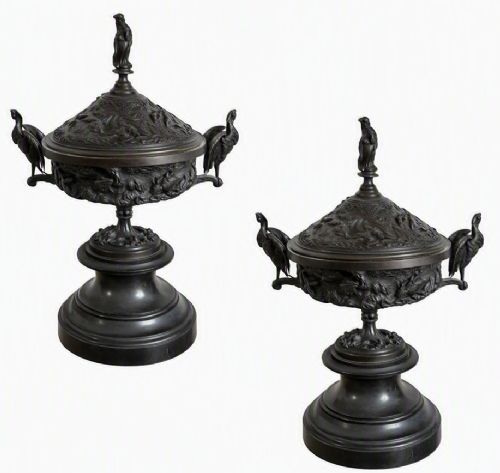
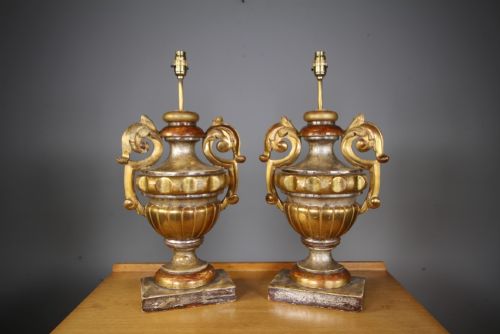
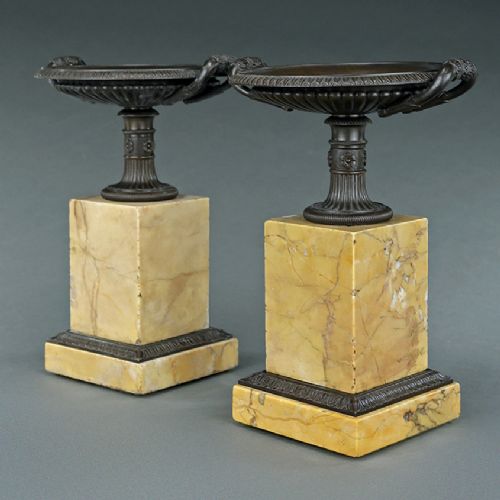
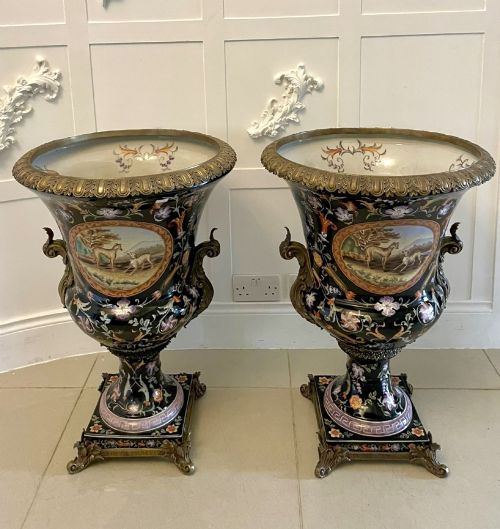
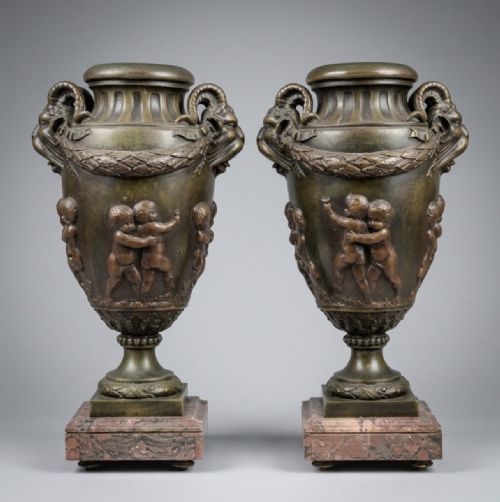
A pair of french urns encompasses traditional vessel forms designed for display, including campana shapes, tazzas, cassolettes, and monumental garden pieces spanning the nineteenth century.
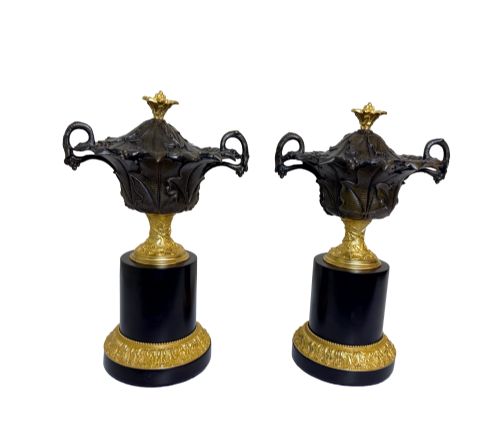
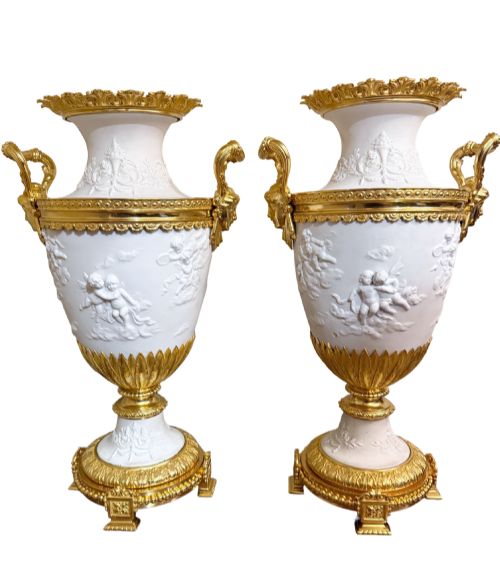
The objects frequently combine multiple materials, mounting porcelain bodies, ceramic bodies, or carved stone within metal frames of gilt bronze and ormolu.
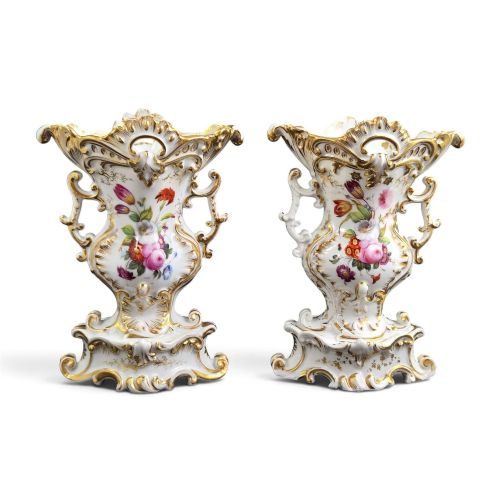
Makers drew heavily on historical idioms, resulting in pieces styled after neoclassical, empire, and rococo revivals alongside later nineteenth century interpretations.
Materials and construction methods
Foundries cast metals such as bronze, brass, spelter, and cast iron, often applying mercury gilding, ormolu, or bronzed patination to enrich the metallic surfaces.
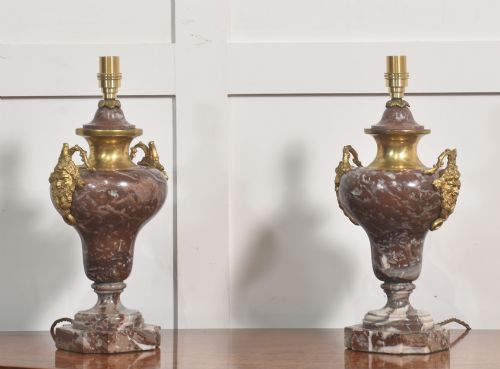
Stone elements utilise varied marbles, onyx, and siena bases, frequently turned on lathes and paired with cast mounts or handles shaped as rams' heads and classical figures.
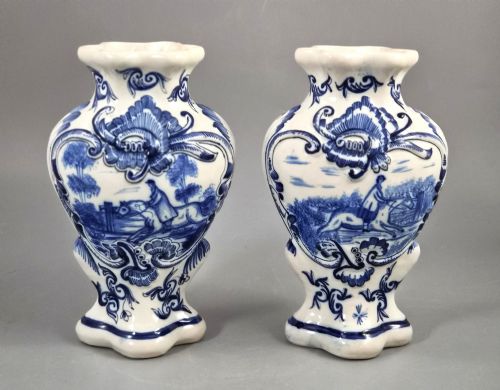
Ceramic components involve hard-paste porcelain, faience, and earthenware, decorated with hand-painted glazes, enamel, and cobalt blue pigments before kiln firing.
Some urns feature clever reversible lids that turn a classical display piece into a secret perfume burner.
Distinctions in craftsmanship
Superior examples demonstrate crisp chasing in the metal mounts, where hand-tooled details remain sharp and distinct rather than soft or cast directly without refinement.
The weight and selection of constituent parts define grade, distinguishing dense natural marbles and heavy fire-gilded bronzes from lighter spelter and painted substitutes.
Painted porcelain components show refinement through careful brushwork, controlled enamel firing, and precise integration with surrounding metal rims and plinths.
Jacob Petit·Fourmaintraux-Courquin·L. Moreau
The Pair of French Urns Glossary
- Ormolu
- A technique of applying finely ground high-carat gold to a bronze object using a mercury amalgam, creating a rich golden surface. The term also describes the gilded bronze mounts themselves.
- Tazza
- A shallow saucer-like vessel raised on a stem and foot, often used for display in classical interiors. These pieces appear frequently in bronze and marble.
- Cassolette
- A decorative vessel with a reversible lid that functions either as an urn or a perfume burner. They often feature dual designs with aperture covers.
- Campana
- A bell-shaped vessel profile derived from ancient Roman pottery forms. This silhouette is common in cast iron and bronze garden or interior urns.
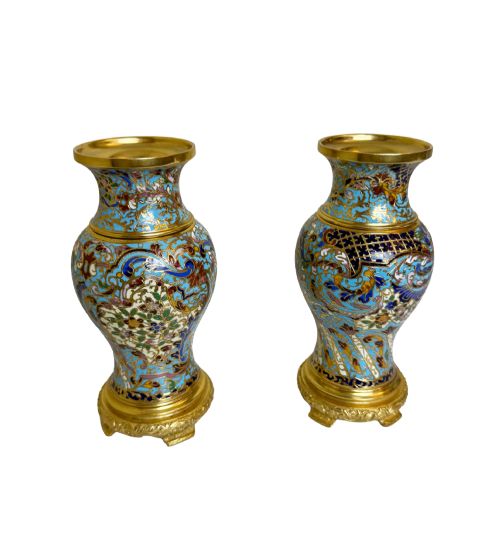
- Champlevé
- An enamelling technique where troughs are dug into a metal surface and filled with vitreous paste before firing. This method creates colourful patterned bands on metal bodies.
Pair of French Urns: Frequently Asked Questions
What is a pair of french urns?
These decorative objects are matching ornamental vessels created primarily in nineteenth century France for interior display. They draw upon classical Greek and Roman forms, adapted through successive design revivals.
Craftsmen produced them in diverse media, ranging from cast metals and carved marbles to glazed porcelains and faience ceramics. Their symmetrical pairing made them ideal for mantelpieces, sideboards, and architectural settings.
How were they used historically?
Originally created as ornamental centerpieces for grand rooms, these vessels signalled classical learning and refined taste during the nineteenth century. Certain forms, such as cassolettes, doubled as perfume burners for domestic spaces.
Others served purely architectural functions on furniture or mantels, establishing visual balance within formal room layouts. Garden variants occupied stone pedestals and terraces in landscape designs.
How do I live with them?
Display these vessels symmetrically on console tables, mantelpieces, or pedestals where their matched proportions can create a strong focal point. Placing them against neutral walls allows the details of the bronze mounts or painted surfaces to stand out clearly.
Ensure they rest on stable, secure surfaces capable of supporting substantial marble and metal weights. Regular dusting with a soft, dry cloth preserves delicate gilt surfaces and patinated finishes.
How do I tell periods apart?
Early nineteenth century examples often reflect strict neoclassical or empire restraint, favouring dark patinated bronzes and siena marble. Mid-century pieces introduce bolder rococo revival curves and polychrome porcelain decoration.
Later nineteenth century designs frequently combine eclectic historicism with complex champleve enamel or spelter construction. Examining the casting quality and mounting style helps anchor the piece within these stylistic shifts.