



Antique French Painted Tin
Antique french painted tin brings together painted metalwares and tin-glazed earthenwares from French provincial and country traditions, offering distinct hand-painted charm for everyday display.
Antique French Painted Tin
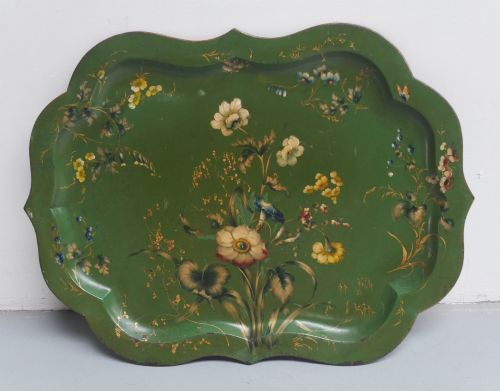
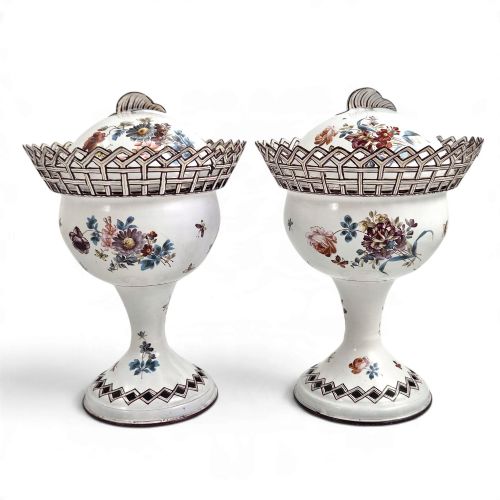
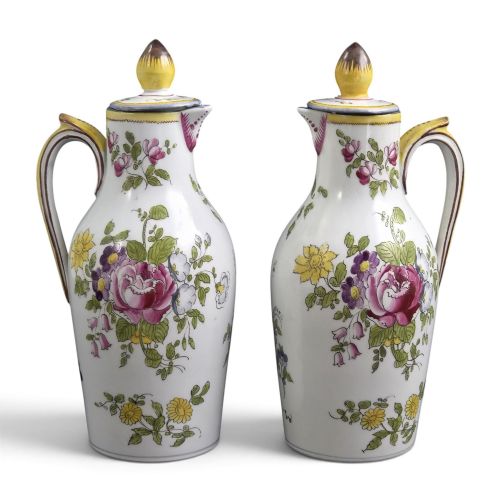
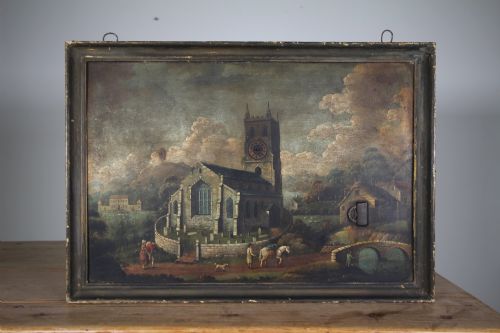
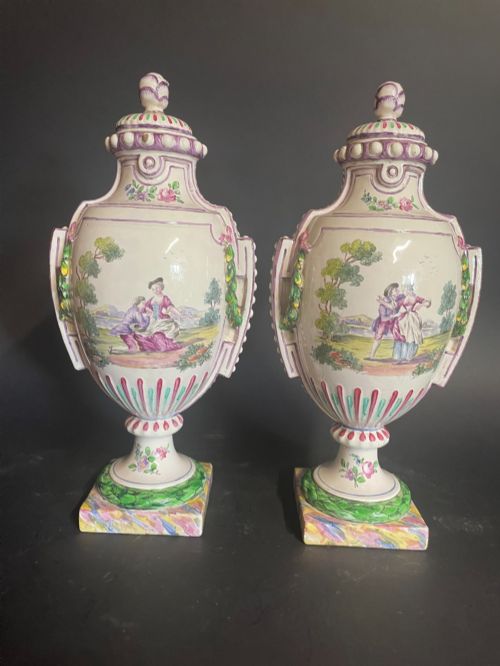
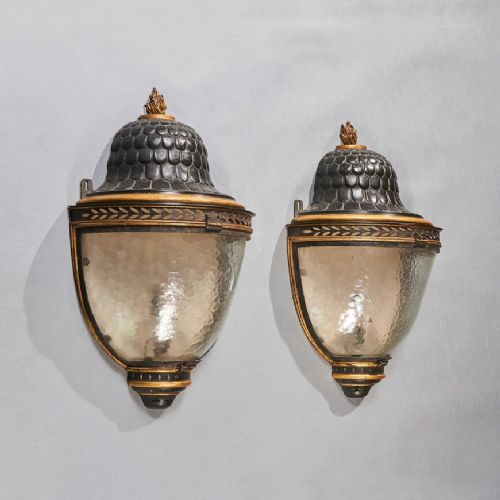
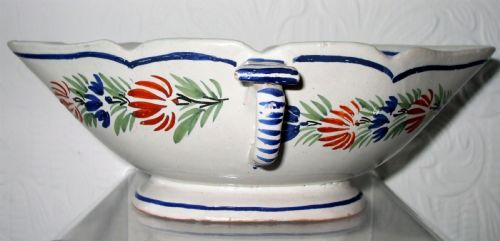
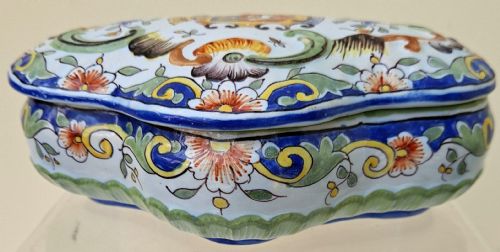
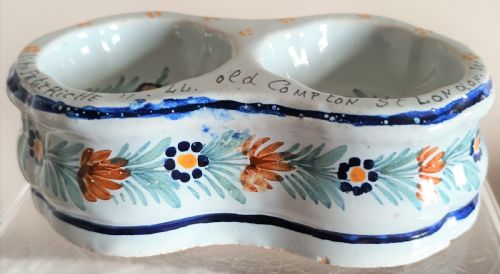
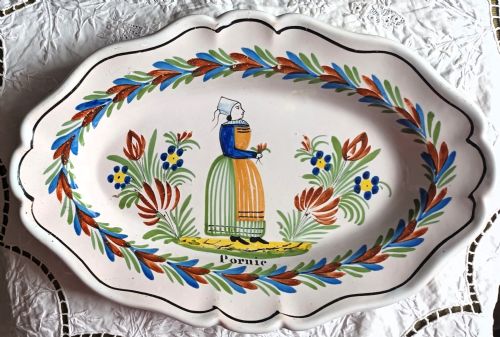
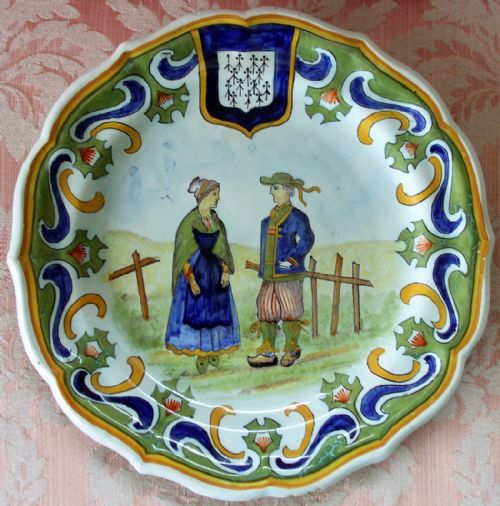
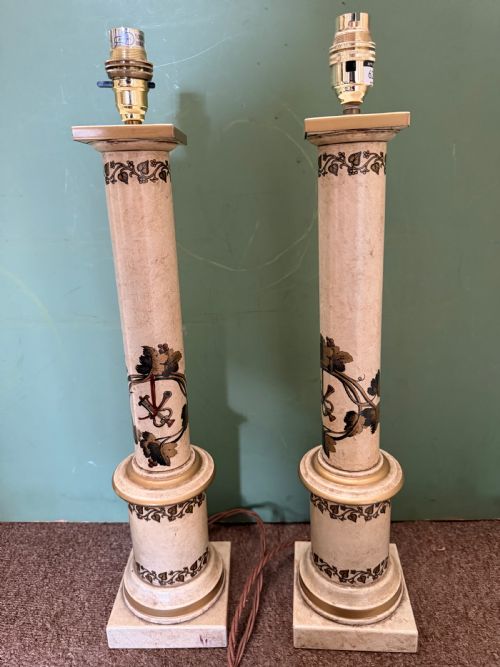
Antique french painted tin encompasses decorative toleware items such as painted metal trays, wall lanterns, urns, lamps, and grocery hoppers alongside tin-glazed earthenwares like faience dishes, ewers, and apothecary jars. These pieces emerge from periods spanning the eighteenth through the early twentieth centuries, reflecting diverse provincial workshops and regional centres.
The objects serve both decorative and functional purposes, ranging from large chestnut urns and column lamps to small trinket boxes, salt cellars, and sauceboats. Buyers encounter both metal tole peinte items finished with pigmented paint and ceramic vessels bound by tin glaze.
Regional variations appear across output from potteries in Quimper, Desvres, Gien, Marseille, and Nevers, alongside utilitarian metal objects shaped for domestic and shop interiors.
How they were made
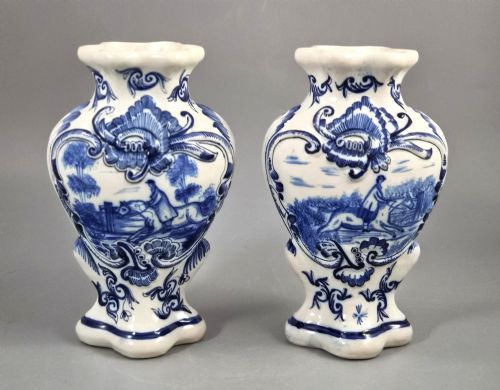
Metal items rely on shaped sheet metal coated with paint or decorated as tole peinte, sometimes incorporating parcel gilding, brass rims, and inset fittings. Ceramic pieces utilise earthenware bodies covered in a white tin glaze that accepts hand-painted pigments in polychrome or blue and white.
Makers shaped tin-glazed earthenware forms like plates, bowls, and ewers before firing and glazing, applying hand-painted scenes directly onto the absorbent tin glaze surface. Toleware items required careful metal fabrication followed by skilled surface painting and protective varnishing.
Antique French Painted Tin Retail Price Guide 2026
Typical asking prices for french painted tin among the pieces listed under this phrase on Sellingantiques today, from the lower quarter to the upper quarter. They describe what is for sale here now, not the wider market.
What varies in quality
Quality rests upon the crispness of hand-painted detail and the preservation of the original painted surface or tin glaze. Superior examples display confident brushwork on faience plaques and vessels, or well-maintained paint layers on tole peinte urns and lamps.
Construction integrity separates standard utility objects from finer decorative items, particularly in the retention of original brass rims, covers, and structural mounts on metal hoppers and lanterns.
Fourmaintraux-Courquin·Veuve Perrin Marseille
The Antique French Painted Tin Glossary
- Toleware
- Painted or lacquered metalware, often abbreviated from the French tole peinte. This technique decorated tinplate objects with layered pigments for domestic display.
- Tin Glaze
- A ceramic glaze made opaque by the addition of tin oxide. It provides a smooth white background for hand-painted decoration.
- Vide-Poche
- A small shallow dish designed for emptying pockets. These items appear frequently in nineteenth-century French ceramics.
- Polychrome
- Decoration employing multiple colours. Painters applied various mineral pigments onto the unfired or glazed surface.
Antique French Painted Tin: Frequently Asked Questions
What is antique french painted tin?
This category covers antique metal toleware items alongside tin-glazed ceramic pieces originating from France.
It spans utilitarian containers, lighting, and decorative tableware produced from the eighteenth to the early twentieth century.
How do I clean toleware and faience?
Painted metal and tin-glazed surfaces require gentle dusting with a dry microfibre cloth to protect the fragile finish.
Moisture and harsh chemical cleaners must be avoided entirely to prevent paint loss and glaze crazing.
Where were these pieces made?
Items originate from various French regions, including pottery centres like Quimper, Desvres, Nevers, and Marseille.
Metal objects and painted wares also emerged from provincial workshops across the country during the eighteenth and nineteenth centuries.
How can I date my piece?
Dating relies on stylistic markers, maker marks on ceramic bases, and the physical characteristics of the metal or earthenware body.
Eighteenth-century examples often display distinct hand-painted palettes and glaze pooling compared to later nineteenth-century production.