


Pair French Bedside Lamps
When you search for pair french bedside lamps, you are looking at dual lighting designed for twin tables, combining continental decoration with domestic utility.
Pair French Bedside Lamps
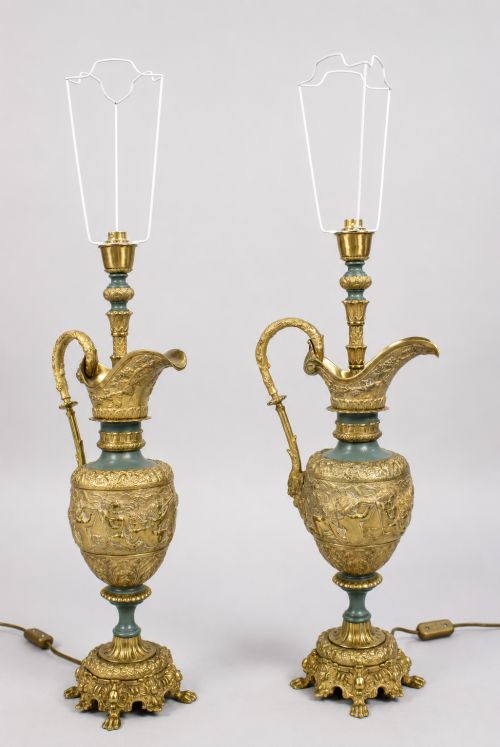
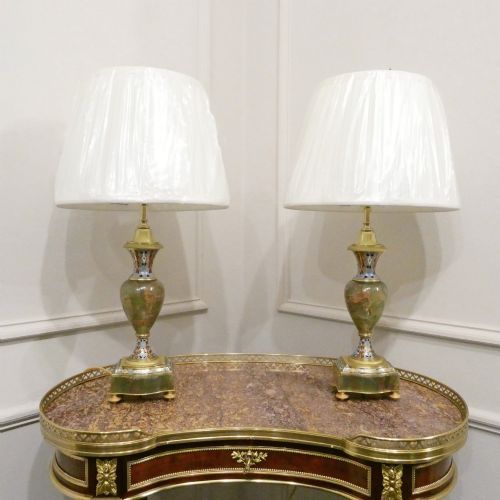
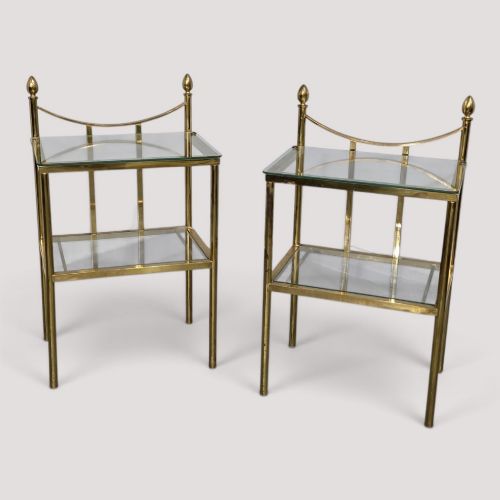
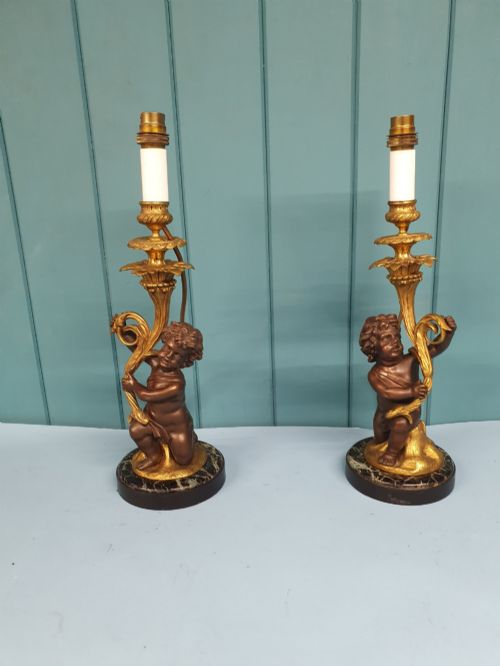
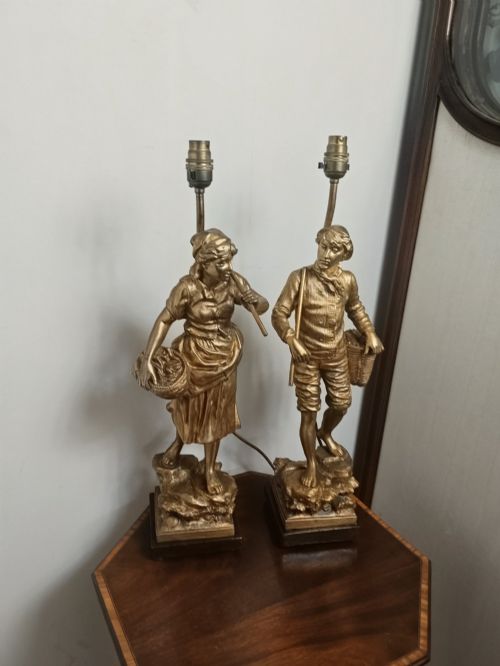
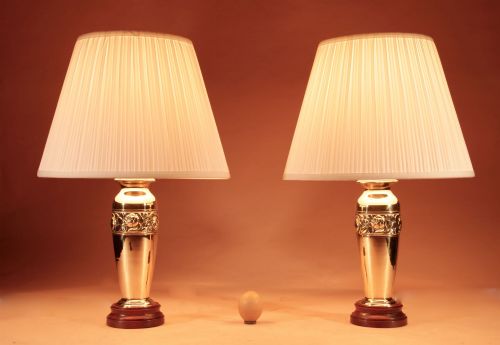
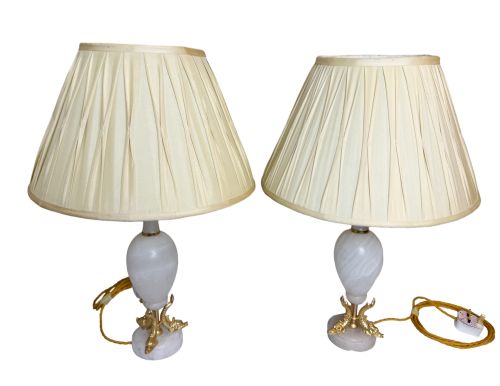
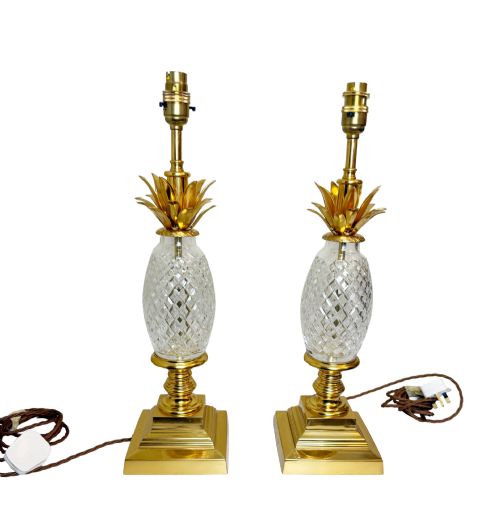
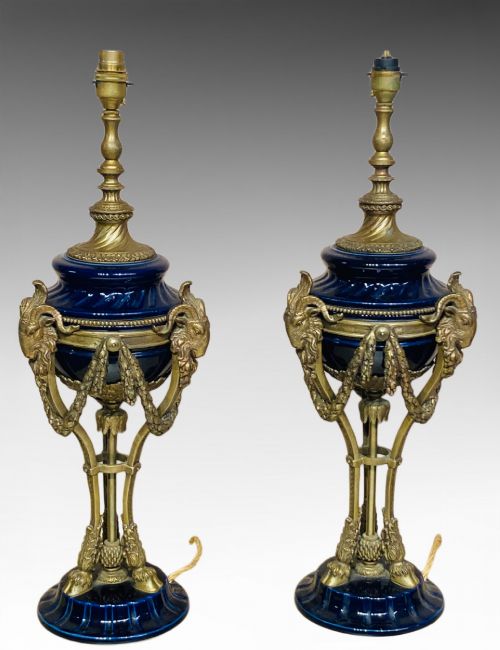
When hunting for pair french bedside lamps, buyers encounter lighting fixtures spanning the late nineteenth century through to the art deco period of the nineteen-thirties. The selection includes cast metal figures, carved giltwood, and porcelain urns adapted for electrical illumination alongside matching small tables designed to hold them. These objects originate from French workshops adhering to traditional stylistic revivals including Louis XVI and rococo forms.
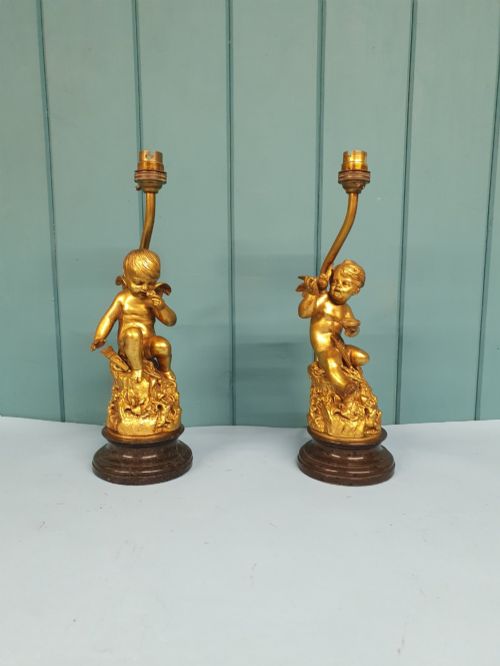
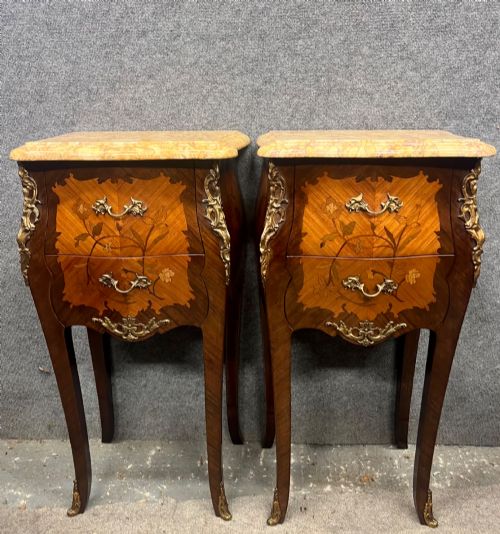
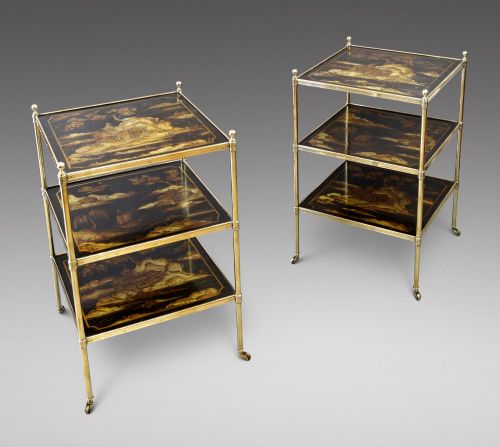
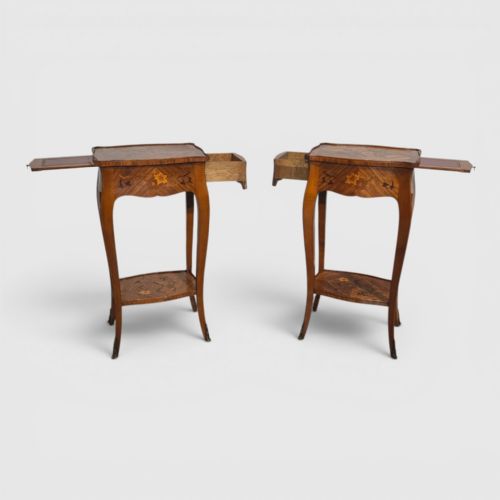
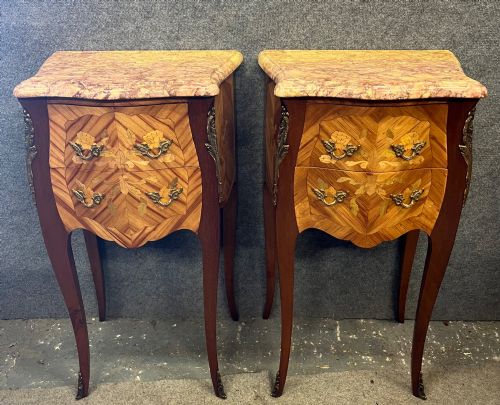
The objects listed under pair french bedside lamps divide principally into two categories: lighting fixtures themselves, such as cast ormolu and onyx candlesticks, and companion furniture pieces like marquetry lamp tables and marble-topped bedside cabinets. Many examples incorporate decorative motifs such as cherubs, ewers, and crystal droplets reflecting continental interior aesthetics of the eighteen-eighties to nineteen-thirties.
How they were made
Maker workshops utilised cast metals such as brass, bronze, and gilt bronze alongside natural stones including marble and onyx to achieve weight and decorative presence. Ormolu mounts were meticulously applied to porcelain bodies, glass columns, and carved wooden structures to create distinct textural contrasts.
Cabinetmakers constructed bedside tables from walnut, kingwood, and timber frames decorated with intricate marquetry inlay and topped with shaped marble slabs. Surface finishing involved fire gilding, polishing, and mounting cast brass elements with pins and screws onto the primary material.
Several pairs feature cherubs cast in solid brass, steadfastly holding up twentieth-century electrical fittings without a hint of fatigue.
What varies in quality
Quality rests in the crispness of the metal casting and the depth of the fire gilding or ormolu finish applied to the bronze and brass components. Finer examples display hand-chased detail on figurative elements like cherubs and floral mounts, whereas lesser pieces exhibit softer contours from worn moulds.
The selection of materials marks a clear division, with genuine rouge marble, matched marquetry veneers, and solid onyx commanding higher regard than moulded plaster or simpler timber constructions. Matching components within the pair must exhibit uniform patination and identical casting proportions to maintain visual harmony.
E Rousseau
The Pair French Bedside Lamps Glossary
- Ormolu
- Gilded bronze, where finely ground high-carat gold is applied to a bronze base using a mercury amalgamation technique or electroplating. This finish provides a warm, enduring metallic lustre characteristic of continental decorative arts.
- Champleve
- An enamelling technique where troughs or cells are sunk into the surface of a metal object and filled with vitreous enamel powder before firing. The resulting surface displays colourful decorative patterns flush with the surrounding brass or bronze.
- Marquetry
- The art and craft of applying small pieces of veneer to a structural structure to form decorative patterns and pictures. Cabinetmakers utilise different coloured woods to achieve tonal depth without relying on paint.
- Ewer
- A large jug with a wide spout traditionally used for carrying water, which nineteenth-century lamp makers frequently converted into table lighting bases. These vessels often feature classical handles and pedestal feet.
- Kingwood
- A dense, heavy timber native to Brazil displaying rich violet-brown colours with dark stripes, favoured by French cabinetmakers for high-end eighteenth and nineteenth-century furniture. It takes a high polish and resists wear.
Pair French Bedside Lamps: Frequently Asked Questions
How tall should bedside lamps be?
Bedside lamps need to sit at a height that allows comfortable reading while seated or lying down, generally clearing the mattress top by a suitable margin.
Matching pairs from the nineteenth and early twentieth centuries vary considerably in height, so measuring the surrounding bedside furniture remains essential before purchase.
Were these always electric lamps?
Most antique lighting pieces in this category began life as oil lamps, candles, or gas fixtures before being converted to electricity during subsequent decades.
Rewiring is standard practice for older metal and porcelain fixtures to ensure they meet modern domestic safety standards.
How do I match lamps with tables?
Pairing lighting with companion furniture involves balancing the visual weight of the materials, such as placing ormolu-mounted marble lamps upon matching marble-topped bedside chests.
Consider the footprint of the lamp base relative to the surface area of the table to maintain proportion in the bedroom layout.
What defines Louis XVI style?
Louis XVI style relies on neoclassical geometry, straight tapering legs, and restrained classical ornamentation rather than the flowing curves of earlier rococo designs.
In lighting and furniture, this translates to symmetrical bronze mounts, urn motifs, and crisp architectural lines.