


19th Century Table Lights
These 19th century table lights bring period illumination and refined metalwork into a room, offering both practical light and sculptural presence.
19th Century Table Lights
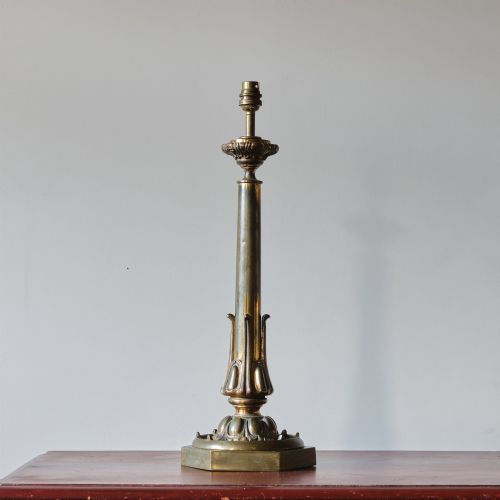
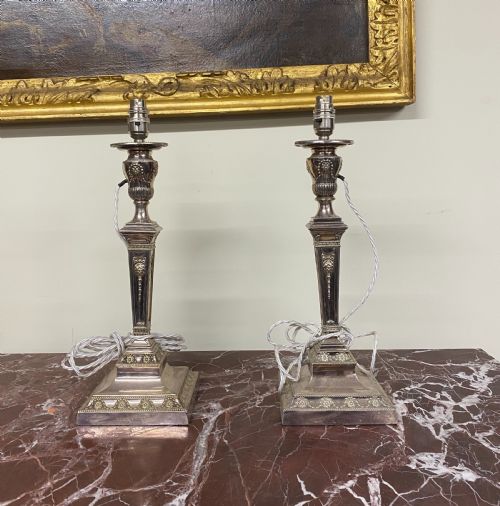
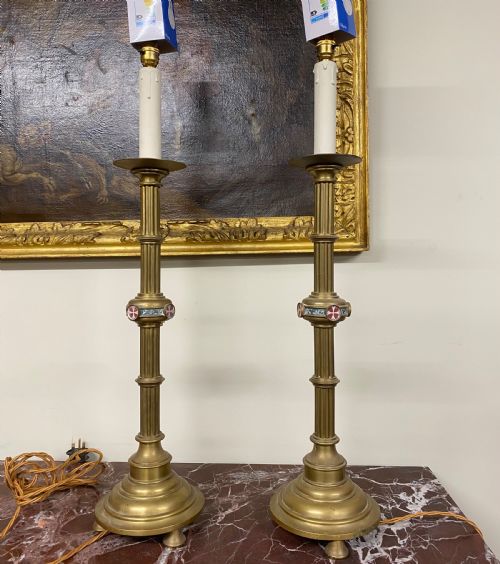
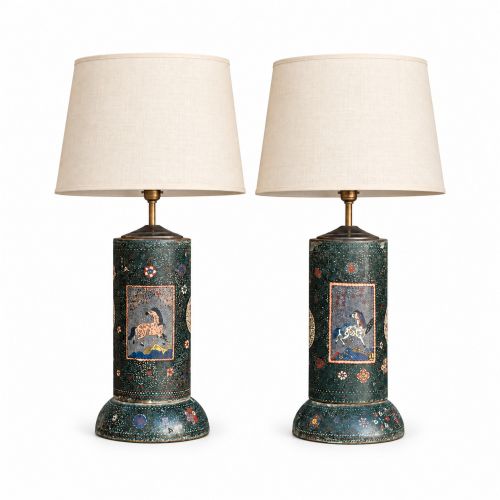
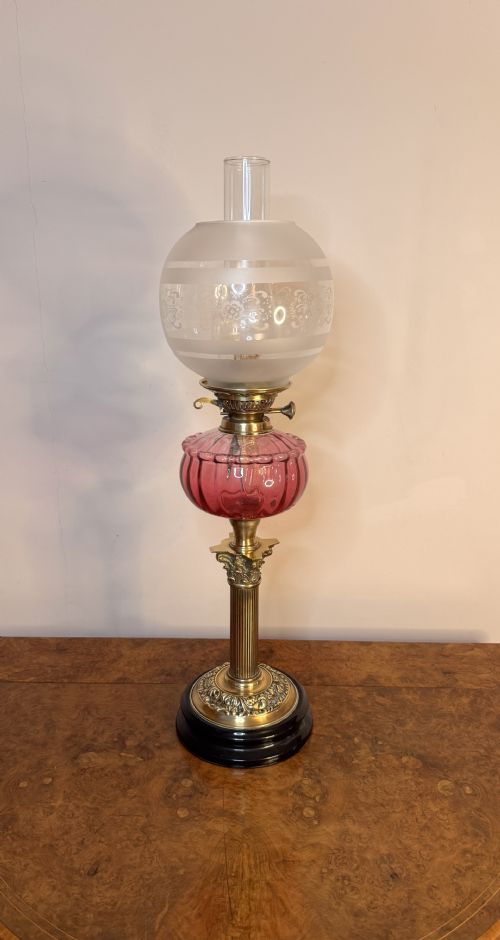
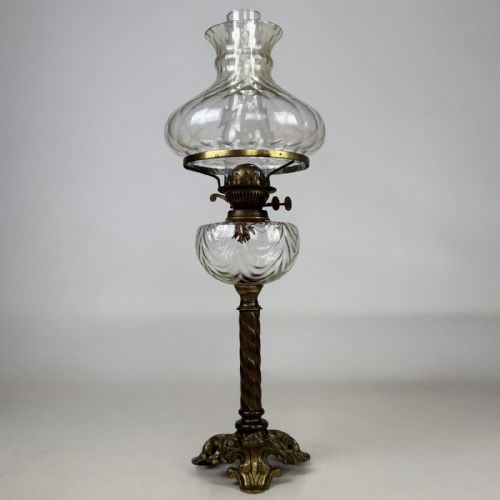
When searching for 19th century table lights, buyers encounter items created during the 19th century, including the Victorian era, Regency, and Empire periods. The forms range from converted candlesticks and candelabra to dedicated oil lamps, table lamps, and billiard lights. Many pieces originate from French and English workshops, spanning decades from the early 1800s to around 1920.
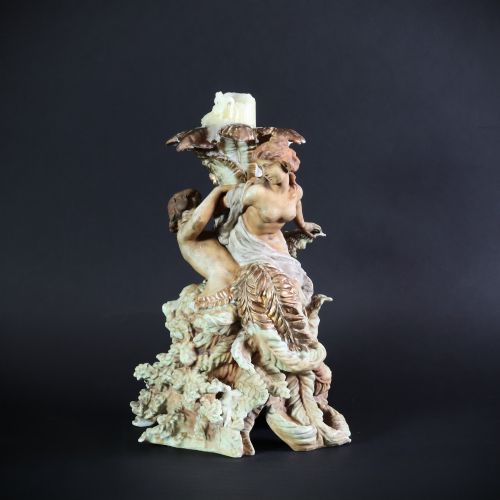
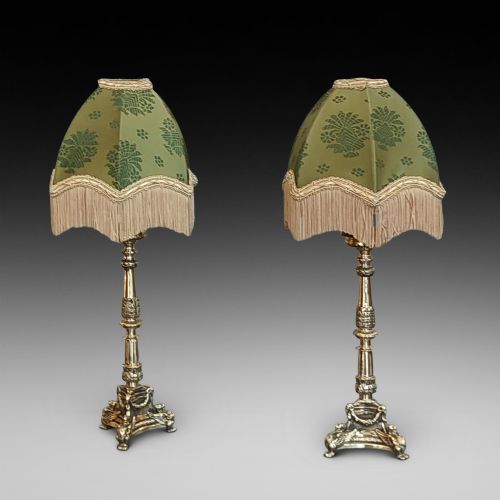
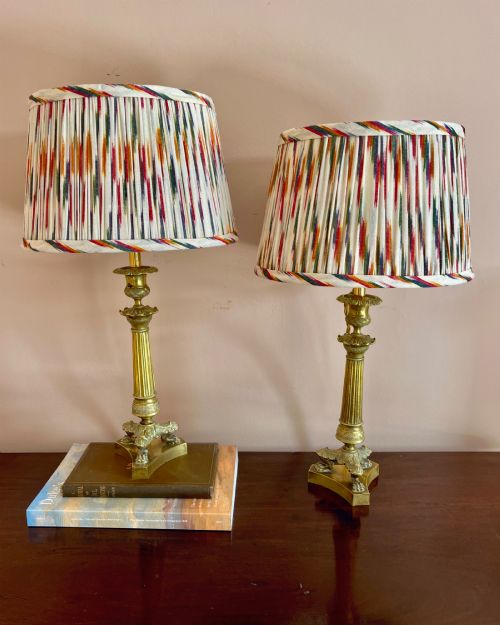
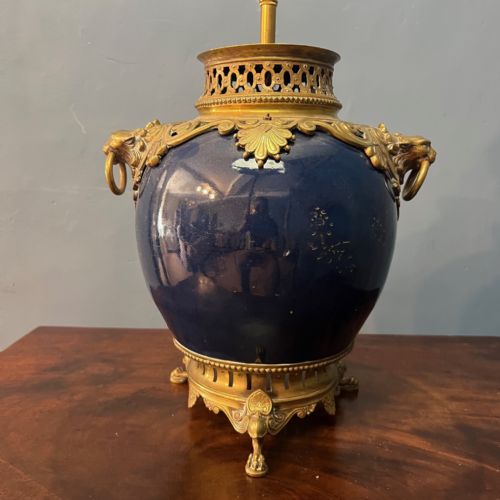
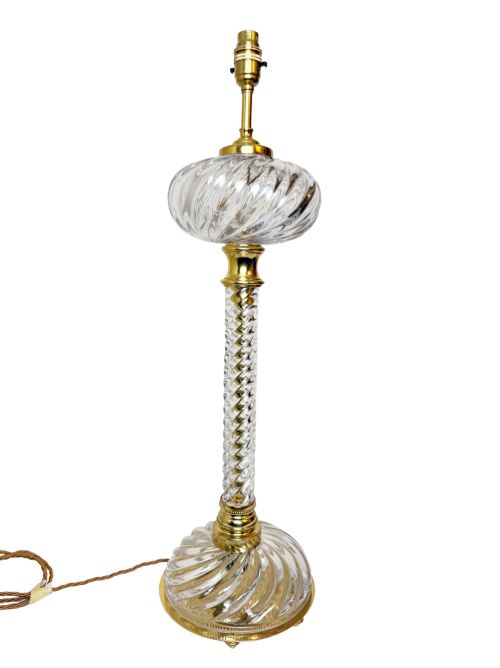
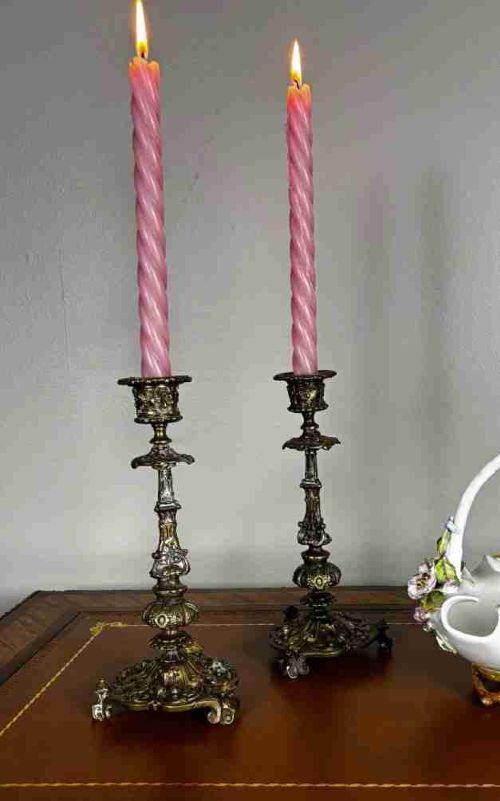
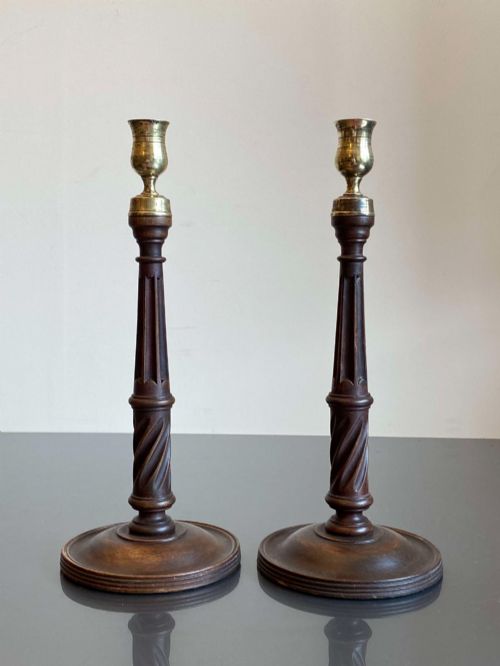
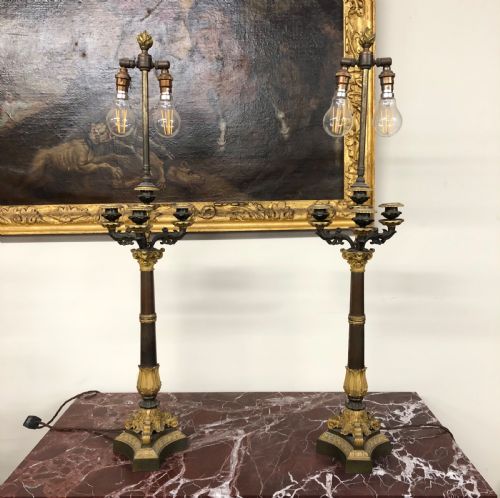
The most common examples on this page are pairs of brass or gilt bronze table lamps and candelabra. Buyers frequently find column designs, porcelain bodies with metal mounts, and turned wooden bases. These items often started as oil burners or candleholders before receiving modern electrical conversions.
How they were made
Metals form the structural backbone of these pieces, utilising cast brass, gilt bronze, ormolu, and silver plate. Founders used sand casting and lost-wax methods to create intricate decorative details, which were then chased and gilded. Sterling silver and various brass alloys also appear frequently across the inventory.
Decorative elements incorporate ceramic, stone, and wood materials alongside metalwork. Makers combined porcelain bodies, French onyx, white marble, and carved pine, oak, or lignum vitae. Fabric shades and painted finishes complete the construction of many lamp bases and converted vessels.
19th Century Table Lights Retail Price Guide 2026
Typical asking prices for 19th century table lights among the pieces listed under this phrase on Sellingantiques today, from the lower quarter to the upper quarter. They describe what is for sale here now, not the wider market.
The inventory records table lamps, candelabra, and candlesticks dated from the early 1800s through the Edwardian period.
What varies in quality
The precision of the casting and chasing distinguishes finer pieces from ordinary examples. Superior items exhibit sharp, crisp foliage, clean lines on architectural columns, and well-defined figural elements without blurred edges from worn moulds.
Material selection and decorative integration also separate tiers of quality. Top examples feature high-grade ormolu, hand-painted porcelain like Sevres style or pate sur pate, and substantial mounts of gilt bronze rather than lighter silver-plated alternatives.
Mappin And Webb·E Rousseau·Pierre Philippe Thomire·Garrard And Co
The 19th Century Table Lights Glossary
- Ormolu
- Gilded bronze applied to decorative hardware and mounts. This technique creates a rich golden finish on French and English metalwork from the period.
- Candelabra
- Branching candleholders designed to hold multiple lights. Many of these arms were later adapted to hold electrical fittings.
- Champleve
- An enamelling technique where troughs are dug into a metal surface and filled with vitreous paste. It appears on various late period decorative bases.
- Pate sur pate
- A ceramic decorating method using raised white porcelain slip on a contrasting coloured background. It creates a cameo-like relief effect on lamp bodies.
- Corinthian column
- An architectural order featuring ornate capitals decorated with acanthus leaves. This motif appears frequently on nineteenth-century brass lamp standards.
19th Century Table Lights: Frequently Asked Questions
Can these antique lamps take modern bulbs?
Most antique lamps accommodate modern light bulbs following professional rewiring. Standard bulb holders fit neatly into standard sockets.
Buyers should consult a qualified electrician to ensure internal wiring meets current safety standards before plugging in.
How do I identify a converted candlestick?
Converted candlesticks feature a drilled channel running through the centre for electrical flex. The top nozzle usually holds an added brass or ceramic lamp fitting.
Original wax catchers and drip pans often remain visible beneath the modern electrical additions on these pieces.
What is the difference between ormolu and brass?
Ormolu consists of a mercury-gilded bronze finish applied over a cast bronze base. It displays a deep, warm golden tone characteristic of luxury French manufacture.
Brass is a copper and zinc alloy with a paler yellow colour that develops a natural patina over time.
How should I clean gilt bronze mounts?
Gilt bronze surfaces require only a gentle dusting with a soft, dry cloth. Moisture and chemical cleaners damage the delicate historical gilding.
Preserving the original surface requires avoiding abrasive polishes entirely.