



Regency Column Lamps
Regency column lamps bring architectural gravity and refined metalwork into a room.
Regency Column Lamps
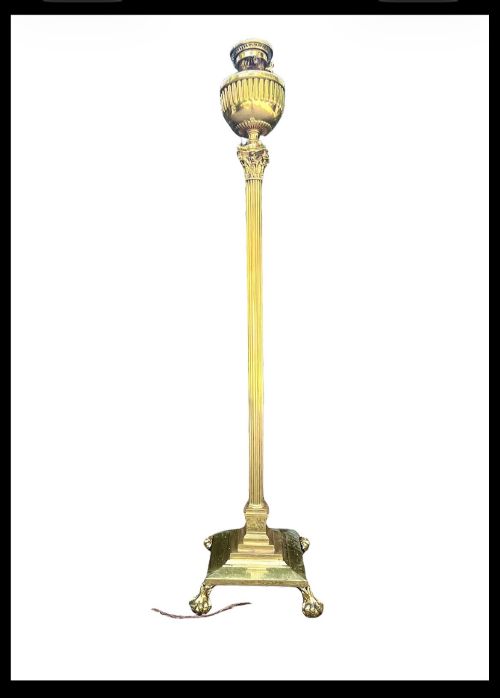
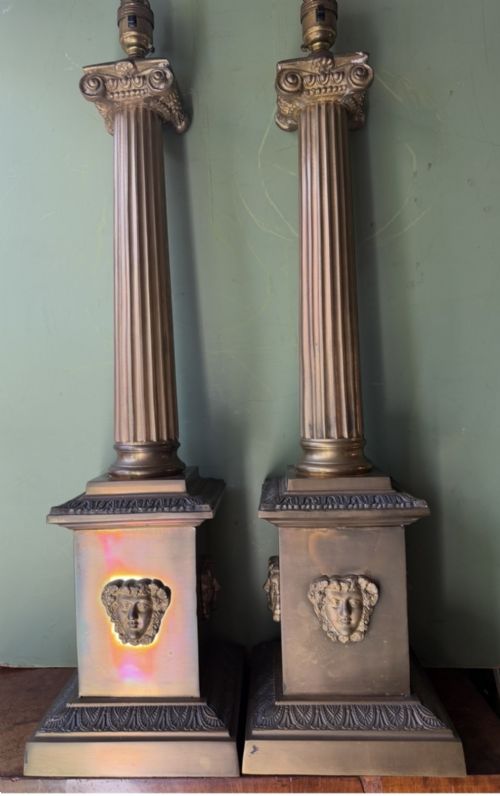
Regency column lamps draw upon classical architectural orders, taking the form of miniature stone columns translated into metal and wood. When you search for regency column lamps, you encounter lighting fixtures that elevate domestic interiors through classical proportions and formal symmetry.
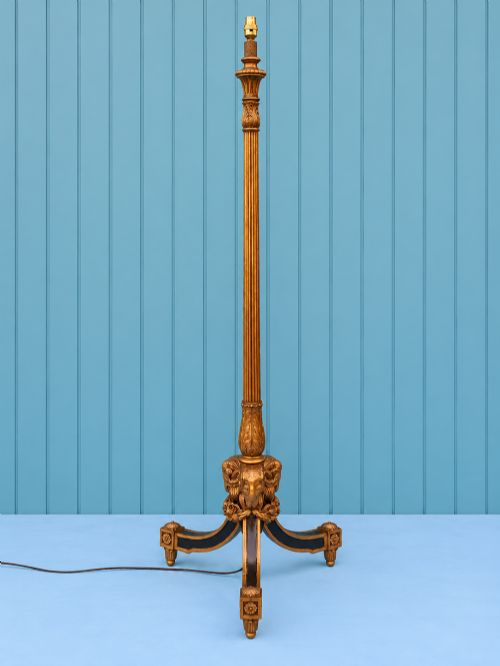
The pieces appearing on this page span the nineteenth century and later revivals, utilising classical vocabularies such as Corinthian and Ionic capitals. These lamps stand as sculptural objects that anchor a room, whether placed upon side tables or raised as floor standards.
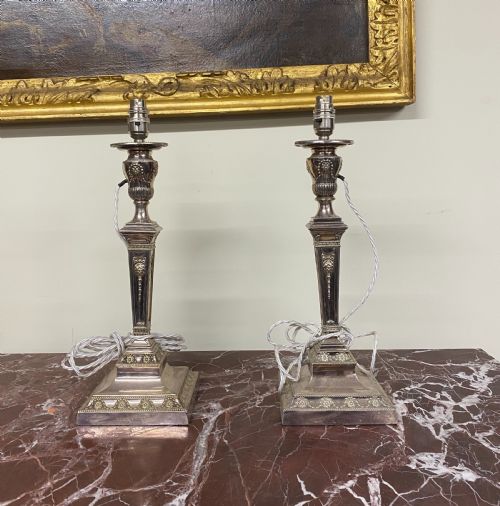
Makers often adapted existing forms, turning torchere stands, candlesticks, and architectural fragments into electrified or oil-burning lamps. This utilitarian shift preserved classical forms while adapting them to domestic lighting needs.
Materials and construction
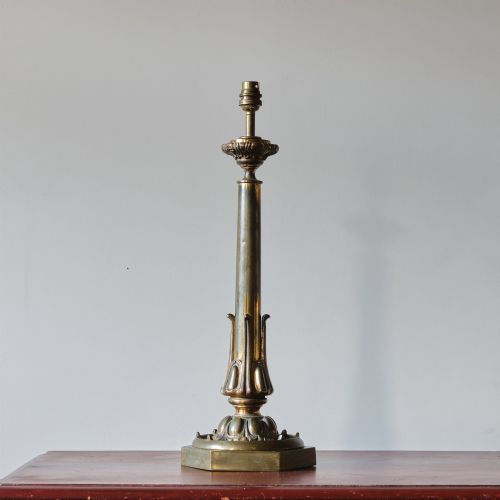
Foundry work defines these pieces, combining cast bronze and brass with applied ormolu or gilt highlights. Metal components are frequently chased and patinated to create contrast between the dark body of the shaft and the bright, gilded capitals and bases.
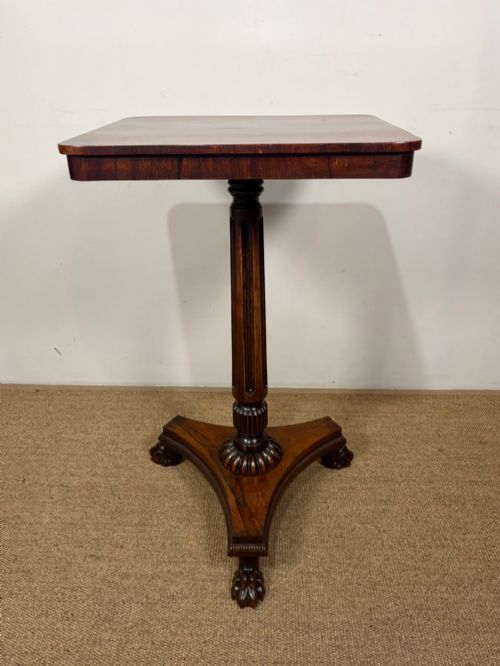
Secondary materials such as mahogany, rosewood, and occasional faux lapis lazuli provide textural weight to composite columns. Wood turning and boxwood stringing appear on bases and pedestals, uniting cabinet-making techniques with metal casting.
Regency Column Lamps Retail Price Guide 2026
Typical asking prices for regency column lamps among the pieces listed under this phrase on Sellingantiques today, from the lower quarter to the upper quarter. They describe what is for sale here now, not the wider market.
Materials recorded across the listings include bronze, ormolu, brass, mahogany, rosewood, and fabric.
Assessing quality and execution
The sharpness of the cast detail separates superior examples from mass production. Crisp acanthus leaves on a Corinthian capital and precise channelling along the fluted shaft indicate skilled foundry work.
The integration of materials dictates overall harmony. High-grade pieces exhibit seamless joins between bronze shafts, ormolu mounts, and timber bases, whereas simpler items rely on unified brass castings without contrasting metalwork.
Humphrey Hopper
The Regency Column Lamps Glossary
- Ormolu
- Gilt bronze produced by applying a mercury-gilding amalgam to cast bronze. This technique creates a rich, matte gold surface that resists tarnishing over centuries.
- Corinthian
- A classical architectural order identified by an ornate capital decorated with carved acanthus leaves. It serves as the primary decorative head for many standard and table lamps.
- Torchere
- A tall stand or candlestick originally designed to hold a light source. Many examples are subsequently converted into floor or table lamps.
- Patination
- The natural or artificial ageing of a metal or wood surface through handling and oxidation. Patination provides depth of colour and tone to bronze and brass shafts.
Regency Column Lamps: Frequently Asked Questions
What periods do regency column lamps date from?
The pieces originate primarily from the early nineteenth century during the Regency and William IV periods, alongside later nineteenth-century interpretations and twentieth-century revivals. The design language remains rooted in classical antiquity.
Craftsmen drew upon Greek and Roman architectural elements across these periods, resulting in stylistic continuity that can make exact dating dependent on material analysis and construction marks.
How were column lamps originally used?
They served as formal lighting fixtures in principal rooms such as drawing rooms and libraries, often holding candles or oil burners before later conversion to electricity.
Their substantial weight and architectural presence meant they functioned both as sources of illumination and as sculptural objects placed upon heavy tables or directly on the floor.
Where should I place a column lamp?
These lamps suit spaces that benefit from vertical emphasis and classical symmetry, such as sideboards, pedestals, or heavy occasional tables.
Pairing matching columns on either side of a fireplace or mirror enhances their architectural character and balances the room's proportions.
How do I distinguish original pieces from later revivals?
Original pieces from the early nineteenth century display hand-finished chasing on the bronze and heavier, denser timber bases. Construction methods like hand-cut screws and aged patination also aid identification.
Revivals from the later nineteenth or twentieth centuries often feature more uniform machine casting and standardised wiring channels integrated during initial manufacture.