




Traditional Cream Shade Lamps
Traditional cream shade lamps bring a soft, warm glow to a room, offering the classic illumination that turns a house into a home.
Traditional Cream Shade Lamps
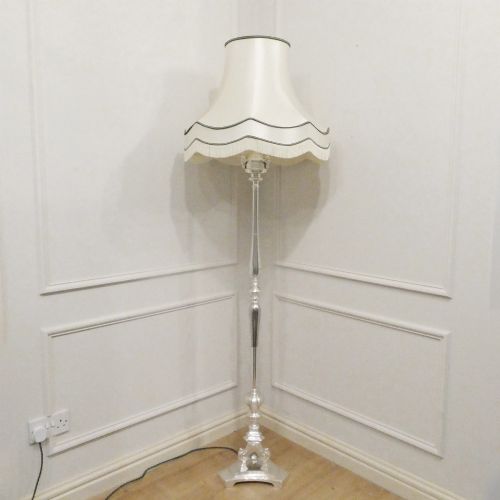
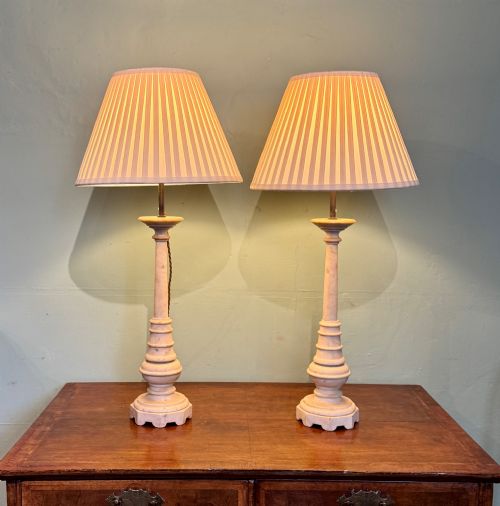
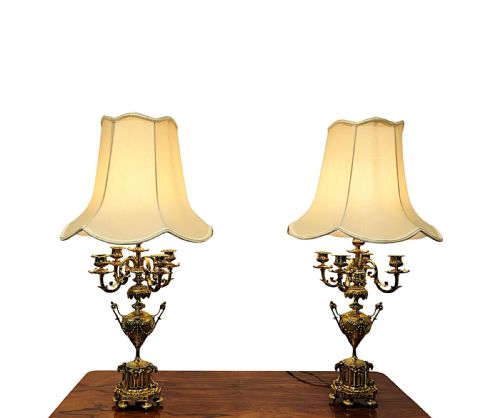
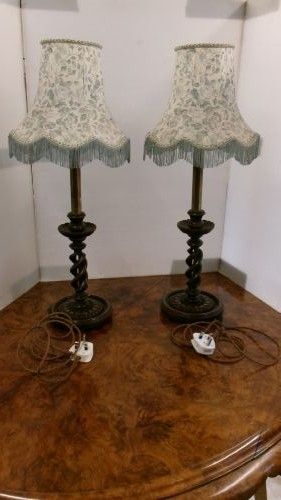
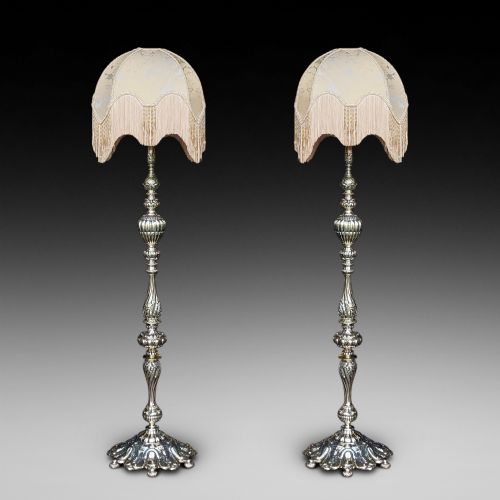
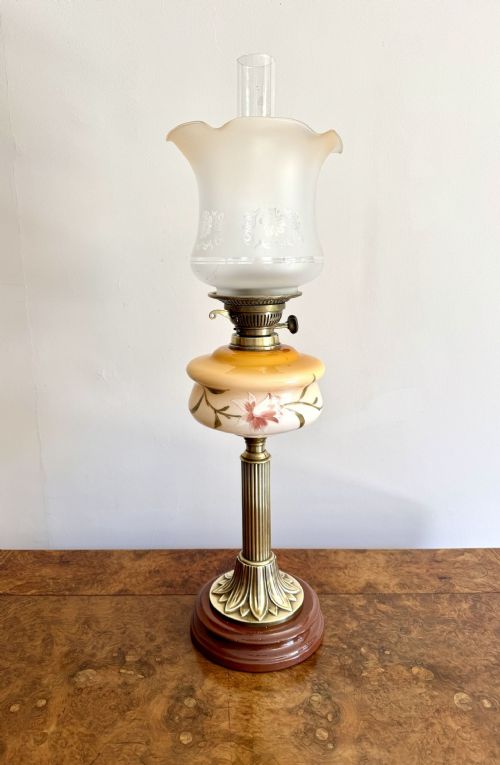
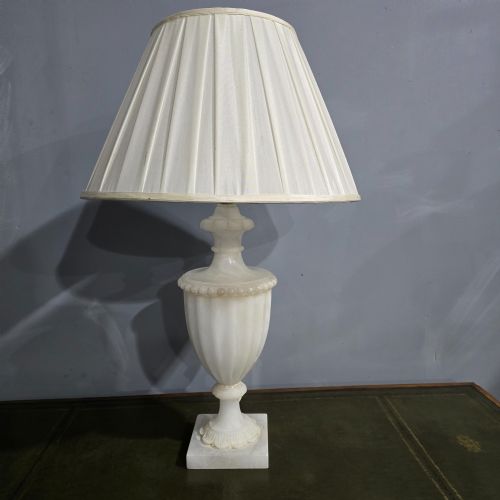
Traditional cream shade lamps encompass a wide variety of lighting forms designed to illuminate interiors with quiet elegance. When exploring traditional cream shade lamps, you encounter table lamps, floor lamps, standard lamps, oil lamps, and candlesticks originating from periods such as the nineteenth century, the Edwardian era, and the early twentieth century.
The selections available here range from converted brass candelabra and heavy brass standard lamps to marble, alabaster, and porcelain vessels adapted for modern use. Styles span across English Country, Edwardian, Neoclassical, and Chinese Export designs, providing versatile options for period and traditional interiors.
How they were made
Construction relies upon traditional materials like brass, bronze, wood, marble, alabaster, crystal, and porcelain, often paired with fabric or silk shades. Metal pieces utilise casting, forging, and turning techniques, whilst ceramic bodies are hand-painted or glazed.
Many lighting pieces began life as utilitarian objects, such as oil lamps, candlesticks, or vases, and were subsequently converted into electrical lamps to suit changing domestic habits.
Traditional Cream Shade Lamps Retail Price Guide 2026
Typical asking prices for traditional cream shade lamps among the pieces listed under this phrase on Sellingantiques today, from the lower quarter to the upper quarter. They describe what is for sale here now, not the wider market.
Some heavy brass bases were once expected to withstand boisterous Victorian households without tipping over during evening gatherings.
What varies in quality
Quality rests upon the weight and purity of the materials, the crispness of metal casting, and the authenticity of the period manufacture. Substantial brass bases, finely carved marble, and genuine porcelain or crystal bodies elevate a piece far above simpler alternatives.
The integrity of the conversion work and the proportion between the base and the shade also determine the overall refinement and visual balance of the lamp.
The Traditional Cream Shade Lamps Glossary
- Standard lamp
- A tall floor-standing lamp designed to provide ambient room illumination. These often feature adjustable arms or weighted bases.
- Ormolu
- Gilt bronze ornamentation applied to furniture and decorative objects. This French technique became prominent in neoclassical and nineteenth-century decorative arts.
- Alabaster
- A fine-grained mineral often carved into decorative vases and lamp bases. It provides a translucent quality that catches and diffuses light.
- Candelabra
- Branched candlesticks designed to hold multiple candles. Many historical examples are later converted to electrical table lamps.
Traditional Cream Shade Lamps: Frequently Asked Questions
What periods do these lamps cover?
The lighting options span from the nineteenth century through the Edwardian era and into the 1920s and 1930s. You will find Victorian designs alongside early twentieth-century creations.
Each period brings distinct materials and stylistic influences, ranging from heavy brass to delicate porcelain.
Can I use modern bulbs?
Most of these lamps accept standard modern electrical fittings and contemporary bulbs. It remains wise to have vintage wiring checked by a qualified electrician before daily use.
Proper wattage ensures the safety of delicate silk or fabric shades.
How do I style a standard lamp?
Standard lamps work effectively in corners of living rooms or beside reading chairs to create layered ambient lighting. Their height helps balance heavy furniture.
Matching the cream shade with existing room textiles pulls the interior scheme together.
Are these converted oil lamps safe?
Many traditional pieces started as oil lamps or candlesticks before undergoing conversion to electricity. This practice preserves historical objects whilst making them practical for modern homes.
Professional conversion ensures the internal workings meet contemporary electrical standards.