


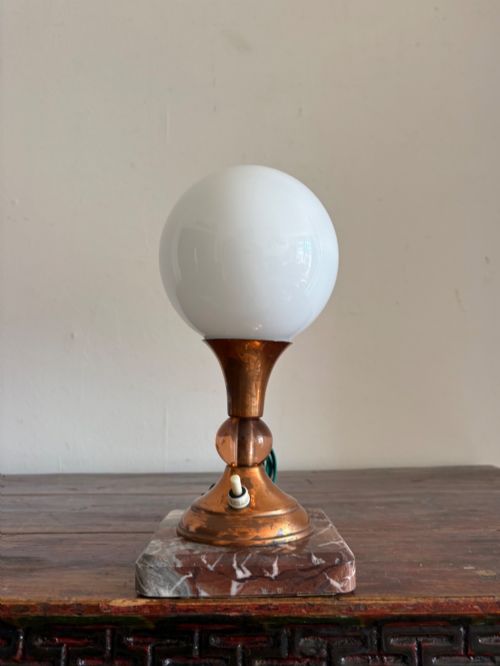
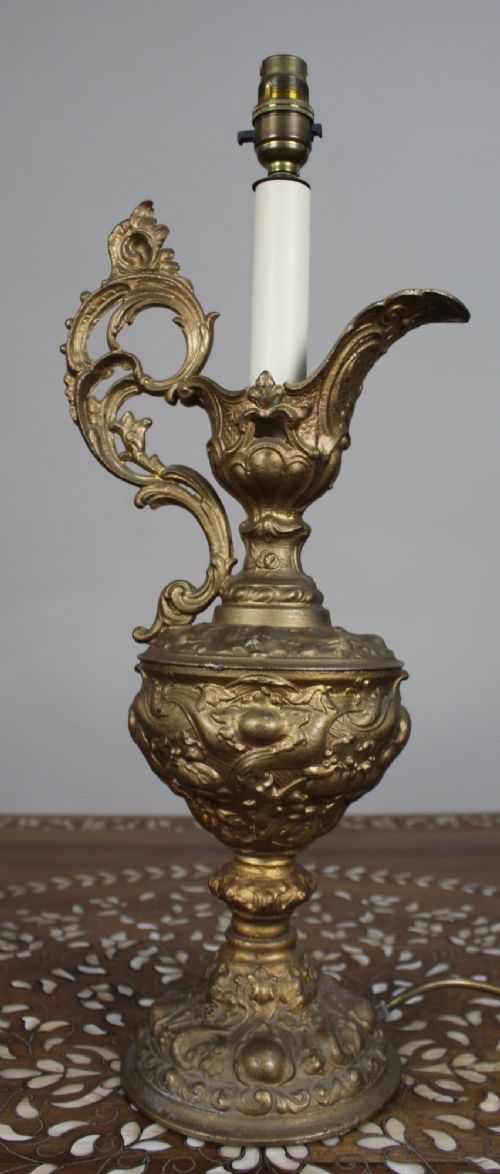
Antique French Desk Light
An antique french desk light brings character and period weight to a workspace, offering warm illumination through brass, bronze, and opaline glass.

Antique French Desk Light
An antique french desk light serves as a functional workspace task light or a decorative accent lamp, bringing period charm to a library or study. When exploring this selection, buyers encounter everything from modest brass models to elaborate ormolu and marble pieces.
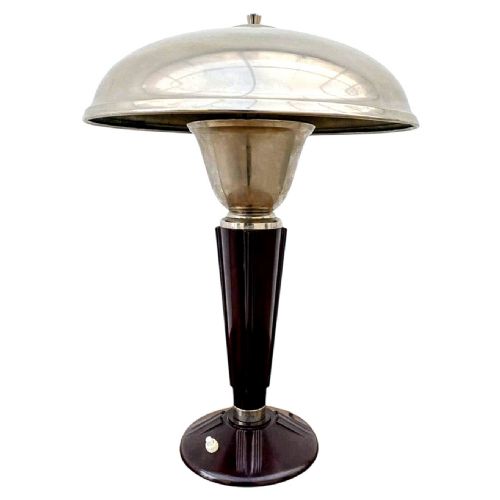
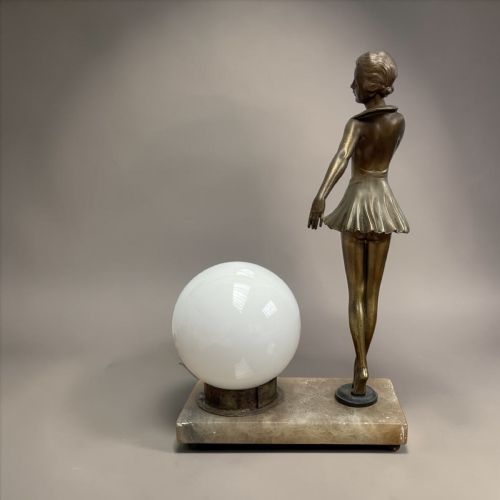
The objects listed under this phrase span distinct eras, including the nineteenth century, Victorian period, and Art Deco years of the nineteen-twenties and thirties. Many examples originate as converted candlesticks, oil lamps, or cassolettes adapted later for electrical use.
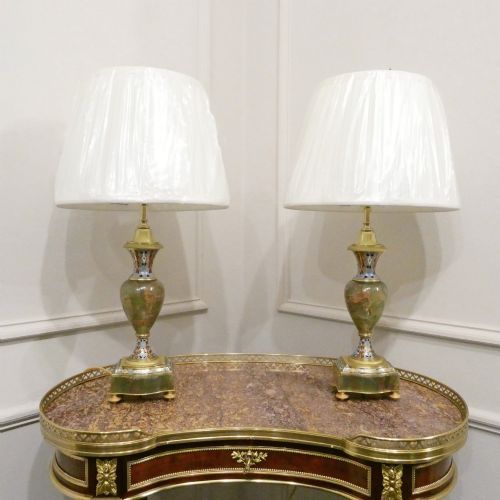
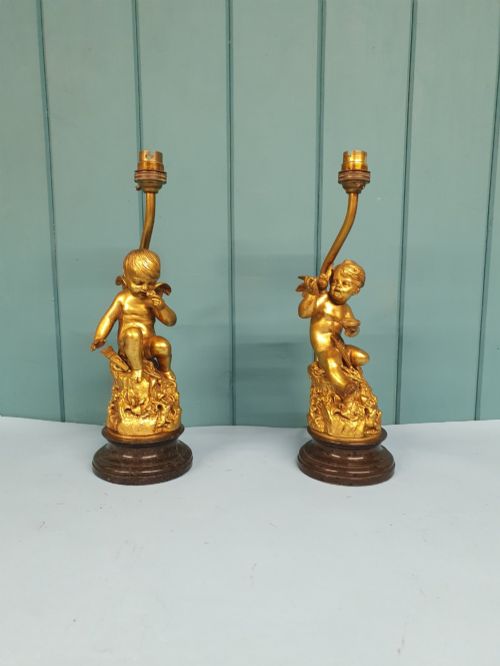
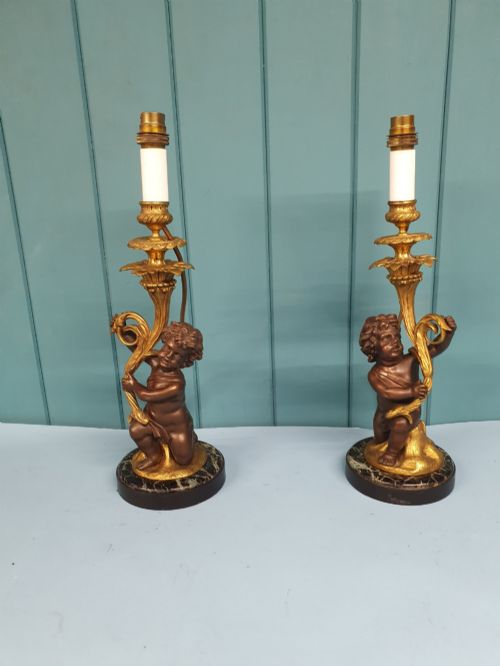
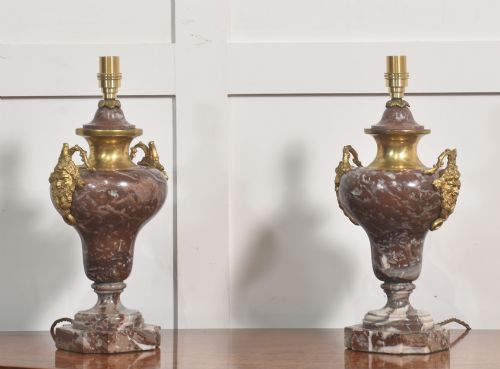
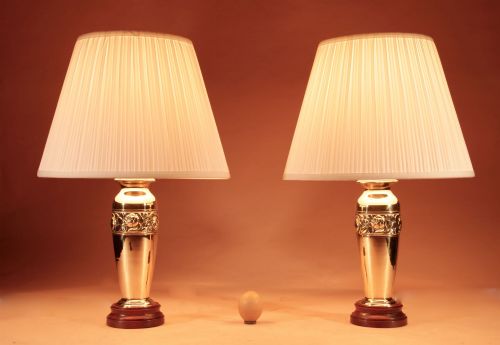
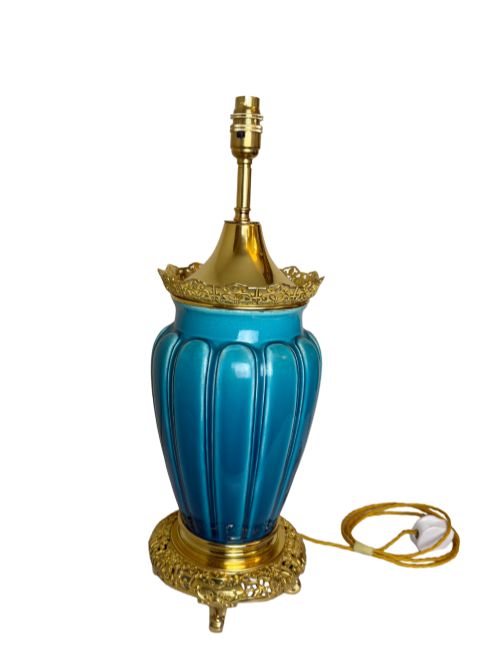
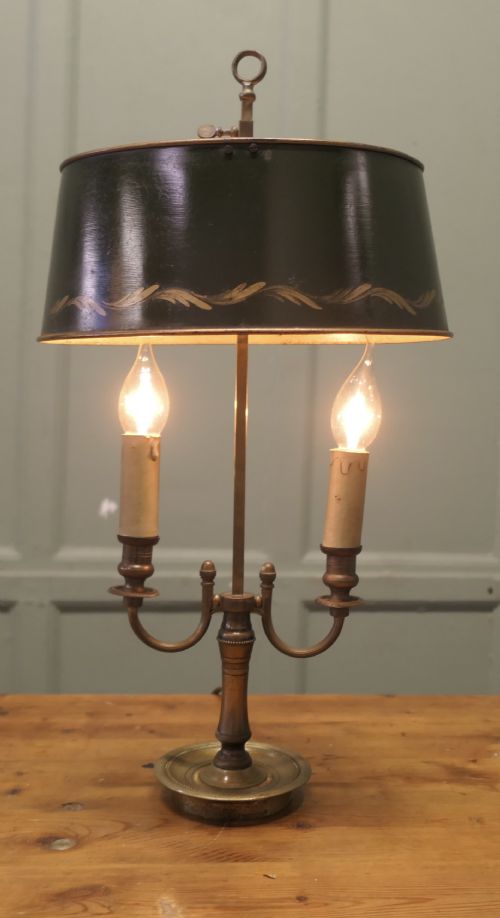
Form and material vary widely across the inventory, ranging from compact bouillotte lamps with green toleware shades to sculptural figural designs featuring cherubs, animals, or floral motifs. Marble bases, onyx columns, and porcelain bodies frequently appear alongside metal components.
How they were made
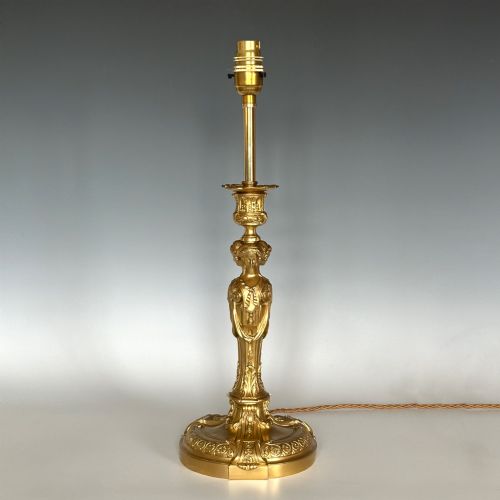
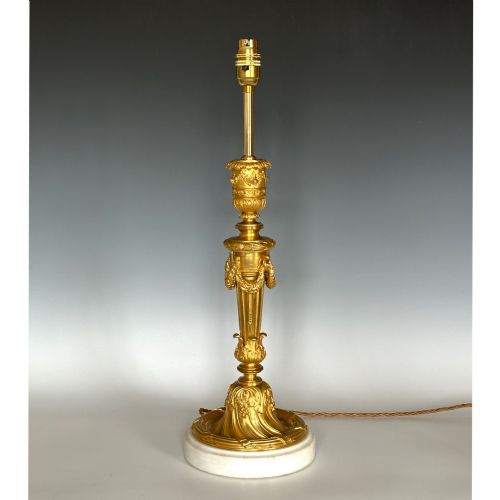
Metals form the structural backbone of these pieces, utilising cast brass, gilt bronze, ormolu, and copper shaped into detailed mounts, columns, and figures. Foundries employed traditional casting and chasing techniques to achieve crisp definition on decorative elements like rams heads or floral accents.
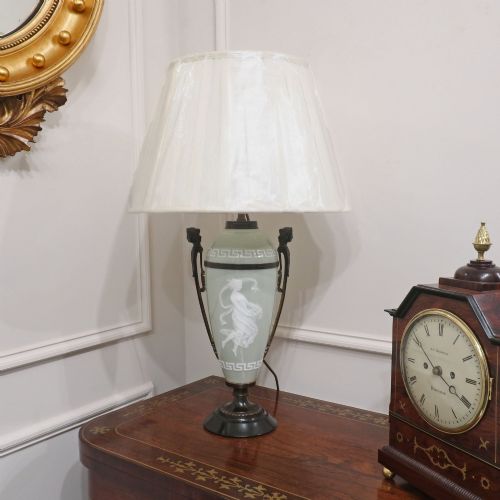
Stoneware and minerals provide substantial weight and contrasting texture, combining rouge marble, white onyx, and celadon porcelain with the metal work. Glass components such as opaline or opalescent shades were mouth-blown, diffusing light softly across the desk surface.
Surface decoration ranges from patinated bronze and champleve enamel to delicate pate sur pate porcelain and gilt finishes. Artisans applied patinas by hand or used fire gilding methods to create lasting metallic sheens.
Watch for cheeky novelty dogs and parrots keeping guard over your paperwork.
What varies in quality
Material selection divides standard utilitarian pieces from high-end decorative objects. Dense, unblemished rouge marble, fine porcelain with intact glaze, and heavy cast ormolu indicate superior manufacture compared to lighter gilt metal alternatives.
Integration of design elements separates ordinary conversions from unified compositions. The best items maintain a balanced proportion between the shade, the central body, and the stone or marble base.
Eileen Grey·L and F Moreau·Lacroix·Lalique
The Antique French Desk Light Glossary
- Ormolu
- Gilded bronze, where a finely ground gold-mercury amalgam is applied to cast bronze and heated. This technique creates a rich, durable golden surface seen on many eighteenth and nineteenth-century mounts.
- Bouillotte lamp
- A traditional adjustable desk lamp featuring a central metal shaft, a shallow dish base, and a painted toleware shade that moves up and down. It takes its name from a French card game.
- Cassolette
- A decorative vase or urn fitted with a reversible lid that can function as a vessel or a closed container. In lighting, these are often drilled and mounted as lamp bases.
- Champleve
- An enamelling technique where troughs or cells are hollowed out of a metal surface and filled with vitreous enamel powder before firing. This creates colourful decorative patterns on brass and bronze.
- Pate sur pate
- A ceramic decorating method where liquid white porcelain slip is painted in layers onto a darker clay body to create a low relief cameo effect.
Antique French Desk Light: Frequently Asked Questions
How do I choose the right desk lamp?
Consider the scale of your workspace and the type of light you need for reading or ambiance. Toleware bouillotte lamps direct light downwards, while glass and fabric shade models offer a softer general glow.
Match the material, whether marble, brass, or bronze, to the existing decor of your room. Period styles range from ornate nineteenth-century revivals to sleek Art Deco designs.
Were these always electric lamps?
Many older pieces began life as oil lamps, gas fixtures, or candlesticks before being converted for modern electrical use. This adaptation is standard practice for lighting from the nineteenth and early twentieth centuries.
Conversion methods vary, but quality pieces retain their original decorative mounts and structural integrity during rewiring.
What maintenance do antique lamps require?
Dust metal and marble components gently with a soft dry cloth to protect the surface patination and gilt finishes. Avoid harsh chemical cleaners that can strip original gilding or discolour stone.
Ensure wiring is checked by a qualified electrician to guarantee safe daily use.