


French Gilt Bronze Light
When you search for french gilt bronze light, you uncover a lineage of heavy cast metal fixtures shaped by classical and rococo hands.
French Gilt Bronze Light
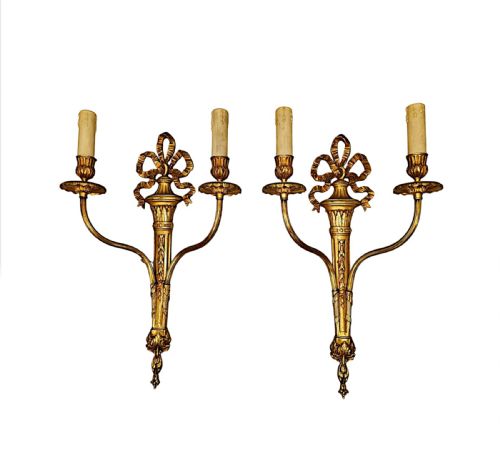
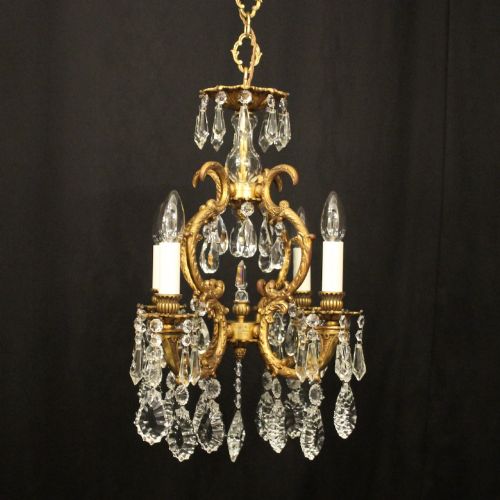
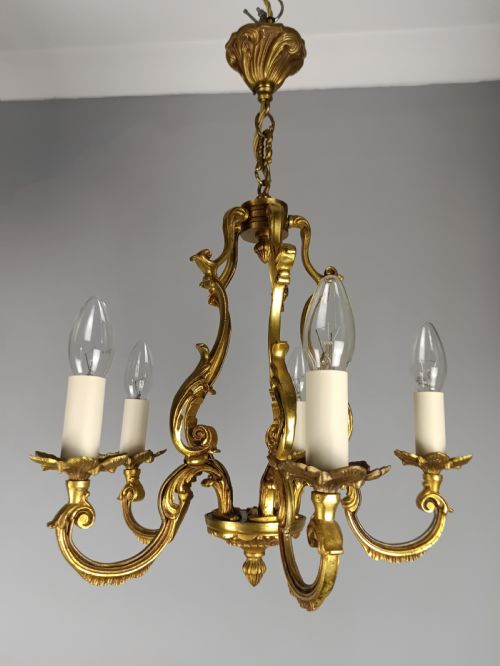
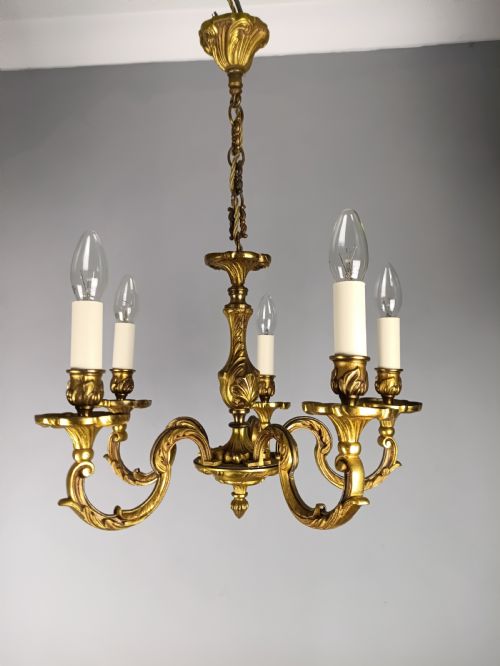
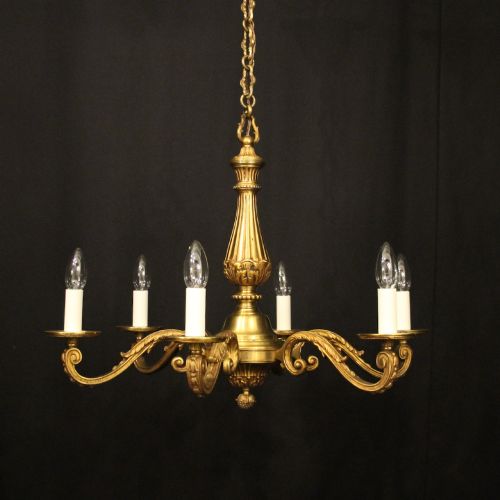
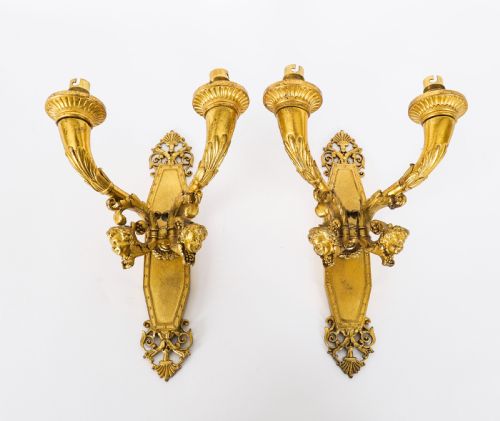
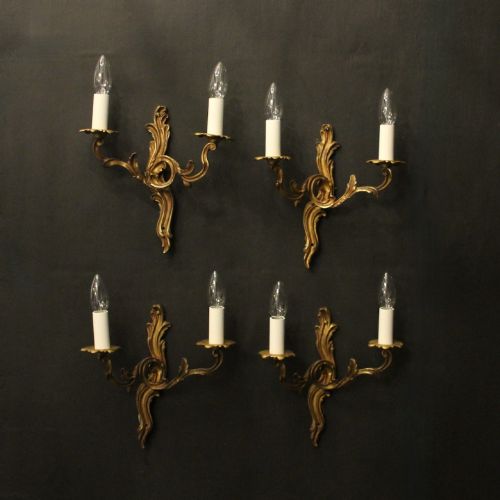
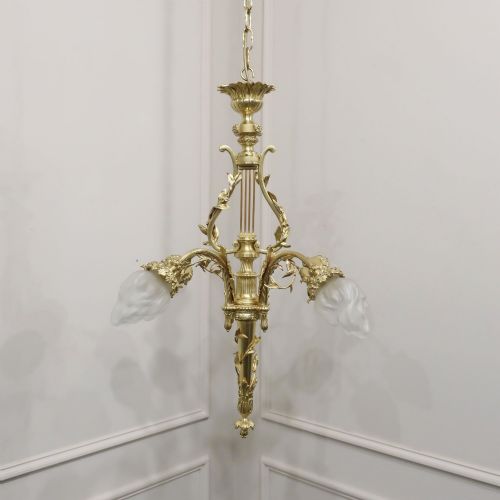
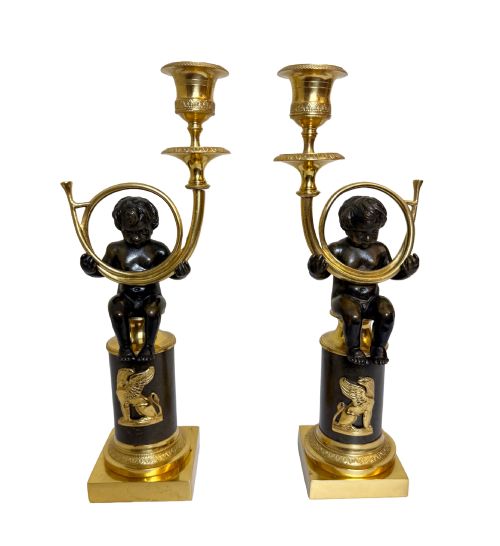
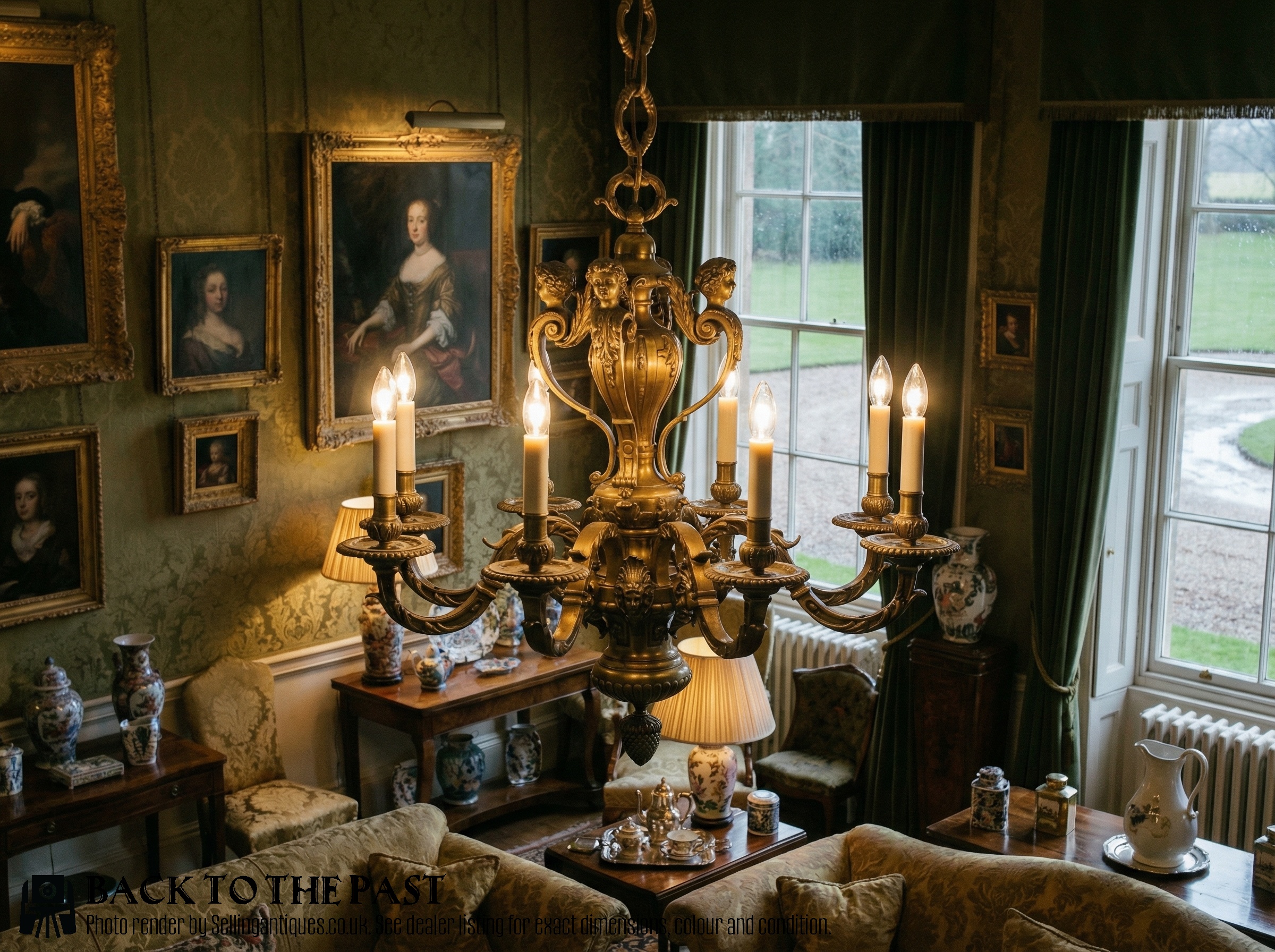
The search for a french gilt bronze light directs attention toward ornate chandeliers, wall sconces, and candelabra forged primarily across the nineteenth and early twentieth centuries. Chandeliers and multi-armed wall lights dominate the available offerings, reflecting historical domestic interiors that required layered candle or gas illumination.
Makers and designers drew heavily from neoclassical, Louis XVI, and rococo revivals, embedding scrolling foliage, putti, and urn motifs into the metalwork. These fixtures span from single-bulb table lamps up to nine-light ceiling centerpieces, frequently incorporating secondary materials like marble or crystal drops.
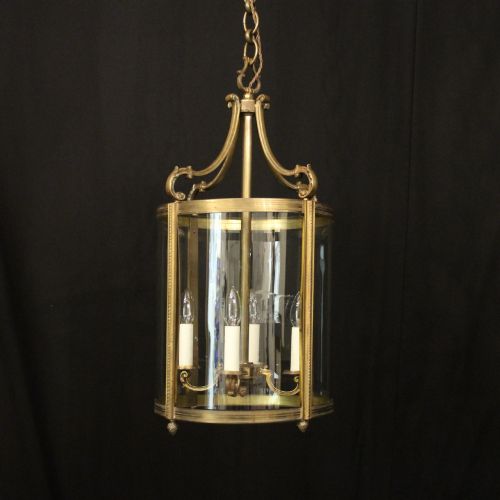
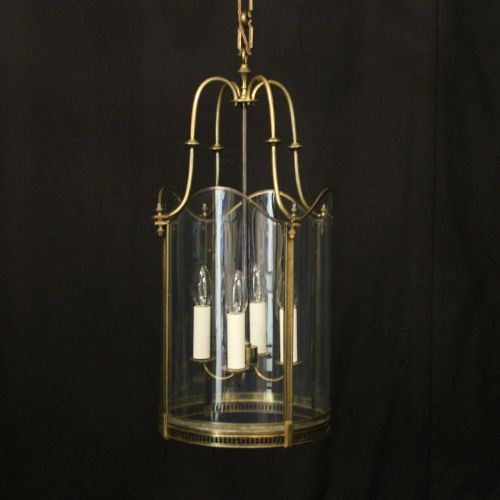
Examples from the early twentieth century sit alongside nineteenth-century and eighteenth-century items, maintaining decorative continuity through traditional casting and gilding methods. Buyers encounter everything from hall lanterns to twin-arm wall lights designed to mount directly onto panelled walls.
Materials and Construction
Artisans employed bronze and brass as the foundational metals, shaping them through detailed sand casting before applying a mercury-gilding or ormolu finish to achieve a radiant golden surface. Many pieces integrate cut crystal pendants, moulded glass panels, or carved onyx and marble bases to augment the visual weight.
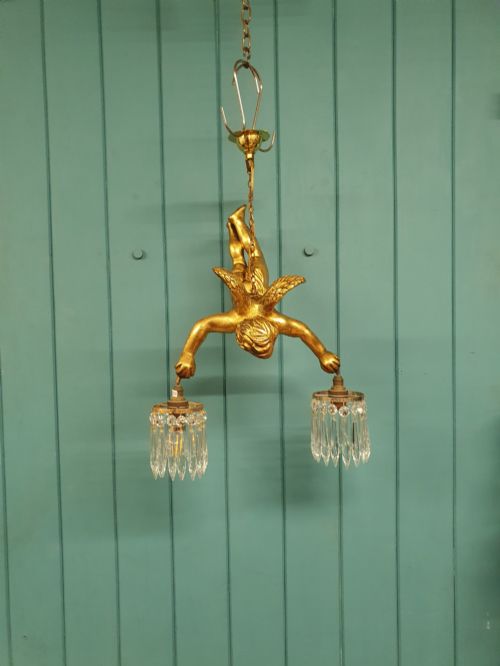
Decorative elements such as ribbons, flamingos, and cherubs were cast separately and then pinned or screwed onto the main structural branches and backplates. Wiring, where present in later adaptations, threads through hollowed arms or down central stems originally engineered for candles or gas.
Listings feature periods spanning from the eighteenth century through the 1930s, incorporating materials such as crystal, marble, and gilt bronze.
Craftsmanship and Execution
Weight and structural integrity also divide the tiers, with heavier gauge cast bronze supporting complex multi-branch arrays without sagging. Finer items exhibit precise symmetry in opposing wall lights and seamless integration of secondary elements like porcelain bodies or marble plinths.
Barbedienne·E Rousseau·Francois Redmond·Eugène Hazart·Pierre Gouthiere·Dugourc
The French Gilt Bronze Light Glossary
- Ormolu
- Gilded bronze, where a gold amalgam is applied to a bronze base object through a heating process. The term derives from the French phrase for ground gold.
- Champlevé
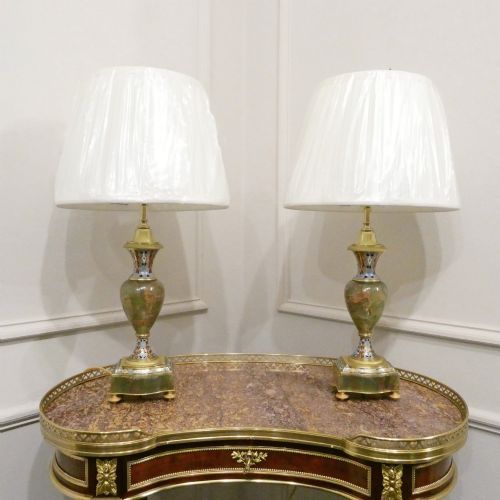
- An enamelling technique where troughs or cells are sunk into the surface of a metal object and filled with vitreous enamel before firing. It frequently appears on nineteenth-century table lamp bases.
- Candelabra
- A branched candlestick holder designed to support multiple candles simultaneously. These items often feature removable central finials or matching drip pans.
- Chasing
- The art-metalworking technique of indenting and refining a metal surface with hammer and punches. It defines the surface texture and highlights fine lines after casting.
- Lyre
- A stringed musical instrument shape utilised extensively as a decorative motif in neoclassical backplates and chandelier centres. It symbolises classical harmony and proportion.
French Gilt Bronze Light: Frequently Asked Questions
How do I clean gilt bronze?
Dust the surface gently with a soft, dry microfibre cloth to remove accumulated particles without disturbing the protective metal skin.
Avoid abrasive polishes, water immersion, and chemical cleaners that strip away historical gilding or damage underlying bronze substrates.
Are these lights wired for modern use?
Many surviving wall lights and chandeliers arrive with historical wiring removed or updated for contemporary electrical standards by previous owners.
Buyers should inspect internal channels and consult a professional electrician to ensure safe installation and compliance with local domestic codes.
How do I date a bronze light?
Examine the casting method, fastening screws, and stylistic vocabulary, comparing motifs against established nineteenth and twentieth-century design patterns.
Physical indicators like hand-cut threading, patination depth, and the presence of mercury gilding offer clues to manufacturing eras.
Where should I hang a hall lantern?
Suspended entryways and high-ceilinged corridors provide optimal spatial clearance for convex and glazed hall lanterns to distribute illumination effectively.
Ensure adequate ceiling support exists to bear the substantial weight of cast bronze frames and inset glass panels.