

French Urn Table Lamps
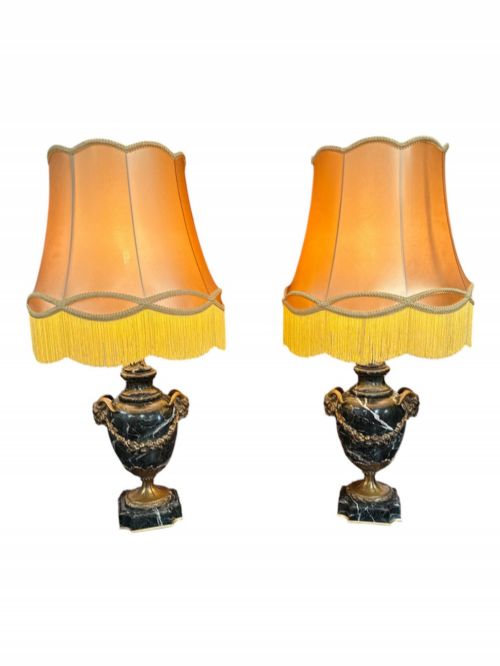
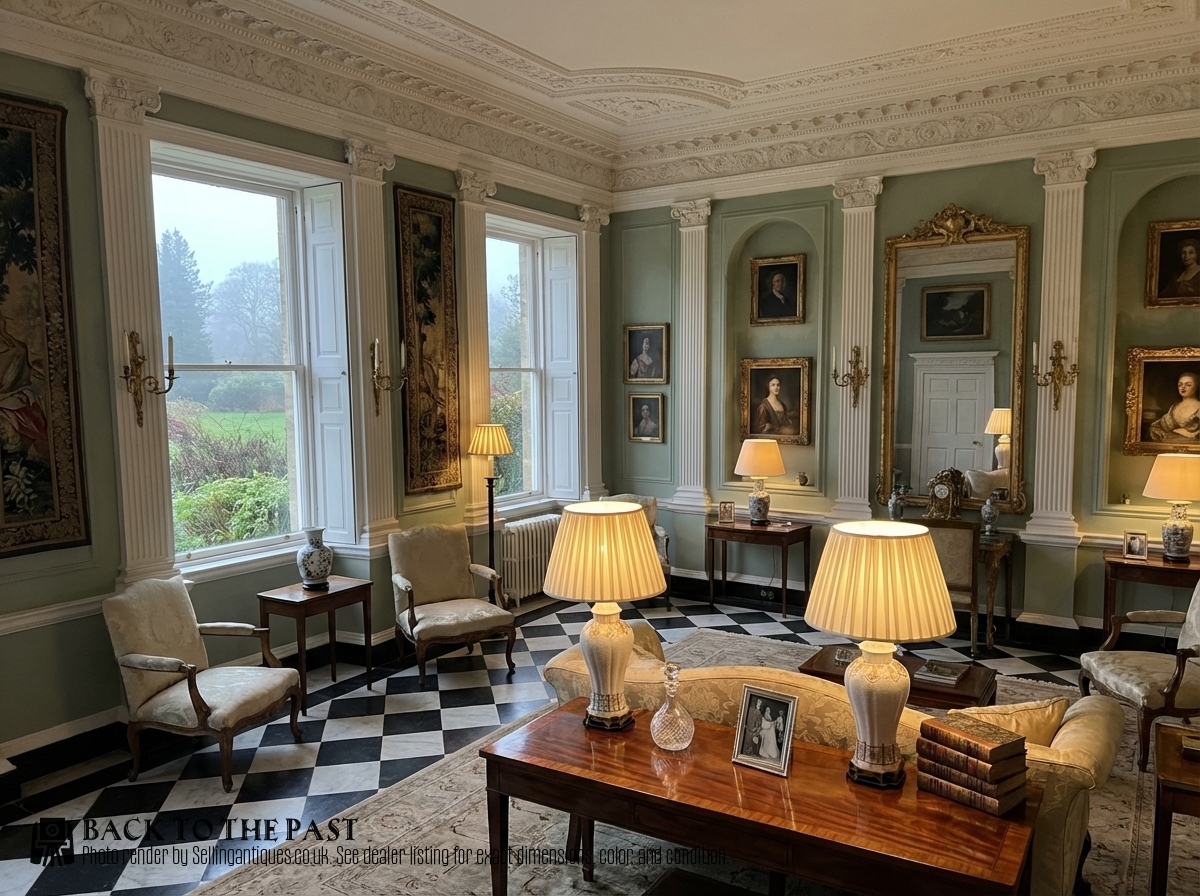
These French urn table lamps bring classical form and warm illumination into a room, blending sculptural presence with period materials.
What French urn table lamps are
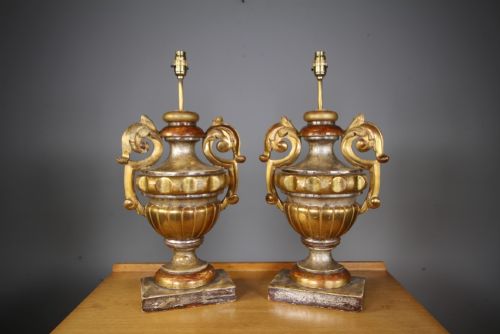
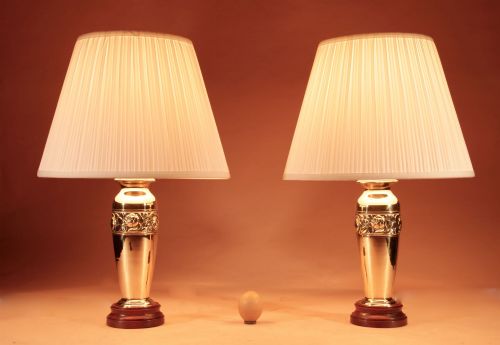
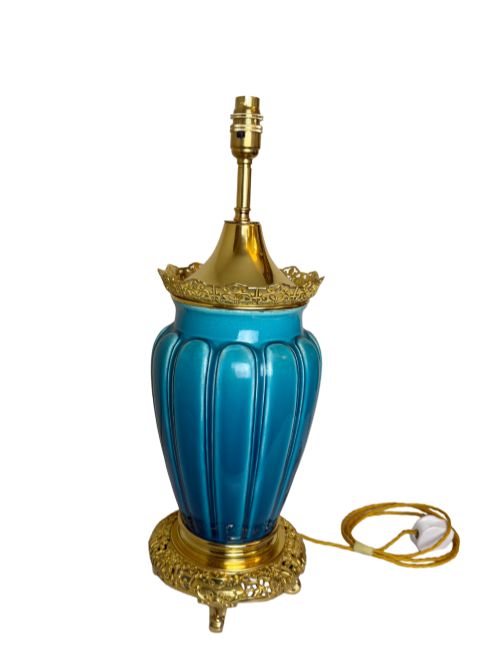
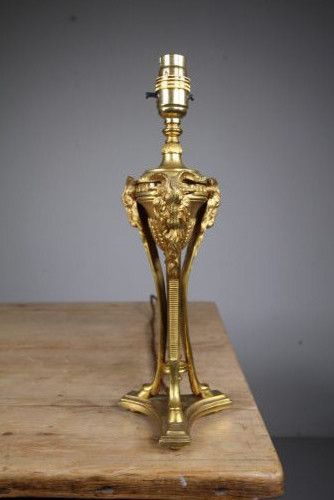
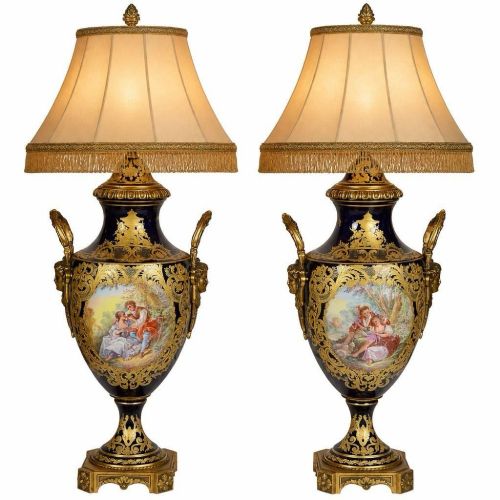
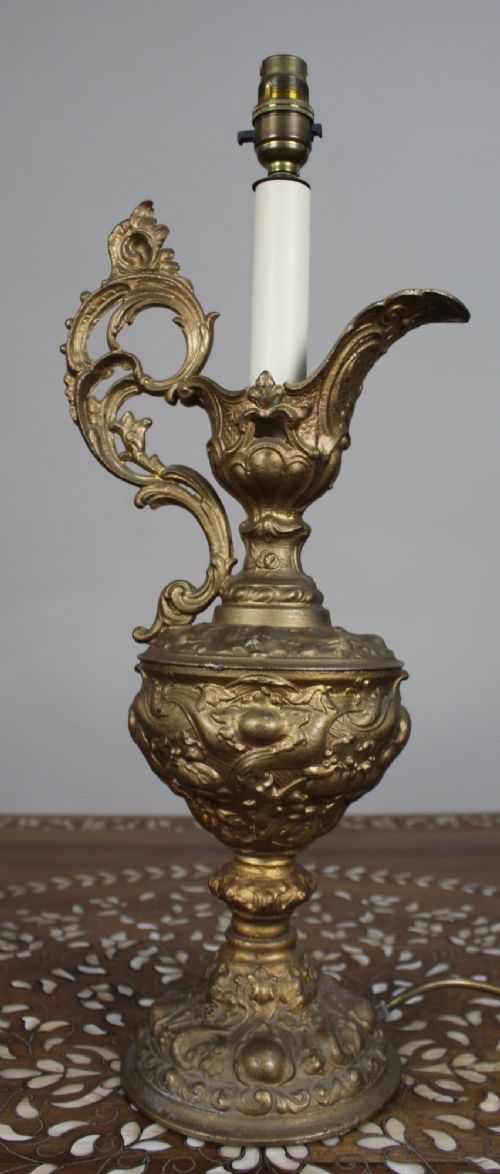
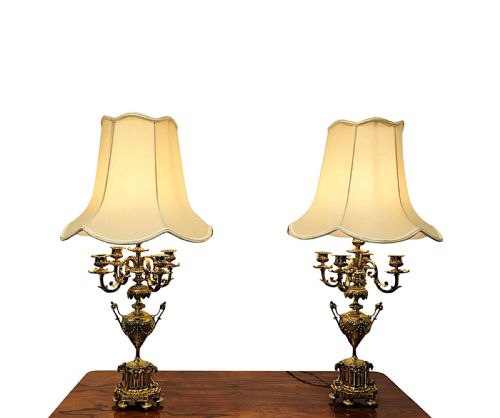
When you search for french urn table lamps, you are looking at decorative urns transformed into lighting, mostly appearing as matched pairs spanning the nineteenth century. These pieces draw on French Classical, Louis XVI Style, Neoclassical, and French Rococo Revival idioms, alongside occasional incursions into French Chinoiserie, Napoleon III, and Art Nouveau.
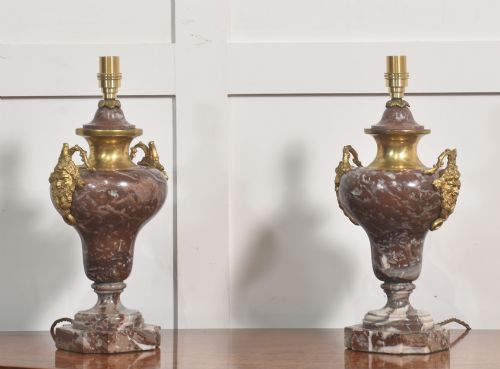
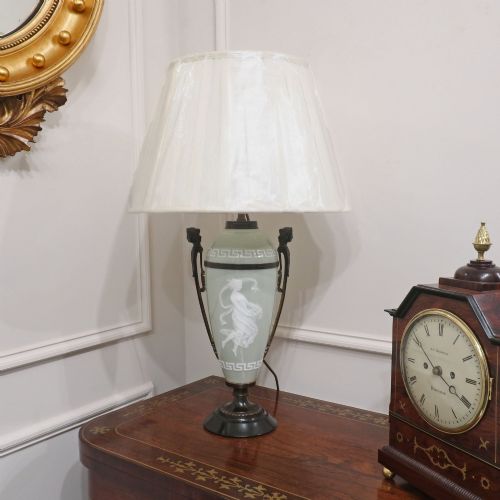
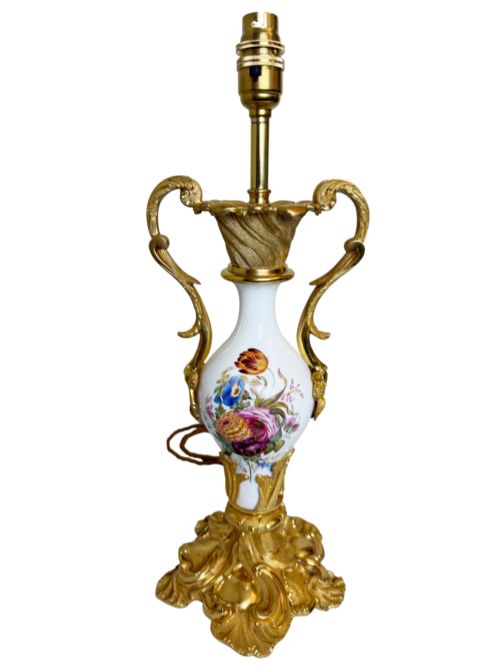
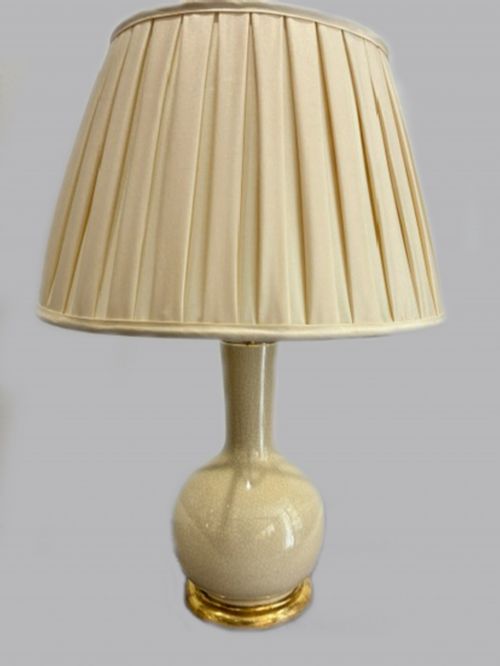
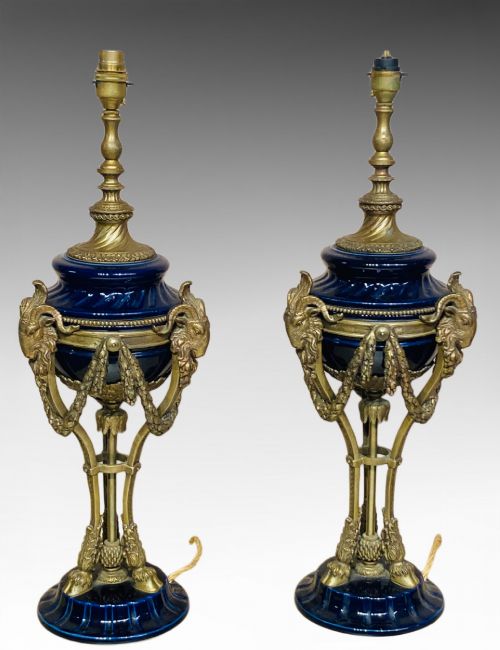
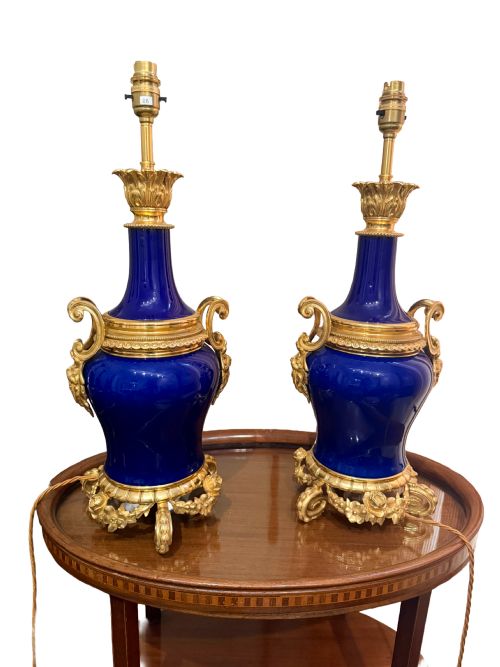
The forms typically take shape as handled urns, mounting porcelain, bronze, or terracotta upon bases of rouge marble or gilt brass. You will encounter Paris porcelain, Sevres style porcelain, and bronze bodies, frequently fitted with silk or fabric shades for functional illumination.
Originating predominantly from nineteenth-century French workshops, these lamps translate monumental urn architecture into domestic lighting. They range from severe classical silhouettes to ornate Rococo and whimsical Chinoiserie interpretations.
How they were made
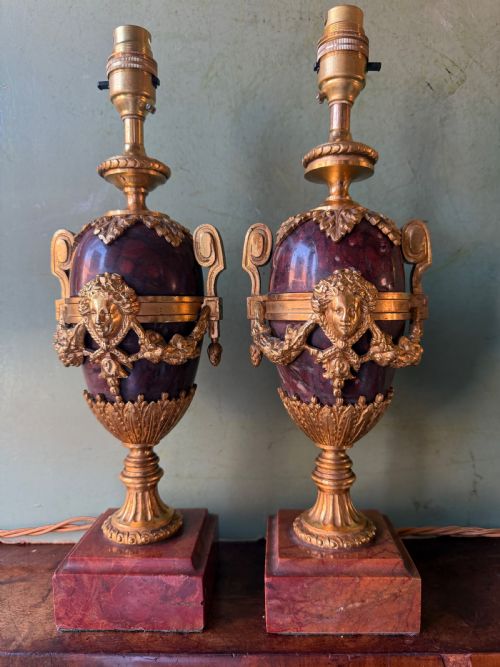
Maker construction relies on heavy cast metals such as ormolu, gilt bronze, and gilt brass, combined with carved rouge marble plinths and solid marble blocks. Bronze bodies receive crisp chasing, while terracotta and porcelain provide smooth, painted, or glazed surfaces for the central urn forms.
Many examples represent later nineteenth-century conversions, taking antique twin-handled bronze or porcelain urns and drilling them to house electrical components. Metal parts utilise traditional casting and gilding techniques, while ceramic bodies feature hand-painted glazes and applied gilt details.
Retail Price Guide 2026
Typical UK retail prices for french urn table lamps, calculated from the Sellingantiques database of over a million retail prices indexed since 2003. This retail price guide relies exclusively on Sellingantiques data; no external sources or auction records are used, so the figures do not describe the wider market.
Listings demonstrate materials including porcelain, silk, gilt bronze, rouge marble, gilt brass, ormolu, marble, and fabric across multiple centuries.
What varies in quality
Quality rests upon the crispness of the bronze chasing and the weight of the underlying ormolu and marble mounts. Finer examples display deeply articulated handles, heavy cast mounts, and superior hand-painted porcelain reserves.
The distinction between standard production and exceptional work lies in the integration of materials, where solid rouge marble bases and finely gilded mounts outclass lighter brass and simpler ceramic bodies.
The French Urn Table Lamps Glossary
- Ormolu
- Gilded bronze, typically produced by applying a mercury and gold amalgam to cast bronze before firing. This technique creates a durable, warm metallic finish common on nineteenth-century mounts.
- Rouge Marble
- A rich red decorative limestone with varied white and grey veining, frequently quarried in France. It provides sturdy, colourful plinths for classical urn lamps.
- Sevres Style
- Porcelain decorated in the manner of the royal Sevres factory, often featuring rich blue grounds and hand-painted gilt panels. It appears on numerous nineteenth-century lamp bodies.
- Louis XVI Style
- A neoclassical design vocabulary characterised by straight lines, symmetry, and classical motifs like acanthus leaves and urns. It dominates the architectural styling of these lamps.
- Chinoiserie
- European theatrical interpretation of Chinese and East Asian artistic traditions. It informs the decorative motifs on select porcelain urn lamps from this group.
Frequently Asked Questions
What periods do these lamps come from?
The pieces span the nineteenth century, with specific dates reaching from the mid-nineteenth century through to 1880, 1890, and occasional later twentieth-century interpretations around 1930.
Stylistic markers range from strict classical inspiration to Louis XVI and Art Nouveau movements.
Were these originally made as lamps?
Many examples began life as decorative ornamental urns before being converted to table lamps at a later date.
Original construction often involved heavy bronze or porcelain meant for display, adapted later for domestic lighting.
What materials are used in the bases?
Bases frequently incorporate solid rouge marble, gilt brass, or gilt bronze plinths designed to anchor the heavy urn bodies.
These materials provide substantial weight and contrast against the central porcelain, bronze, or terracotta urns.
How do I identify Louis XVI style?
Louis XVI style shows through symmetrical classical proportions, restrained architectural lines, and decorative elements drawn from ancient Greece and Rome.
Expect details like fluted urns, acanthus mounts, and disciplined geometric supports rather than asymmetrical curves.