




Gold Bronze Accent Lighting
Gold bronze accent lighting brings warmth and architectural weight to a room through cast metal finishes and period table lamps.
Gold Bronze Accent Lighting
When searching for gold bronze accent lighting, a buyer encounters table lamps that rely on cast metal mounts, gilt bronze, ormolu, and brass to create illumination with historical presence. These pieces emerge from the nineteenth and early twentieth centuries, spanning periods from eighteen fifty to nineteen thirty.
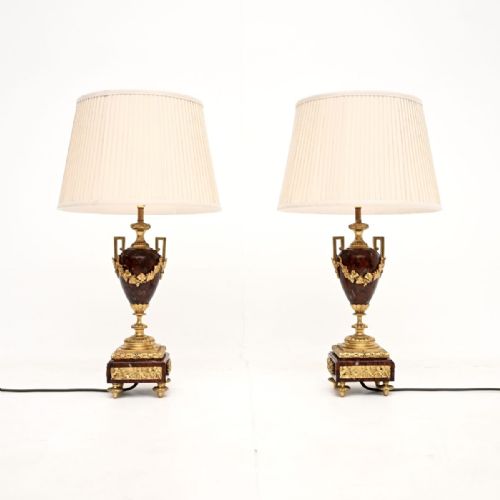
The most common form on this page is the table lamp, frequently paired with materials like marble, onyx, crystal, porcelain, and fabric. Many examples originate from France, carrying stylistic influences such as Louis XVI, Rococo Revival, Neoclassical, and Chinoiserie.
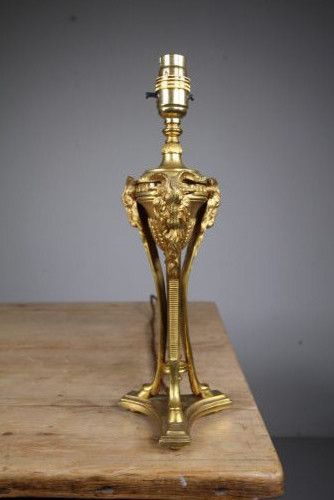
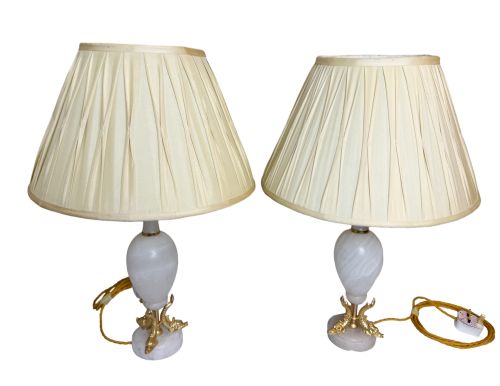
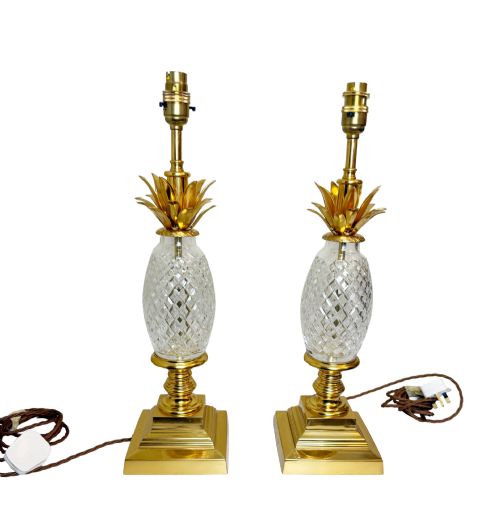
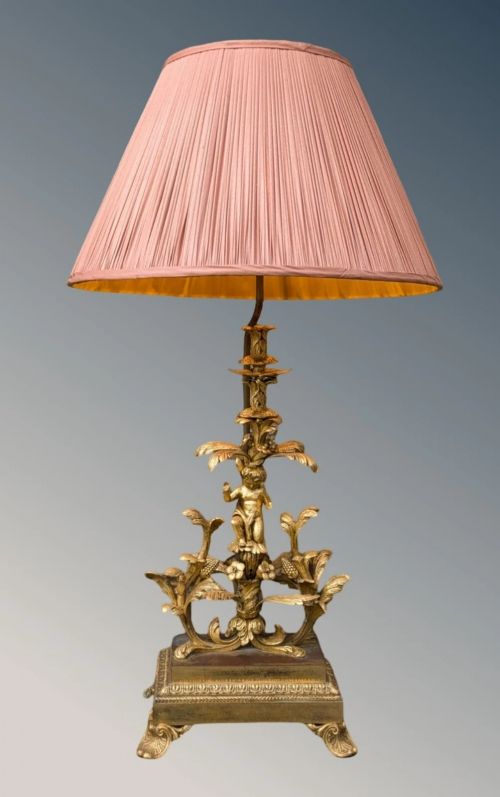
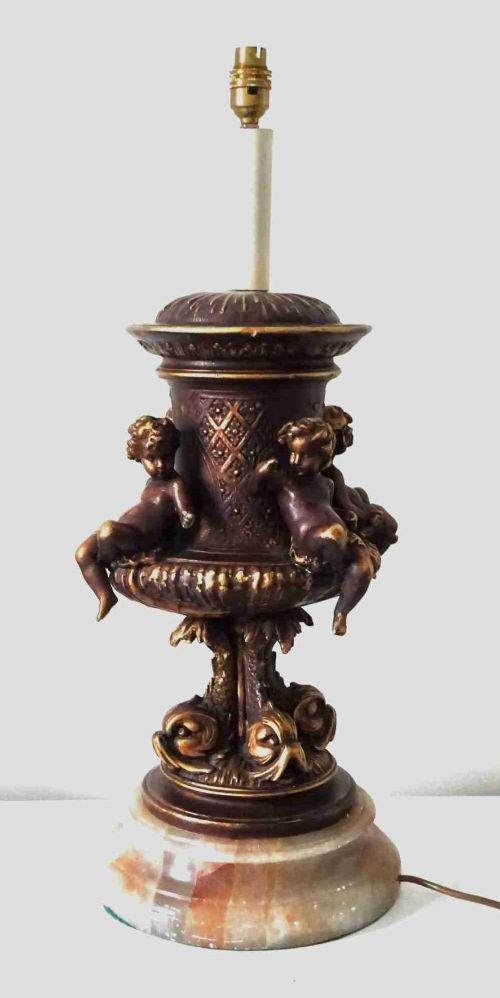
Makers and designers drew upon classical motifs, resulting in lamps shaped as ewers, rams heads, pineapples, cherubs, and dolphins. A buyer will also find pairs designed for symmetry on sideboards and consoles alongside individual night lights.
How they were made
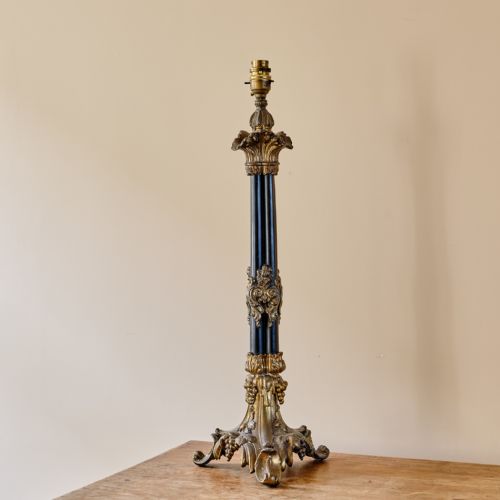
Construction relies on casting bronze, brass, or gilt metal, often finished with fire gilding known as ormolu to achieve a bright, reflective surface. Artisans combined these metals with carved marble and onyx bases to provide stability and contrasting texture.
Decorative elements involve intricate chasing and floral designs applied directly to the metalwork, alongside moulded porcelain bodies and crystal components. Lamps incorporate fabric shades or act as night lights featuring bronze animal figures mounted on stone.
Listings feature table lamps spanning the nineteenth and early twentieth centuries, utilising gilt bronze, ormolu, marble, onyx, and Paris porcelain.
What varies in quality
Quality separates simple production from superior craftsmanship through the crispness of the cast bronze and the depth of the chasing. Pieces showing high artistic intent display well-defined sculptural details in figures like cherubs or rams heads rather than softened edges.
The choice of secondary materials marks the distinction between standard and fine examples, evident in the selection of solid marble, genuine onyx, and Paris porcelain. The precision with which mounts fit the stone and metal components indicates the standard of the workshop.
The Gold Bronze Accent Lighting Glossary
- Ormolu
- Gilt bronze produced by applying a mercury and gold amalgam to cast bronze and heating it to leave a golden finish. This technique was widely utilised in French decorative arts.
- Gilt Bronze
- Bronze metal that has been coated with a thin layer of gold or gold-coloured wash. It provides the characteristic metallic gleam seen across nineteenth-century lighting.
- Rococo Revival
- A nineteenth-century design style drawing on eighteenth-century French forms with asymmetric curves, scrollwork, and naturalistic motifs. It frequently appears in continental table lamps.
- Paris Porcelain
- Fine ceramic produced by various kilns in Paris during the nineteenth and early twentieth centuries. It often serves as the central body for decorative lamps.
- Neoclassical
- A style rooted in classical antiquity featuring geometric restraint, urns, and architectural symmetry. Pieces in this manner reflect archaeological discoveries of the period.
Gold Bronze Accent Lighting: Frequently Asked Questions
What periods do these lamps come from?
The lighting on this page dates predominantly from the nineteenth and early twentieth centuries, spanning from eighteen fifty to nineteen thirty. Pieces reflect periods such as the nineteenth century, nineteen hundred, and nineteen thirty.
Stylistic markers align with French design movements like Louis XVI, Rococo Revival, and Neoclassical eras.
How do I identify French pieces?
French table lamps often incorporate specific regional materials such as Paris porcelain, white marble, and onyx alongside fire-gilded ormolu mounts. Makers frequently employed classical motifs like cherubs, dolphins, and ewers.
Stylistic categories including French Belle Epoque and French Rococo also point directly to continental workshops.
Where were these lamps placed originally?
These accent lights functioned on side tables, desks, and console tables within period drawing rooms and boudoirs. Pairs were placed symmetrically on large pieces of furniture to provide balanced illumination.
Smaller night lights served in bedrooms, often combining bronze animal figures with marble bases.
What materials accompany the bronze?
Metal components are frequently combined with carved marble, onyx, crystal, and glazed porcelain bodies. Fabric shades complete the structure of the table lamps.
Base materials provide structural weight while contrasting with the reflective finish of gilt bronze and brass.