
Pair Decorative Ceramic Vases
Pair decorative ceramic vases bring symmetry to a room, offering matched artistry from the nineteenth and early twentieth centuries.
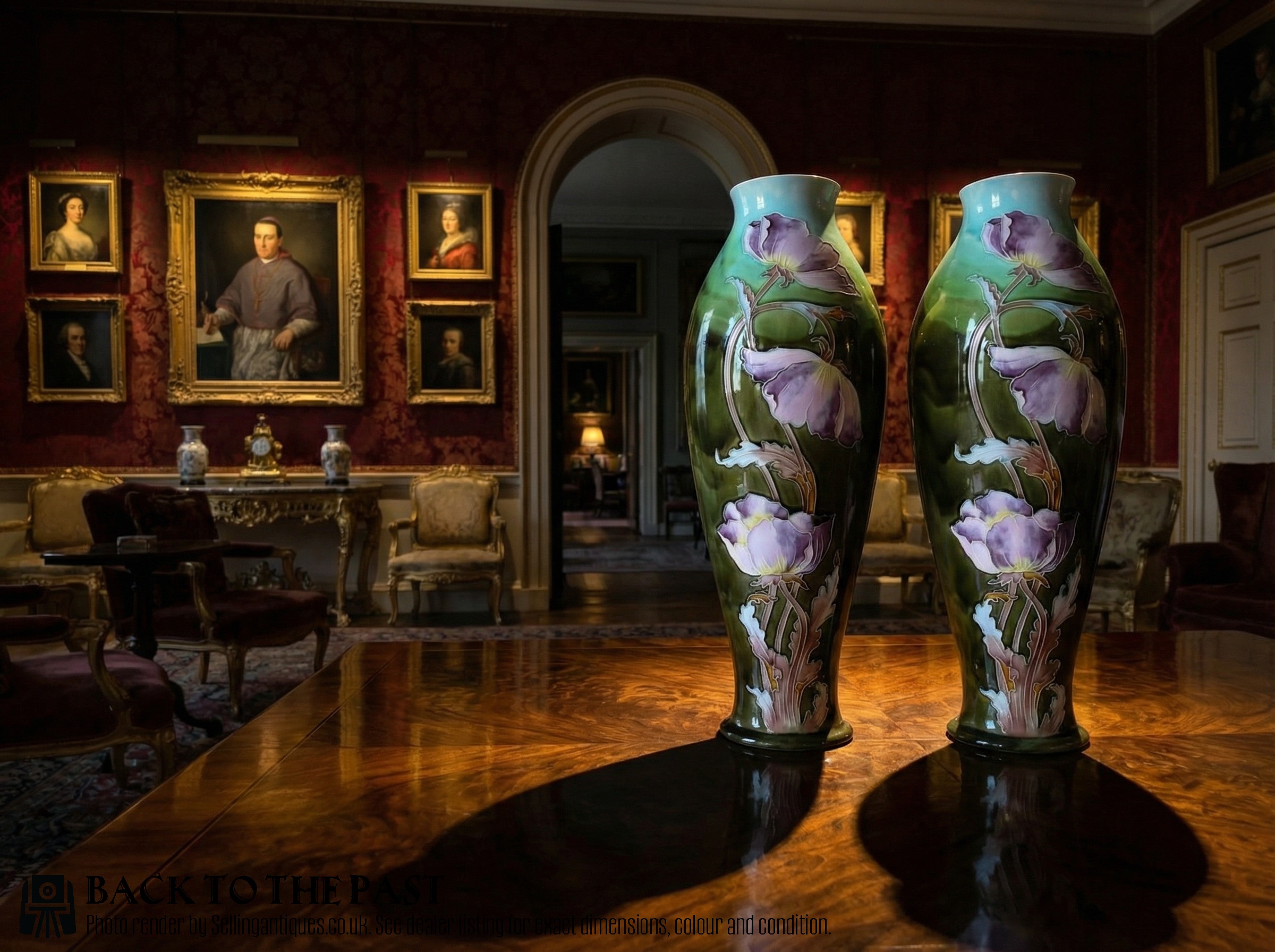
Pair Decorative Ceramic Vases
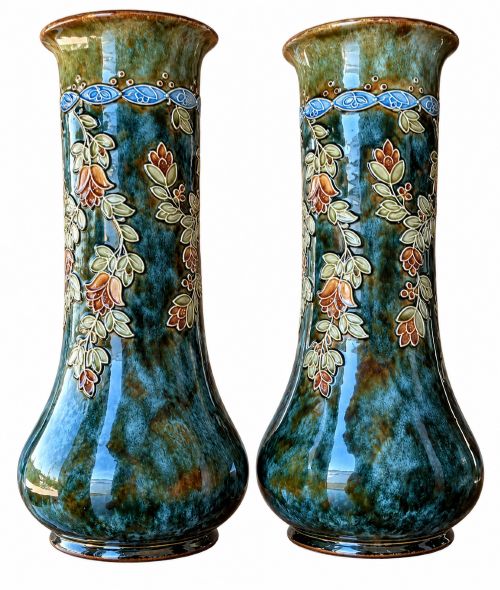
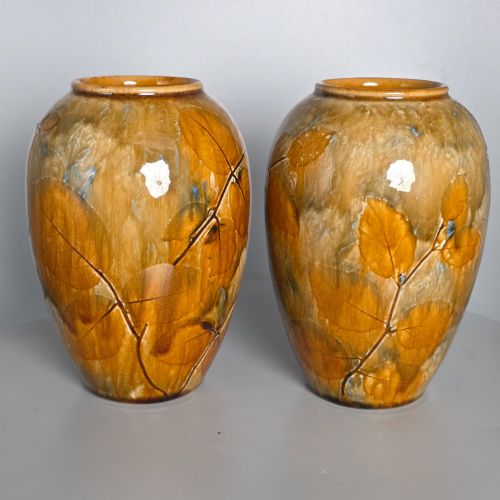
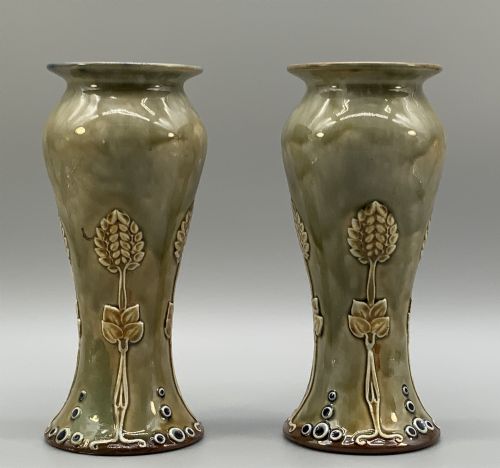
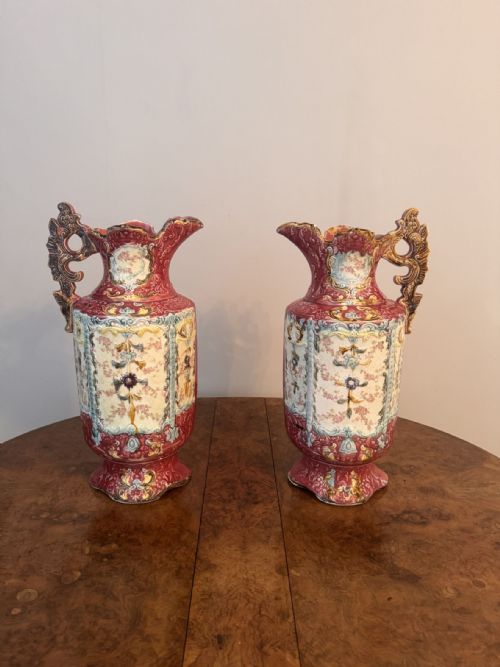
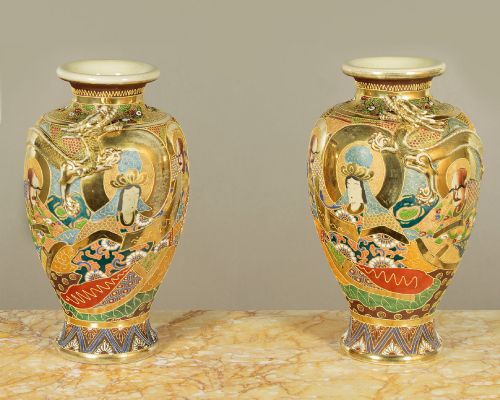
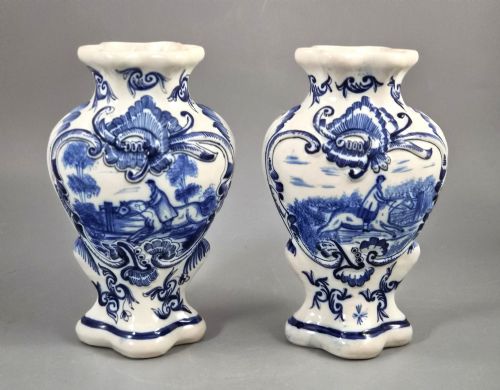
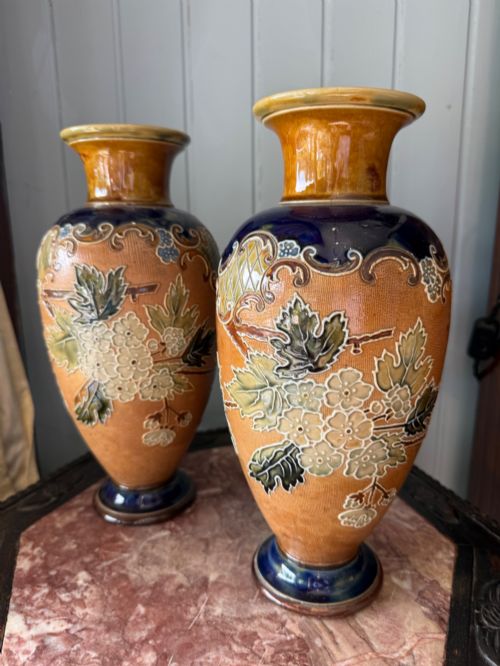
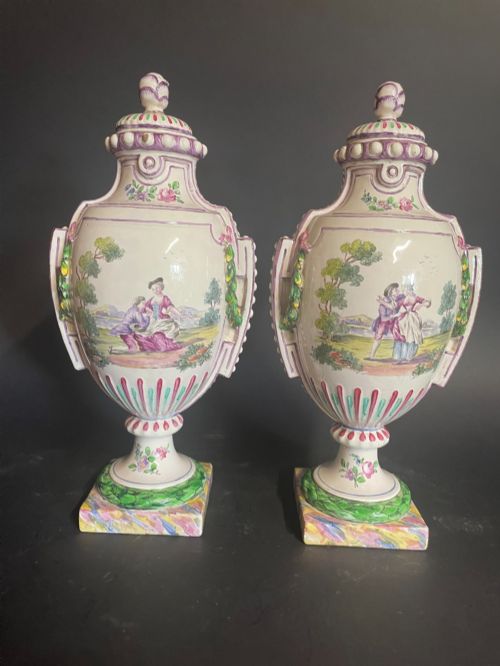
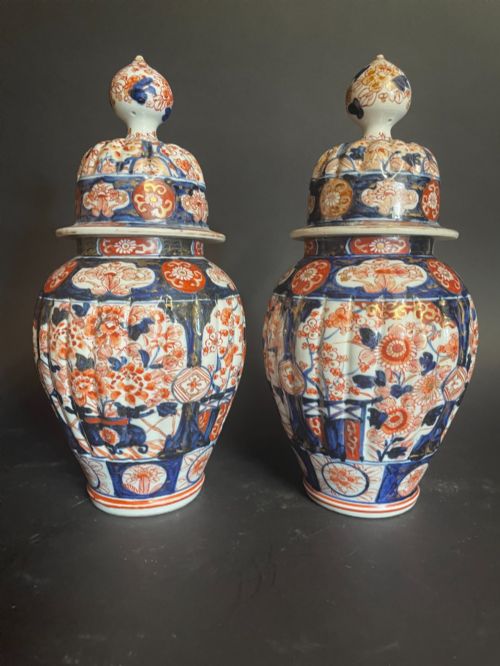
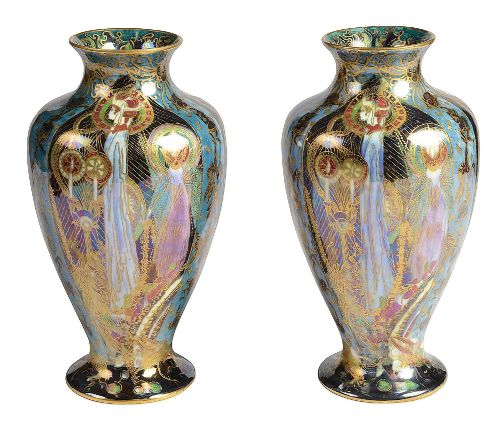
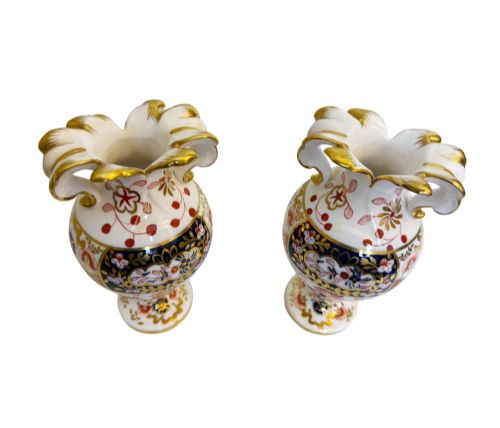
A pair decorative ceramic vases selection brings together matched vessels designed to sit in balance on a mantelpiece, sideboard or console table. These twin objects include baluster forms, campana shapes, urns and moon flasks produced across various international traditions.
The pieces encountered most frequently span the nineteenth century into the early decades of the twentieth century, taking in Victorian, Edwardian and Art Nouveau aesthetics. Makers ranged from prominent English potteries like Royal Doulton and Royal Worcester to Japanese Satsuma and Kutani workshops, alongside continental factories.
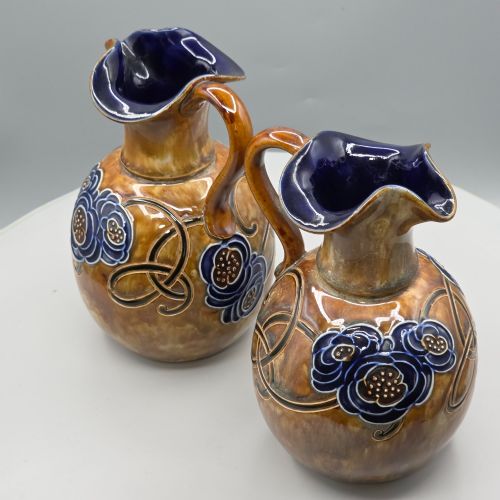
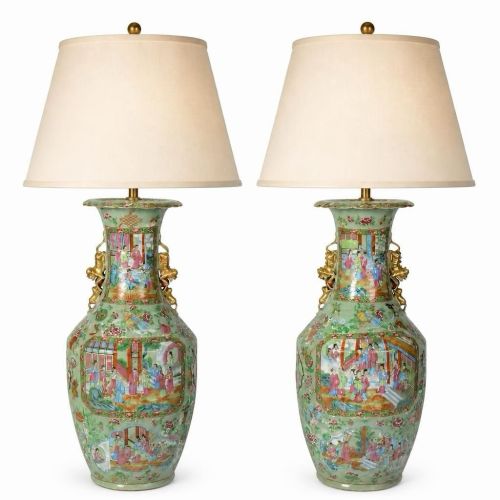
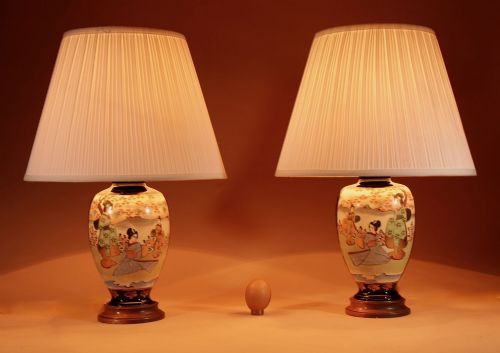
Forms extend beyond traditional display vessels to encompass ewers, lidded jars, jugs and occasional instances adapted into table lamps. Each matching pair shares decorative schemes, whether hand-painted florals, transfer-printed motifs or complex surface glazes.
How They Were Made
Potters shaped these vessels using earthenware, stoneware or hard-paste porcelain, employing throwing techniques on a wheel or moulding the clay in sections. Stoneware bodies offered robust durability, while porcelain allowed for thinner walls and delicate, translucent profiles.
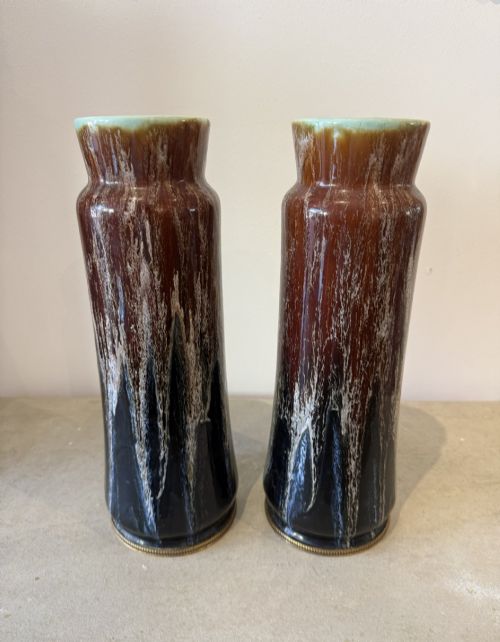
Surface decoration relied on applied glazes, enamels, majolica tin-glazes and occasional gilding with gold leaf. Kiln firings set the colours permanently, with some pieces undergoing multiple firings to fix intricate overglaze enamels and metallic accents.
The selection includes functional forms converted into table lamps alongside traditional display urns and ewers.
What Varies in Quality
The execution of the painted or modelled ornament dictates the standing of a pair, separating factory production from individual artistic achievement. Hand-painted details signed by known decorators demonstrate greater skill than standard transfer-printed repetition.
Symmetry and balance between the two vessels define superior examples, ensuring that forms, glaze tones and decorative panels correspond closely. The crispness of moulded relief work and the depth of the glaze also mark out the higher tier of production.
Royal Doulton·Royal Worcester·Fourmaintraux Courquin·Sceaux Faience·Spode·Daisy Makeig Jones·Samson Paris·Hicks and Meigh·Helena Wolfsohn·Louisa Wakely·Manpei·Mettlach Pottery·Chivers
The Pair Decorative Ceramic Vases Glossary
- Campana
- A bell-shaped vessel pattern derived from classical antiquity with flared rims and footed bases. Victorian makers adapted this classical profile for decorative garnitures.
- Majolica
- A type of earthenware coated in an opaque tin glaze and painted with brightly coloured metallic oxides. The technique yields rich, vibrant surfaces popular during the Victorian era.
- Satsuma
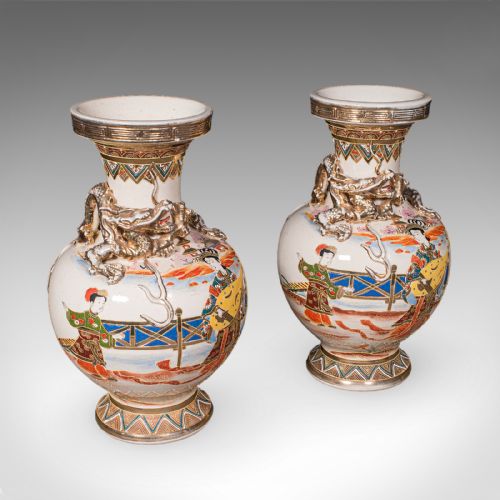
- A style of earthenware originating from Japan, characterised by a fine crackle-glaze and intricate polychrome and gilt enamel decoration. These wares were widely exported to Europe during the Meiji period.
- Faience
- European tin-glazed earthenware produced across various continental centres. The porous clay body receives a white glaze that accepts painted pigments before firing.
Pair Decorative Ceramic Vases: Frequently Asked Questions
How should I display a pair of antique vases?
Symmetrical placement on a mantelpiece, sideboard or matching pedestals allows the corresponding shapes and patterns to anchor a room's composition. Placing them too far apart diminishes their visual link as a matched set.
Ensure they sit safely away from high-traffic walkways where accidental knocks might occur. Natural light highlights the glazes and painted details without exposing fragile surfaces to harsh direct sun.
Were these vessels intended for holding water?
Many decorative ceramic pieces served strictly as ornamental garnitures or display items rather than functional flower containers. Porous earthenware and objects with delicate enamel work or gilt embellishments are best kept dry.
Inspecting the interior helps determine if a piece was glazed for liquid use or left unsealed. When in doubt, utilise a discreet inner vessel rather than pouring water directly inside antique ceramics.
How can I tell the difference between Victorian and Edwardian styles?
Victorian ceramics often display heavier ornamentation, rich colours like royal yellow and deep blues, and elaborate revivalist motifs including Rococo scrollwork. The forms lean towards dramatic presence and dense surface pattern.
Edwardian pieces generally favour lighter palettes, blush ivory grounds, and softer floral designs influenced by Art Nouveau curves. The overall aesthetic shifts from Victorian grandeur towards refined domestic elegance.
What does Satsuma mean on a ceramic listing?
Satsuma identifies Japanese pottery characterised by a warm, ivory-coloured crackle-glaze decorated with detailed enamel pigments and raised gold work. These wares gained immense popularity in the West during the Meiji period.
Authentic examples exhibit fine crazing across the glaze surface beneath intricate hand-painted figural or floral scenes. They represent a distinct cross-cultural dialogue between Japanese craftsmanship and European collecting tastes.