
Pair Blue Porcelain Urns
These pair blue porcelain urns bring symmetrical balance and vibrant ceramic colour to interior spaces through varied historic designs.
Pair Blue Porcelain Urns
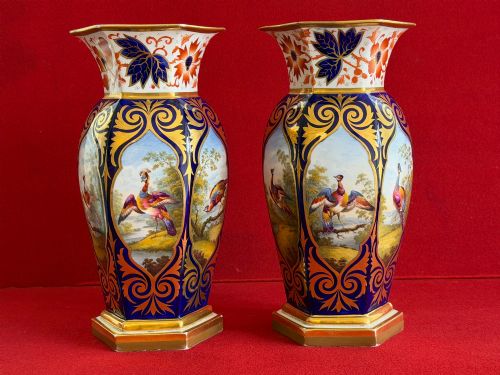
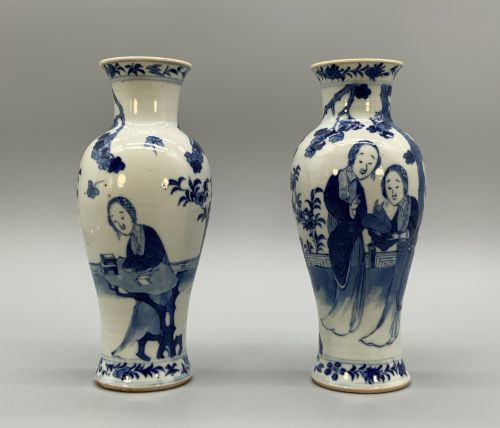
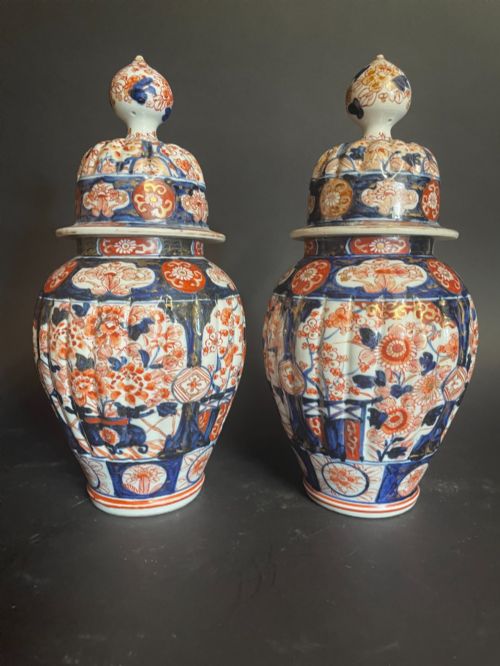
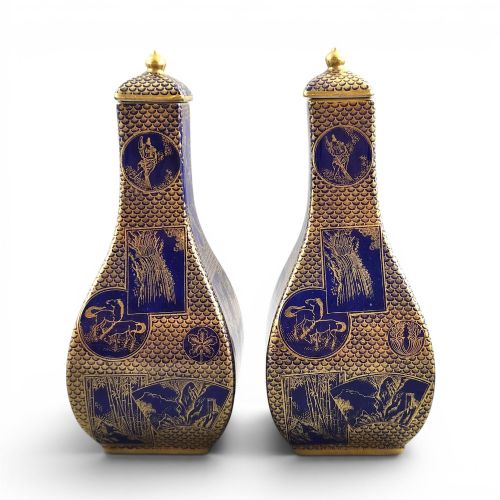
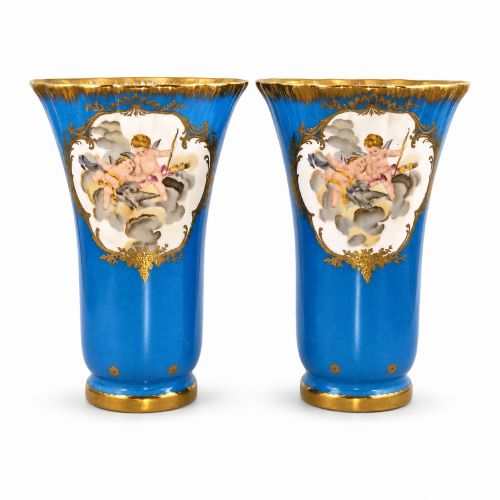
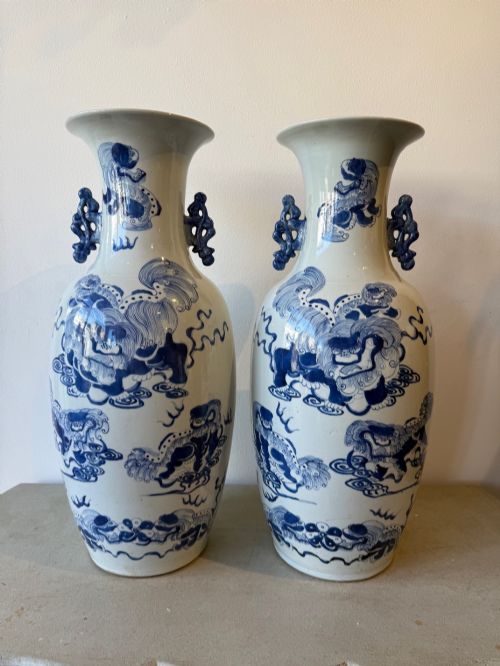
When searching for pair blue porcelain urns, buyers encounter decorative vessels shaped as baluster vases, lidded jars, and campana urns. These objects originate from European potteries and East Asian traditions, spanning the nineteenth century through the Edwardian era.
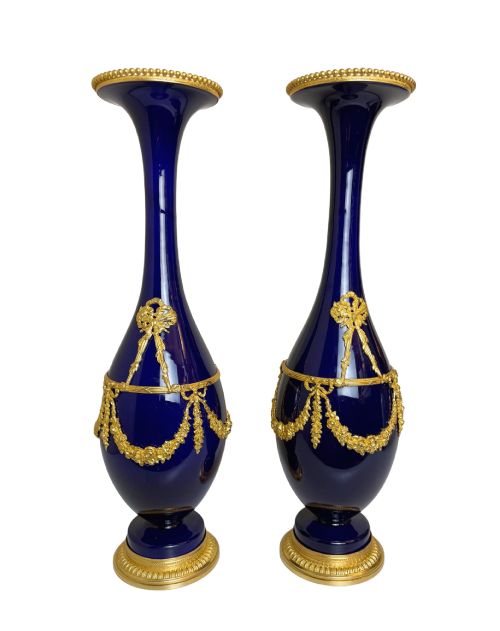
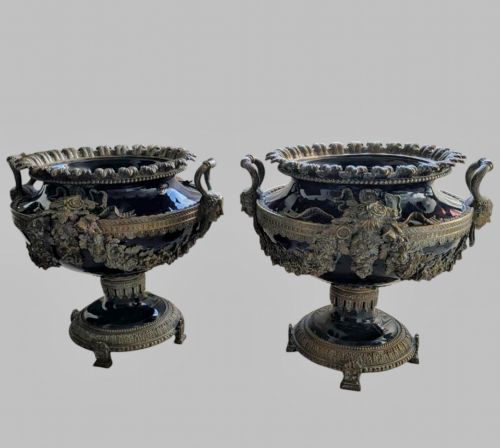
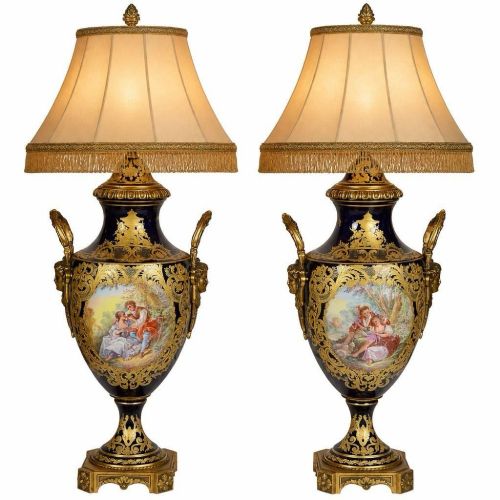
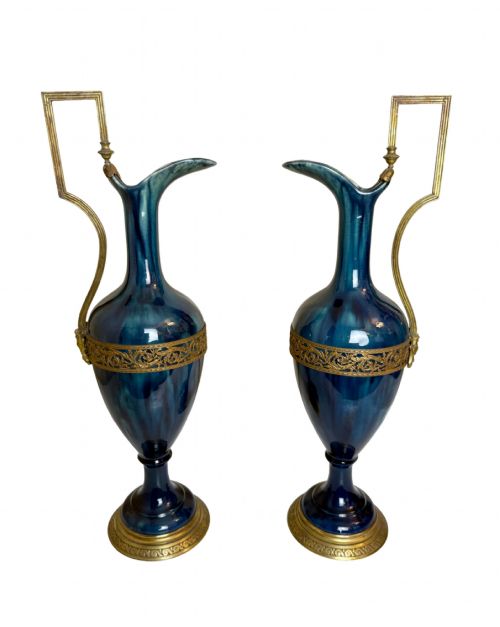
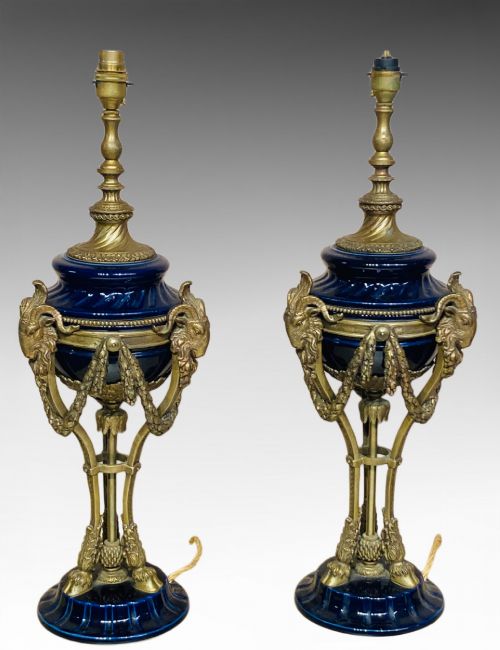
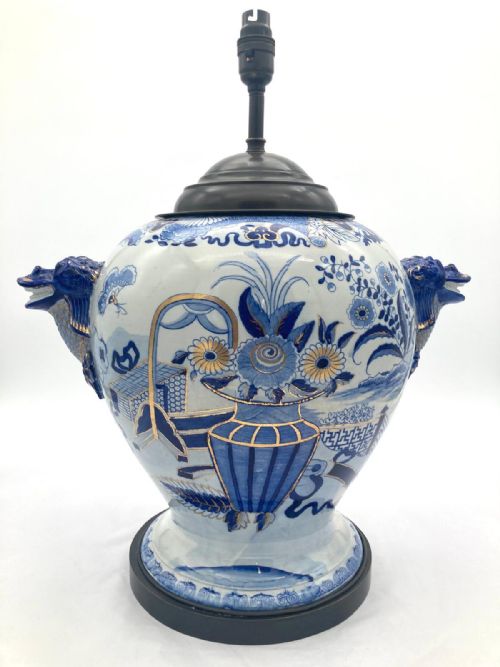
The versions most common on this page combine cobalt or mazarine blue ceramic bodies with contrasting metallic mounts, often adapted later as table lamps. Such matching pairs serve traditional mantelpiece displays or balanced surface styling.
How they were made
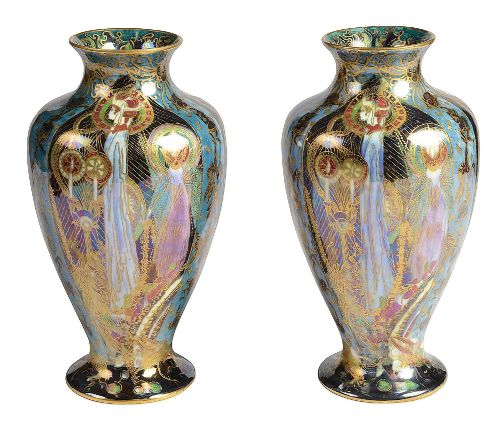
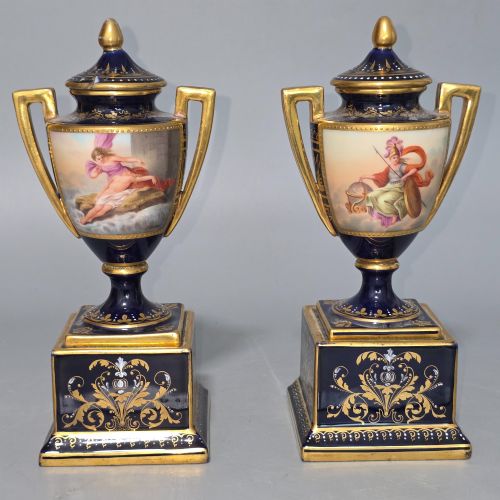
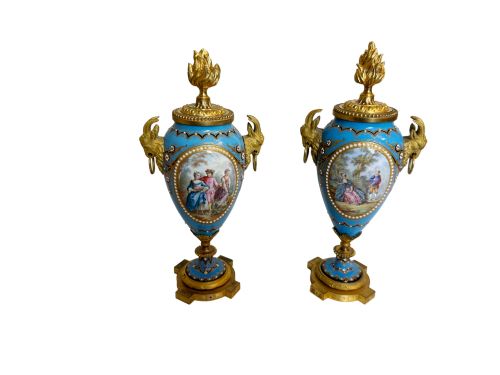
Potters shaped these vessels from porcelain, ironstone, or earthenware, applying rich blue glazes, enamel pigments, or transfer printing before high-temperature firing. Many examples incorporate hand-painted details, figural scenes, or moulded bas-relief elements.
Metal components such as gilt bronze, ormolu, and gold leaf provide structural mounts, handles, and bases. Artisans secured these decorative mounts to the ceramic bodies to complete the composition of the urns and vases.
The inventory spans the nineteenth century, the Regency period, and the Edwardian era through various decorative styles.
What varies in quality
Quality depends upon the crispness of the ceramic moulding and the precision of the hand-painted decoration. Finer examples display detailed brushwork, consistent glaze application, and well-defined motifs rather than simplified transfer designs.
The execution of the metal mounts further separates tiers of manufacture. Heavy, finely chased ormolu or gilt bronze fittings indicate superior workshop production compared to lighter, plain metal alternatives.
Flight, Barr and Barr·Wedgwood·Mason·Royal Worcester·Carlton Ware
The Pair Blue Porcelain Urns Glossary
- Ormolu
- Gilded bronze mounts applied to furniture and ceramics. This decorative technique became prominent in French furniture and decorative arts.
- Baluster
- A vase or urn form with a rounded body and a narrow neck. This shape widens toward the base to create stability.
- Imari
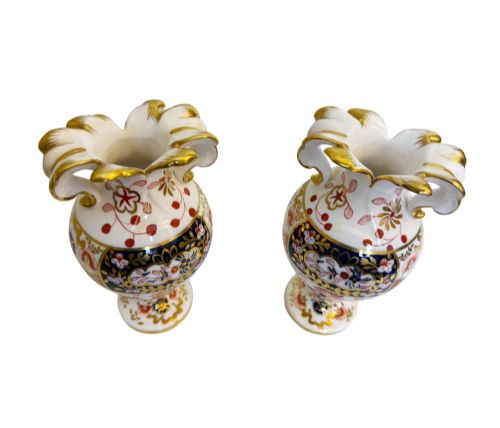
- Japanese porcelain decorated in underglaze blue, iron red, and gold. Export wares from the Edo period influenced European ceramic production.
- Campana
- A bell-shaped urn or vase derived from classical antiquity. These vessels typically feature a flared rim and a pedestal foot.
- Jasperware
- A fine-grained stoneware developed by Josiah Wedgwood. It is characterised by contrasting white reliefs set against coloured clay grounds.
Pair Blue Porcelain Urns: Frequently Asked Questions
How were pair blue porcelain urns originally used?
These vessels functioned primarily as decorative garnitures on mantelpieces, sideboards, or console tables in formal rooms. Their matching symmetry provided visual balance to interior architectural schemes.
Some large examples held dried flowers or potpourri, while others served purely as ornamental objects to display wealth and artistic taste.
Can I safely use these urns as lamps?
Many historic pairs undergo professional conversion into table lamps to suit modern domestic lighting needs. This adaptation often incorporates wiring through the base without altering the visible ceramic body.
Buyers should inspect existing electrical fittings for safety compliance and ensure lamp hardware preserves the structural integrity of the antique.
What defines French ormolu mounted porcelain?
French mounted pieces combine imported or domestic porcelain bodies with cast, chased, and gilded bronze elements. These metal mounts accentuate the rims, handles, and bases of the vessels.
This decorative style draws inspiration from Rococo Revival and Empire aesthetics, emphasising ornate craftsmanship and sculptural integration.