
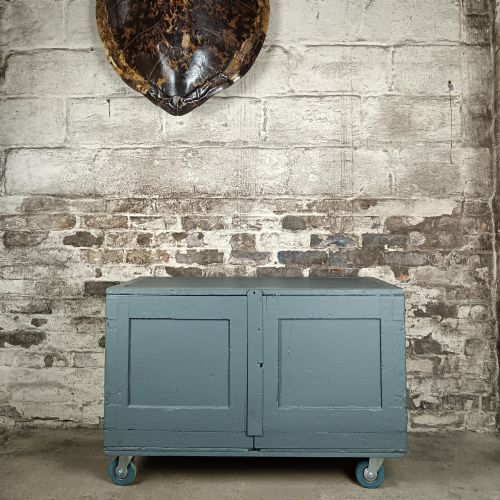
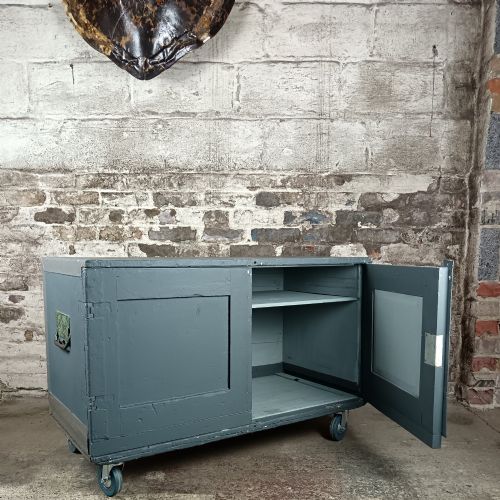
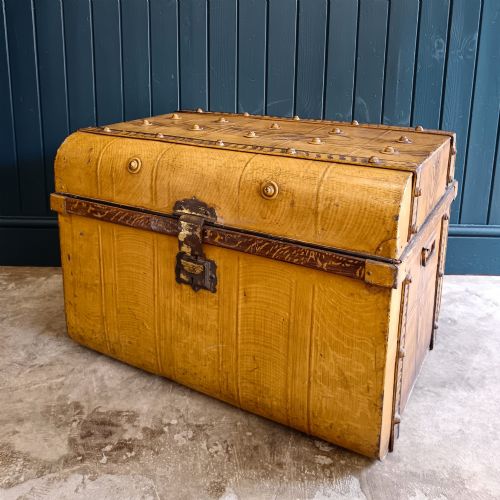
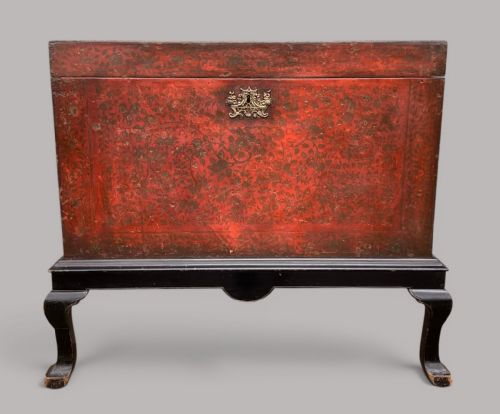
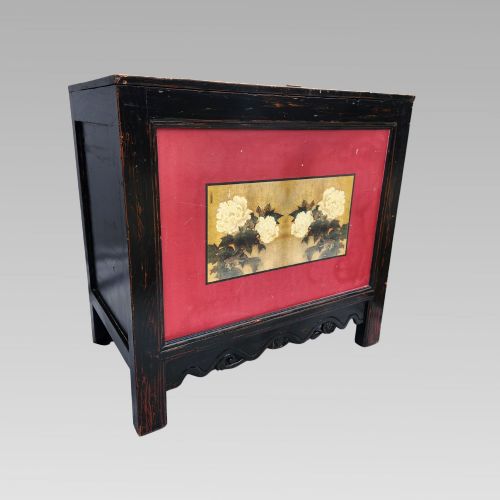


Painted Storage Trunk
A painted storage trunk brings colour and history to a room, offering robust storage disguised in folk art or regional decoration.
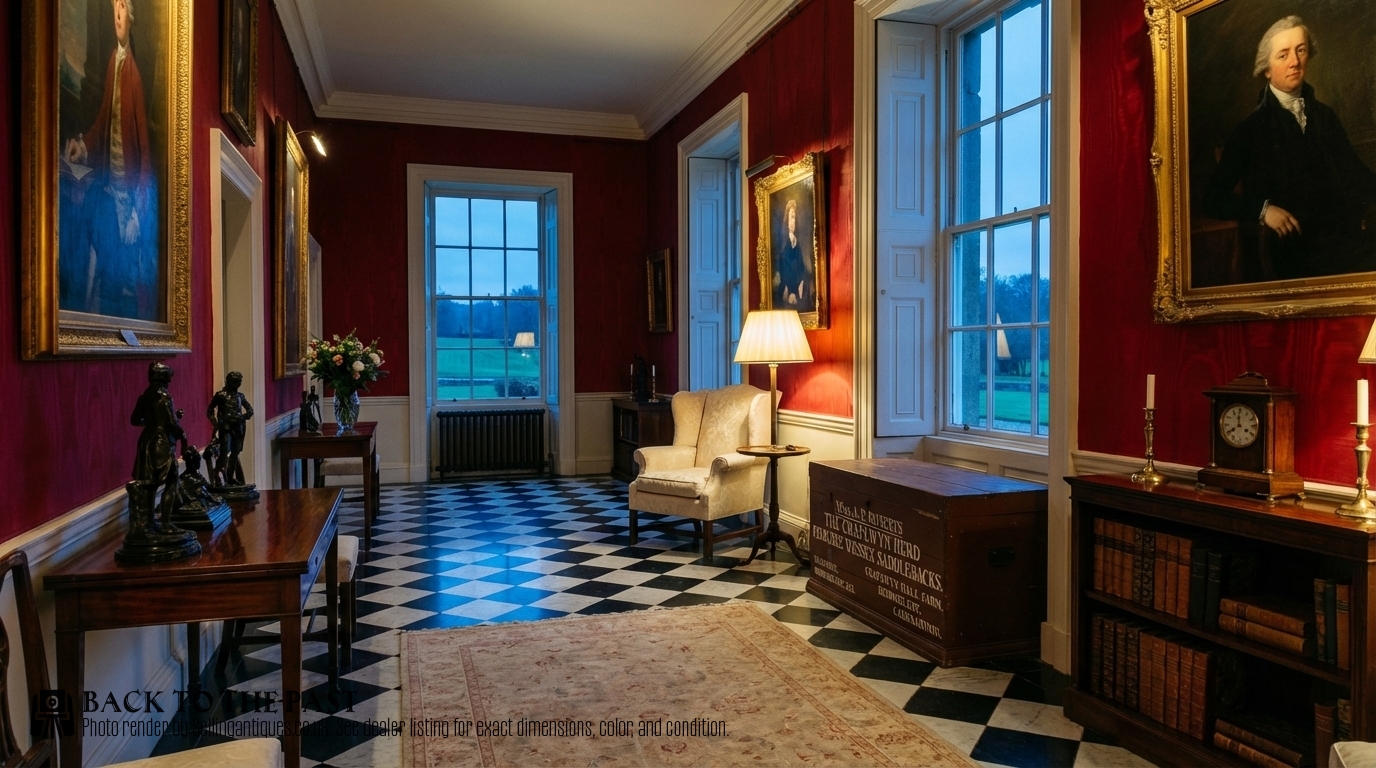
Painted Storage Trunk
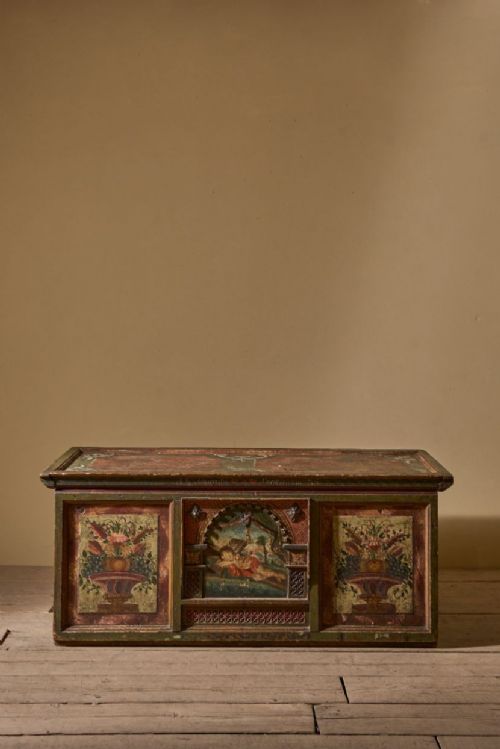
A painted storage trunk provides deep compartment space for household goods while displaying decorative surface finishes from various eras. Buyers seeking a painted storage trunk encounter pieces originating from British, Scandinavian, Hungarian, and Asian workshops, ranging in date from the Georgian period through the nineteenth century and into the early twentieth century.
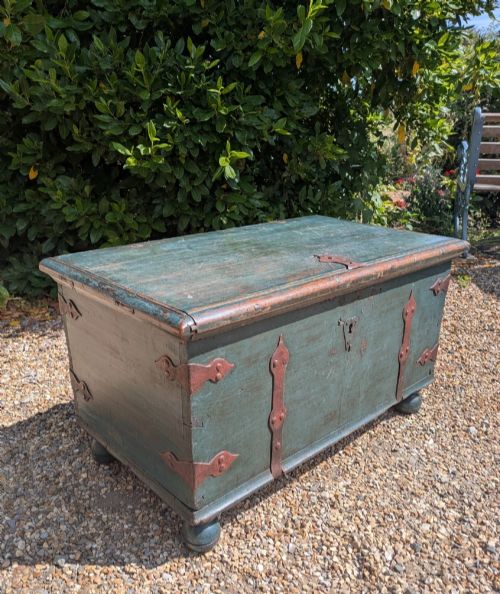
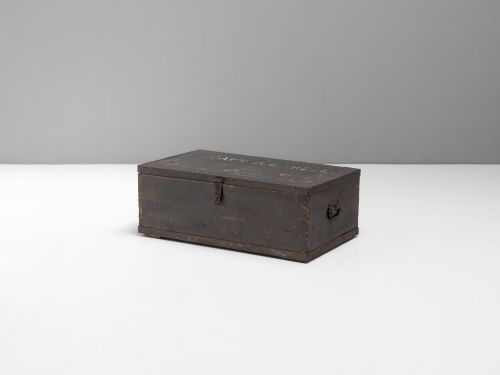
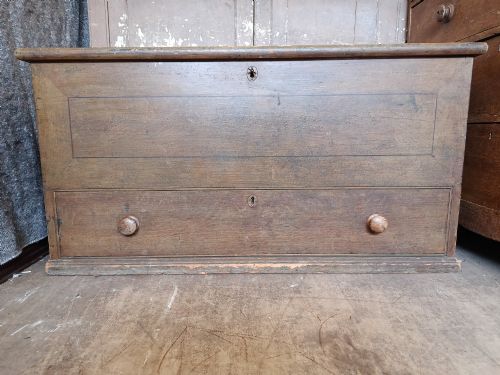
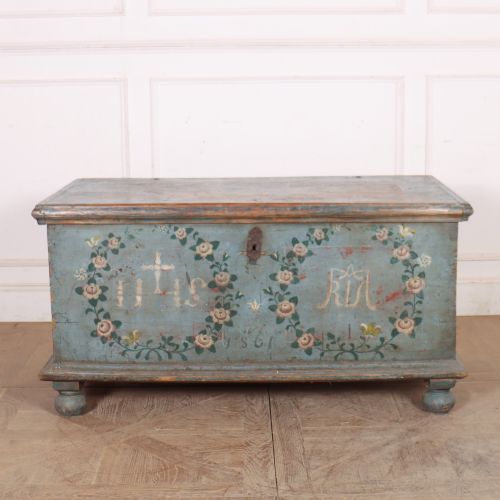
The forms vary from simple pine blanket boxes and mule chests to domed marriage trunks, campaign cases, and travel chests. Scandinavian and Hungarian pieces frequently exhibit folk art decoration, whereas Victorian examples include campaign boxes, tool chests, and estate-made silver chests.
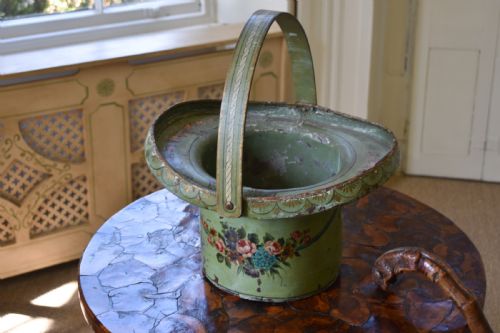
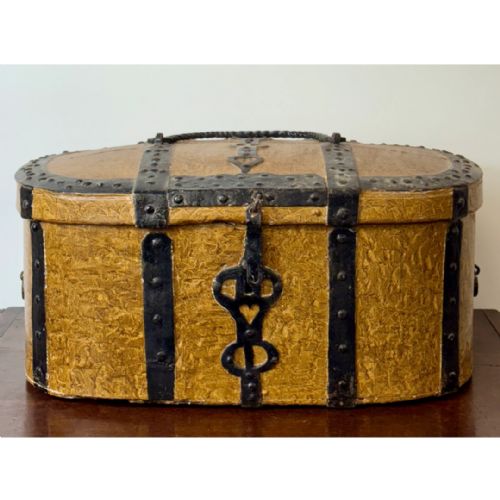
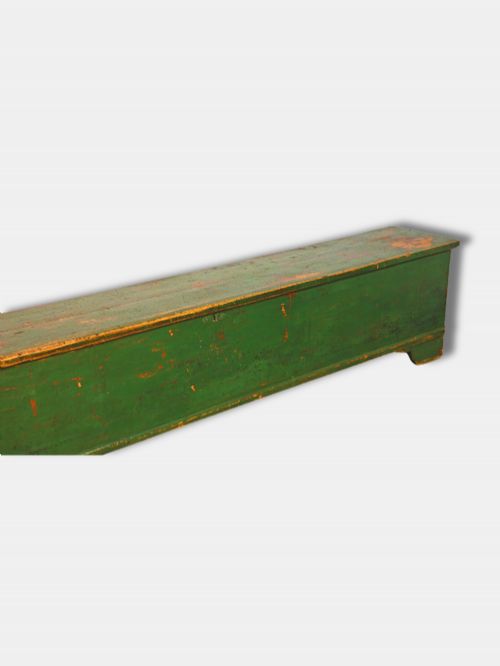
Pine serves as the primary timber for European country pieces, accompanied by iron or brass hardware, while other examples utilise lacquer, leather, and steel. Surviving surfaces range from plain scumble finishes to elaborate floral motifs and faux-wood effects applied over original ground paint.
How they were made
Carpenters constructed these trunks predominantly from solid pine and other native timbers, joining boards with dovetail corners, pegged joints, or heavy framing to withstand heavy transport. Blacksmiths provided hand-forged iron strapwork, hinges, and corner brackets to reinforce the wooden structures against the rigours of travel and daily use.
Makers applied oil-based paints, red lacquer, or scumble glazes directly to the wood, sometimes embellishing the surfaces with freehand floral brushwork or protective leather coverings. Surviving pieces often retain their original ground colours beneath subsequent layers of decoration applied by later owners or regional craftspeople.
Some nineteenth-century tool chests retain the exact ink-stained partitions once used by travelling carpenters to sort their chisels.
What varies in quality
Quality rests in the survival of original decorative surfaces and the integrity of the structural timber. Trunks retaining their untouched regional paintwork and hand-forged ironwork sit at the upper end of the scale, whereas stripped or heavily repainted examples hold lesser interest for collectors.
Construction details distinguish utilitarian transport crates from domestic furniture made by skilled cabinet makers. Dovetailed joints, robust brass carrying handles, and interior till compartments indicate careful workshop production rather than hurried vernacular carpentry.
The Painted Storage Trunk Glossary
- Mule chest
- A storage chest fitted with one or more drawers beneath the main internal compartment. This form bridges the gap between a traditional blanket box and a chest of drawers.
- Scumble pine
- Pine wood treated with a translucent glaze dragged or mottled across a lighter base coat to imitate the grain of more expensive hardwoods. It was a popular nineteenth-century decorative technique for country furniture.
- Campaign chest
- A portable trunk or chest built in sections with recessed brass handles and corner brackets, designed for easy transport by military officers on active service. They often split into modular units for packhorse or carriage transit.
- Cassone
- A large Italian painted or carved chest traditionally used for holding wedding trousseau items. These pieces frequently display heraldic motifs or narrative painting.
- Strapwork
- Flat bands of metal, often iron or brass, nailed across the exterior of a trunk to reinforce the corners and lid. Hand-forged examples indicate earlier vernacular manufacture.
Painted Storage Trunk: Frequently Asked Questions
How were painted trunks used historically?
These chests served primarily for transporting personal belongings during travel or storing heavy household textiles, blankets, and garments at home. Marriage chests held the dowry linens and wedding gifts accumulated by a bride.
Specialist variants like military campaign cases and cabinet makers' tool chests were engineered to protect professional equipment during transit across rough terrain or overseas journeys.
How do I care for an old painted finish?
Keep painted trunks away from direct sunlight and steady heat sources, which can cause nineteenth-century oil paints and lacquers to dry out and flake. Dust the surfaces gently with a dry, soft cloth rather than using liquid polishes or chemical cleaners.
Maintain stable indoor humidity levels to prevent the underlying timber from expanding or contracting, which places stress on the fragile historic paint layers.
How do I distinguish regional styles?
Scandinavian and Hungarian pieces often feature vibrant folk art floral motifs, bright ground colours, and distinctive proportions typical of rural European craft traditions. British country pieces tend to use scumble glazes, simple pine construction, or utilitarian iron strapwork.
Asian trade trunks frequently employ black or red lacquer finishes combined with Chinoiserie decoration, separating them visually from European domestic furniture.
Are these trunks suitable for daily storage?
Solid timber construction and sturdy iron hinges make these trunks well-suited for holding spare bedding, winter clothes, or household items in modern living spaces. The internal compartments offer substantial volume while keeping contents enclosed and dust-free.
Care should be taken not to overload the historic bases or drag heavy chests across uncarpeted floors to protect the original feet and bottom boards.