


Painted Wooden Trunk
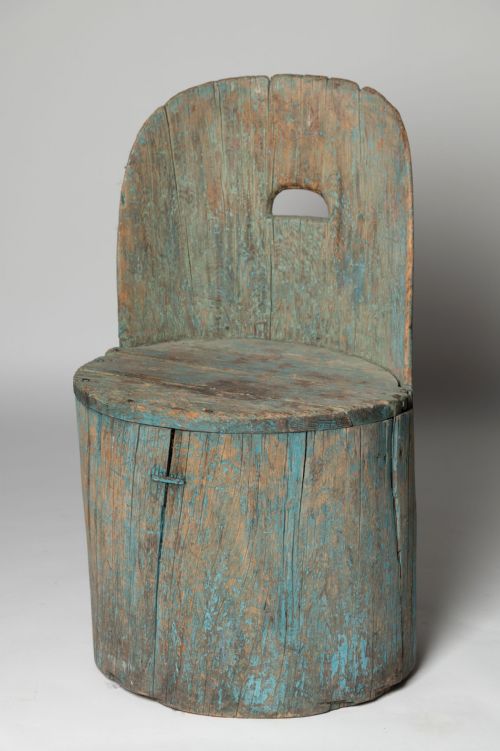
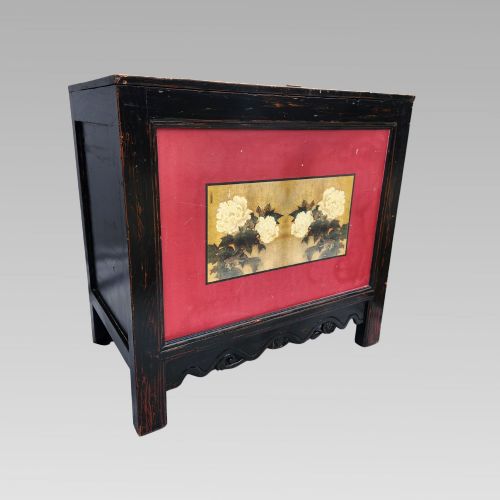
A painted wooden trunk brings rugged utility and folk artistry together, offering practical storage wrapped in centuries of decorative charm.
Painted Wooden Trunk
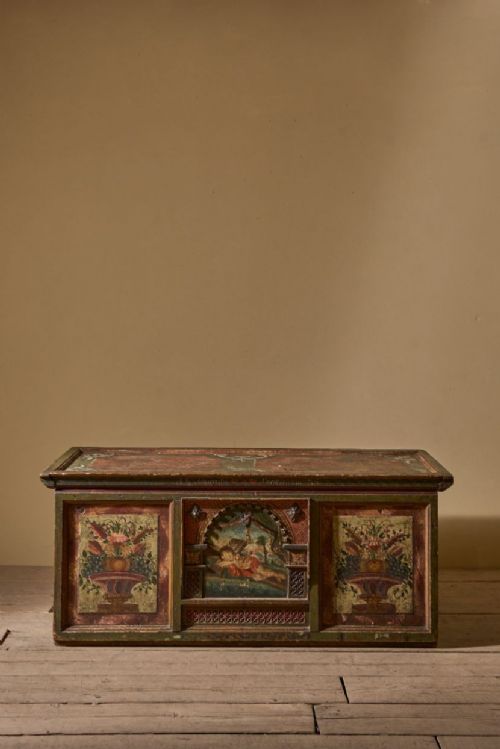
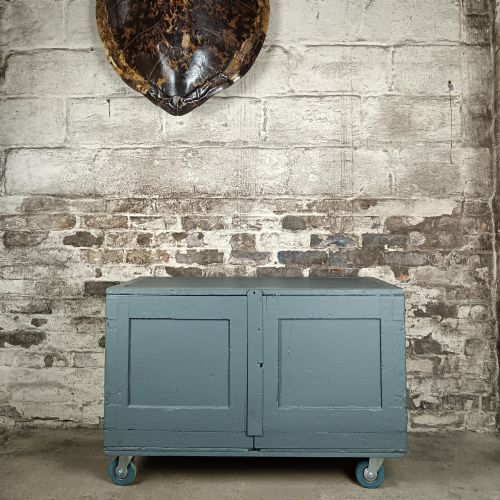
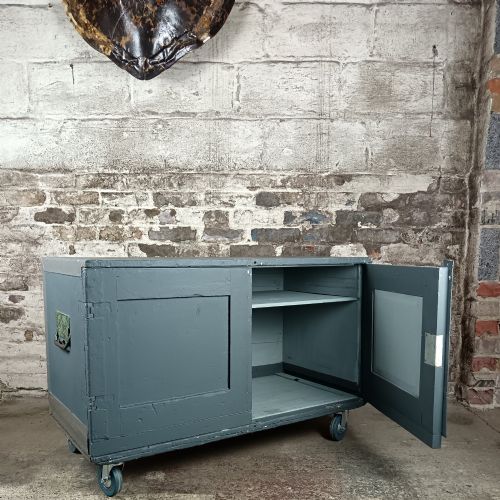
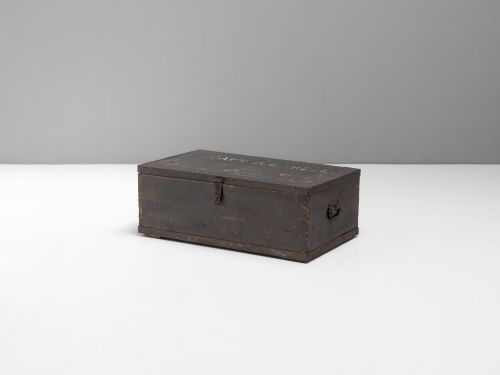
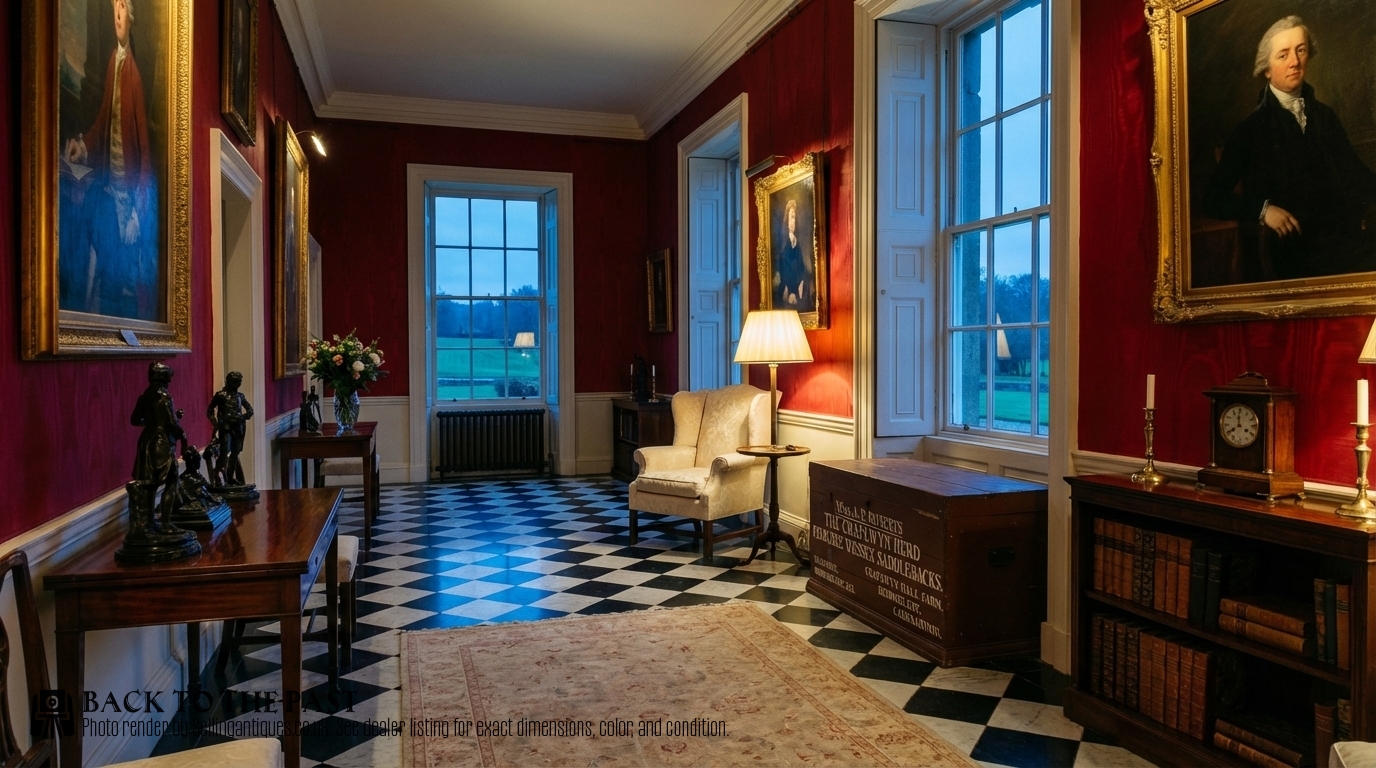
A painted wooden trunk serves as a sturdy receptacle for domestic goods, blankets, and travel provisions. Buyers seeking a painted wooden trunk encounter pieces originating from diverse regional traditions, including Scandinavian folk art, Hungarian coffer boxes, and Victorian blanket boxes.
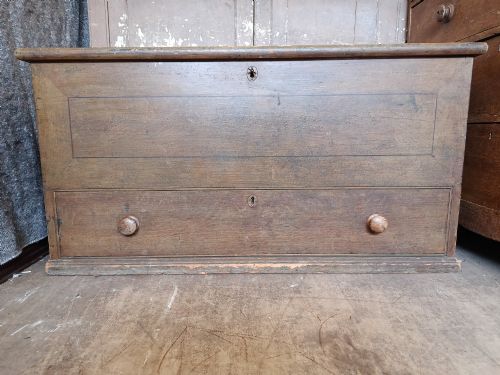
The selection ranges from large marriage chests destined for domestic milestones down to compact travel boxes and silver chests. Pine provides the primary body for these items, shaped into dome tops, mule chests with lower drawers, and flat-lidded storage coffers.
Geographic variations span from Alpine regions and Sweden to Spain, the Netherlands, and Hungary. Each provenance brings distinct proportions and local pigment choices, ensuring that no two storage pieces share the exact same decorative vocabulary.
Materials and Technique
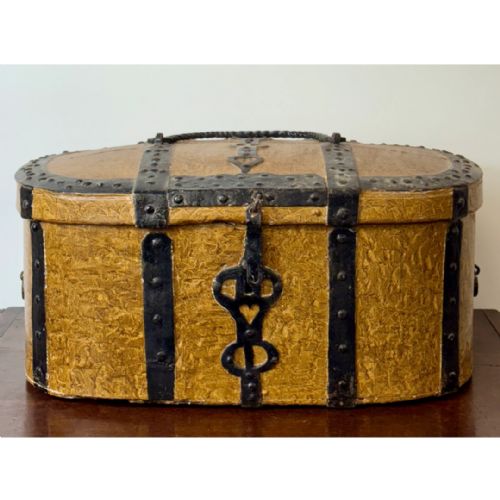
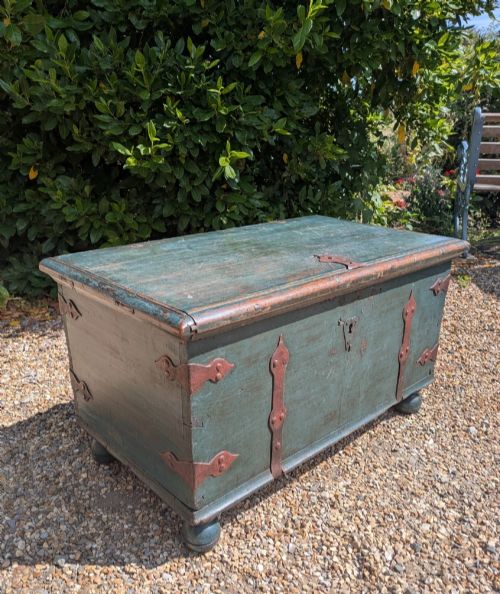
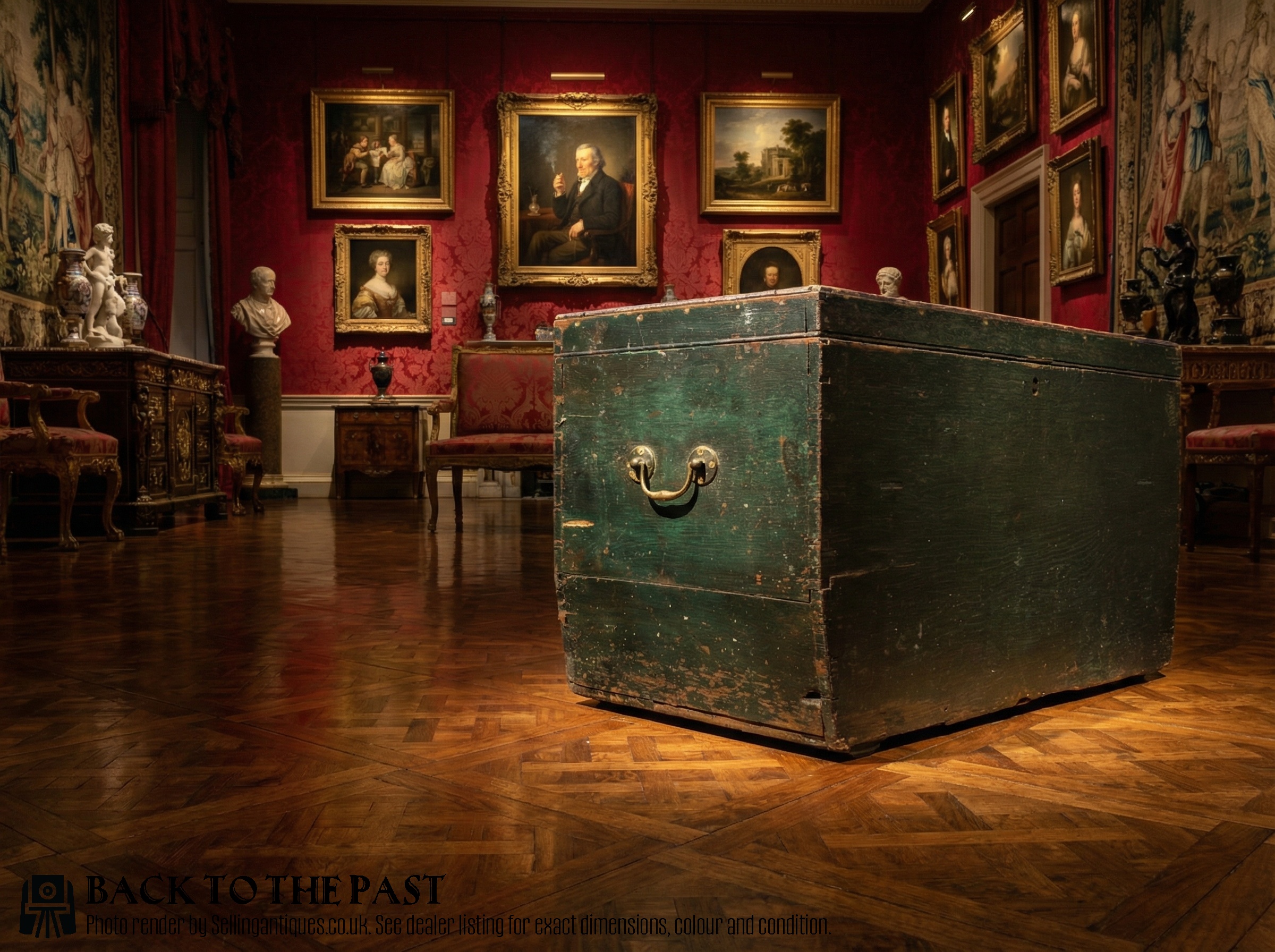
Construction relies heavily on solid pine timbers joined to withstand heavy use, frequently supplemented by hand-forged iron strapwork, brass fittings, and sturdy hinges. Blacksmiths hammered out iron braces and lock plates that reinforced the corners while securing the contents during transit.
Surface decoration involves application of ground pigment and paint directly to the wood, sometimes utilising scumble techniques to simulate richer grain or layering floral motifs by hand. Original paint layers remain preserved beneath subsequent patination, documenting the regional colour palettes favoured by past makers.
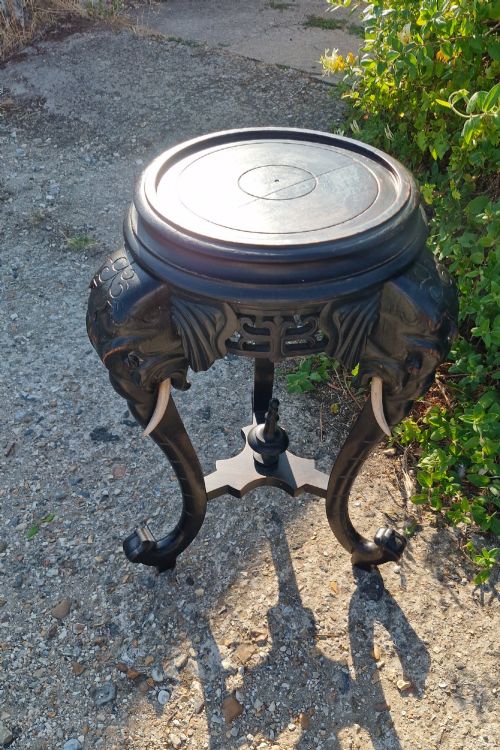
One late Victorian table repurposes painted wooden tusks for its unique display.
Evaluating the Range
Quality rests in the survival of original pigment and the integrity of the structural timber rather than mere decorative flashiness. Pieces retaining their unstripped surface decoration show the authentic hand of regional artisans, whereas stripped or heavily restored examples lose their historical narrative.
The sophistication of the ironwork and the precision of the dovetail joinery distinguish everyday utility boxes from significant marriage chests or estate pieces. Superior examples balance robust functional construction with spirited brushwork that has aged gracefully over the centuries.
The Painted Wooden Trunk Glossary
- Mule chest
- A storage chest fitted with one or more drawers beneath the main internal compartment. This form bridges the gap between traditional coffers and modern chests of drawers.
- Marriage chest
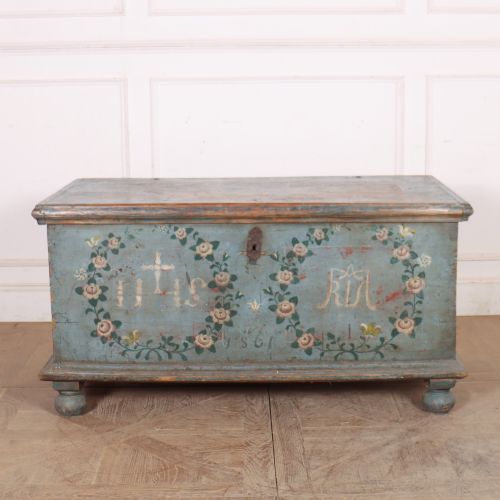
- A decorative box commissioned or gifted to celebrate a wedding, often inscribed with dates or initials and painted with symbolic flora. These pieces usually display the highest level of regional folk artistry.
- Scumble pine
- Pine treated with a translucent glaze dragged or mottled across the surface with brushes or combs. This technique creates simulated wood grains or patterned textures beneath a protective finish.
- Strapwork
- Iron or metal bands applied across the exterior joints and corners of a chest for reinforcement. Hand-forged straps often double as decorative framing for the painted panels.
- Coffer
- A heavy wooden box traditionally used for safekeeping valuables and documents. Coffers typically feature deep storage wells and robust lids.
Painted Wooden Trunk: Frequently Asked Questions
How were painted trunks used originally?
These boxes stored textiles, winter garments, silver, and personal valuables within the home or during transport. Military officers and travellers also utilised specialised variants to pack equipment on campaigns.
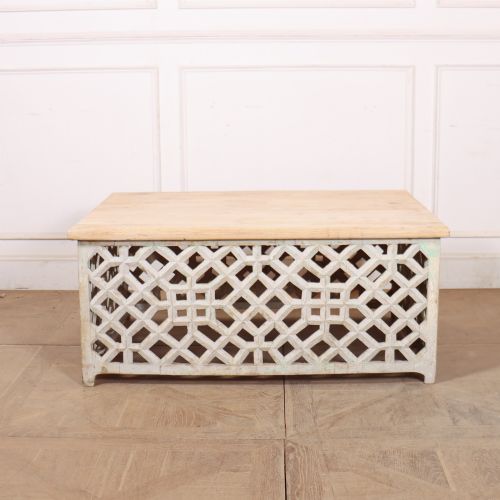
Over generations, many evolved from utilitarian storage into focal points for domestic display, housing household linens or serving as coffee tables.
How do I distinguish regional styles?
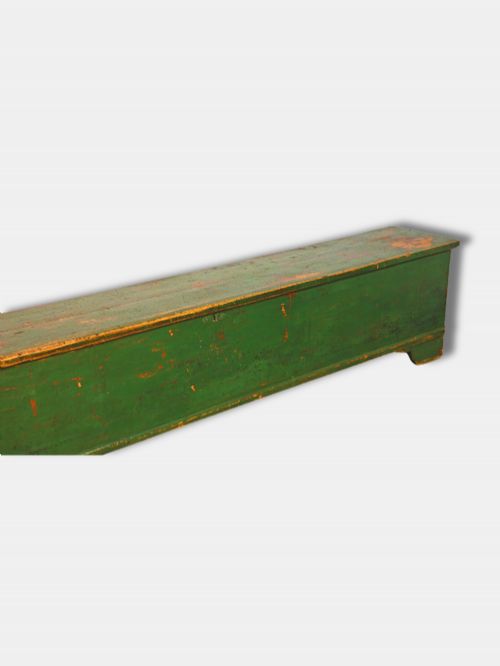
Scandinavian and Alpine examples frequently feature floral motifs, bright pigments, and marriage inscriptions tied to local folk traditions. Hungarian boxes often display distinctive coffer proportions with rich teal or green painted finishes.
British and Victorian blanket boxes tend toward simpler scumble pine finishes or estate-made utility designs without the elaborate folk painting seen on continental European pieces.
Can I use a trunk as a coffee table?
Flat-topped storage chests and low coffers adapt readily to living room layouts, providing generous internal storage while serving as a central surface. Selecting a piece with a stable, even lid ensures drinks and books remain secure.
Placing felt pads beneath the base protects modern flooring from older iron brackets and feet.
What is scumble paint?
Scumbling involves applying a translucent or semi-opaque glaze over a lighter base coat and manipulating it with tools to reveal patterned brush marks. Makers utilised this method to imitate expensive hardwoods or to create decorative textured surfaces on pine.
Recognising this technique helps date the surface treatment and separates genuine historic decoration from modern flat emulsions.