



19th Century Storage Chest
These 19th century storage chest options offer durable utility and period character, providing practical storage solutions for any room.
What a 19th century storage chest is
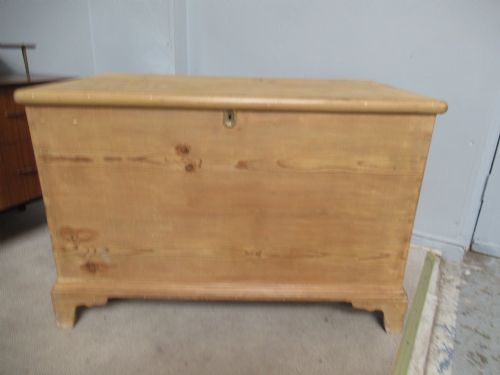
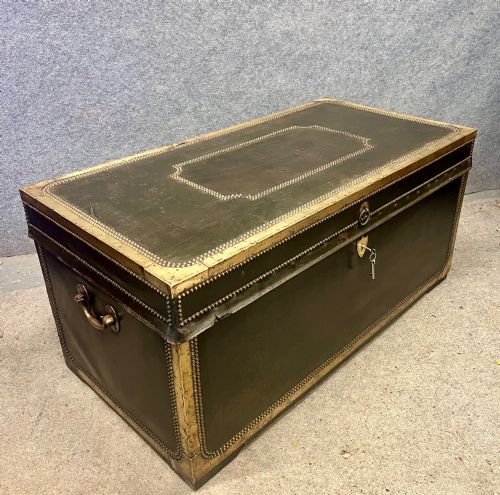
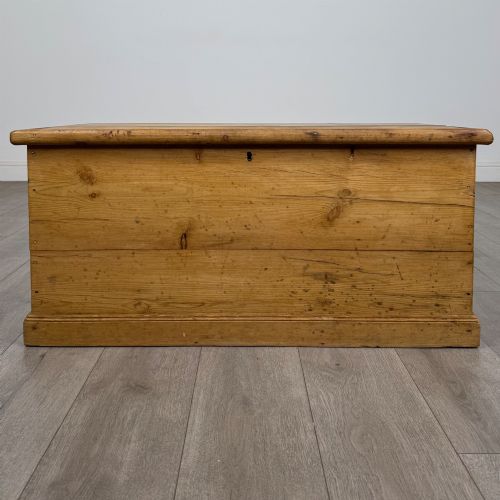
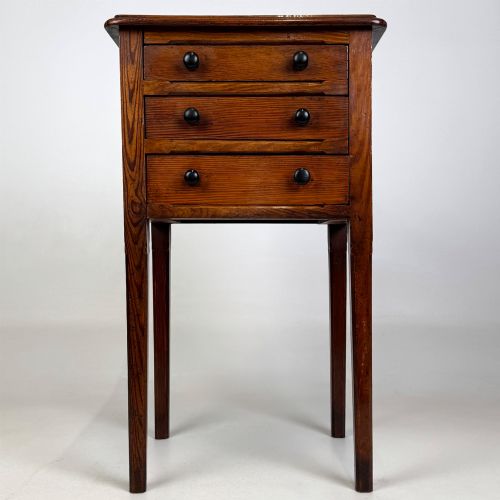
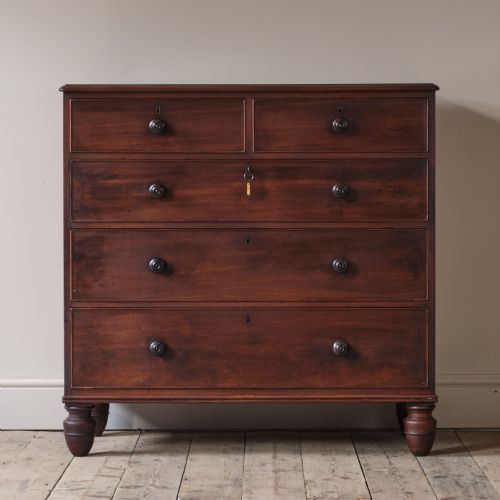
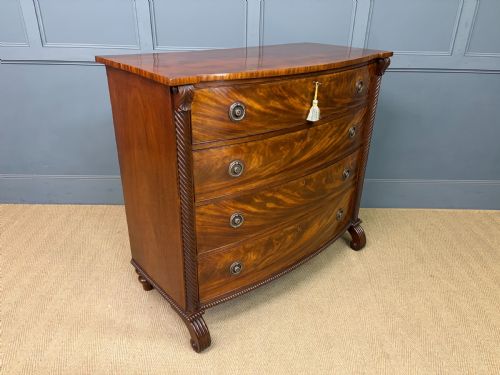
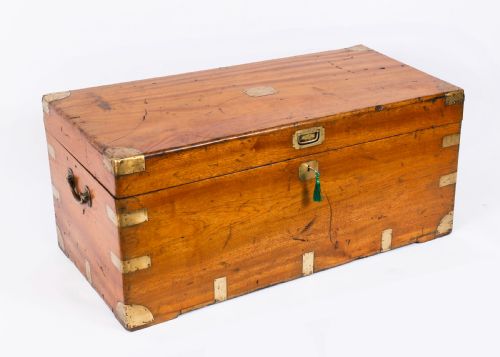
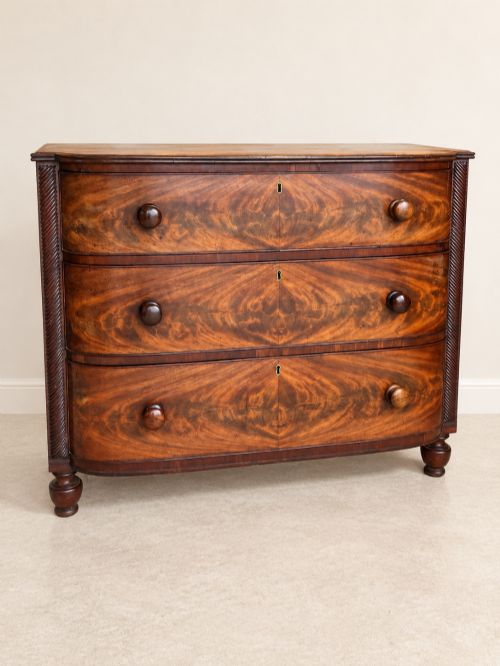
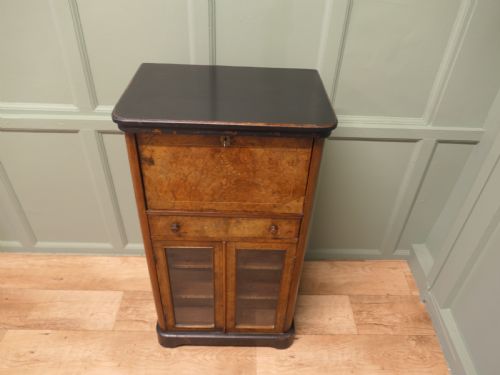
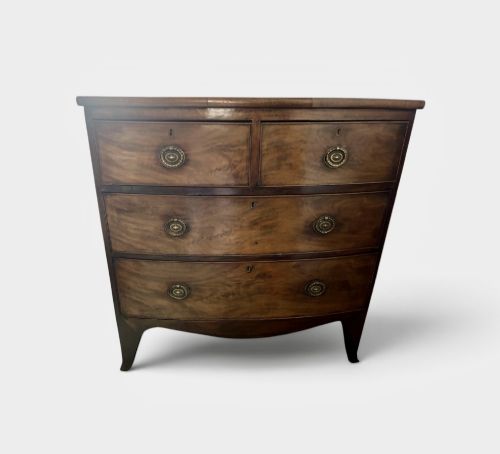
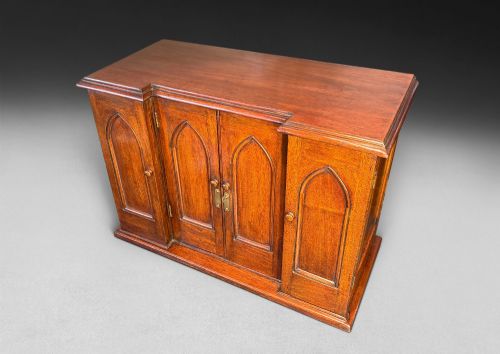
A 19th century storage chest encompasses practical household containers designed for holding clothes, blankets, or valuables during a period defined by travel and domestic organisation. The inventory available on this page displays a variety of forms including campaign trunks, blanket boxes, silver chests, and chests of drawers.
Buyers most frequently encounter robust wooden trunks fashioned from timbers such as camphor wood, mahogany, oak, and pine. These pieces range from utilitarian travel luggage to refined domestic furniture intended for static room placement.
Origins and styling span Georgian, Regency, and Victorian periods, incorporating Colonial campaign designs alongside standard English domestic pieces. Each iteration reflects the specific transport or storage demands of its original owner.
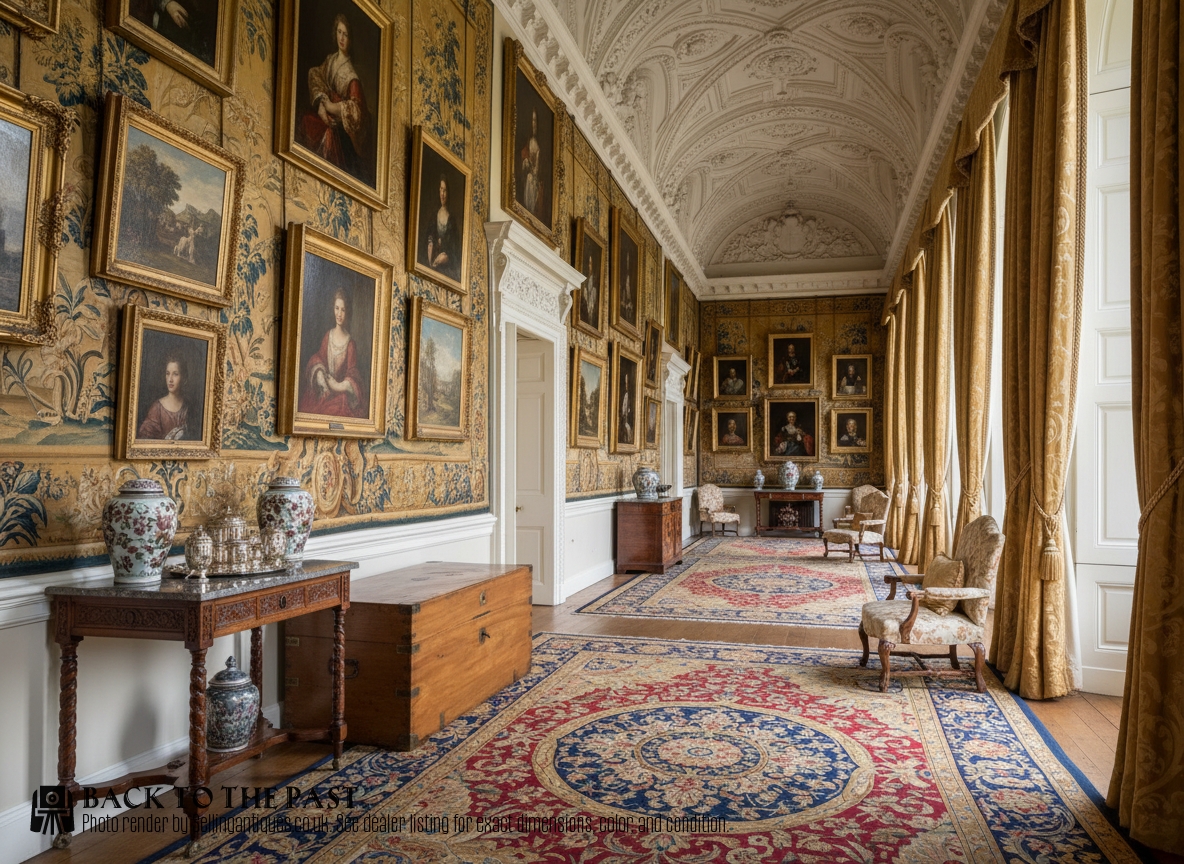
How they were made
Construction relies upon durable timbers selected for structural strength and resistance to travel conditions, with camphor wood, oak, mahogany, and pine forming the primary bodies. Artisans reinforced these wooden carcasses with functional metal elements including brass corners, iron straps, and cast iron reinforcements to withstand heavy transit.
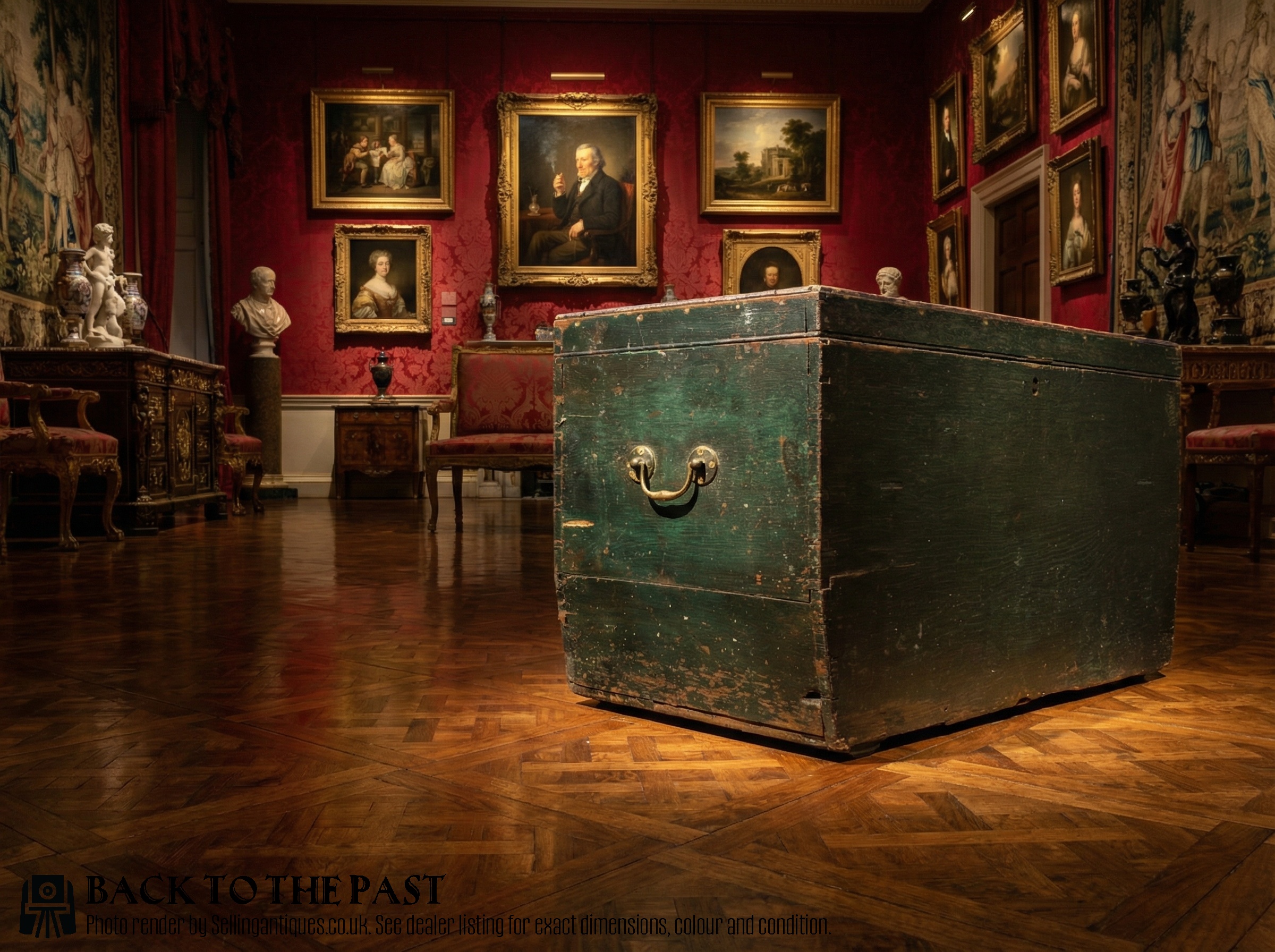
Surface treatments vary according to the intended use of the trunk, ranging from simple green painted finishes on oak coaching chests to polished mahogany and figured satinwood on domestic drawer units. Hardware such as mother of pearl inlays and recessed brass drop handles provides both decorative detail and practical utility for handling.
Retail Price Guide 2026
Typical UK retail prices for 19th century storage chest, calculated from the Sellingantiques database of over a million retail prices indexed since 2003. This retail price guide relies exclusively on Sellingantiques data; no external sources or auction records are used, so the figures do not describe the wider market.
A faint scent of camphor often lingers inside these nineteenth century trunks after nearly two hundred years.
What varies in quality
Quality in these pieces is dictated by the selection of primary timbers and the integration of specialised hardware, where dense tropical woods like camphor or figured satinwood command greater attention than standard pine. The presence of original structural reinforcement, such as dovetailed joints and heavy brass strapping, separates superior transport trunks from simpler domestic boxes.
The sophistication of the internal layout and secondary materials also distinguishes finer examples, visible in fitted compartments, original locks, and delicate decorative elements like mother of pearl details. Pieces retaining their original painted finishes or untouched patination demonstrate a higher degree of historical integrity.
The 19th Century Storage Chest Glossary
- Campaign trunk
- A portable chest built in sections or fitted with carrying handles specifically for military officers or travellers on the move during the nineteenth century. These items typically feature recessed brass hardware to prevent snagging during transport.
- Coaching trunk
- A sturdy wooden chest designed to be strapped to the roof or boot of a horse-drawn coach for travel. They are usually heavily reinforced with iron or paint to withstand exposure to weather.
- Camphor wood
- An aromatic timber frequently utilised for nineteenth century chests due to its natural insect-repellent properties. This material protected stored textiles from moths and dampness during long sea voyages.
- Silver chest
- A heavy-duty storage box lined to protect family plate and silverware from tarnish and damage. These trunks often combine robust oak frames with internal compartmentalisation.
- Satinwood
- A lustrous hardwood native to regions including Ceylon, prized for its golden colour and fine grain. It appears on high-status nineteenth century furniture and decorative chests.
Frequently Asked Questions
What is a campaign chest?
A campaign chest is modular furniture designed to be easily packed and transported by military officers on active service. These pieces often feature recessed handles and brass corners for protection during transit.
They combine practical portability with refined craftsmanship, making them versatile for modern interior settings.
How were camphor trunks used?
Camphor trunks served as durable luggage and linen storage for travellers navigating tropical climates. The natural aroma of the wood kept insects away from stored garments.
Today, they function well as decorative coffee tables or bedroom blanket boxes while maintaining their original utility.
How do I date a nineteenth century chest?
Dating relies on examining construction techniques, hardware styles, and the specific timber used. Regency and early nineteenth century pieces often display simpler utilitarian forms, while Victorian examples introduce more elaborate decoration.
Comparing the joinery and locks against known period examples helps narrow down the decade of manufacture.
Can I use these chests for everyday storage?
These chests are exceptionally sturdy and provide ample space for household items, blankets, or clothing. Their robust wooden construction ensures they withstand regular daily use.
Placing them in living rooms or bedrooms adds historical character while solving practical storage needs.