
Painted Porcelain Urns
These painted porcelain urns bring enduring decorative presence and hand-painted artistry to any room, drawing on centuries of global ceramic tradition.

Painted Porcelain Urns
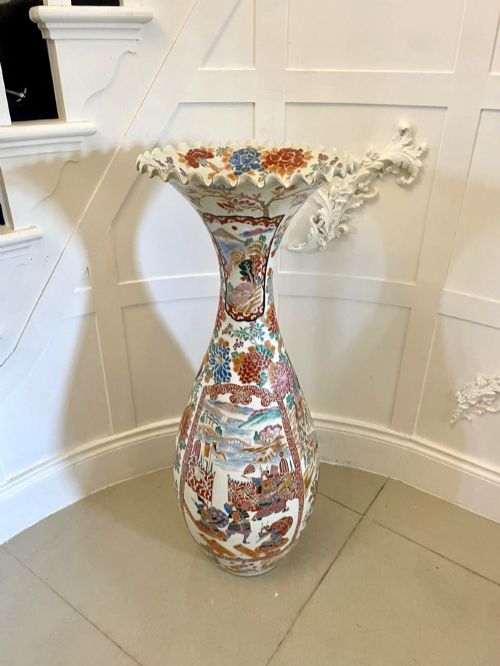
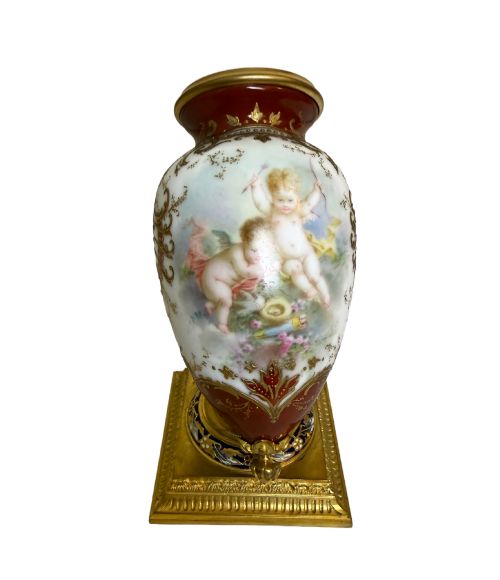
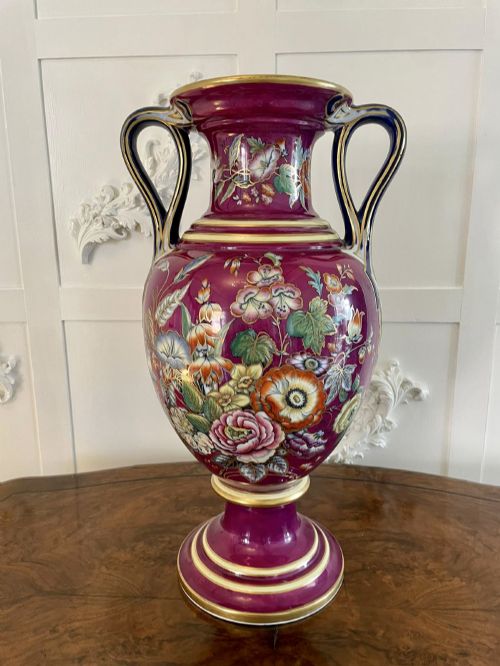
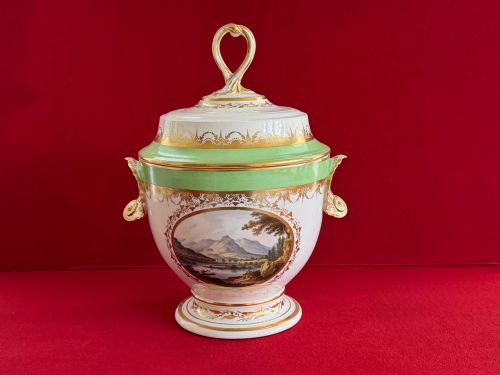
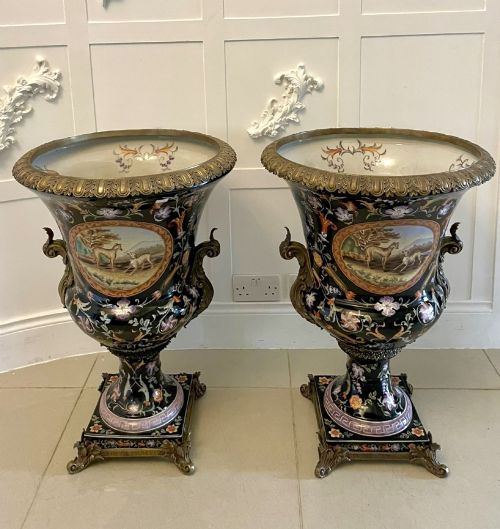
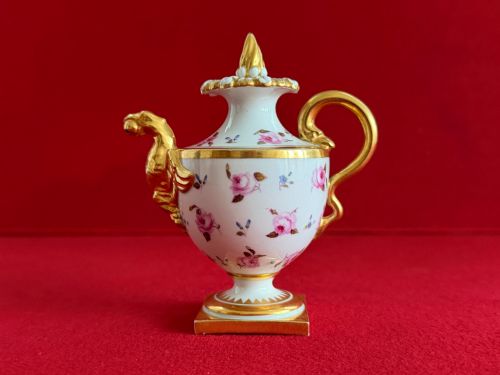
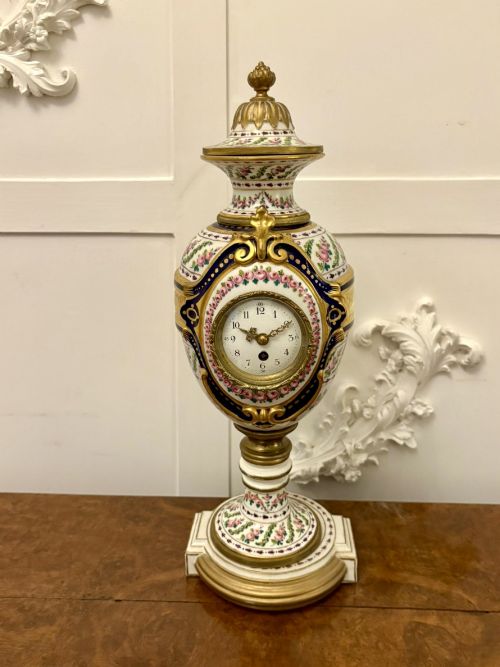
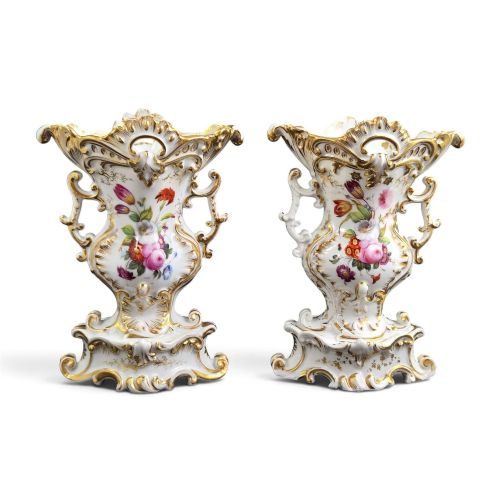
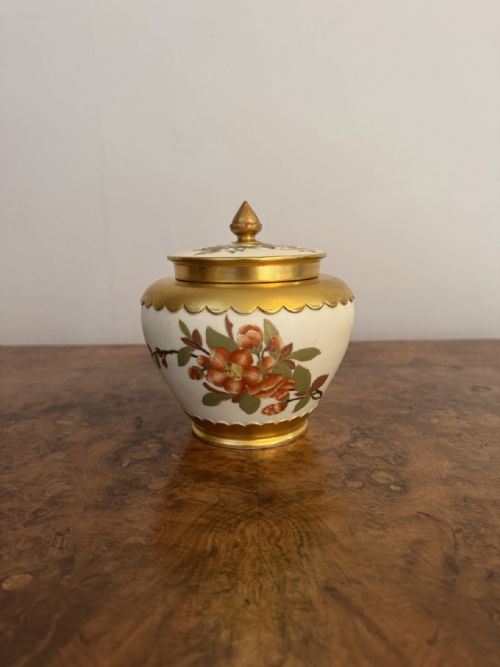
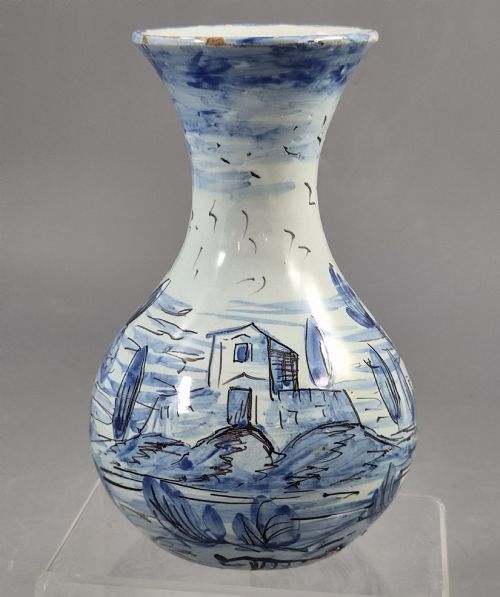
Painted porcelain urns encompass a diverse array of decorative vessels designed to serve as focal points in period interiors, drawing from 19th Century, Regency, and Georgian traditions. The pieces on this page span from floor-standing vases and mantle clocks to table lamps, jardinieres, and lidded potpourri jars.
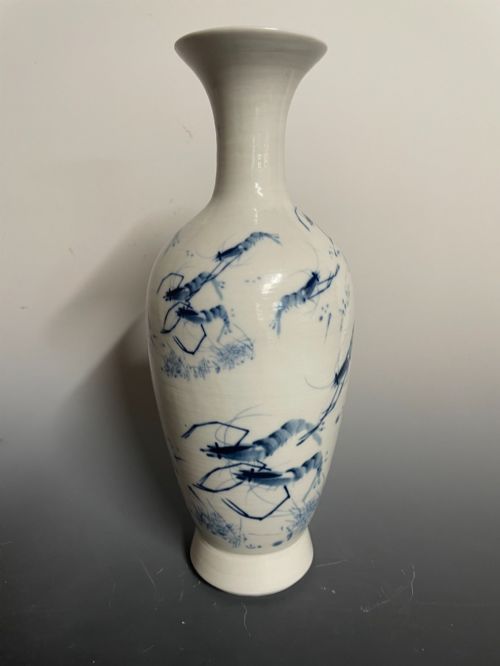
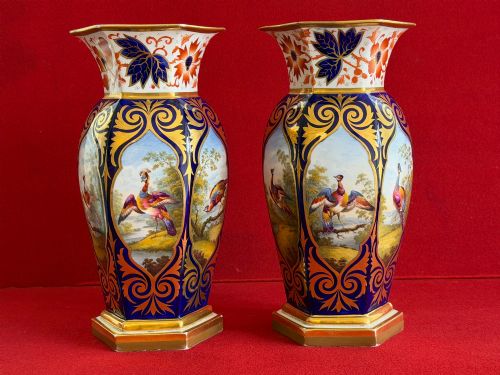
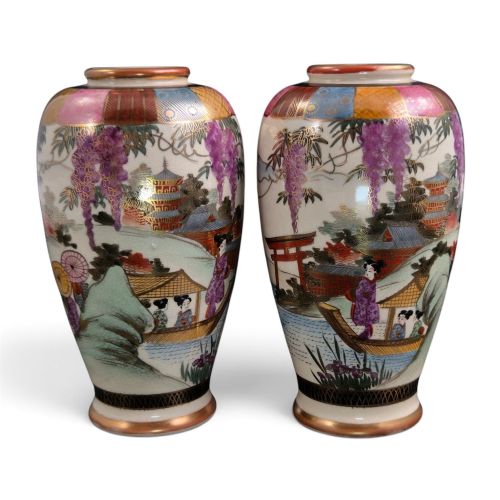
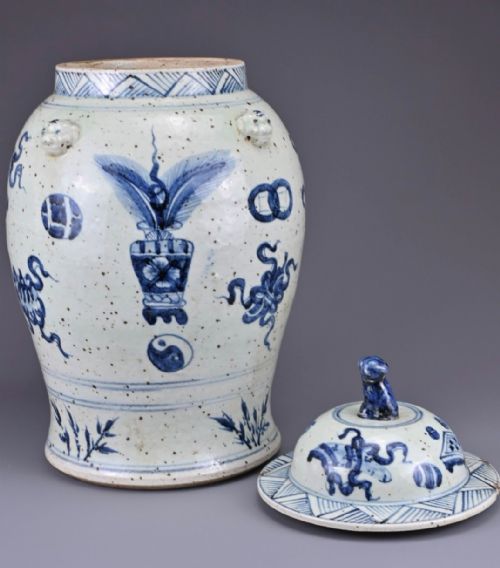
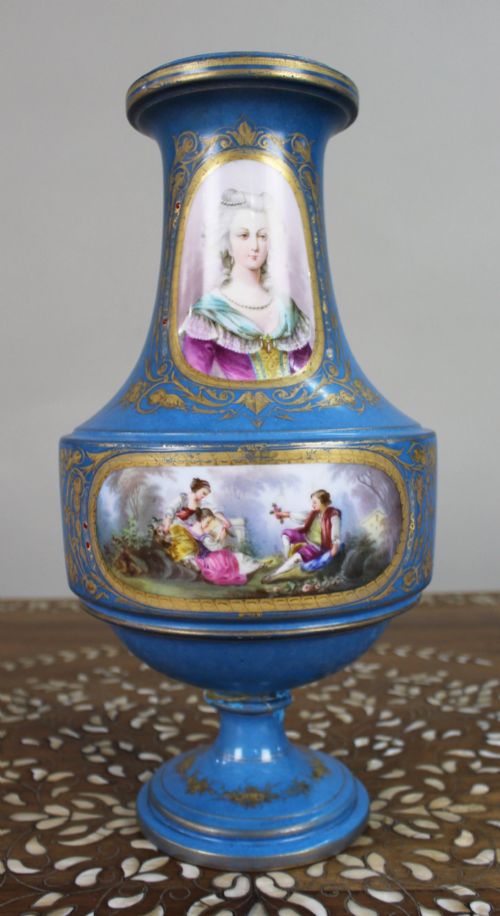
The aesthetic heritage covers European manufactories such as Sèvres, Worcester, and Sitzendorf alongside Asian ceramic arts including Japanese Imari, Satsuma, and Chinese blue and white. French Rococo Revival and Victorian styles appear frequently, often featuring classical shapes mounted in gilt bronze or brass.
Buyers encounter everything from petite cabinet vases to large palace floor jars, reflecting varied domestic and palatial functions across different eras.
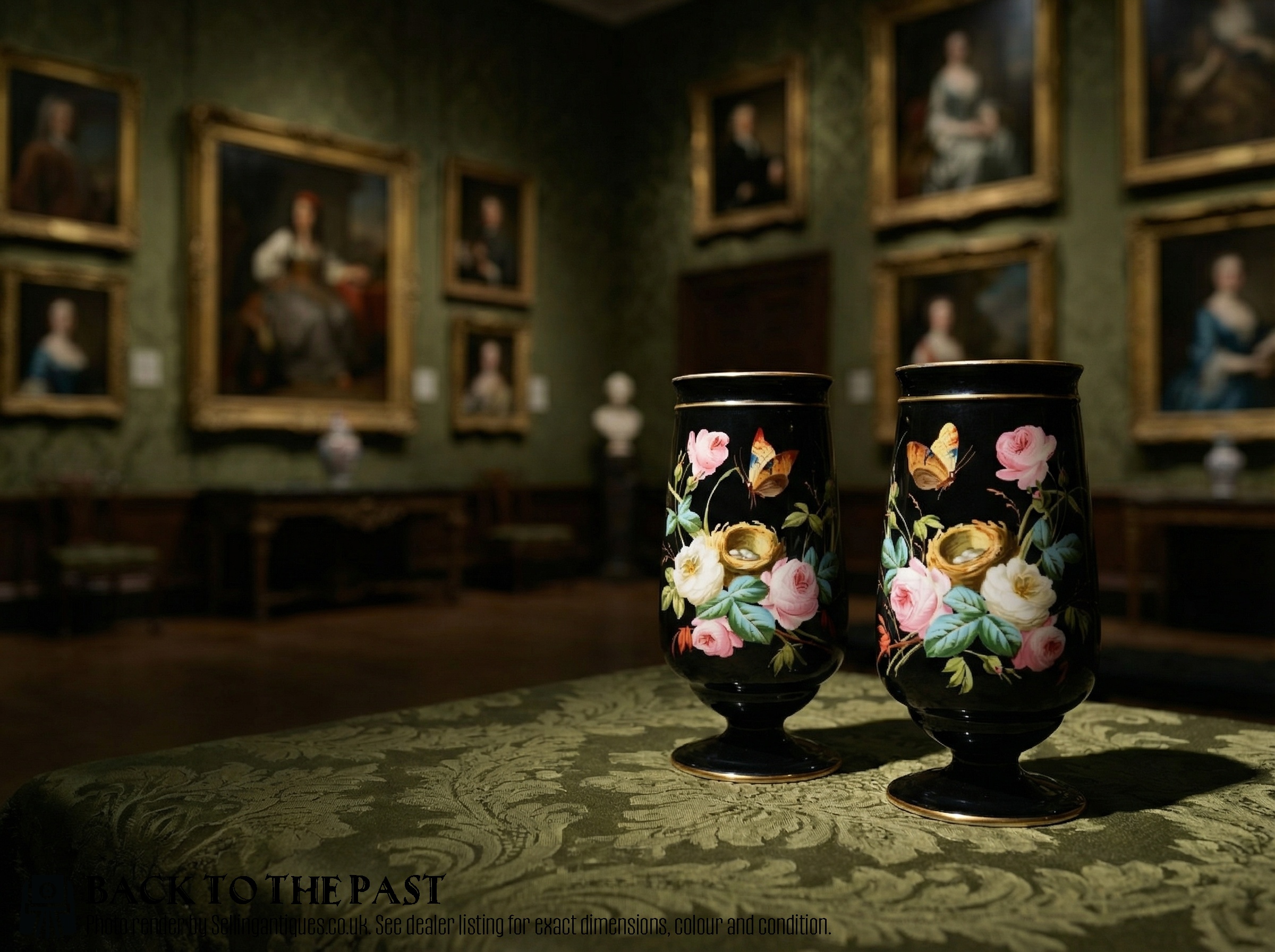
Materials and construction methods
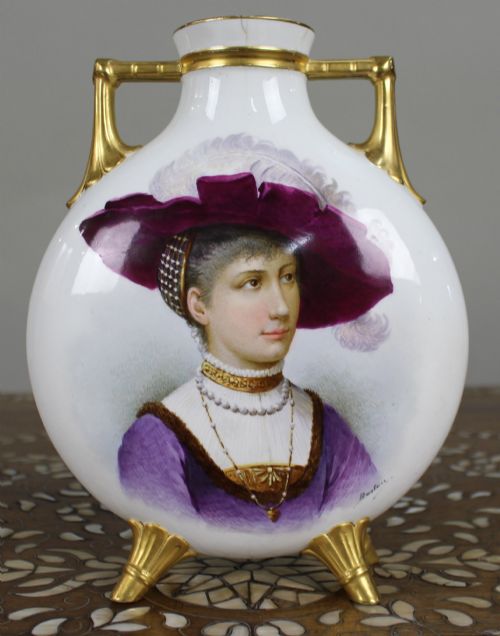
The foundation rests on hard-paste or soft-paste porcelain, earthenware, and faience, shaped into bulbous, amphora, or baluster forms and finished with smooth glaze or enamel. Artisans applied hand-painted pigments directly to the ceramic body, often incorporating delicate floral motifs, figural scenes, and landscapes.
Metals played a structural and decorative role, with gilt bronze, brass, and gold leaf mounts framing the porcelain bodies on urns, mantle clocks, and lamps. Gilding and meticulous detailing completed the surface before high-temperature firing.
Painted Porcelain Urns Retail Price Guide 2026
Typical asking prices for painted porcelain urns among the pieces listed under this phrase on Sellingantiques today, from the lower quarter to the upper quarter. They describe what is for sale here now, not the wider market.
Object types include floor vases, table lamps, jardinieres, and lidded potpourri jars from English, French, Austrian, and Asian makers.
Distinctions in craftsmanship
Quality reveals itself in the precision of the hand-painted details, where nuanced brushwork on florals and figures distinguishes master ateliers from routine commercial production. The crispness of the porcelain body and the weight and finish of the associated gilt bronze or brass mounts also indicate the level of care invested by the maker.
The integrity of the glaze, the symmetry of the form, and the preservation of original covers or matching pairs elevate certain examples, marking them out as superior representatives of their respective periods.
Flight, Barr and Barr·Sitzendorf·Jacob Petit·Royal Worcester·Chamberlain Worcester·Barr, Flight and Barr·Samson Paris
The Painted Porcelain Urns Glossary
- Porcelain
- A ceramic material made by heating materials, generally including kaolin, in a kiln to a high temperature. It provides a dense, white, and translucent body ideal for detailed hand painting.
- Gilt Bronze
- Bronze that has been coated with a thin layer of gold or gold leaf. It appears frequently as decorative mounts on French and English urns and vases.
- Amphora
- A tall ancient-style vessel form featuring two handles used for storage or decoration. 19th Century makers frequently revived this classical shape.
- Jardiniere
- An ornamental pot or stand designed to hold growing plants or flowers. These vessels often match the decorative painting style of companion urns.
- Imari
- A style of Japanese export porcelain characterised by a palette of underglaze blue, iron red, and gold. It became highly popular in European interiors during the Victorian era.
Painted Porcelain Urns: Frequently Asked Questions
How were painted porcelain urns used?
These vessels served primarily as decorative ornaments on mantlepieces, sideboards, and pedestals, often displayed in pairs within formal reception rooms. Some functioned as potpourri jars to scent the air, while others held cut flowers or served as structural bases for oil lamps and clocks.
Over time, their roles shifted from purely functional objects or luxury containers to prominent interior design statements that showcased the wealth and refined taste of their owners.
How do I identify a Regency period urn?
Regency pieces often display strong classical influences, reflecting the neoclassical taste of the early 19th Century. Look for precise forms, sophisticated hand-painted reserves depicting landscapes or figures, and high-quality gilding.
Maker signatures or specific styles associated with English manufactories like Worcester during this era provide further confirmation of the date and origin.
Are these pieces suitable for everyday use?
Most painted porcelain urns function best as decorative display items rather than utilitarian vessels. Their hand-painted surfaces and delicate gilding require careful handling and placement away from heavy household traffic.
When utilised as table lamps or mantle clocks, they integrate well into modern living spaces while retaining their historical character and visual appeal.
What is the difference between European and Asian styles?
European pieces often follow formal revival styles like Rococo, Empire, or Victorian classical, frequently incorporating gilt bronze mounts and painted European landscapes or floral sprays. In contrast, Asian styles feature traditional motifs such as Japanese Imari or Satsuma palettes, and Chinese blue and white or famille rose designs.
Both traditions rely on high-temperature firing and hand painting, but their distinct aesthetic vocabularies reflect the different cultural origins of the ceramicists.