
Painted Country Sideboard
A painted country sideboard brings honest utility and time-worn surface character directly into a modern dining room or kitchen.
Painted Country Sideboard
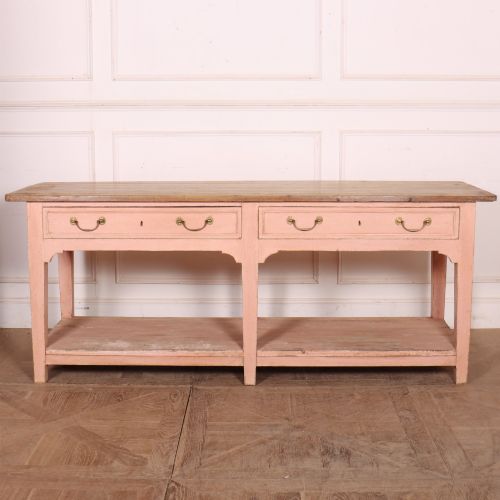
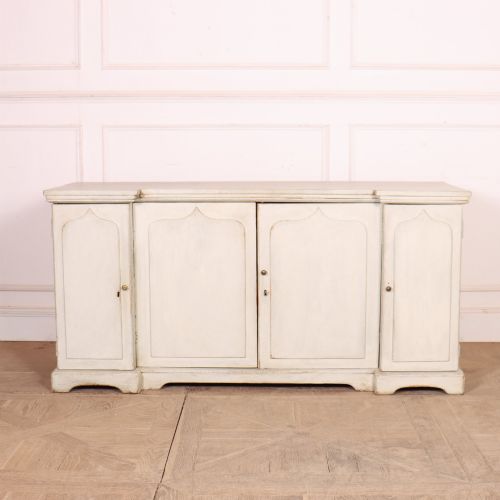
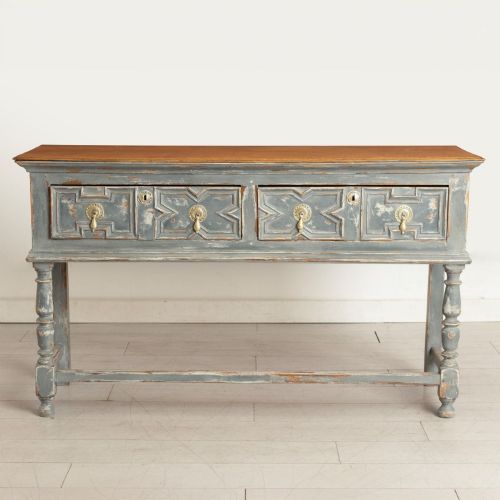
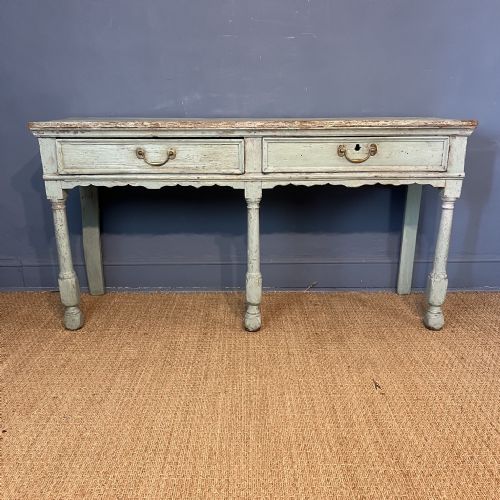
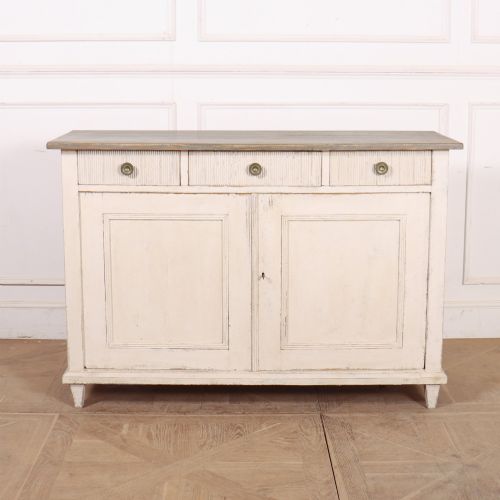
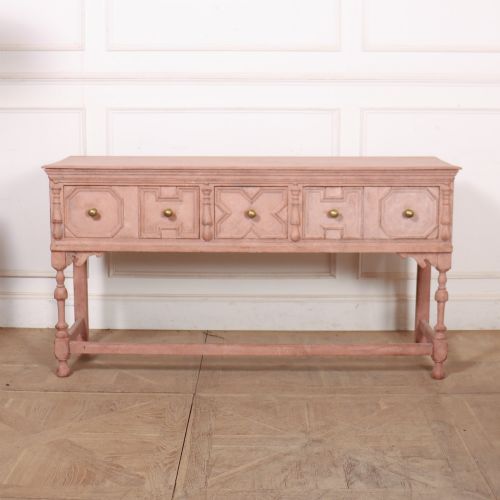
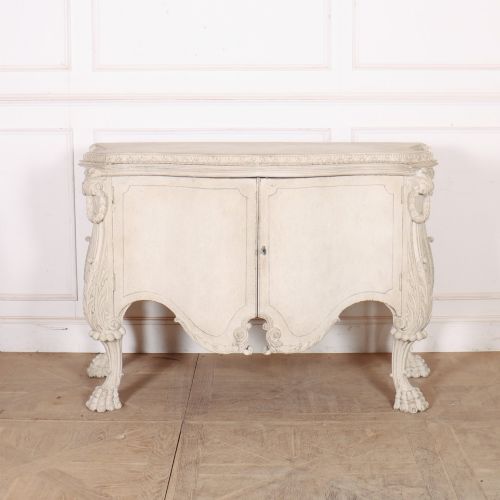
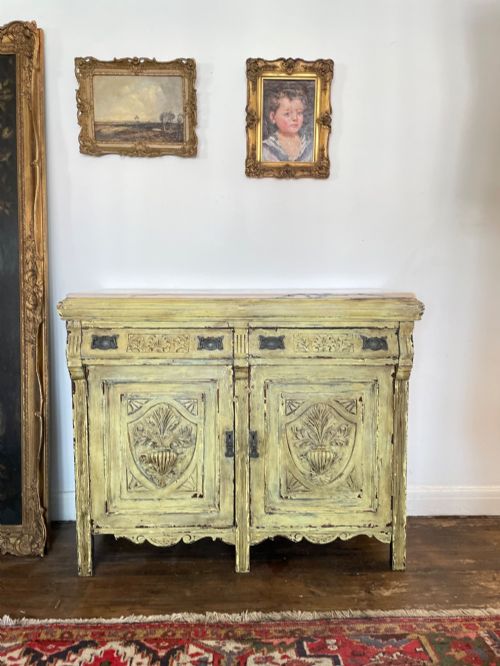
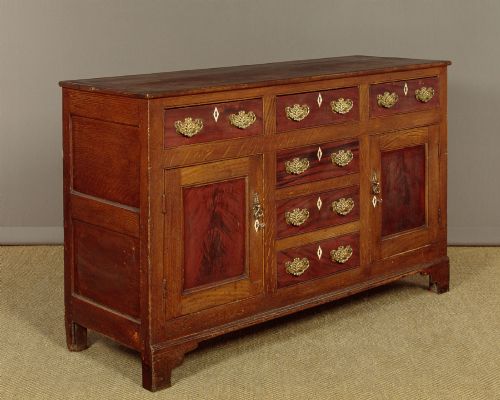
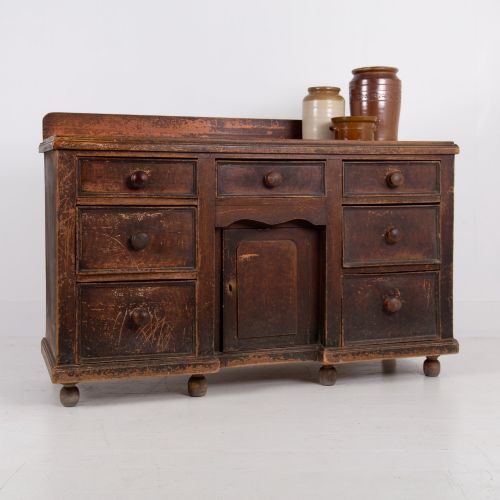
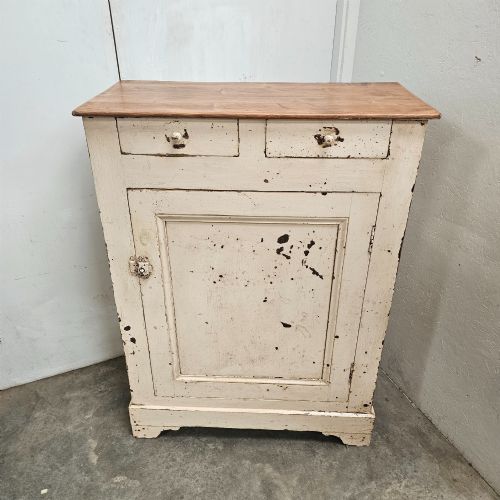
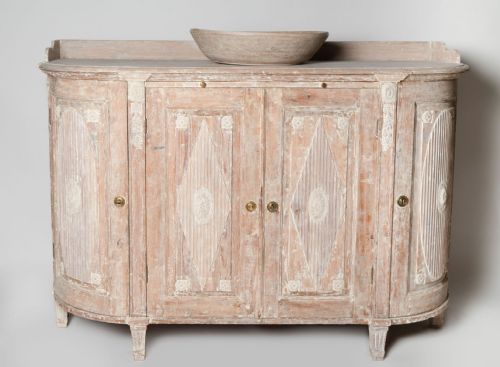
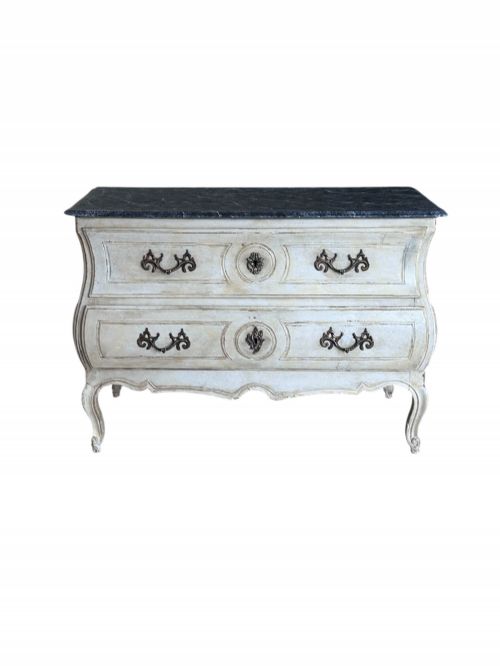
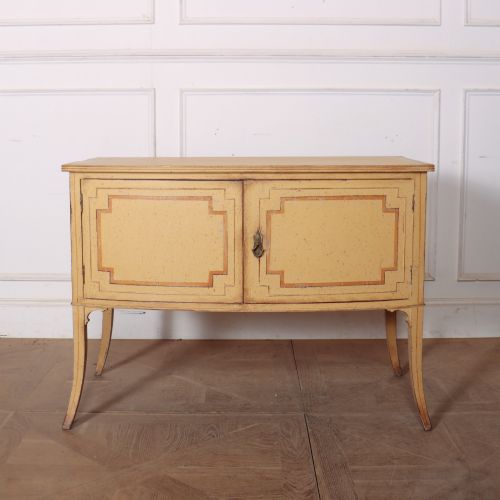
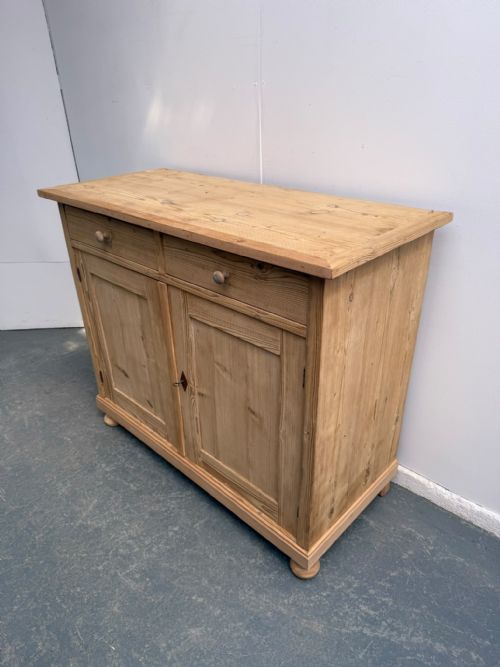
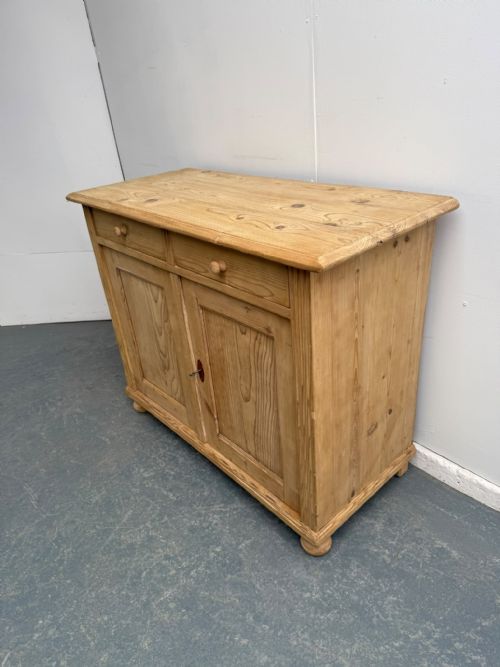
A painted country sideboard serves as a foundational storage piece, typically encountered as a low dresser base, serving table, or compact cupboard originating from domestic provincial settings. These items appear across various styles, including English country, French provincial, and Scandinavian country, reflecting the practical needs of rural homes.
The selection ranges widely from straightforward nineteenth-century pine examples to earlier eighteenth-century oak pieces bearing traces of historic pigments. Buyers frequently encounter two-door configurations, potboard bases with open lower shelves, and smaller linen cupboards suited to everyday storage.
Origins span British regional workshops as well as continental European traditions, each bringing distinct proportions and hardware choices. The common thread uniting these forms is a utilitarian purpose softened by decades or centuries of domestic use and layered surface coatings.
Materials and construction methods
Makers relied primarily on native timbers such as pine and oak for the structural carcass, utilising solid boards for tops, sides, and internal shelving. Iron and brass fittings, including hinges and drawer pulls, secure the doors and provide functional operation.
Surfaces received successive layers of paint, often applied to protect the timber or refresh the furniture as fashions changed within the household. These accumulated coats create the characteristic chipped, patinated, and layered finishes observed on surviving examples today.
Geographic origins range widely across English, French, Italian, Scandinavian, and Scottish provincial workshops.
Assessing quality and authenticity
Quality rests in the integrity of the original construction, the undisturbed nature of the timber joints, and the authenticity of the surface finish. Pieces retaining their original structural elements and early paint layers command greater interest among collectors.
Proportions and regional vernacular details further distinguish finer examples, where drawer linings, backboards, and ironwork remain entirely unaltered. A harmonious balance between functional capacity and untouched surface wear dictates the standing of each individual piece.
The Painted Country Sideboard Glossary
- Dresser base
- A low wooden sideboard or table fitted with drawers and occasionally an open lower shelf known as a potboard. These items provided essential workspace and storage in country kitchens.
- Potboard
- An open lower shelf built into the base of a dresser, historically used for storing heavy pots and pans. This structural feature is frequently found on English country furniture.
- Confiturier
- A small French cupboard traditionally designed for storing confit jars and preserves. These compact pieces typically feature a single door and enclosed shelving.
- Commode
- A low French storage cabinet or chest fitted with drawers or doors. Eighteenth-century examples often display refined provincial carving and painted finishes.
- Pine
- A soft timber widely utilised in the manufacture of country furniture and kitchen dressers. Its accessible nature made it the primary choice for painted domestic pieces throughout the nineteenth century.
Painted Country Sideboard: Frequently Asked Questions
What rooms suit a painted sideboard best?
These pieces fit naturally into kitchens, dining rooms, and hallways where practical storage is required. Their scale allows them to function as serving surfaces or linen storage without dominating the floor space.
The character of the painted finish helps soften larger living areas, bringing warmth and historical texture to modern or traditional interiors alike.
How do I care for historic painted surfaces?
Dust the timber gently with a dry, soft cloth and avoid chemical cleaners that might strip or soften the historic pigments. Maintaining a stable indoor humidity prevents the wood from moving.
Treat the surface wax sparingly, allowing the natural patina to endure without adding artificial shine or masking the character of the paint.
Are these sideboards practical for daily use?
The deep drawers and sturdy cupboards offer robust storage for tableware, linens, and everyday household items. Their solid timber construction ensures they remain stable under regular domestic demands.
Internal shelving varies in depth, so checking the internal dimensions ensures the piece accommodates modern storage needs.
How do I distinguish regional styles?
English pieces often feature straightforward pine or oak carcasses with potboard bases, while French and Italian examples lean towards panelled doors and carved detailing. Scandinavian variants typically present lighter paint tones and distinct moulding profiles.
Examining the construction methods and hardware choices reveals much about where and when the piece was constructed.
What is a potboard base?
A potboard base is an open shelf positioned near the floor between the legs of a dresser, designed for heavy kitchen utensils. This traditional layout provides both structural stability and visible storage.
Surviving examples demonstrate how rural households maximised every square inch of furniture for utility.