
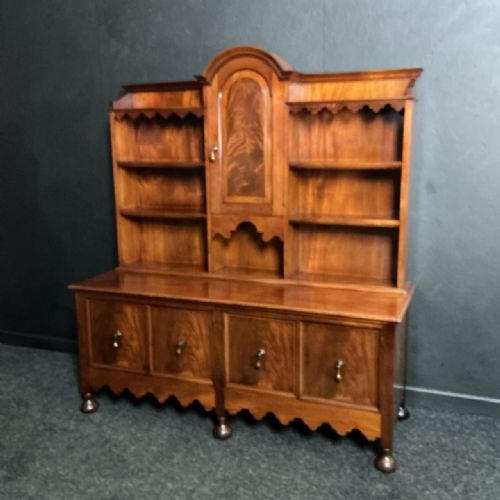
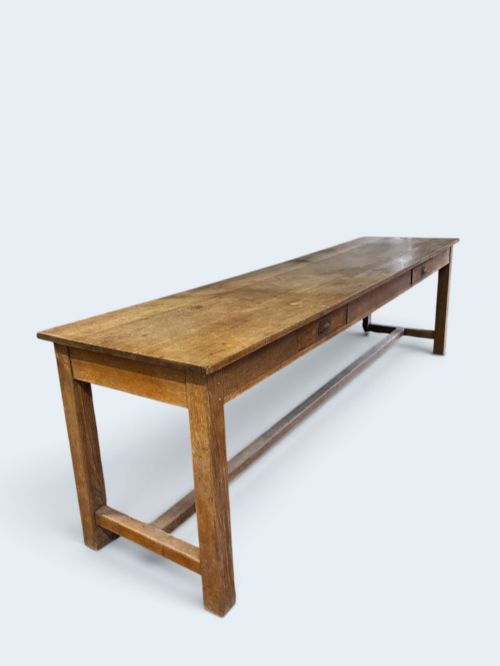
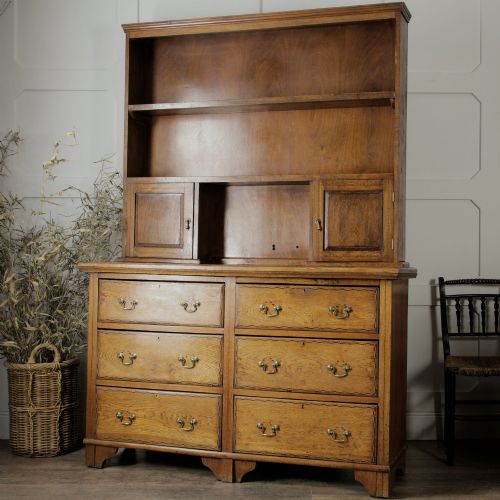
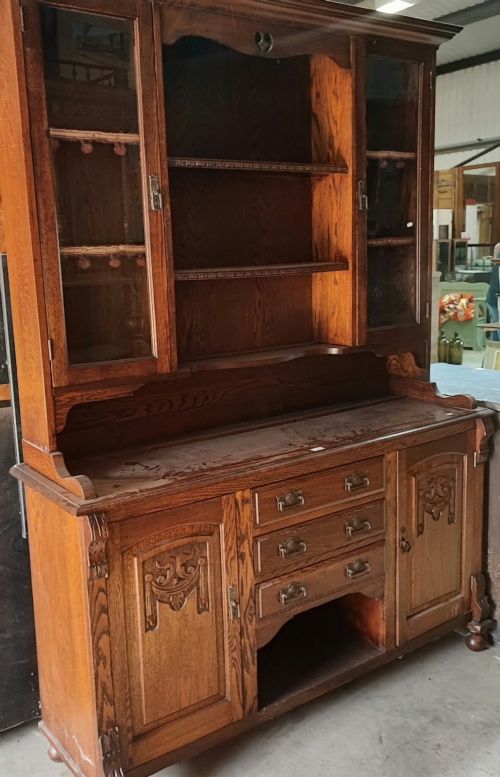
Vintage Kitchen Sideboard
A vintage kitchen sideboard brings hardwearing utility and traditional storage to the heart of the home, drawing on centuries of domestic craftsmanship.

Vintage Kitchen Sideboard
When buyers search for a vintage kitchen sideboard, they encounter a diverse selection of utilitarian furniture primarily built for food preparation, storage and display in domestic spaces. These pieces span several centuries, encompassing periods from the eighteenth century through the Edwardian era and the early twentieth century.
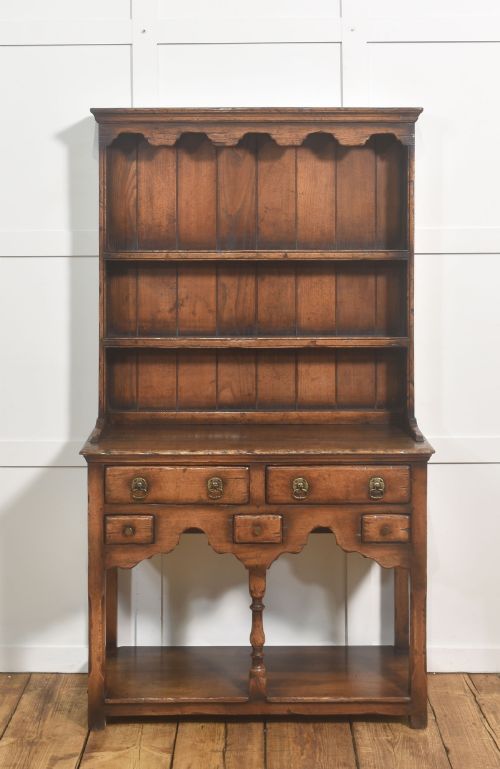
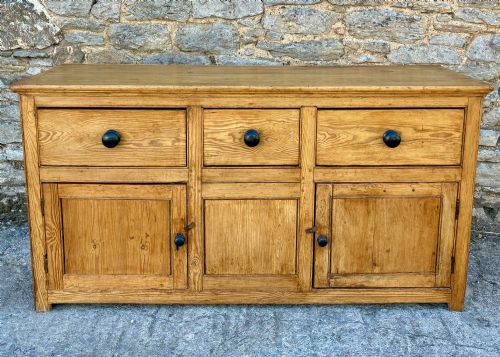
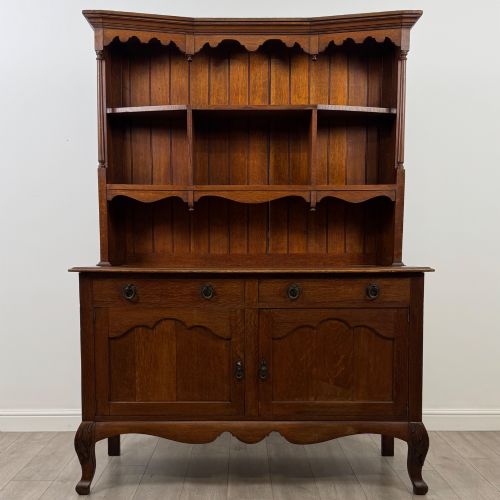
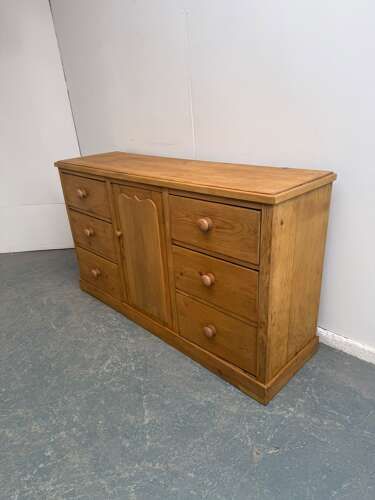
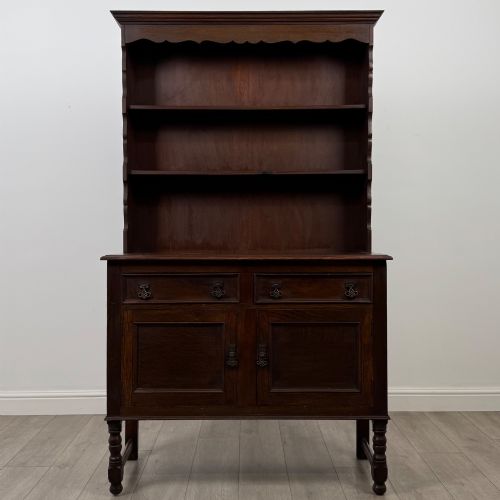
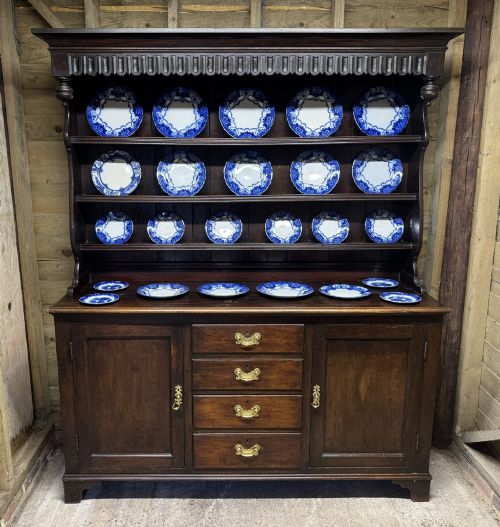
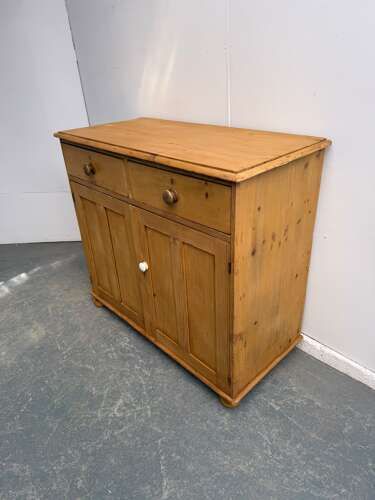
The most common forms on this page include sturdy pine and oak dressers, dresser bases, cupboards and serving tables. Many originate from regional British workshops, particularly Welsh and English country traditions, alongside continental examples such as French provincial cupboards and Danish painted dressers.
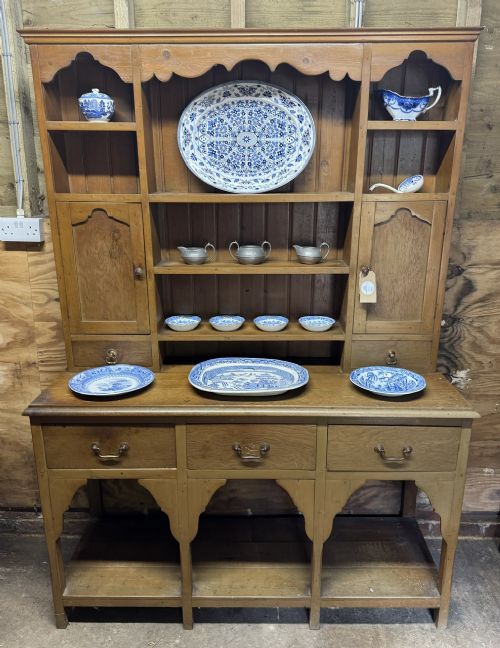
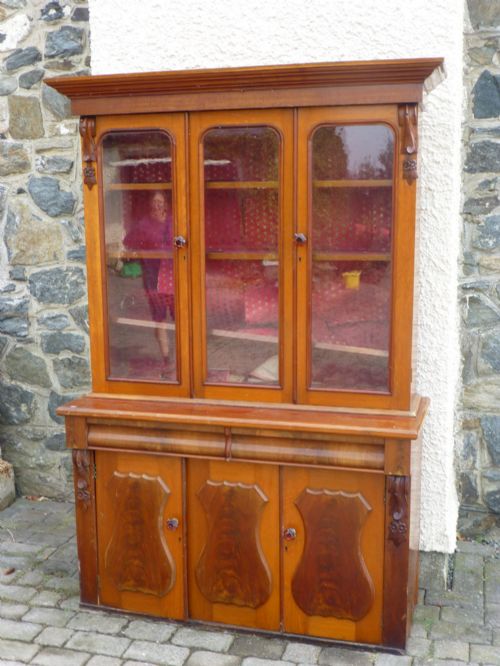
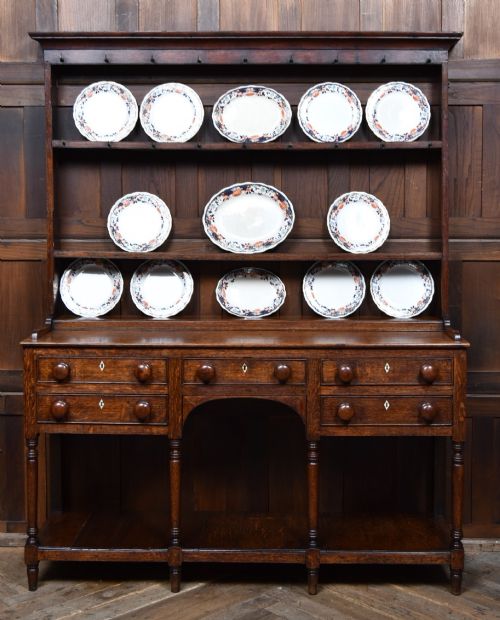
Buyers will find both open plate rack configurations and enclosed cabinet spaces designed to organise kitchenalia. These forms reflect the practical demands of historic kitchens where durability took precedence over ornamentation.
Evaluating quality and authenticity
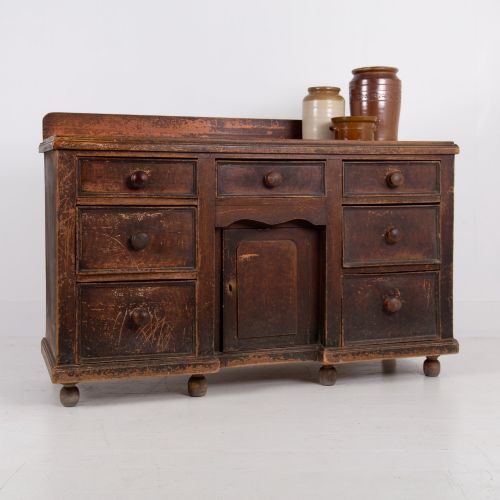
Quality rests primarily in the integrity of the timber selection, such as figured oak, tiger oak, or dense pine, and the preservation of original surfaces. Pieces retaining their initial paint finishes or undisturbed waxed patinas command greater interest from collectors.
Construction details distinguish superior examples, including hand-cut joints, original brass handles, and unaltered plate racks or dresser bases. Alterations to hardware or replacement timbers alter the historical standing of the piece.
One notable nineteenth-century Welsh dresser arrived carrying historical evidence of its past life straight from a cafe in Snowdon.
The Vintage Kitchen Sideboard Glossary
- Dresser base
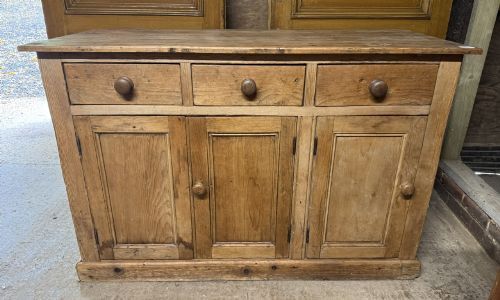
- A lower cabinet featuring drawers and cupboards, historically used for food preparation and storage without the upper plate rack. It functions well as a modern sideboard.
- Potboard
- A lower open shelf built into a dresser base specifically designed for storing pots and pans. This feature is particularly common in eighteenth-century English furniture.
- Plate rack
- An upper wooden shelving unit mounted to a dresser, featuring vertical grooves or rails to display plates upright. These racks form an integral part of traditional kitchen storage.
- Patina
- The surface sheen and colour acquired by wood and paint over decades of handling, cleaning and exposure to light. Original patinas are valued for their historic depth.
- Confiturier
- A small French storage cupboard traditionally utilised for preserving fruit and confit. These compact pieces serve well as auxiliary kitchen cabinets.
Vintage Kitchen Sideboard: Frequently Asked Questions
What is a dresser base?
A dresser base is the lower portion of a traditional kitchen dresser, featuring a flat top surface above rows of drawers and cupboard doors.
Historically used for food preparation and storing heavy cookware, these sturdy units function effectively as sideboards in modern dining rooms and kitchens.
How do I care for waxed pine?
Waxed pine surfaces require regular dusting with a soft, dry cloth and occasional application of traditional beeswax to nourish the wood.
Avoid placing these pieces near direct heat sources or in damp environments to prevent the timber from warping or splitting over time.
Are these pieces suitable for daily use?
These sideboards and dressers were originally constructed for rigorous daily domestic labour, making them exceptionally durable for modern living.
Solid timber construction and robust joinery allow them to withstand heavy crockery, kitchen appliances and regular handling without losing their structural integrity.
How do I identify a Welsh dresser?
Welsh dressers typically feature solid oak or pine construction with an integrated upper plate rack designed to display ceramics.
Many examples originating from Wales also incorporate specific regional traits, such as unique drawer configurations or potboards positioned beneath the main cabinet.