
Oval Walnut Dining Table
When choosing an oval walnut dining table, you look at pieces that combine rich timber figures with generous proportions for gathering.
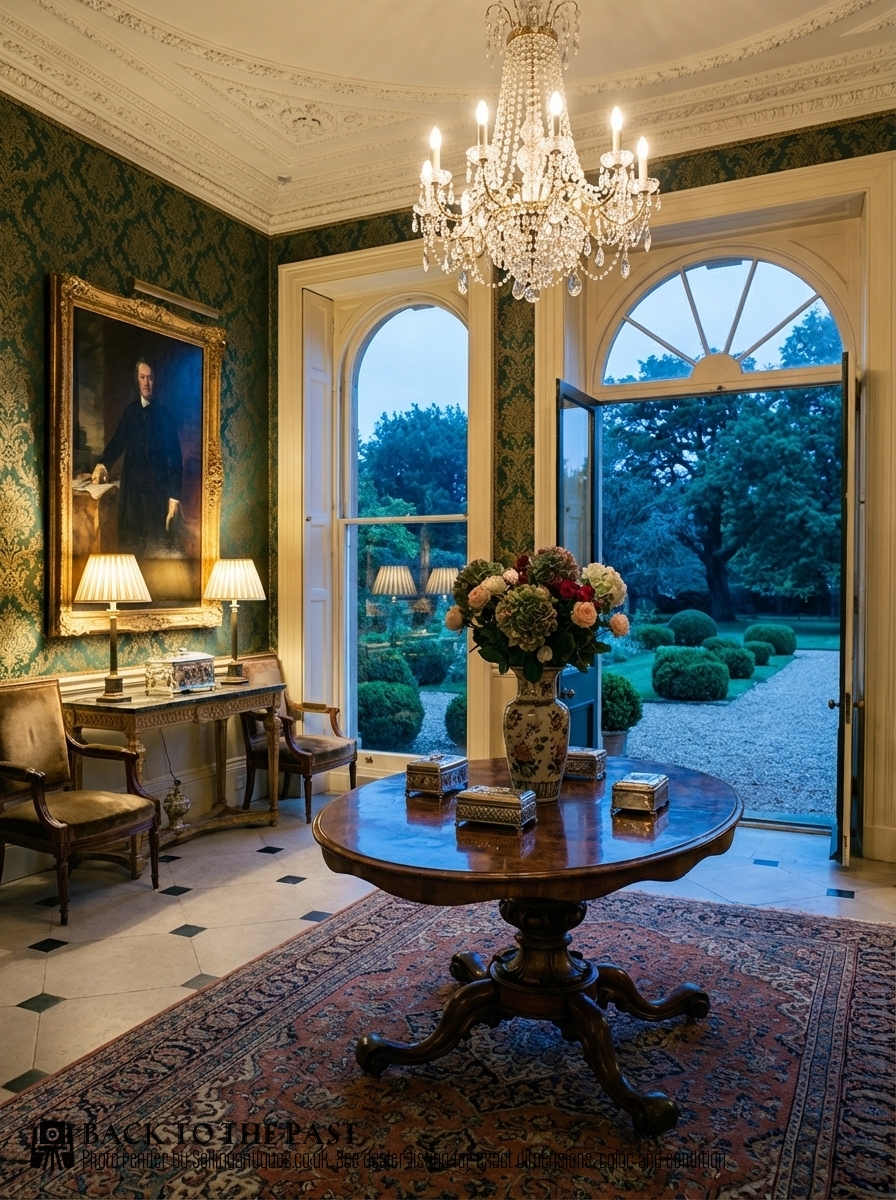
Oval Walnut Dining Table
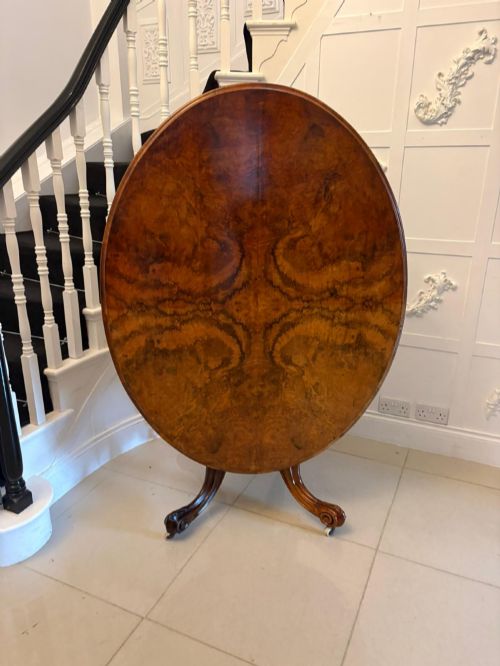
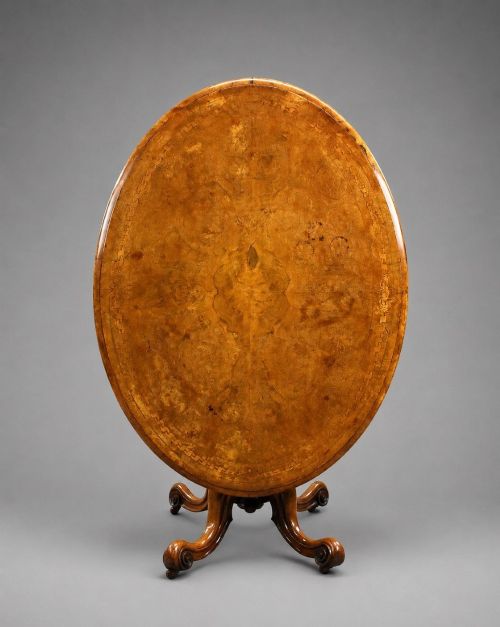
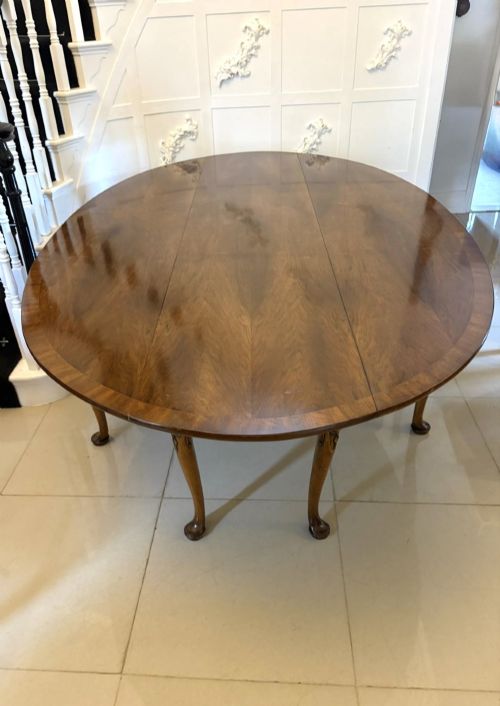
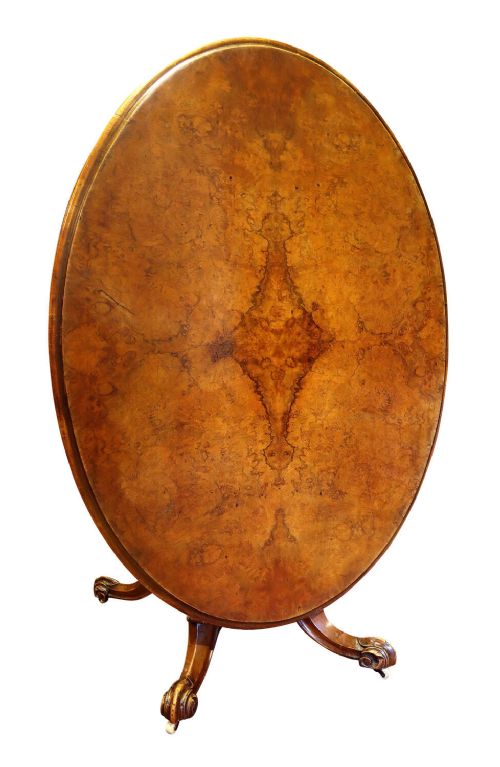
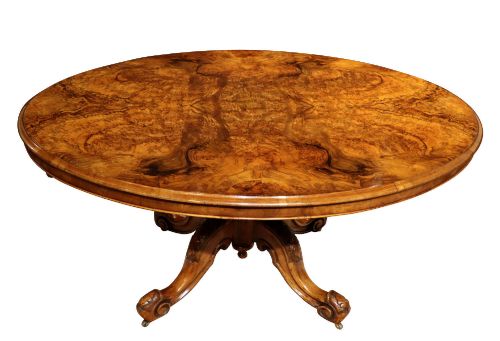
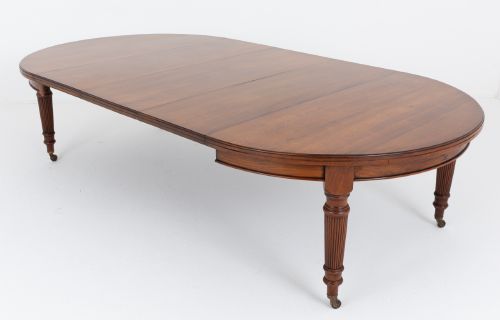
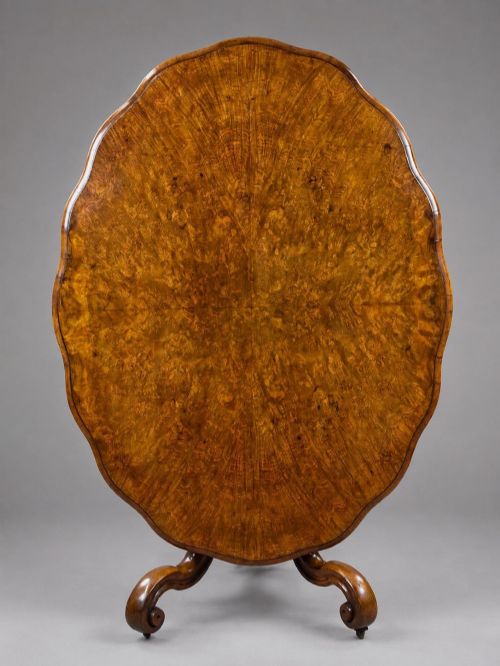
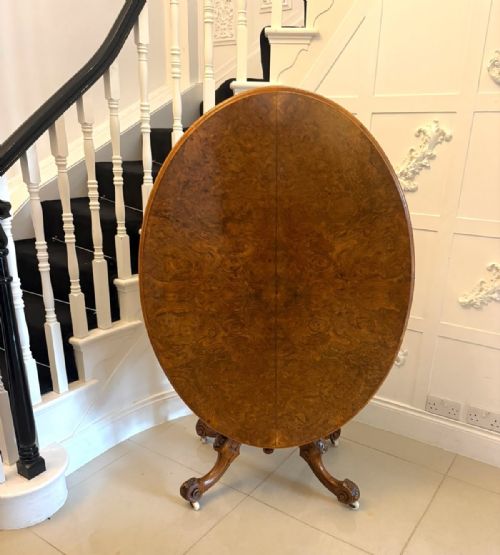
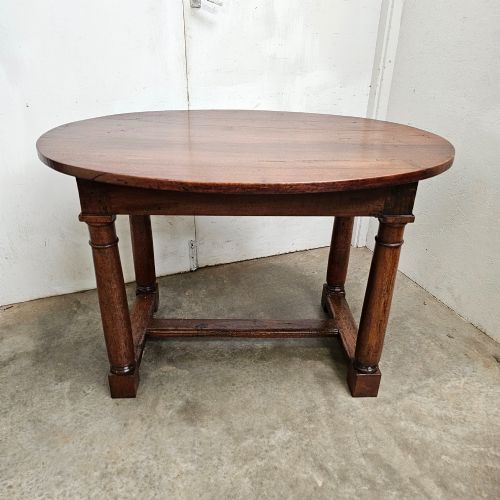
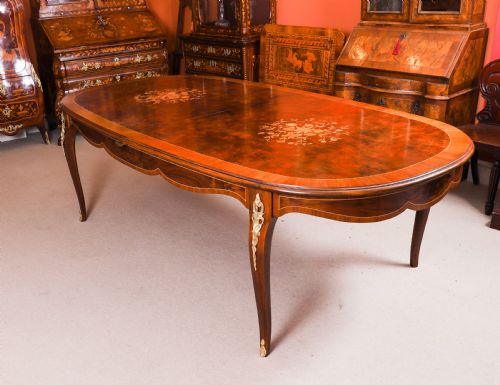
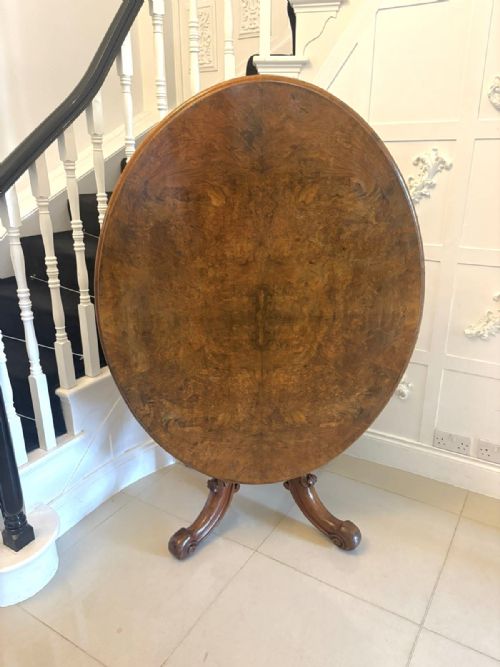
An oval walnut dining table spans several distinct eras, with Victorian examples appearing most frequently alongside earlier Georgian and later Edwardian forms. These pieces often take the shape of tilt-top loo tables, breakfast tables, or large extending dining tables designed to seat six or more guests.
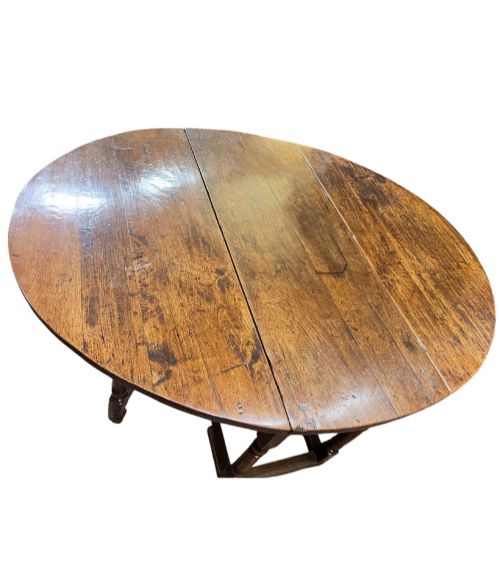
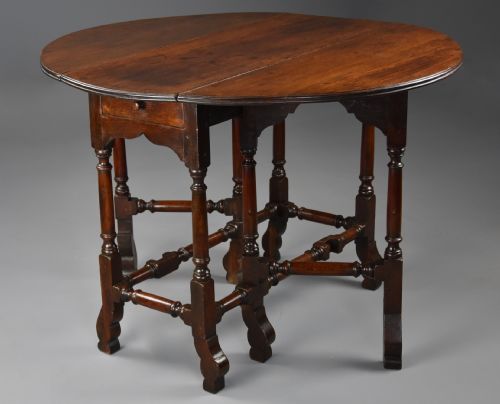
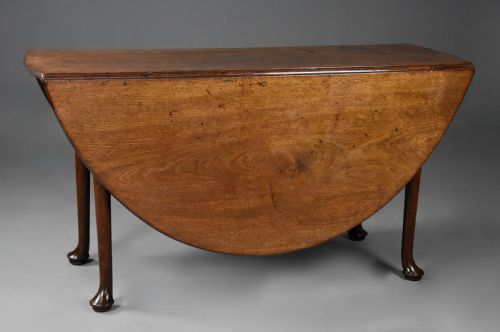
Makers utilised various formats, including gateleg drop-leaf tables from the eighteenth century and pedestal-supported designs from the nineteenth century. Buyers encounter both solid timber construction and sophisticated veneered surfaces across these historical periods.
Materials and Construction Methods
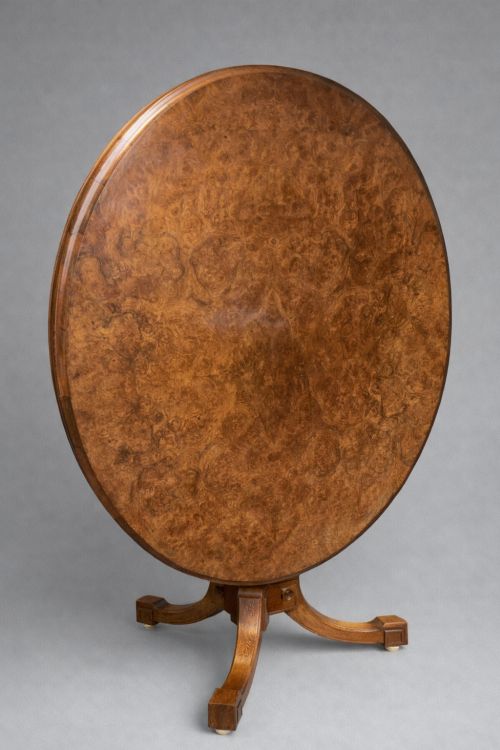
Cabinetmakers selected walnut and burr walnut for its striking grain patterns, frequently applying veneer over a stable secondary timber carcass to display complex figure work. Artisans enhanced these surfaces with boxwood inlay, marquetry details, and hand-rubbed finishes.
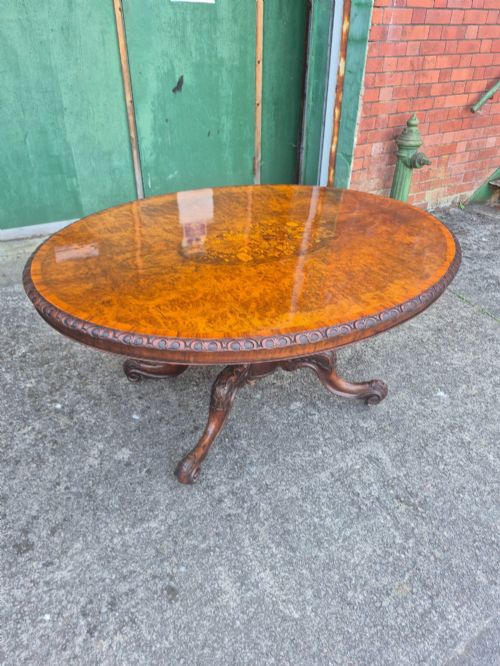
Structural integrity relied on solid walnut or oak for frames, pedestals, and gateleg supports. Carved quadrapod bases and turned legs provided sturdy foundations for large dining surfaces and tilt-top mechanisms.
Oval Walnut Dining Table Retail Price Guide 2026
Typical asking prices for oval walnut dining table among the pieces listed under this phrase on Sellingantiques today, from the lower quarter to the upper quarter. They describe what is for sale here now, not the wider market.
Listings feature Victorian burr walnut tables alongside 18th-century gateleg variants and early 20th-century extending dining suites.
Judging Quality in Walnut Tables
The distinction between tiers rests upon the choice of timber and the complexity of the figuring within the walnut veneer. Book-matched burr walnut grain layouts and crisp, hand-carved pedestal bases indicate superior workshop standards.
Construction methods also separate standard production from master craftsmanship. Subtle details like precise marquetry inlay, well-fitted extension leaves, and stable pivot mechanisms define the upper echelon of surviving pieces.
Whytock and Reid of Edinburgh
The Oval Walnut Dining Table Glossary
- Burr Walnut
- A specialised wood grain obtained from the warted growths on walnut trees, prized for its swirling, highly figured patterns on table tops.
- Tilt Top
- A pivoting mechanism allowing the table surface to rotate vertically for storage against a wall when not in use.
- Gateleg Table
- A drop-leaf table featuring hinged legs that swing out to support the extended leaves.
- Loo Table
- A nineteenth-century round or oval parlour table used for card games and social gatherings, frequently built with a tilt mechanism.
- Marquetry
- Decorative patterns formed by fitting together thin veneers of various woods onto a primary surface.
Oval Walnut Dining Table: Frequently Asked Questions
How do I seat six people comfortably?
An oval shape naturally softens room layouts while offering ample elbow room along the curved perimeter. Many Victorian examples achieve this capacity through tilt-top pedestal designs.
Extending versions accommodate additional guests by inserting leaves into the centre frame. Ensure you measure your dining space to allow clearance for chairs when pulled out.
Are these tables suitable for daily dining?
Historical walnut tables handle everyday family meals provided you use protective mats and clean up spills promptly. The durable timber surfaces withstand regular use while developing a deeper patina over decades.
Consider the base configuration when selecting chairs, ensuring the legs or pedestal provide enough clearance for seating. Regular waxing maintains the moisture balance in the timber.
What is a tilt-top table used for?
A tilt-top mechanism allowed historical households to pivot the heavy walnut surface into a vertical position against the wall when the room was needed for other activities.
Today, this feature remains a testament to nineteenth-century engineering. Most owners keep the table horizontal for daily use while appreciating the original brass catches and pivot locks.
How do I date a walnut table?
Dating relies on examining the construction methods, leg styles, and secondary timbers underneath the top. Eighteenth-century pieces often feature gateleg frames or solid red walnut, while Victorian examples typically display burr walnut veneer over mahogany carcases.
Cabinetmaking techniques evolved from hand-sawn joints to machine-finished components by the Edwardian era. Checking for original hardware and patination helps confirm the historical period.