
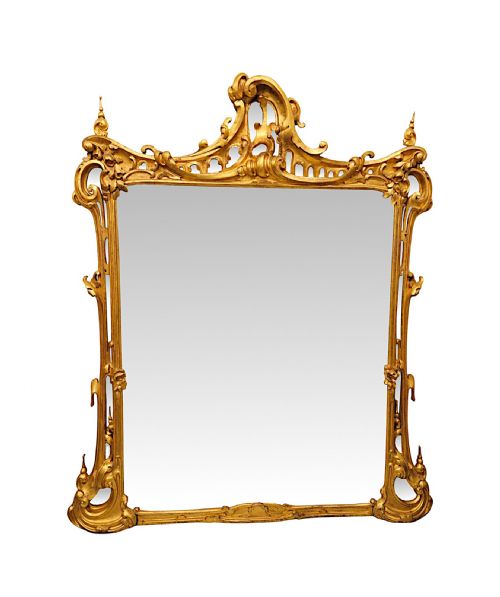
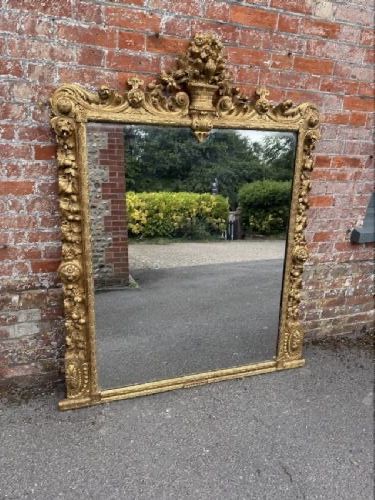
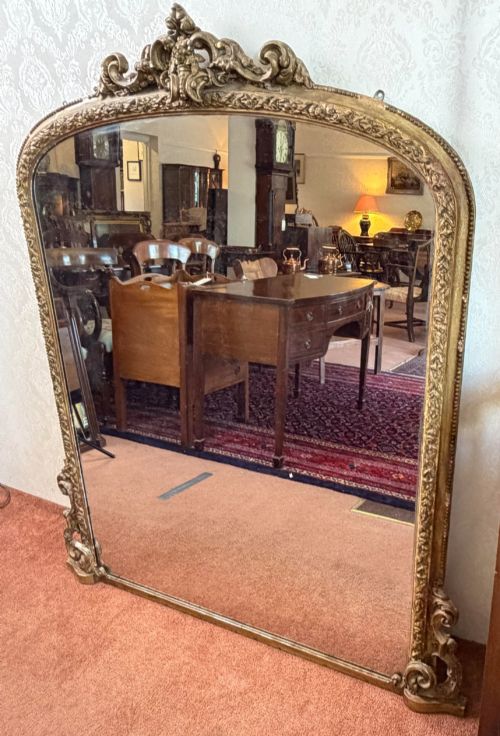
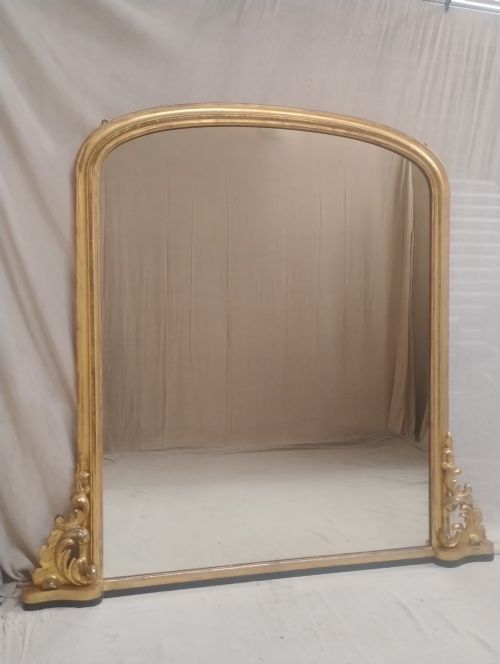


Ornate Mantel Mirror
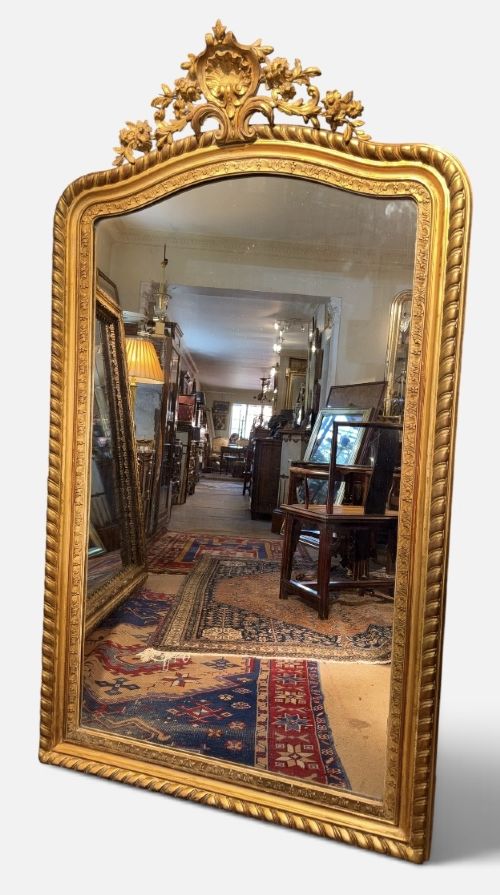
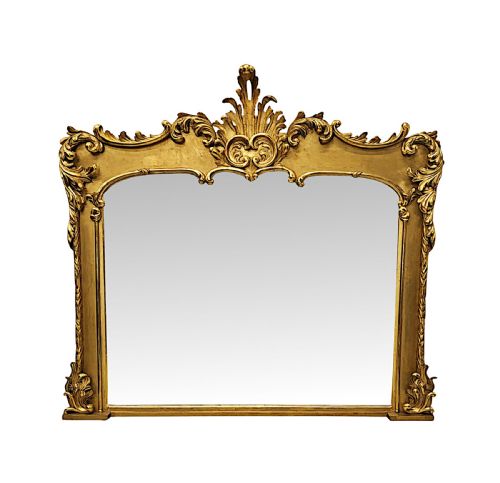
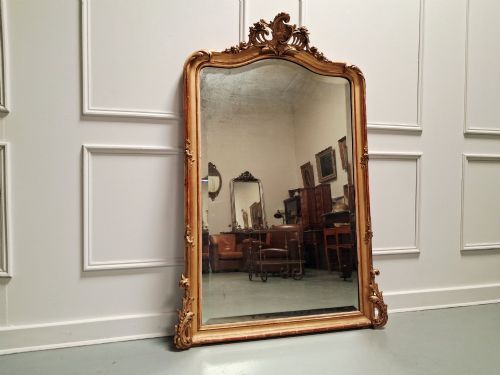
An ornate mantel mirror brings weight and reflection to a room, anchoring a chimney breast with carved wood and gleaming plate.
Ornate Mantel Mirror
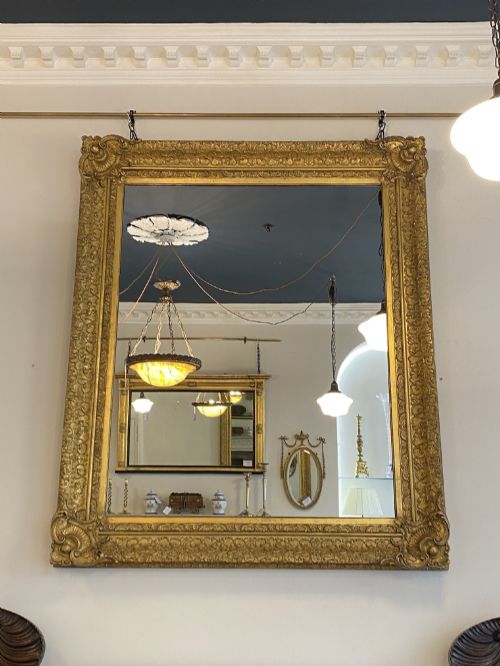
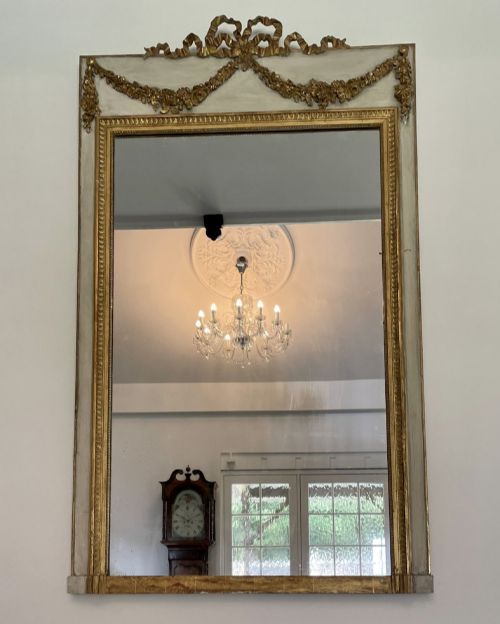
When searching for an ornate mantel mirror, a buyer meets large, decorative looking-glasses designed to sit directly above a fireplace hearth. The pieces on this page span the Georgian, Victorian, and nineteenth-century periods, with French and English origins shaping the predominant styles.
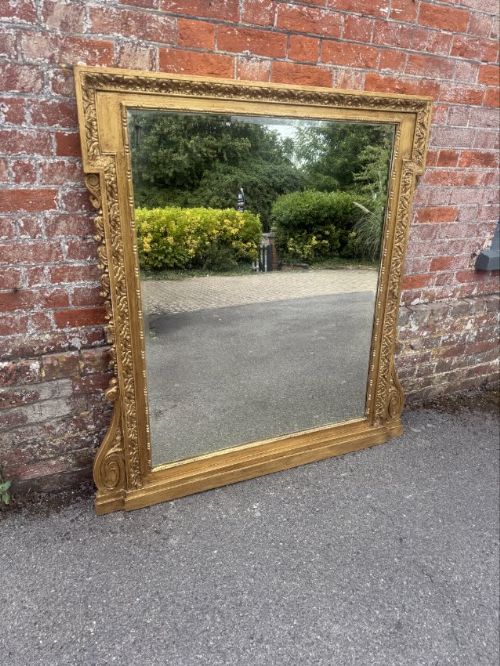
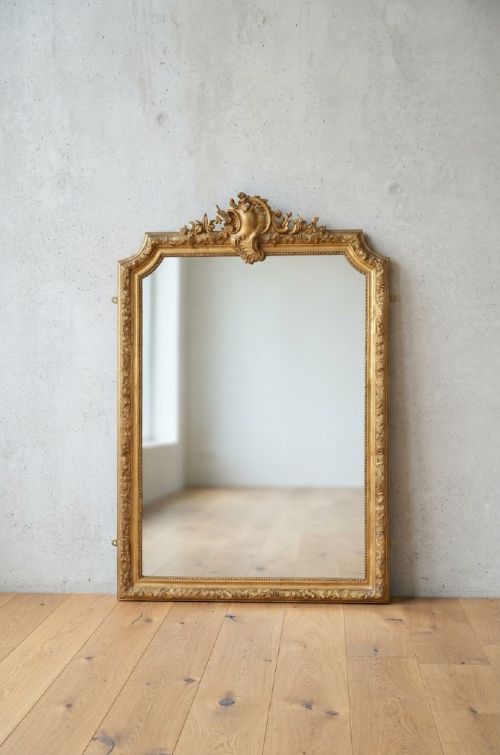
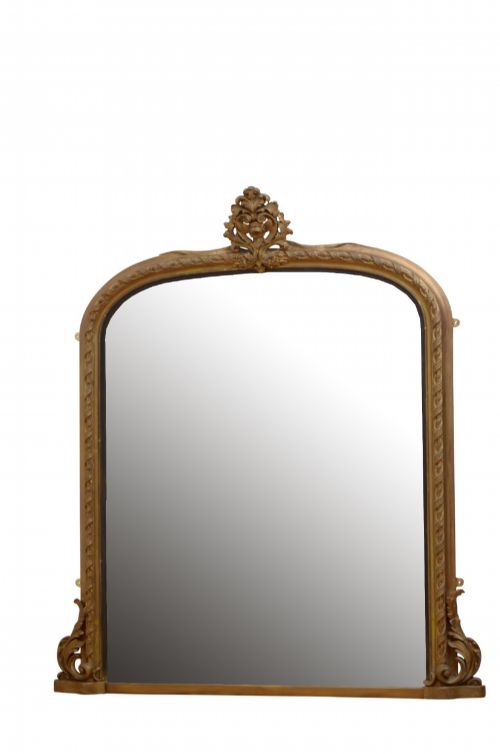
Overmantel mirrors form the majority of these listings, often reaching substantial heights to fill the vertical space between the mantelpiece and the cornice. Makers shaped these frames with arched, shaped, or rectangular tops, employing robust proportions meant to command a principal reception room.
How they were made
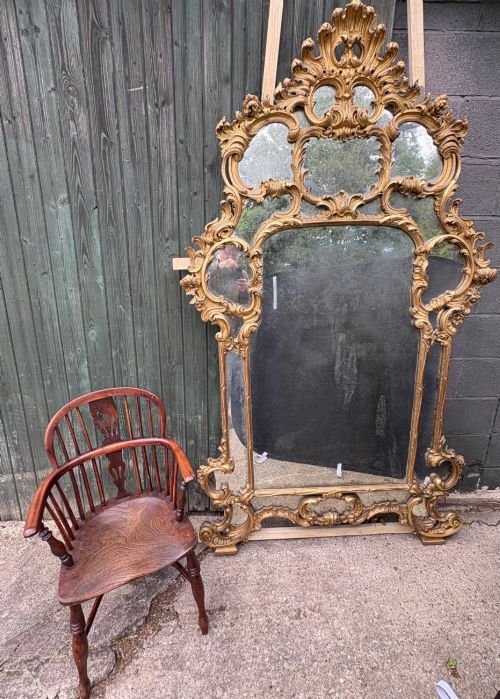
Artisans built the substantial frames of these mirrors using carved wood, frequently applying layers of gesso to build up high-relief scrolls, foliage, and crests. Gilding followed, utilising gold leaf or oil gilt to achieve a bright reflective surface across the intricate mouldings.
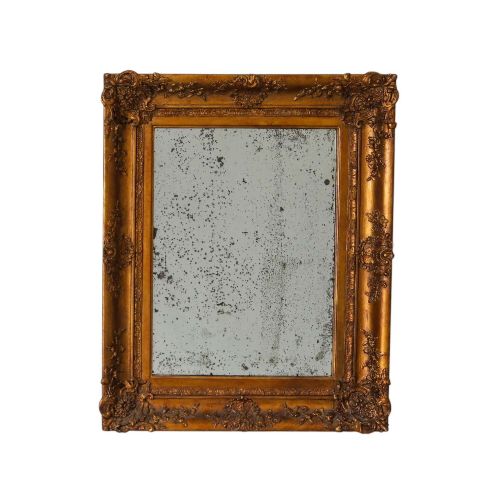
Makers also incorporated composition ornaments pressed into moulds and fixed to wooden carcasses to accelerate the production of complex Rococo Revival or French Chateau motifs. The mirror glass itself sat within the rebate, sometimes showing age through foxing on the original plate.
The listings here feature materials including giltwood, gesso, carved wood, and brass, spanning the eighteenth, nineteenth, and early twentieth centuries.
What varies in quality
The depth and crispness of the carving separate superior examples from simpler production, particularly where hand-chiselled wood meets mass-pressed composition ornament. Frames that retain their original gilding without heavy over-painting demonstrate better preservation and greater material integrity.
Proportion and structural stability dictate the success of large overmantel frames, since weight places considerable stress on wooden joints and corner mitres over decades of hanging. Superior pieces exhibit well-balanced symmetry in their foliate cresting and maintain tight joinery along the arched top rails.
Thiebaut Freres
The Ornate Mantel Mirror Glossary
- Gesso
- A plaster-based mixture applied to wooden frame foundations to provide a smooth, flexible surface for subsequent carving or gilding. Artisans modelled intricate scrolls and floral motifs directly into this compound before applying gold leaf.
- Giltwood
- Timber, commonly pine or softwoods, coated with gold leaf or metal leaf over a prepared ground. This material defines the bright, reflective appearance seen on the majority of nineteenth-century French and English frames.
- Overmantel
- A mirror specifically proportioned to hang on the wall directly above a fireplace mantel. These large-scale glasses often incorporate landscape or architectural formats to balance the width of the hearth below.
- Foxing
- Small dark spots or cloudy patches that develop on antique mirror glass as the silvering backing degrades over time. Collectors often appreciate genuine foxing as proof of authentic period age on the reflective plate.
- Rococo Revival
- A nineteenth-century design style drawing on eighteenth-century French motifs characterised by asymmetrical C-scrolls, shell work, and exuberant naturalistic foliage. This aesthetic dominated the ornamentation of Victorian mantel glasses.
Ornate Mantel Mirror: Frequently Asked Questions
How do I secure a heavy overmantel mirror?
Heavy carved wood and gesso frames require direct fixing into masonry wall studs or solid brickwork using heavy-duty brackets. Weight distribution must rest securely on structural supports rather than relying solely on decorative picture wire.
Professional installation is recommended for large nineteenth-century pieces to prevent the frame from leaning forward or pulling away from the chimney breast under its own mass.
Were these mirrors always hung above fireplaces?
While primarily constructed as overmantels to sit upon a drawing room or parlour fireplace, many large examples also functioned as grand pier glasses between windows. Their broad proportions and reflective plates were engineered to bounce natural light deep into nineteenth-century interiors.
Their placement above the hearth made them the visual centrepiece of the room, often paired with matching console tables or decorative garnitures.
How do I clean an antique gilt frame?
Dusting requires a very soft, dry brush to remove particles from deep within the gesso mouldings without disturbing fragile gold leaf layers. Moisture and chemical cleaning agents must be avoided entirely, as they strip historic gilding from the wood.
If the surface requires deeper attention, professional conservation is necessary to prevent flaking the composition ornaments and historic finishes.
How can I tell a Victorian mirror from a Georgian one?
Georgian mirrors typically display restrained classical symmetry, often featuring architectural pediments, parcel-gilt mahogany, or fine fret-cut fretwork frames. Victorian examples shift toward heavier proportions, exuberant Rococo Revival scrolls, and thick gesso mouldings built over pine carcasses.
Examining the construction methods behind the frame and the depth of the rebate reveals the manufacturing techniques typical of each respective century.