

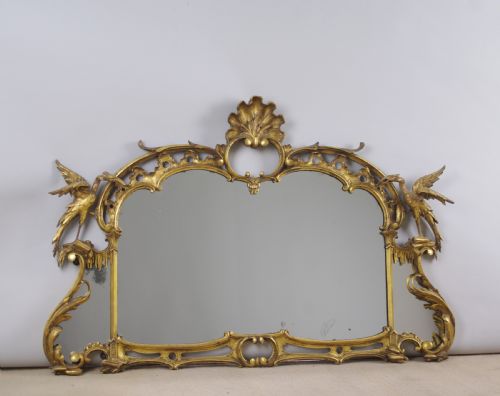


Victorian Mantelpiece Mirror
A victorian mantelpiece mirror anchors a room, framing the hearth with light and scale.
Victorian Mantelpiece Mirror
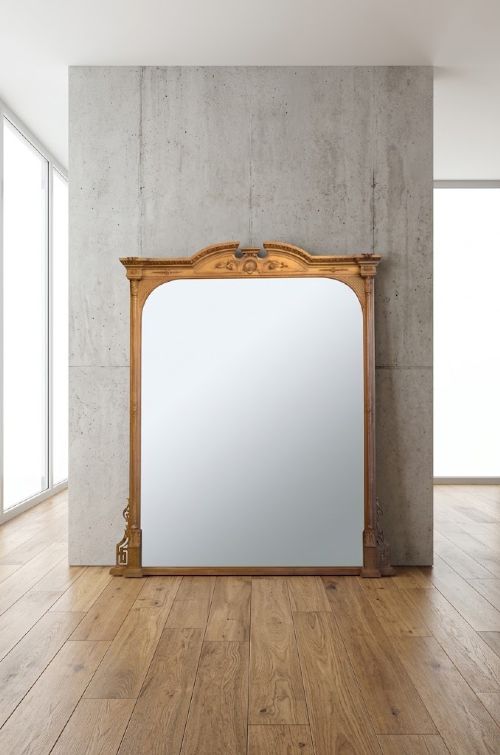
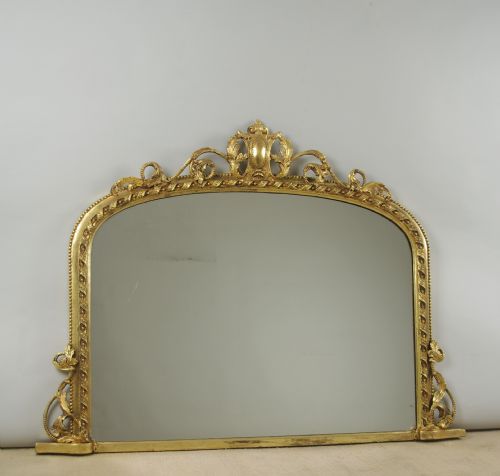
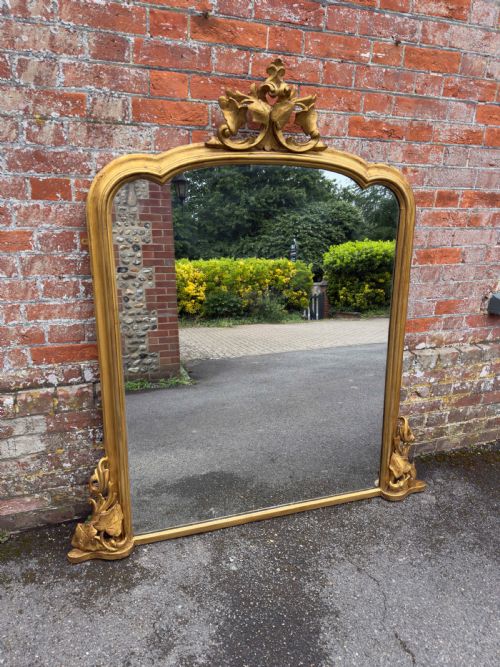
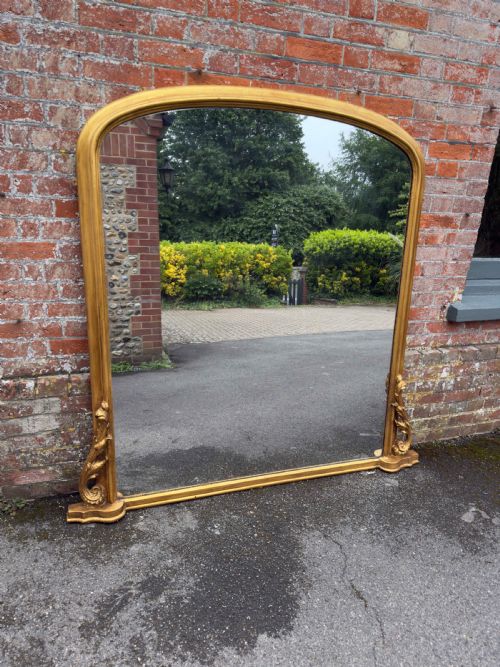
A victorian mantelpiece mirror sits directly above a fireplace, designed specifically in scale to span the width of the mantel shelf below. These items appear predominantly as large overmantel mirrors with arched, shaped, or rounded tops intended to draw the eye upward toward the ceiling.
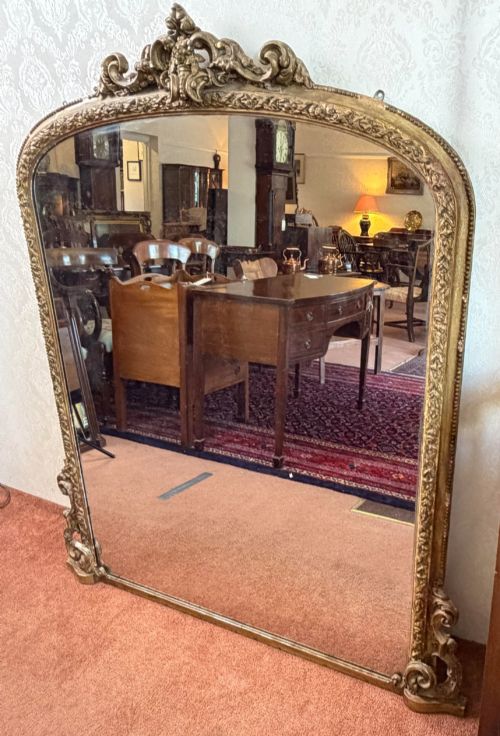
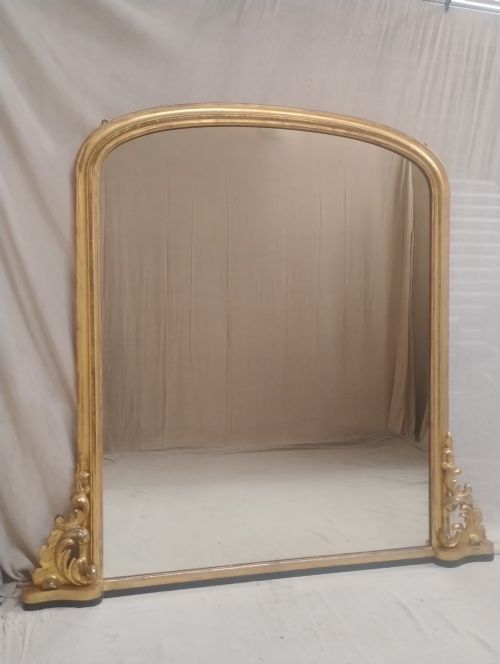
Makers shaped these frames in walnut, mahogany, solid oak, and cast iron, though the giltwood and gesso finish remains the most common form encountered here. Styles range from English traditional and Victorian rococo revival to 19th Century French and Chinese Chippendale designs.
The selections span the middle and late decades of the 19th century, carrying the substantial proportions typical of nineteenth-century domestic interiors. They function equally well as wall mirrors when placed in grand reception rooms without a working fireplace.
Materials and construction methods
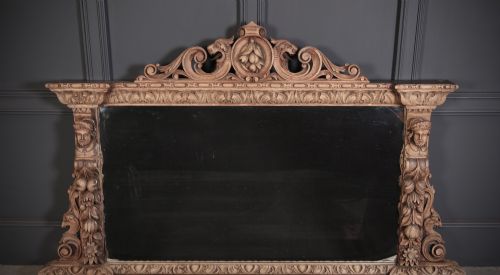
Carved wood provides the primary structural foundation for the gilded and painted frames, often supplemented with moulded composition applied over timber. Gesso layers received fine applications of gold leaf or paint to build up the intricate relief decorations.
Moulded gesso ornament allows for high-relief detailing such as lions heads, scrolls, and floral motifs without the immense labour of carving every element directly from solid timber. Frames also utilise parcel-silvering, walnut inlay, and plain solid oak for diverse visual effects.
The mirror glass itself sits securely within these heavy frames, occasionally displaying original etching or the distinct foxing accumulated over more than a century of domestic exposure.
Keep an eye out for hidden lions peering down from the gessoed corners.
Distinctions in quality
The depth and crispness of the carved wood and gesso ornamentation separate standard production from exceptional examples. Skilled hands produced sharply defined foliage and balanced symmetry that retain their visual impact from across a room.
The choice of primary timber and the execution of the gilding further distinguish the tier of craftsmanship. Thick gold leaf applied over well-prepared gesso ages with a warm lustre distinct from simpler painted finishes.
The Victorian Mantelpiece Mirror Glossary
- Overmantel mirror
- A large looking glass specifically proportioned to hang on the wall directly above a fireplace mantel. These pieces often feature wide bases designed to sit flat upon the shelf itself.
- Gesso
- A plaster-like mixture applied to wood frames and carved or moulded into decorative relief before gilding. It provides the smooth, receptive surface required for gold leaf.
- Giltwood
- Timber that has been coated with a thin layer of gold leaf or gold paint. This finish catches candlelight and natural illumination within the Victorian parlour.
- Cartouche form
- An ornate frame shape resembling an unfurled scroll or shield with scrolled edges. This decorative outline derives from continental 19th Century French design influences.
- Pier mirror
- A tall looking glass designed to hang on the narrow section of wall between two windows. They share construction traits with mantel mirrors but serve a different architectural placement.
Victorian Mantelpiece Mirror: Frequently Asked Questions
Where should I hang an overmantel mirror?
These mirrors traditionally rest directly on the mantel shelf or mount securely to the wall just above the fireplace surround. Their proportions suit wide expanses of wall above large pieces of furniture.
Securing the heavy timber and glass frame safely requires proper wall fixings or weight-bearing brackets screwed directly into wall studs.
How do I identify a Victorian mirror?
Look for construction markers such as heavy carved wood and gesso frames, traditional mirror glass thickness, and stylistic clues like rococo revival curves or arched tops. The scale is typically much larger than modern decorative looking glasses.
Dates cluster through the nineteenth century, with specific decades reflected in the changing popularity of walnut inlay, giltwood, or painted finishes.
Can these mirrors be cleaned safely?
Dust the carved gesso and giltwood frame gently with a soft dry brush to protect the delicate surface layers from moisture damage. Avoid applying liquid cleaners directly onto old composition ornaments.
Clean the mirror glass using a mild glass cleaner applied to a cloth rather than sprayed directly at the edges where moisture might seep behind the silvering.
What is the difference between giltwood and painted frames?
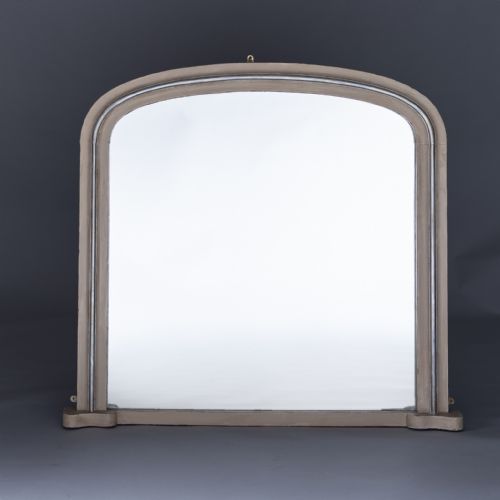
Giltwood frames feature a layer of gold leaf applied over gesso and wood, creating a bright reflective surface designed to amplify natural light in Victorian rooms. Painted or parcel-silvered variants utilise coloured pigments or metallic silver leaf for a more subdued aesthetic.
Both finishes were popular across the nineteenth century, with painted versions frequently appearing in lighter decorative schemes.