



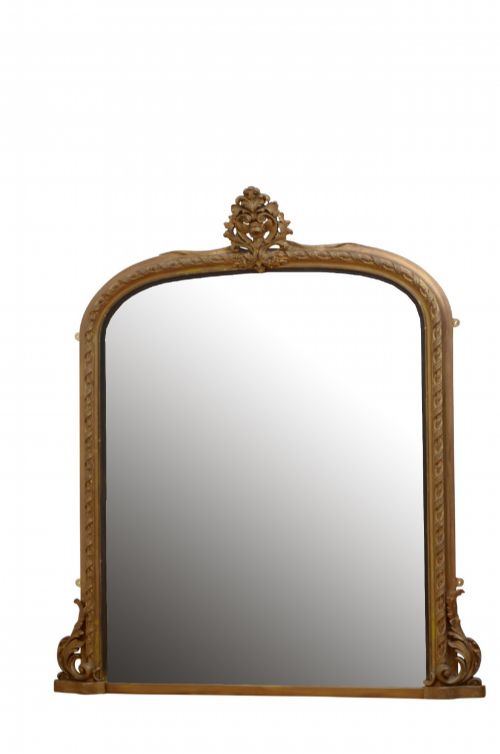

Ornate Arched Mirror
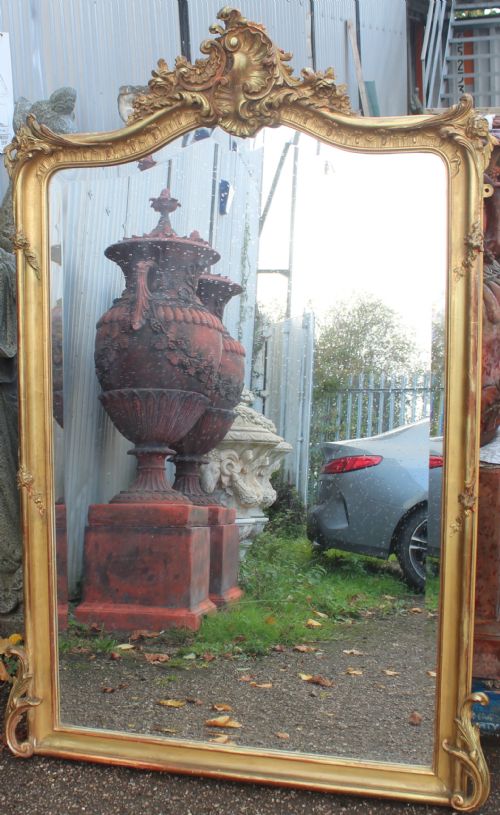
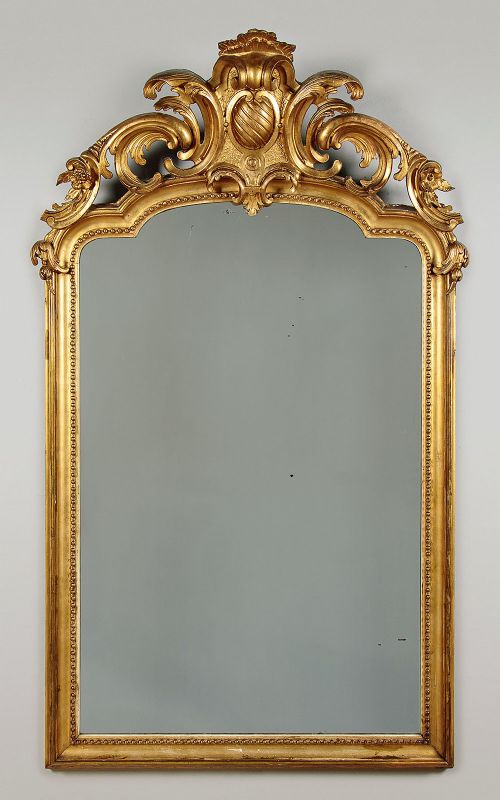
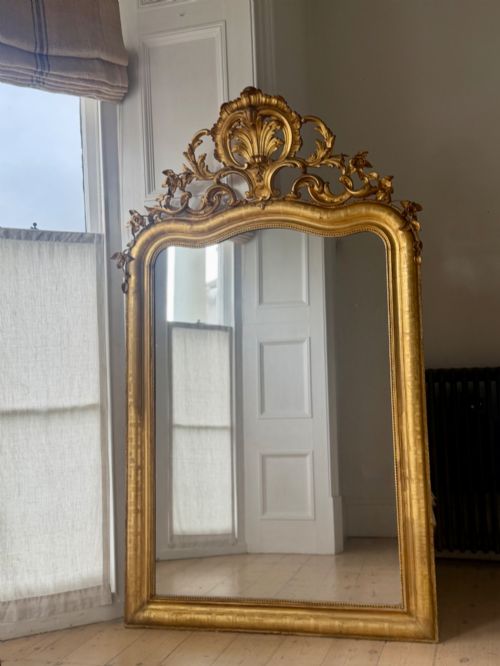
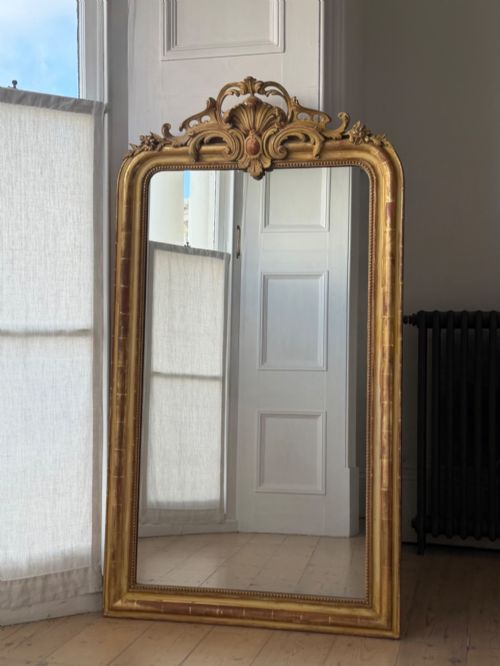
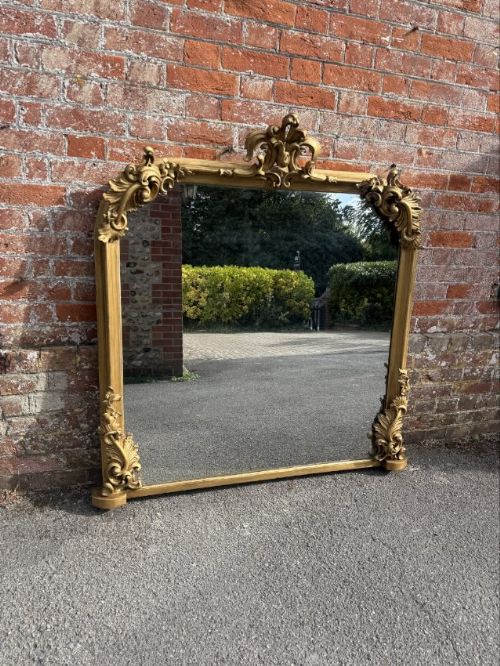
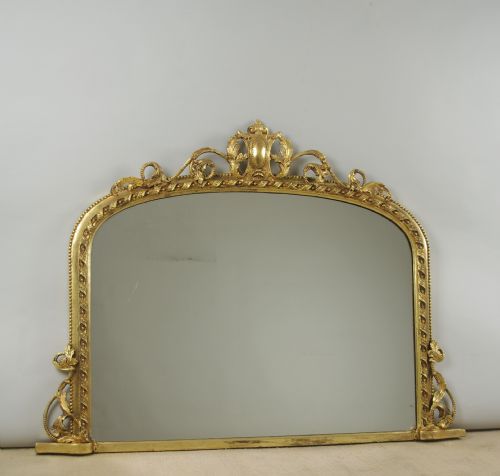
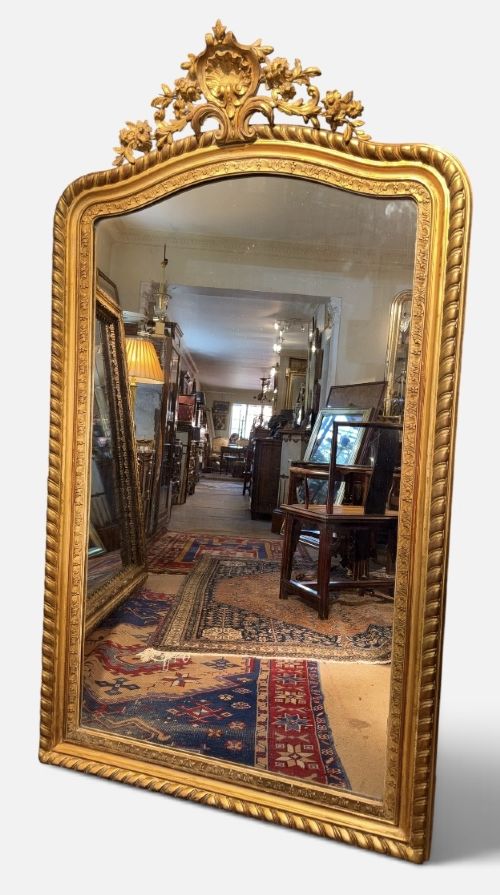
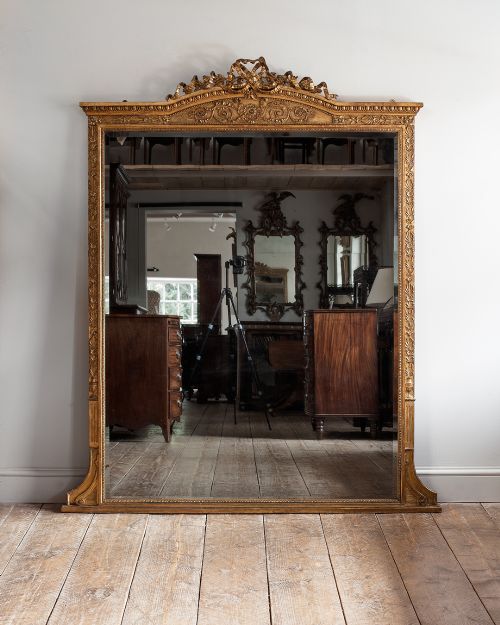
An ornate arched mirror commands the room with its sweeping crest and brilliant gilded surface, offering both architectural presence and reflected light.
Ornate Arched Mirror
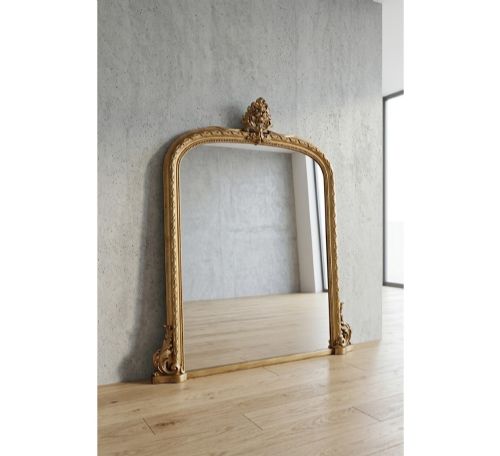
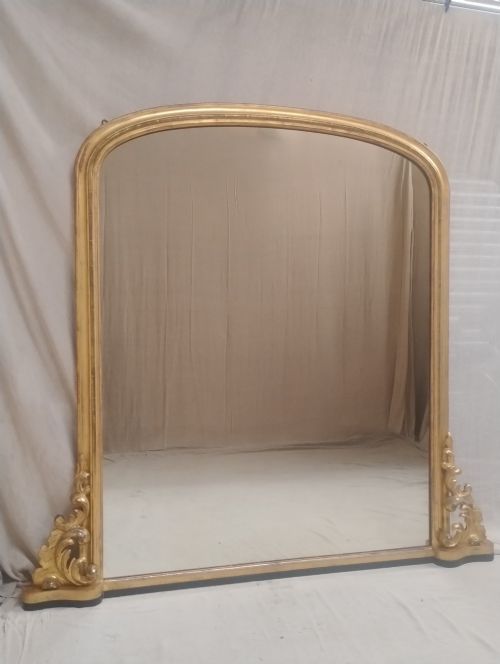
An ornate arched mirror represents a major decorative focal point, most commonly found as large overmantel mirrors designed to sit above a fireplace. These pieces emerge predominantly from the nineteenth century, spanning Victorian and French stylistic traditions.
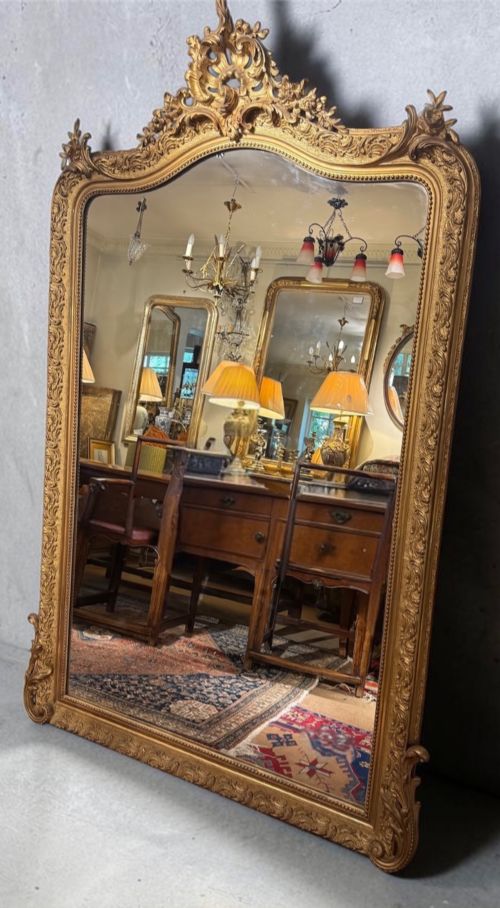
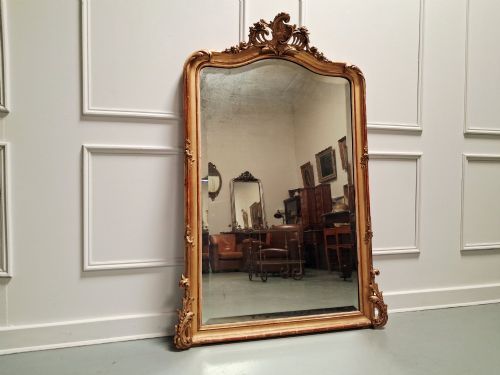
The selection centres heavily on grand proportions, shaped tops, and elaborate crests. Pieces range from English Victorian gesso frames to French Louis Philippe and Rococo Revival designs.
Buyers encounter substantial wall mirrors and pier glasses built to anchor large rooms. Oak, walnut, and ebonised timber variants also appear alongside the dominant gilded finishes.
Materials and construction
Makers constructed these frames using carved wood as a foundational base, applying layers of gesso to build up intricate relief ornaments. Artisans then applied gold leaf or gilding over the prepared surfaces to achieve a luminous finish.
Mirror glass sits within these heavy wooden structures, often retaining original qualities and silvering characteristics from the period. Plaster elements sometimes reinforce the elaborate crests and scrollwork.
Ornate Arched Mirror Retail Price Guide 2026
Typical asking prices for ornate arched mirror among the pieces listed under this phrase on Sellingantiques today, from the lower quarter to the upper quarter. They describe what is for sale here now, not the wider market.
Some nineteenth-century mirrors still hide faint chalk inscriptions left by frame-makers on the raw timber backs.
Evaluating the craftsmanship
Quality rests in the crispness of the carved wood and the depth of the gesso moulding. Superior examples display sharply defined scrollwork and intricate crests that remain intact without heavy restoration.
The application of gold leaf and the integrity of the original frame structure determine the standing of the piece. Subtlety in proportion and the harmonious balance of the arched top separate standard production from exceptional work.
The Ornate Arched Mirror Glossary
- Overmantel mirror
- A large mirror specifically proportioned to hang on the wall directly above a fireplace mantelpiece. These often feature wide horizontal formats or tall arched tops.
- Gesso
- A plaster-like mixture applied to wood frames and carved into relief designs before gilding. It provides the smooth base needed for intricate ornamentation.
- Giltwood
- Timber that has been coated with gold leaf or gold paint. This finish catches the light and defines nineteenth-century reception rooms.
- Pier glass
- A tall mirror designed to hang on the narrow wall space between windows. They often complement the architectural symmetry of period rooms.
- Louis Philippe
- A French style from the mid nineteenth century characterised by simpler arched tops and restrained classical curves. It balances ornate detailing with clean structural lines.
Ornate Arched Mirror: Frequently Asked Questions
Where should an ornate arched mirror hang?
These pieces belong above a fireplace mantelpiece where their generous proportions and arched crests draw the eye upward. They also function effectively on main reception wall spaces to bounce light across the room.
Ensure the wall structure can support substantial weight, as nineteenth-century frames combining wood, gesso, and thick glass are exceptionally heavy.
How do I identify a Victorian piece?
Victorian examples frequently display heavy gesso mouldings, elaborate crests, and deep Rococo Revival scrolling. They often utilise robust construction methods with carved wood frameworks.
Checking the reverse timber and the composition of the frame helps confirm nineteenth-century origin.
Are French mirrors different from English ones?
French pieces, such as those from the Louis Philippe period, often feature softer gilt finishes and more restrained arched profiles. English overmantel mirrors tend toward heavier, highly decorative carved wood and gesso crests. Nations shared design influences during the nineteenth century, yet regional carving habits remain distinct upon close inspection.
How do I clean an antique frame?
Dust the gilded and carved wooden surfaces gently with a soft, dry brush to protect fragile gesso details. Avoid liquid cleaners or chemical agents that can strip gold leaf.
Glass panels require simple glass cleaner applied to a cloth rather than sprayed directly, preventing moisture seepage into the antique frame.