




Original Maritime Painting
An original maritime painting captures the changing moods of the sea, from working harbours to quiet coastal inlets.
Original Maritime Painting
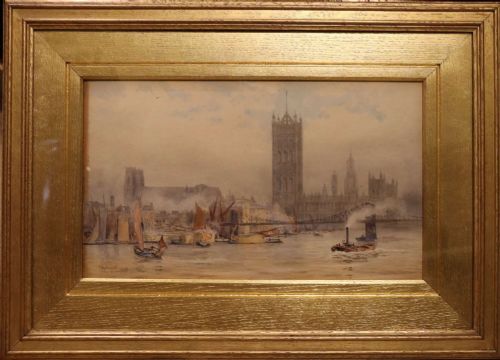
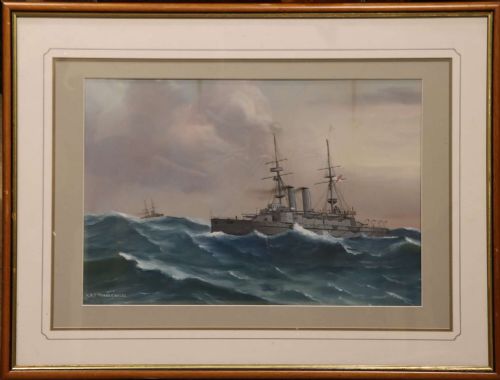
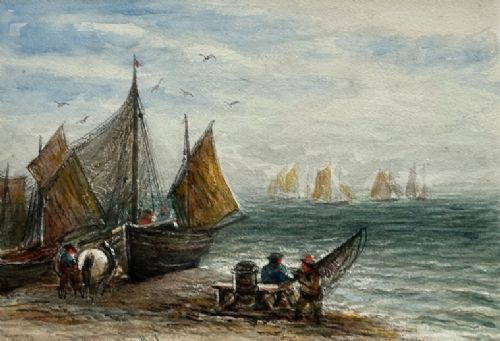
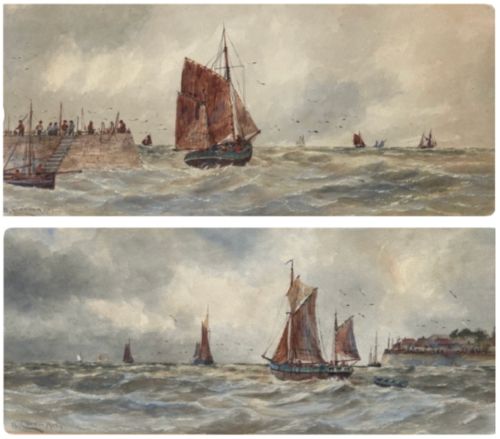
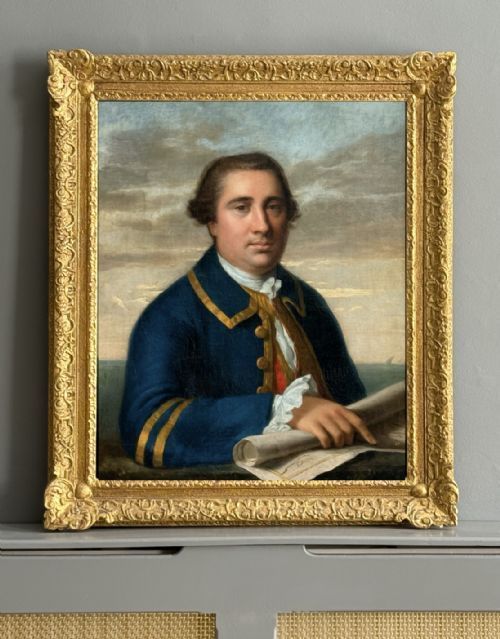
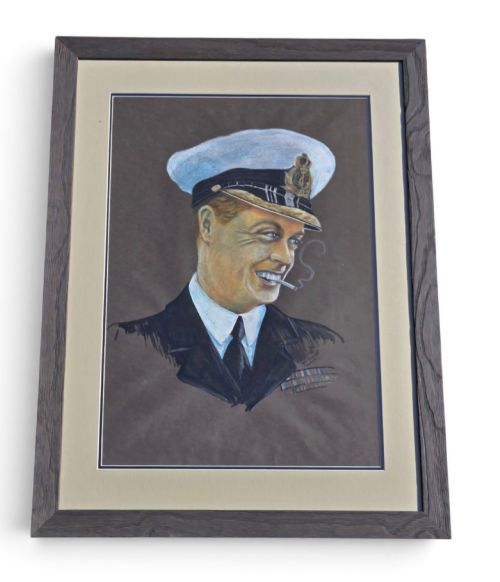
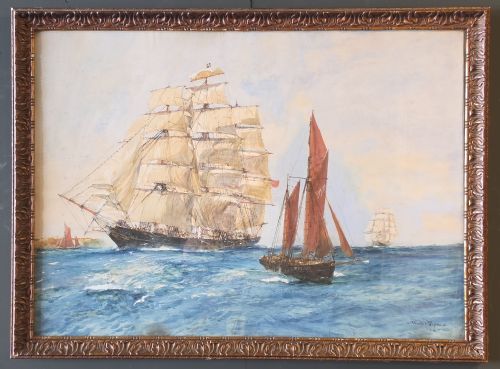
An original maritime painting depicts nautical subjects such as sailing vessels, fishing boats, coastal towns, and open seas. Collectors browsing this category encounter works ranging from nineteenth-century watercolours to mid-twentieth-century oils on board or canvas. These works record historical vessels, trading ports, and coastal landscapes through the eyes of artists working from the Victorian era into the modern period.
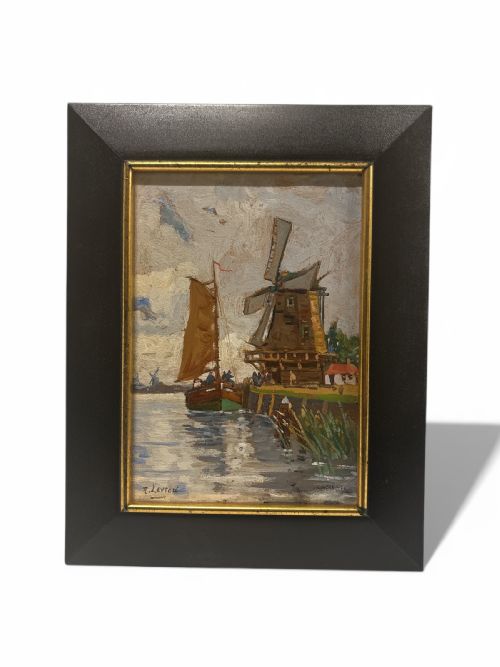
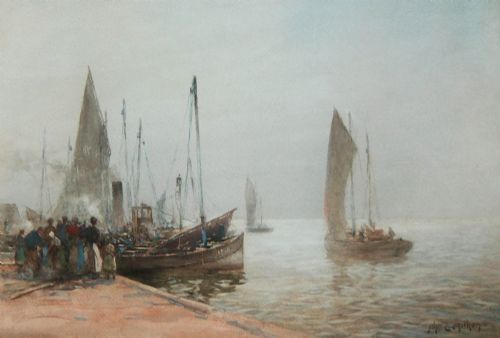
The most common examples on this page date from the nineteenth and early twentieth centuries, particularly the Edwardian era and the decades between the world wars. Forms include framed watercolours, detailed oil paintings on canvas, and textured oil on board panels. Subjects often focus on specific British coastal locations like Whitby, Scarborough, and St Ives, alongside continental harbours and open ocean scenes.
Materials and technique
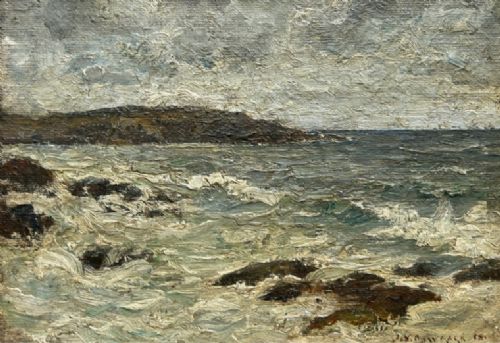
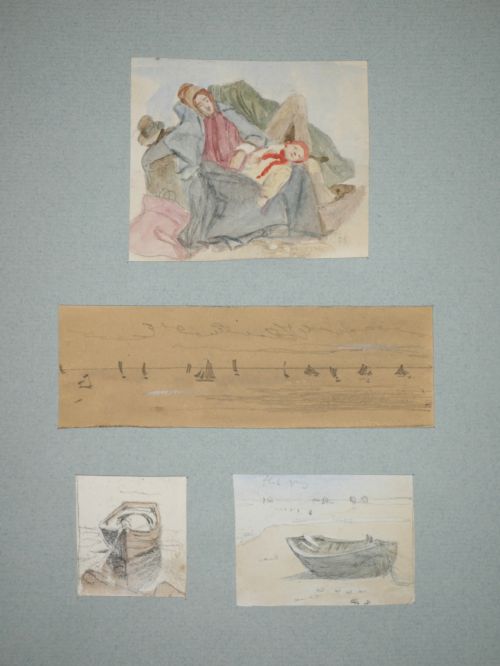
Artists utilised traditional media such as watercolour on paper, oil paint on stretched canvas, and oil applied directly to wooden boards. Watercolours allowed for translucent washes of grey and blue to capture sea spray and open skies, often built up with fine pencil work underneath. Oil paint provided a heavier body of colour, enabling painters to build impasto textures for rough waves and billowing canvas sails.
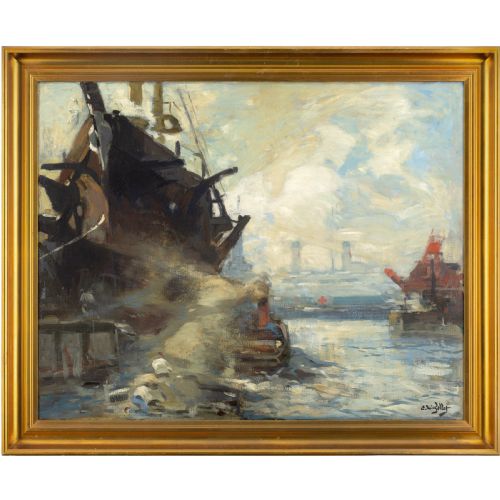
Finished works were typically housed in protective wooden surrounds, frequently including gilt frames that complemented the tonal palette of the artwork. Support materials varied according to the period, with early twentieth-century works frequently employing sturdy boards alongside traditional woven canvases.
Listings feature works spanning from the eighteenth century through the Edwardian era and up to the 1960s.
Distinctions in quality
Quality in a maritime artwork rests upon the artist's command of atmospheric light, water movement, and structural accuracy of vessels. Stronger examples demonstrate confident brushwork or precise watercolour control that conveys the weight of water and the play of wind on rigging. Weaker pieces often rely on stiff, formulaic compositions without capturing the specific character of coastal weather.
The handling of perspective and spatial depth further separates accomplished works from ordinary decorative watercolours. Superior paintings integrate figures, such as fishermen or dock workers, naturally into the coastal environment rather than placing them as static additions.
Lemuel Francis Abbott·Abraham Hulk I·James Smetham·Charles Edward Dixon·Donald McIntyre
The Original Maritime Painting Glossary
- Impasto
- Paint applied thickly to a canvas or board, standing out in relief from the surface. This technique allows artists to build physical texture into the representation of churning water or rough seas.
- Grisaille
- A painting executed entirely in shades of grey or neutral monochrome. This method was often employed for preparatory marine sketches or dramatic shipwreck scenes.
- Watercolour
- A paint consisting of pigment suspended in a water-based solution, traditionally applied to paper. It yields transparent washes that suit the depiction of coastal mists and open skies.
Original Maritime Painting: Frequently Asked Questions
How do I date a maritime painting?
Dating relies on stylistic clues, framing methods, and the types of vessels depicted in the scene. Rigging styles and ship architecture changed rapidly between the nineteenth and mid-twentieth centuries.
Signatures, artist biographical dates, and backing papers or inscriptions on the reverse often provide firm evidence for the year or decade of creation.
Where should I hang a coastal oil painting?
These works suit rooms with stable humidity levels, away from direct sunlight that can fade watercolours or discolour older oil varnishes. Adequate wall space allows larger framed canvases to be viewed comfortably from a distance.
Traditional gilt frames pair well with period interiors, while simple wooden surrounds fit more modern settings.
What is the difference between oil and watercolour marine art?
Oil paintings utilise heavy pigments on canvas or board, offering rich textures and deep colour saturation suitable for dramatic storms and dark seas. Watercolours employ translucent washes on paper, capturing delicate light on calm harbours.
Watercolours require glass protection framing, whereas oil paintings on canvas remain open to the air.
How do I identify a British impressionist marine work?
British impressionist maritime paintings feature loose, visible brushstrokes that prioritise light and movement over rigid topographical accuracy. Artists focused on the shifting effects of sunlight on water rather than minute details of rigging.
These pieces typically date from the late nineteenth century into the mid-twentieth century.