


Edwardian Marine Artwork
Edwardian marine artwork captures the romance of early twentieth century waters through oils, watercolours, and framed prints.
Understanding Edwardian Marine Artwork
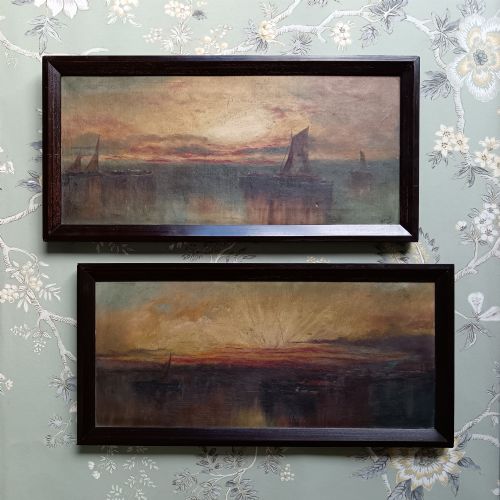
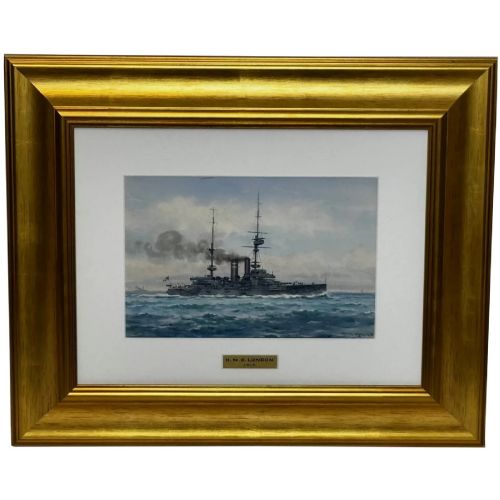
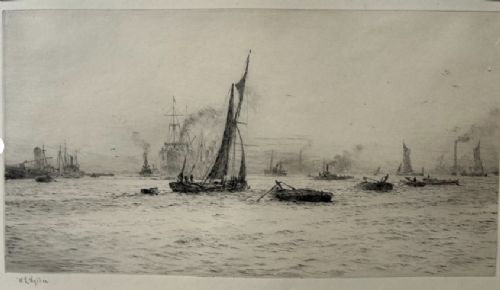
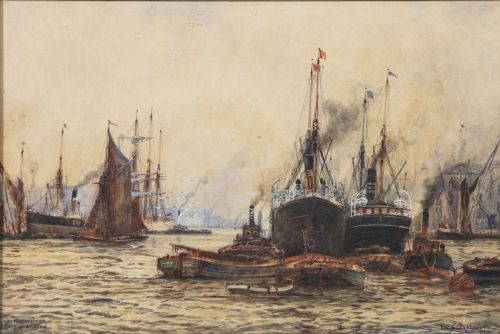
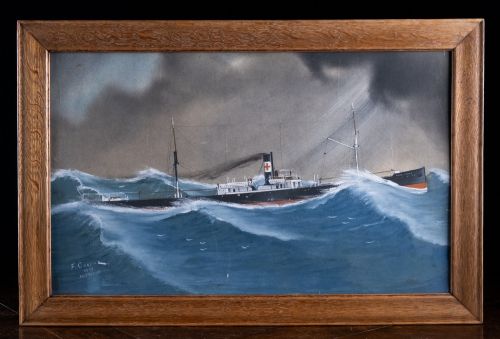
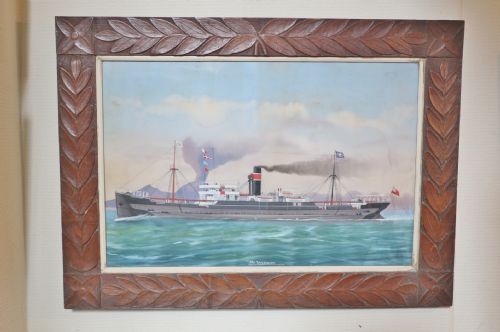
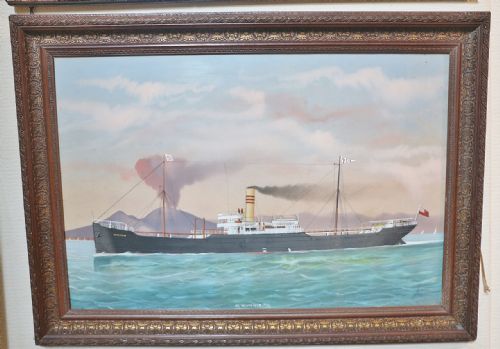
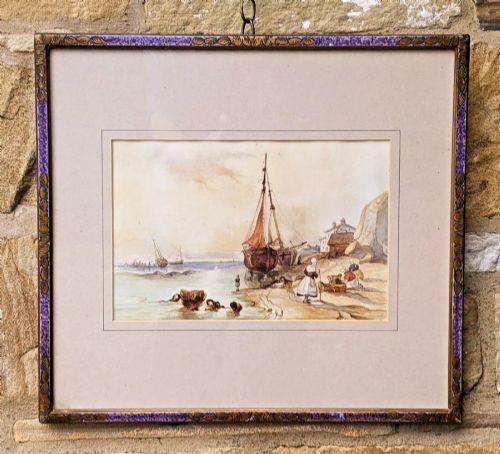
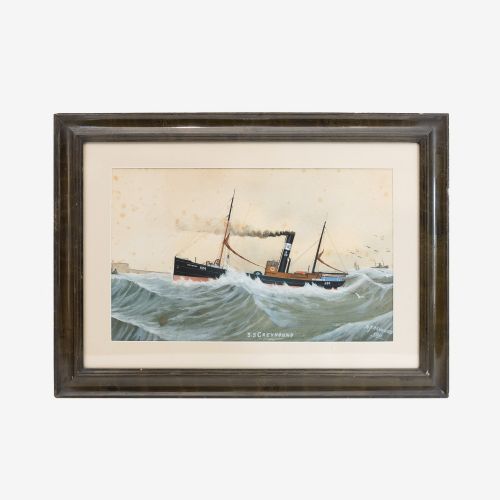
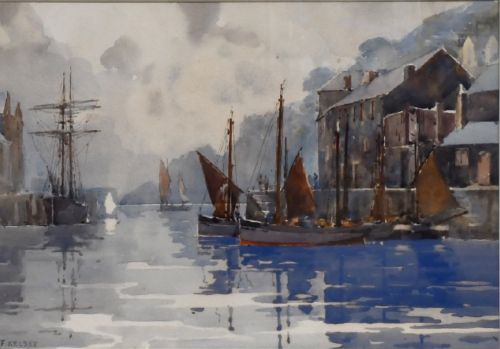
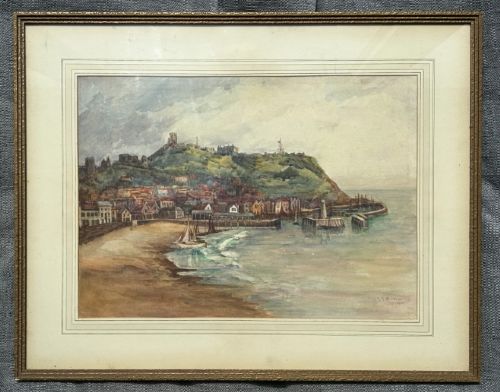
Edwardian marine artwork encompasses maritime paintings, oil paintings, and framed prints produced around the early twentieth century. These pieces record shipping and coastal scenes, capturing naval vessels, merchant ships, and river traffic.
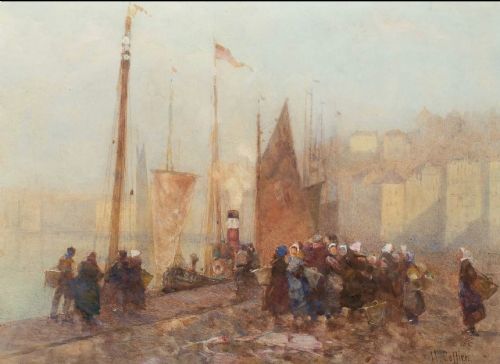
The selections available here span British Impressionism and Edwardian maritime styles, reflecting the busy waters of the period. Viewers encounter works detailing specific vessels off foreign coasts as well as domestic river scenes.
Common formats include watercolours, gouache, and oil paintings on canvas or paper, presented within wood and gilt frames behind glass. Such works offer a direct window into the maritime interests of the era.
Materials and Techniques
Artists of this period worked with oil on canvas, watercolour, and gouache applied to paper. Pigments captured the movement of choppy waters and the atmospheric light of coastal bays and tidal rivers.
Framing utilised timber and gilt mouldings, often complemented by protective glass layers to preserve delicate watercolours. These traditional mountings complete the presentation of each fine art painting.
Retail Price Guide 2026
Typical UK retail prices for edwardian marine artwork, calculated from the Sellingantiques database of over a million retail prices indexed since 2003. This retail price guide relies exclusively on Sellingantiques data; no external sources or auction records are used, so the figures do not describe the wider market.
Sailors occasionally criticised artists who painted rigging inaccurately, keeping maritime painters remarkably honest about their ropes.
Assessing Quality
Quality rests in the precision of the brushwork and the artist's ability to render atmosphere and movement in water. Works by named painters displaying confident handling stand apart from anonymous decorative prints.
The condition of the paper or canvas, alongside the originality of the timber and gilt framing, influences the overall integrity of the piece.
Edward Henry Eugene Fletcher·Elle Martino·Frank W Scarborough·William Boyce·Edmund Gouldsmith
The Edwardian Marine Artwork Glossary
- Gouache
- An opaque watercolour paint that dries to a matte finish. Artists used this medium to build dense, solid highlights on marine subjects.
- Gilt
- A thin layer of gold or gold-like material applied to wooden frames. This finish adds a reflective border that complements maritime lighting.
- British Impressionism
- A painting style focusing on light and everyday subjects. Artists working in this manner captured transient atmospheric effects on the water.
- Watercolour
- A paint consisting of pigment suspended in a water-based solution. This technique allows for transparent washes ideal for depicting sea and sky.
Frequently Asked Questions
What subjects appear in these works?
The artworks depict naval vessels, merchant ships, and working craft such as Thames barges. Scenes range from coastal bays in Devon to international waters off the coast of Italy.
Artists also recorded famous river stretches, capturing the bustle of maritime trade and transport during the Edwardian era.
How should I display them?
Hang these works away from direct sunlight to protect watercolours and paper from fading. Stable indoor humidity helps preserve the timber and gilt frames.
Ensure pieces under glass have adequate wall support, as traditional timber frames carry significant weight.
Are these works original?
The selection includes original hand-painted oils and watercolours alongside period framed prints. Each listing identifies the specific medium used by the artist.
Signatures and inscriptions often provide further context regarding the creator and the depicted vessel.
How do I identify the period?
Dating relies on artist biographies, stylistic markers of British Impressionism, and specific vessel histories recorded in the titles. Works typically date from the early twentieth century.
Framing materials and paper types also offer clues consistent with Edwardian production methods.