

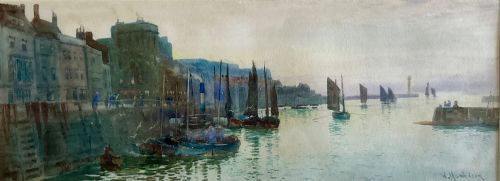
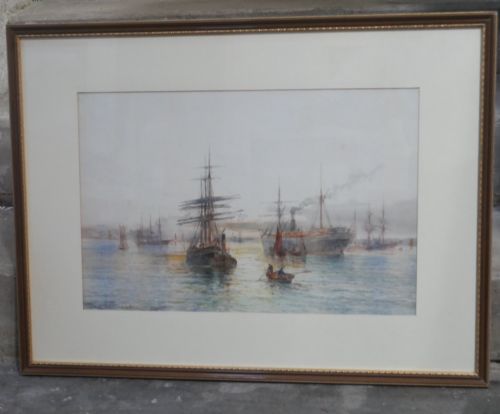
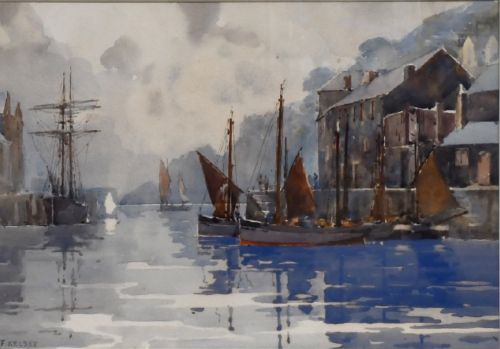
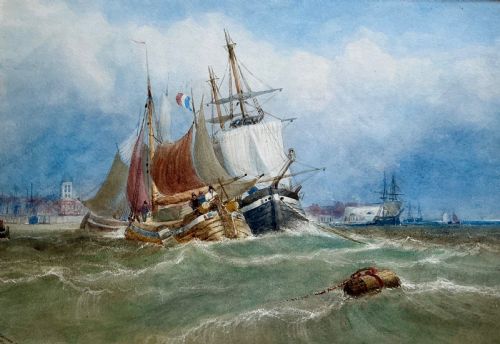
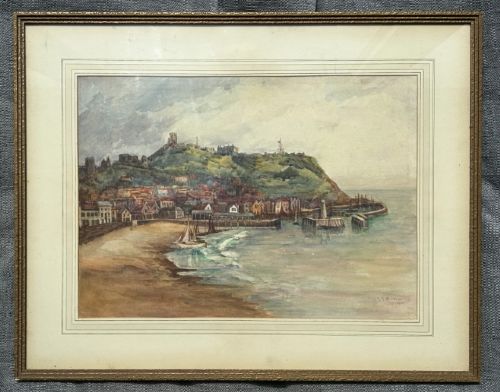


Blue Coastal Watercolour Painting
A blue coastal watercolour painting captures the atmosphere of maritime life and sea breezes using fluid pigments on paper.
Blue Coastal Watercolour Painting
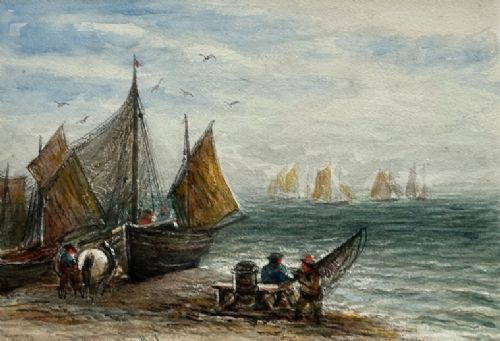
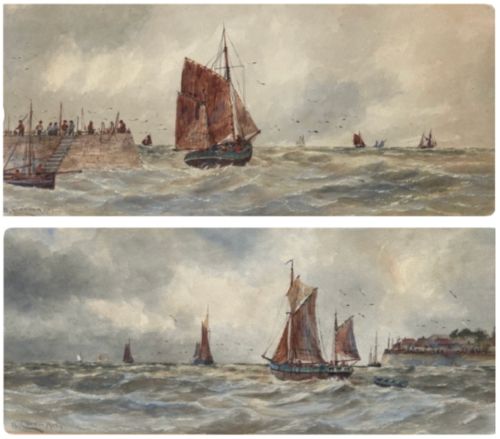
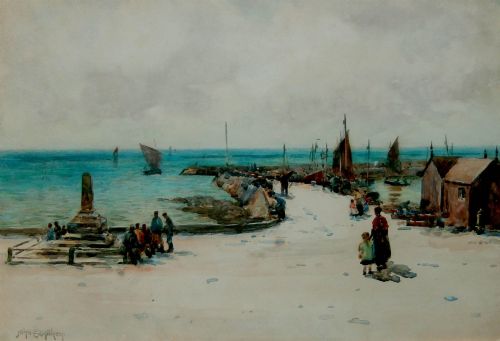
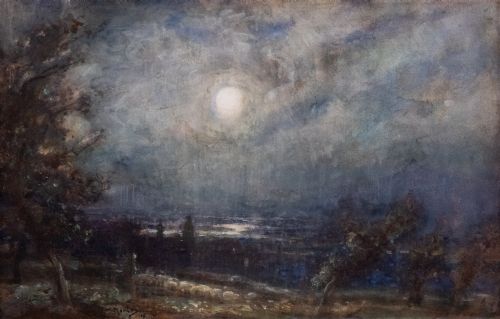
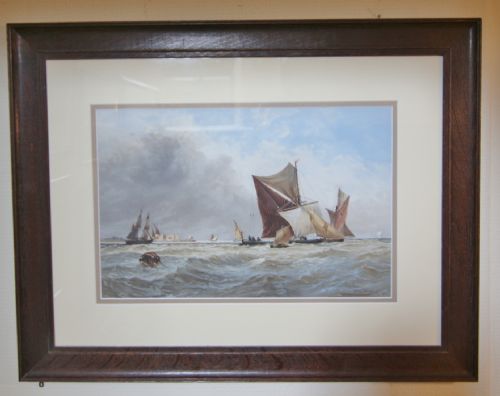
A blue coastal watercolour painting focuses primarily on marine scenes, harbours, and shores executed in water-soluble media. These works range from late Victorian depictions of bustling fishing ports to early twentieth-century interpretations of quiet estuaries.
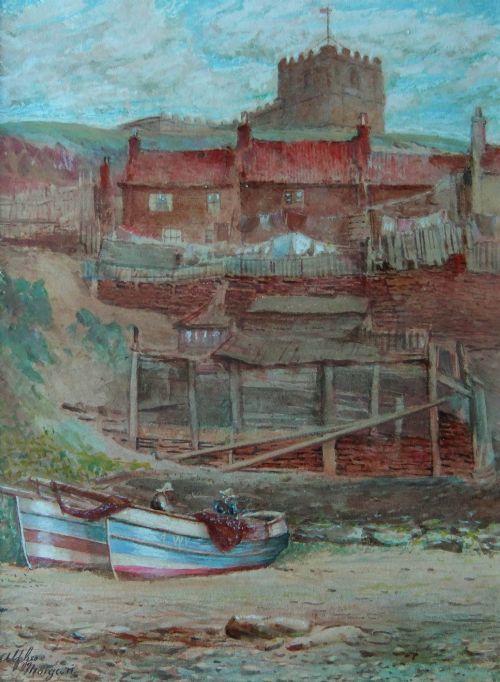
The selections available here lean heavily toward nineteenth-century and early twentieth-century British coastal views, often featuring local vessels, rocky headlands, and tidal harbours.
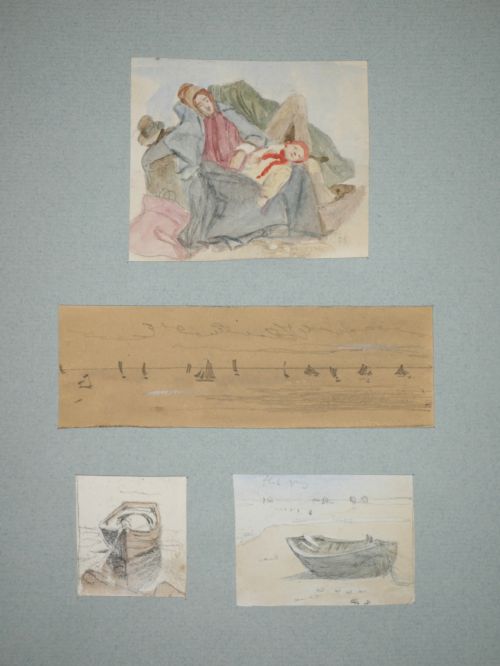
Framed examples frequently retain their period wooden surrounds and protective glass, presenting works on paper that span styles from traditional maritime illustration to British Impressionism.
Materials and technique
Artists applied watercolour pigment and ink onto absorbent paper supports, sometimes incorporating gouache to build opaque highlights on crashing waves or billowing sails.
Brushwork varied from precise architectural rendering of lighthouses and piers to loose, atmospheric washes that conveyed the shifting light over the North Sea or the English Channel.
Several artists clearly painted with damp salt air clinging to their paper, occasionally trapping actual grains of coastal sand beneath the dried washes.
Judging quality
The strength of a composition lies in the artist's handling of natural light and tonal contrast within a limited palette of blues and greys. Superior examples demonstrate a confident economy of brushstrokes that defines movement in water without overworking the paper.
Provenance and documentation also elevate certain works, particularly when signed by established marine painters or associated with recognised regional art groups such as the Staithes art colony.
James Orrock·Thomas Bush Hardy·William Lee Hankey·Edward Seago·Sir William Russell Flint
The Blue Coastal Watercolour Painting Glossary
- Watercolour
- A painting method in which the paints are made of pigments suspended in a water-based solution. The paper surface often remains visible beneath translucent washes.
- Gouache
- An opaque water-based paint that includes a white pigment filler, creating a heavier layer than standard watercolour. Artists utilise it to add solid highlights to sea foam and clouds.
- Wash
- A thin, fluid layer of diluted pigment spread evenly across the paper. It establishes the broad atmospheric expanses of sky and sea.
- Provenance
- The chronology of the ownership of a painting. Documented exhibition histories help confirm the authenticity of nineteenth-century marine works.
Blue Coastal Watercolour Painting: Frequently Asked Questions
How should I frame an antique watercolour?
Historic works on paper require conservation-grade mounting materials to prevent the backing board from staining the fragile paper over time.
Keeping the original period frame intact adds character, provided the interior is sealed against dust and moisture.
Why do some watercolours fade?
Early pigments were susceptible to chemical degradation when exposed to direct sunlight for extended periods. Displaying these paintings away from bright windows preserves the original depth of the blue tones.
Using UV-filtering glass during framing offers an additional layer of protection against light damage.
How can I date a maritime watercolour?
Stylistic clues such as the rigging of the depicted sailing vessels, the clothing of figures on the shore, and the style of the signature provide initial chronological markers. The paper type and framing materials also offer clues to the era of production.
Comparing the technique to dated works by the same artist helps narrow down the decade of creation.
Where were most of these scenes painted?
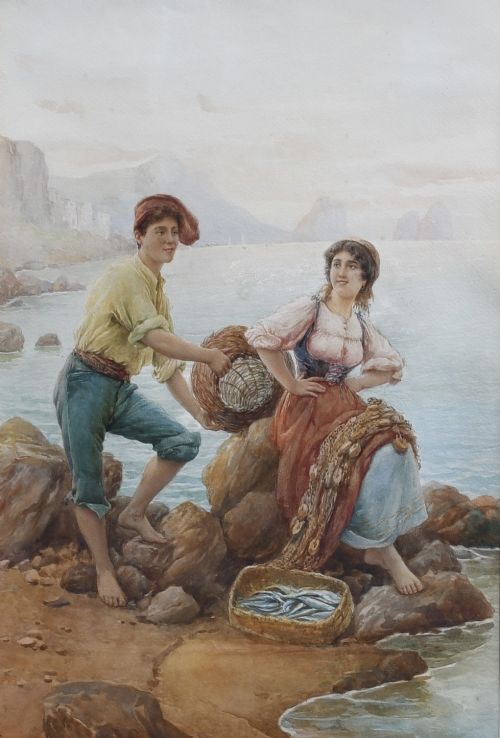
Many compositions record working ports and coastal villages around Britain, including Yorkshire harbours, Cornish fishing towns, and estuaries along the south coast. A smaller number depict continental European shores visited by travelling artists.
Artists frequently set up their easels directly on the quayside to capture changing tidal conditions.