





British Marine Fine Art
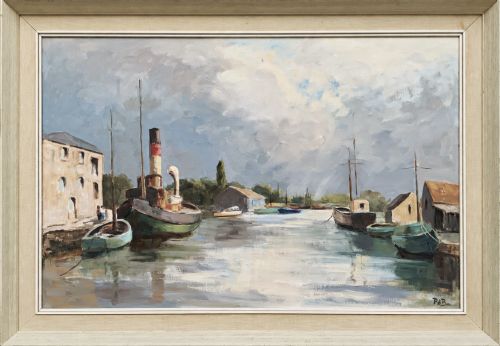
British marine fine art captures coastal life and open waters through oils and watercolours spanning the nineteenth century to the mid-twentieth century.
British Marine Fine Art
British marine fine art encompasses paintings executed on canvas or paper, focusing predominantly on coastal landscapes, harbours, and maritime scenes. Buyers searching this phrase encounter works ranging from expansive nineteenth-century canvases to mid-century modern interpretations.
How they were made
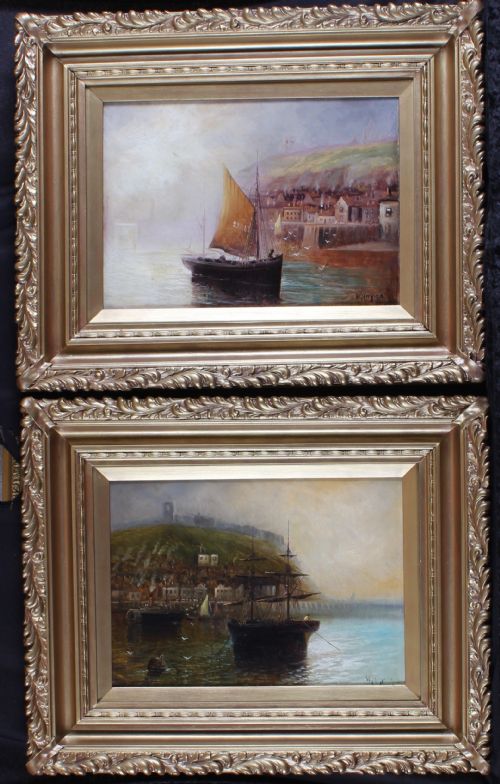
Artists utilised oil paint on canvas and applied watercolours to paper, often capturing light and atmosphere through styles such as British Impressionism and Victorian realism. Works are frequently housed within traditional wood, gesso, and giltwood frames that complement the period of creation.
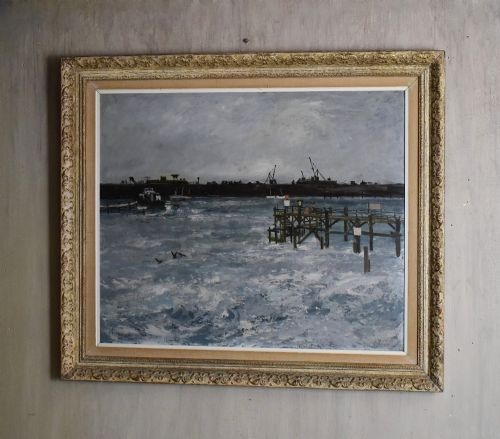
Techniques range from fluid watercolour washes employed by maritime specialists to textured oil applications seen in mid-century coastal landscapes. The interplay of pigment on canvas or paper defines the visual weight and lasting preservation of each artwork.
British Marine Fine Art Retail Price Guide 2026
Typical asking prices for british marine fine art among the pieces listed under this phrase on Sellingantiques today, from the lower quarter to the upper quarter. They describe what is for sale here now, not the wider market.
Materials documented across the artworks include canvas, paper, watercolour, oil paint, wood, gesso, and giltwood.
What varies in quality
The distinction between works rests on the artist's handling of light, atmospheric depth, and composition within the coastal subject matter. Finer examples demonstrate confident brushwork and a sophisticated palette that convey movement in water and sky.
Framing and material preservation also separate standard examples from superior pieces, with original giltwood frames and stable canvas supports enhancing the overall integrity of the artwork.
Peter Brannan·William Pitt·Thomas Rose Miles·Frank Wasley·Thomas Bush Hardy·Frank W. Scarborough·Owen Bowen·H. Hadfield Cubley·William Knox·William Savage Cooper·William Collins RA·Walter Holmes·Walter Meegan·William Kay Blacklock·John W. Gilroy
The British Marine Fine Art Glossary
- Giltwood
- Wood carved and covered with a thin layer of gold leaf or gold paint. This material forms traditional decorative frames for historical paintings.
- Gesso
- A plaster-like mixture applied to wood surfaces as a base before gilding or painting. It provides a smooth ground for intricate frame mouldings.
- Watercolour
- A painting method in which the paints are made of pigments suspended in a water-based solution. It is typically executed on absorbent paper substrates.
- British Impressionism
- An artistic movement focusing on light, brushwork, and everyday subjects. It emerged in British painting during the late nineteenth and early twentieth centuries.
- Oil Paint
- A slow-drying paint made with pigmented particles suspended in a drying oil. This medium allows for rich colour blending and textured application on canvas.
British Marine Fine Art: Frequently Asked Questions
What subjects appear in british marine fine art?
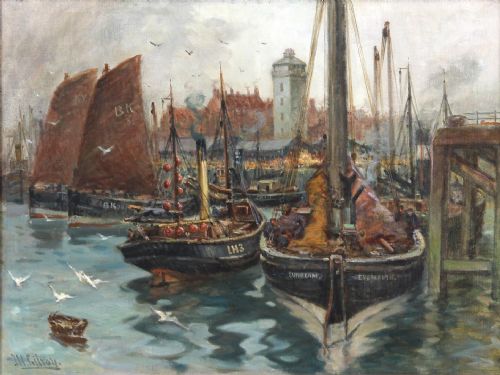
These works depict coastal landscapes, busy harbours, and maritime scenes ranging from Scottish borders to Venetian canals. Artists recorded daily maritime life, shipping vessels, and coastal weather conditions.
Scenes frequently capture specific locations such as Whitby, Scarborough, and the London pool, reflecting both British and European waterways.
How should I display watercolour paintings?
Watercolours on paper require protection from direct sunlight to prevent fading of the pigments over time. Proper framing behind glass helps shield the delicate paper from atmospheric moisture and dust.
Positioning these pieces away from direct heat sources ensures the paper and framing materials remain stable for years to come.
How do I identify a Victorian oil painting?
Victorian oil paintings often feature detailed realism or early impressionist qualities on traditional canvas supports. The subject matter frequently reflects nineteenth-century artistic conventions regarding landscape and maritime portraiture.
Examining the stretcher frames, canvas type, and accompanying gesso or giltwood frames helps contextualize the period of execution.
What is mid-century modern british art?
Mid-century modern British art encompasses works created around the mid-twentieth century that embrace evolving modernist aesthetics. These paintings move away from strict Victorian realism toward a more interpretive view of coastal landscapes.
Artists from this era utilised oil paint on canvas to explore form and colour in marine subjects with a contemporary perspective.