


Brown Marine Painting
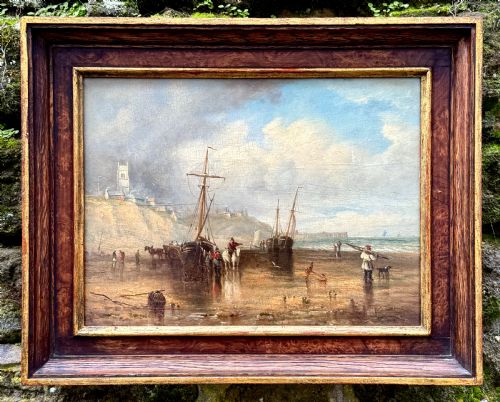
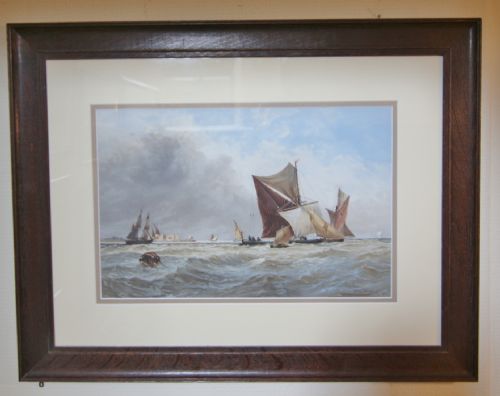
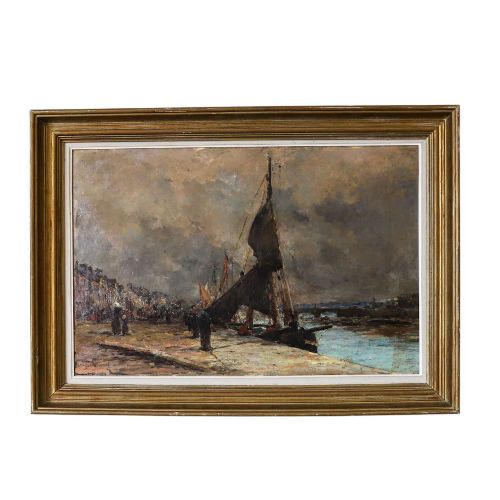
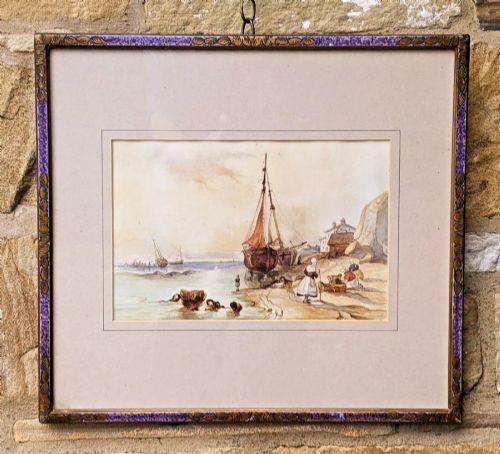
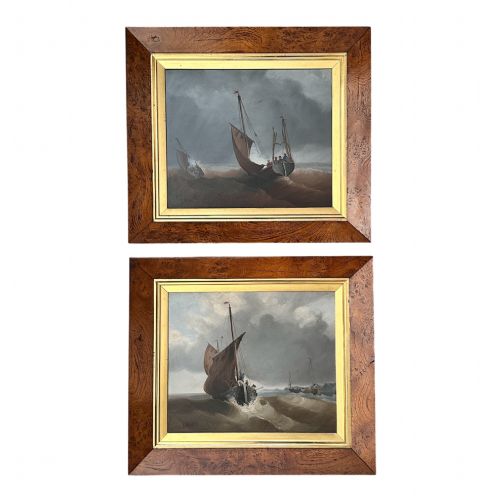
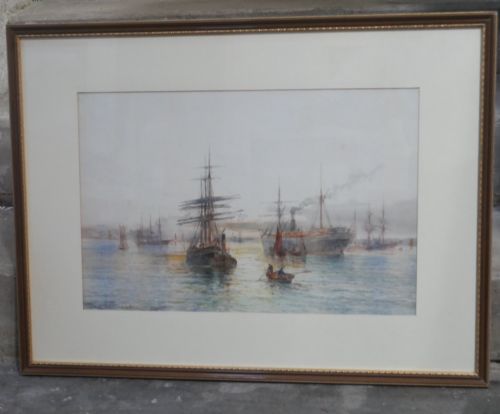
These brown marine painting works capture coastal shores, bustling harbours and historic sailing vessels through nineteenth and early twentieth-century brushwork.
Brown Marine Painting
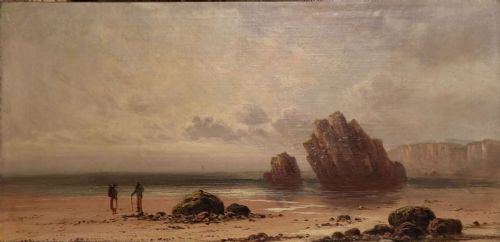
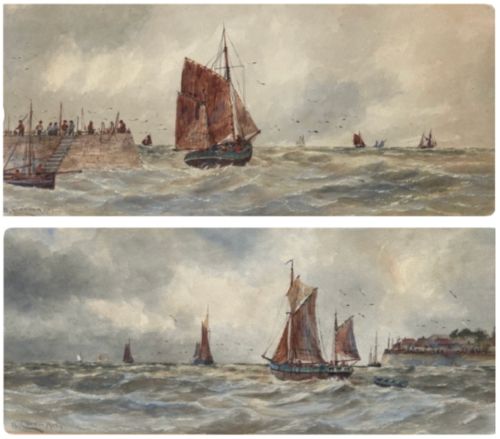
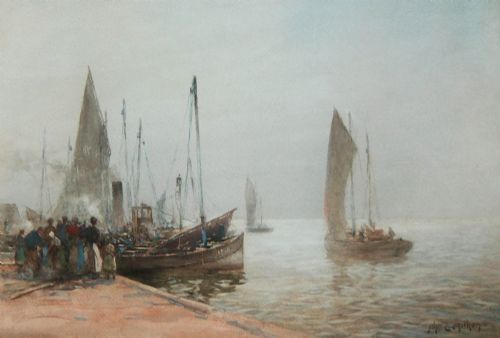
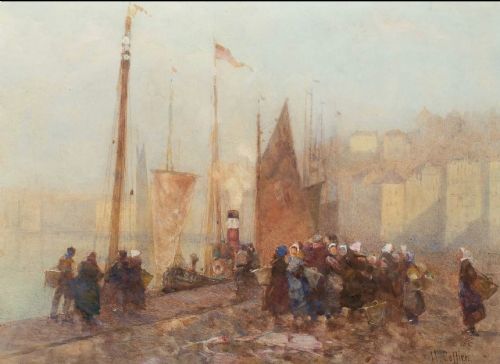
A brown marine painting documents maritime history, coastal communities and naval engagements predominantly across the nineteenth and early twentieth centuries. These artworks frequently portray bustling fishing ports, rugged coastlines and historic vessels navigating choppy waters under moody skies.
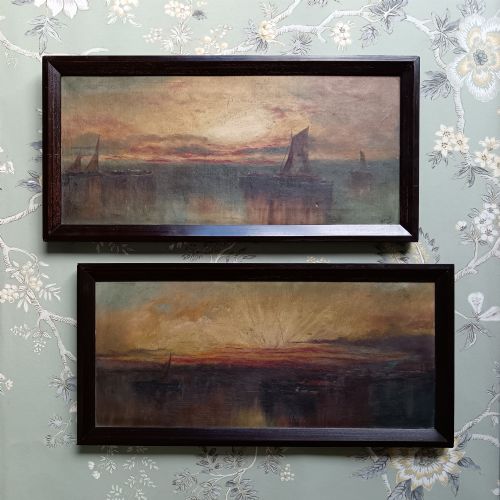
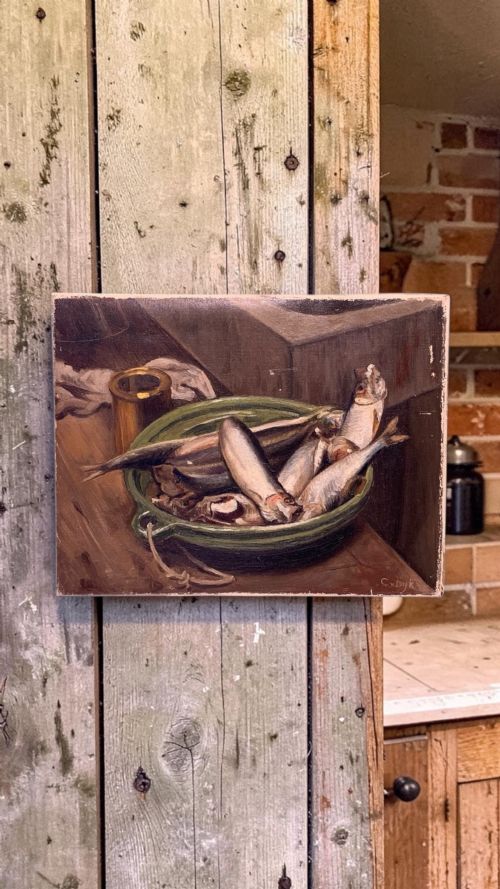
Buyers encountering this selection will find a diverse array of framed watercolours, gouache pieces and oil paintings on canvas or board. The prevailing palette tends toward earthy tones, sepia washes and deep umbers that define traditional maritime aesthetics.
Materials and methods
Artists relied primarily on oil on canvas, traditional watercolours and gouache pigments applied to paper or prepared board. These mediums allowed painters to achieve both fine maritime rigging details and atmospheric, stormy weather effects.
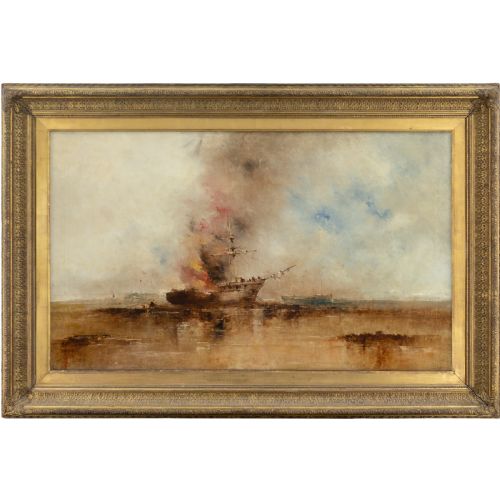
Surviving works are frequently housed within period gilt frames that complement the deep brown and amber hues of the compositions. Watercolour examples often utilise heavy paper stocks, whilst oil works employ layered pigments to build textured seas and turbulent waves.
One sailor's sentimental tribute includes a painted French ironclad battleship created entirely as a heartfelt memorial to his shipmates.
Evaluating the standard
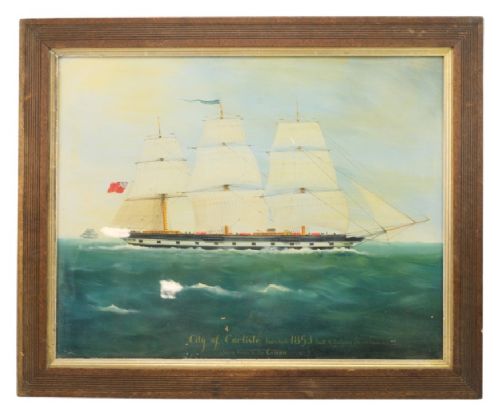
Quality rests heavily on the artist's ability to render maritime anatomy accurately, from the precise rigging of a barque to the natural movement of coastal tides. Superior examples display confident brushwork and atmospheric depth rather than stiff or formulaic vessel placement.
The preservation of the pigment and the original framing contribute significantly to a piece's standing. Strong works maintain vibrant tonal contrasts within their brown palettes, avoiding excessive fading or harsh restoration.
Kenneth Cozens·James Orrock·William Cannon·William McAlpine·B. Nash·James E. Aitken·F. Corpuz·Hector Caffieri·Thomas Creswick·T. B. Hardy·John Moore of Ipswich·Bernard Benedict Hemy·George Stanfield Walters·John Moxon·Alfred George Morgan·Richard Harry Carter·Gustave De Bréanski·Thomas Bush Hardy·Tom Clough·Edward Henry Eugene Fletcher·T. S. Wallis
The Brown Marine Painting Glossary
- Seascape
- A type of artwork depicting the sea, coastal views, ships or maritime engagements. These pieces form the core of nautical fine art collections.
- Gouache
- An opaque water-based pigment that dries to a matte finish, frequently utilised alongside watercolour for heightened tonal contrast in maritime scenes.
- Lugger
- A traditional small fishing vessel carrying lug sails, commonly featured in nineteenth-century British and West Country coastal art.
- Gilt frame
- A wooden picture frame coated in gold leaf or metallic paint, characteristic of Victorian and Edwardian presentation standards.
- Barque
- A sailing vessel with three or more masts, popular among ship portraitists documenting commercial fleets during the nineteenth century.
Brown Marine Painting: Frequently Asked Questions
What periods do these maritime paintings cover?
The available selection spans primarily from the nineteenth century through the Edwardian era and into the early twentieth century. These works reflect the shifting artistic styles of Victorian realism and British impressionism.
Collectors will also encounter pieces dated from the 1860s up to the 1930s, offering a broad chronological view of changing ship designs and coastal architecture.
How should I care for an antique watercolour?
Antique watercolours require protection from direct sunlight to prevent the pigments and paper from fading over time. Maintaining a stable indoor humidity helps preserve both the paper support and the original backing.
Displaying them away from moisture-prone areas ensures the watercolour pigments and any accompanying gouache remain stable for years to come.
Are these paintings signed by the artists?
Many of the listed works feature artist signatures, initials or period inscriptions denoting specific coastal locations and vessels. Documentation on the reverse or visible signatures often assists in identifying the creator.
Unsigned examples are typically attributed to regional British or European schools working within the same traditional marine aesthetic.
What subjects are most common in these scenes?
Common subjects include bustling fishing harbours, stormy coastal waters, naval battles and commercial sailing barges at work. Scenes often capture specific British and European locations such as Whitby, Brighton, or the River Medway.
Artists frequently focused on the daily labour of fishermen, coastal figures on rocky beaches, and detailed portraits of historic ships.