
Oriental Pottery Urn
An oriental pottery urn brings centuries of kiln tradition into a room, offering the weighty presence of hand-shaped clay and intricate glaze work.
Oriental Pottery Urn
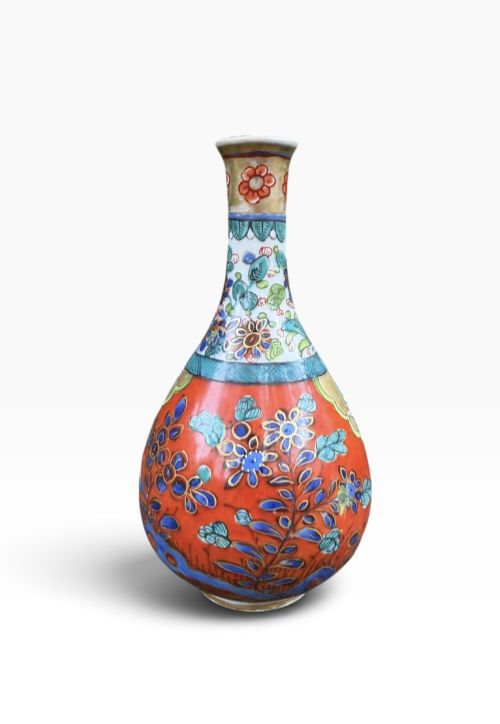
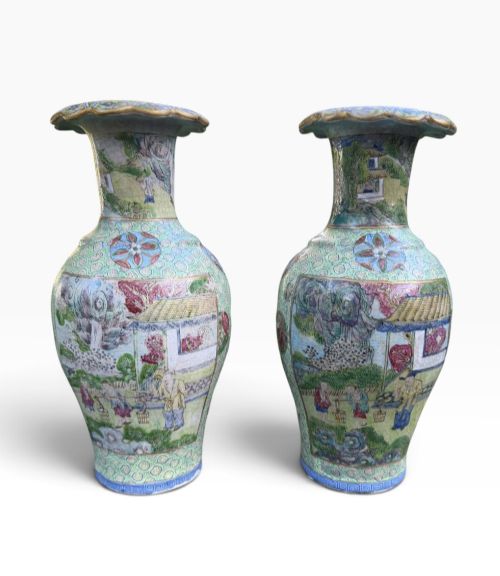
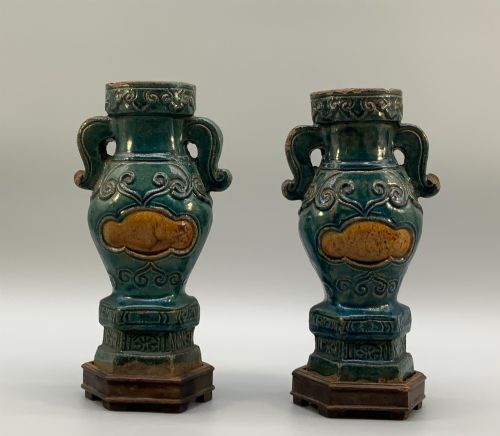
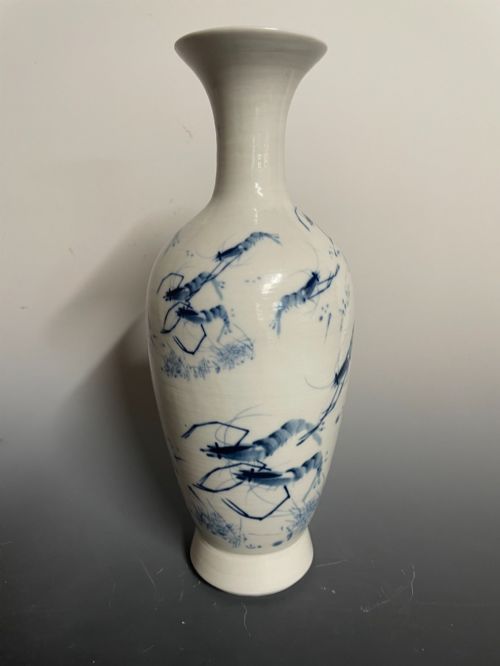
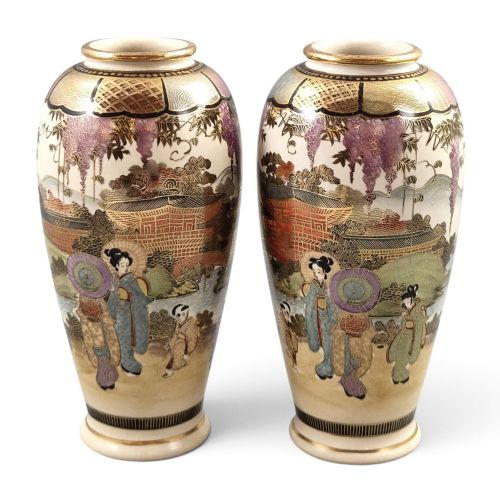
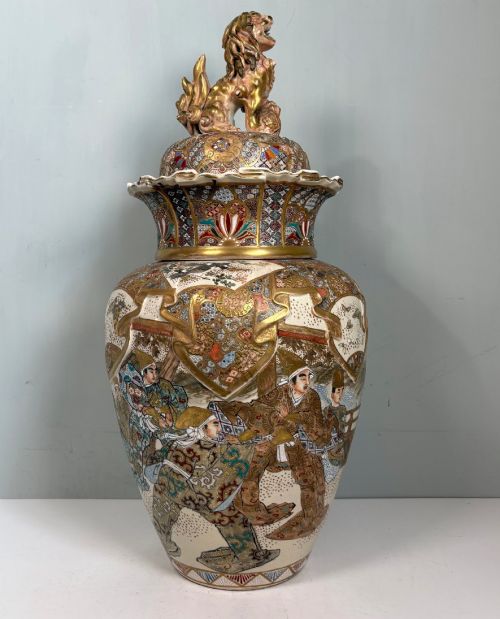
When searching for an oriental pottery urn, a buyer encounters a diverse selection of ceramic vessels originating from Chinese and Japanese kilns. The pieces take many forms, including ginger jars, baluster vases, garniture sets, and even converted table lamps.
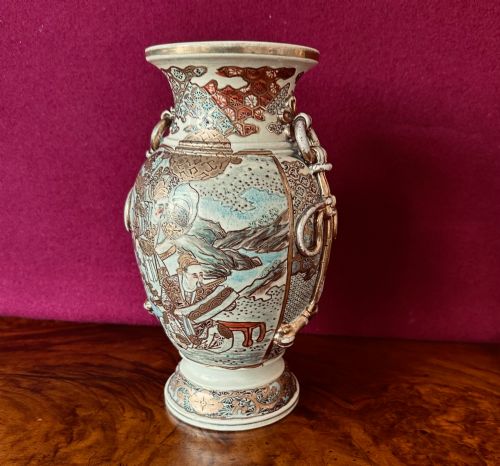
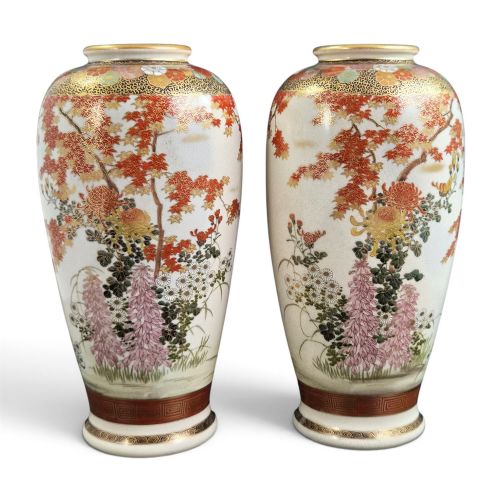
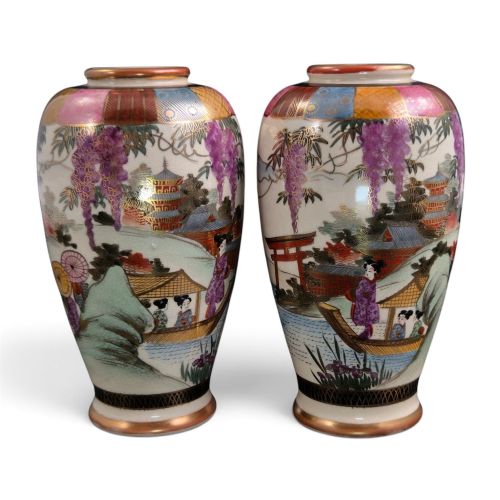
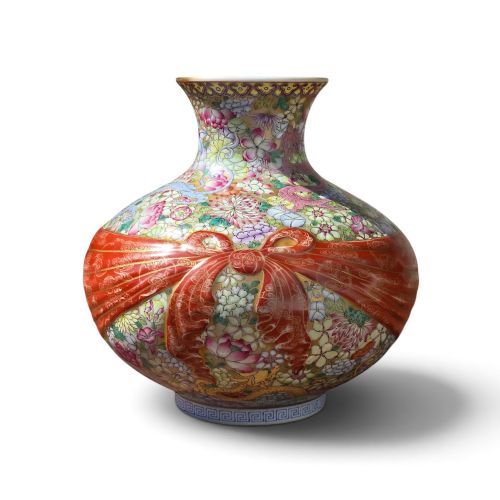
Most examples found on this page date from the nineteenth and early twentieth centuries, spanning the late Qing Dynasty, the Meiji and Taisho periods, and the Edwardian era. Japanese Satsuma ware and Imari porcelain appear frequently alongside Chinese blue and white and famille rose ceramics.
How they were made
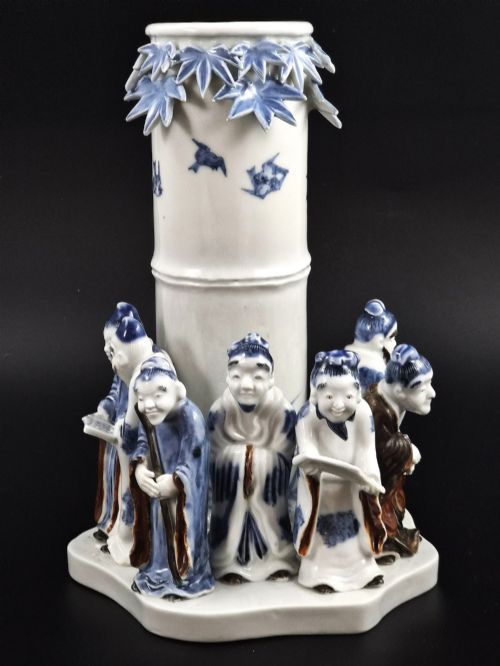
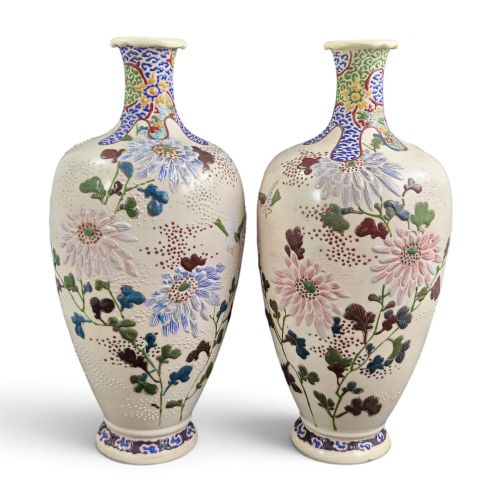
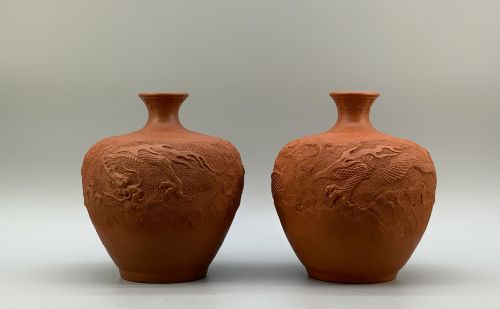
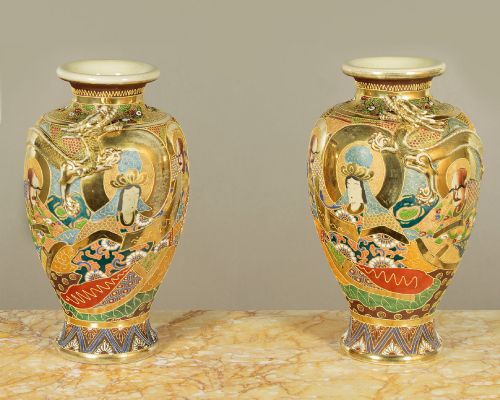
Potters shaped earthenware and porcelain on the wheel or by hand, often adding moulded elements such as dragons, panels, or applied relief work known as moriage. Cobalt glaze, enamel, and gold leaf were then applied by hand before firing in kilns.
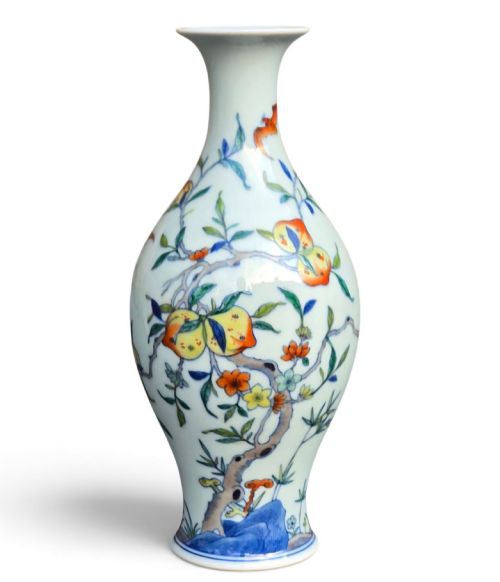
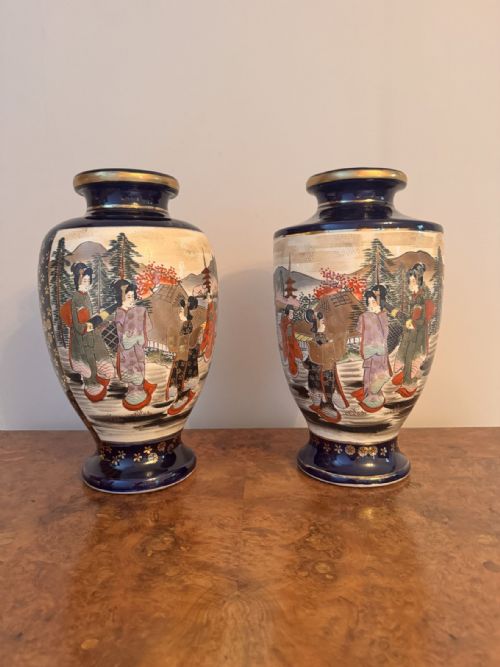
Many Japanese and Chinese pieces combine underglaze cobalt blue with overglaze polychrome enamels and subtle gilding. Stoneware and red clay variations also appear, particularly in pieces from Tokoname.
Spot the tiny painted butterflies flitting across the Meiji porcelain, carefully positioned to startle anyone peering too closely.
What varies in quality
The distinction between standard decorative items and exceptional pieces lies in the precision of the brushwork and the depth of the palette. Skilled artists executed figures, foliage, and narrative scenes with immense control and minute detail.
Another measure of quality is the clarity of the glaze and the crispness of the gilt work. Pieces bearing the signatures of noted makers or workshops often display superior compositional balance and refined potting.
Maruni Kobe·Shozan·Manpei·Kinkōzan·Hotoda·Makuzu Kozan
The Oriental Pottery Urn Glossary
- Satsuma
- A type of Japanese earthenware with a crackled ivory glaze, typically decorated with elaborate polychrome enamels and gold. It was widely produced for export during the Meiji period.
- Moriage
- A decorative technique in Japanese ceramics where slip is piped onto the surface to create raised designs. This method adds tangible texture beneath the enamels and gilding.
- Famille Rose
- A Chinese ceramic palette dominated by opaque pink or rose enamel introduced during the Qing dynasty. It allowed artists to render soft gradients in floral and figural motifs.
- Garniture
- A set of matching vases or jars designed to be displayed together on a mantelpiece or sideboard. These matched groups often comprise three or more pieces.
Oriental Pottery Urn: Frequently Asked Questions
What is an oriental pottery urn used for?
These vessels functioned primarily as ornamental display pieces in traditional interiors, often placed on mantelpieces or housed within cabinets. Some larger examples served as umbrella stands or ginger jars for storing spices.
Today, buyers use them as decorative focal points in living spaces or hallways. Certain pieces have also been adapted into table lamps for domestic lighting.
How do I identify Satsuma ware?
Satsuma ware is easily recognised by its characteristic warm, ivory-coloured earthenware body covered in a fine network of crackled glaze. Artisans painted these surfaces densely with figures, landscapes, and floral motifs using enamel and gold.
Many pieces carry artist or workshop seals on the base, particularly from the Meiji period when production for Western markets peaked.
How should I care for these ceramics?
Dust these pieces gently with a soft, dry brush to prevent accumulation in recessed areas and raised moriage details. Avoid chemical cleaners and abrasive cloths, as they can wear away fragile gilding and enamel work.
Keep them away from direct sunlight and damp environments to preserve the integrity of the glaze and pigments.