


Oriental Porcelain Dishes
These oriental porcelain dishes bring centuries of precise ceramic artistry into the home, offering striking patterns and enduring craftsmanship.

Oriental Porcelain Dishes
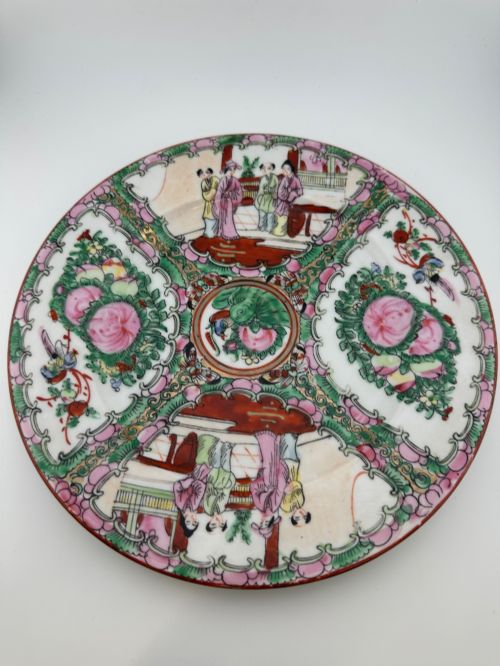
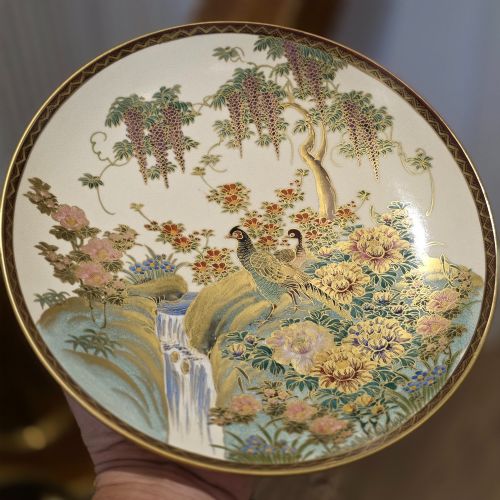
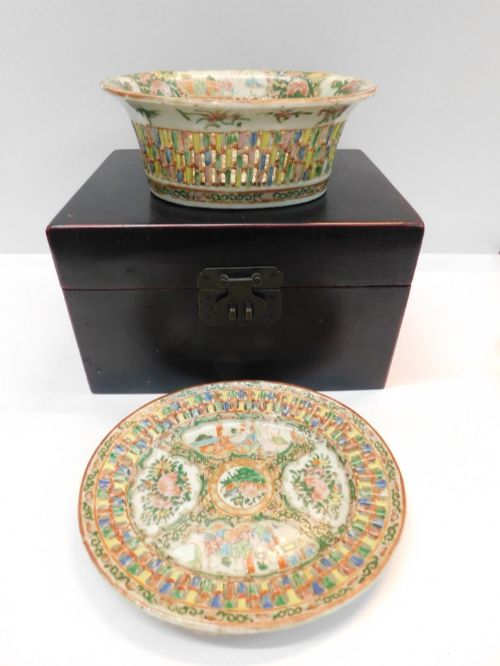
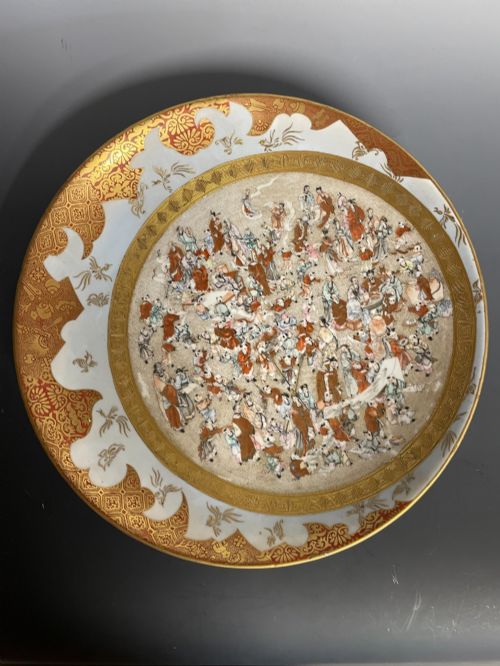
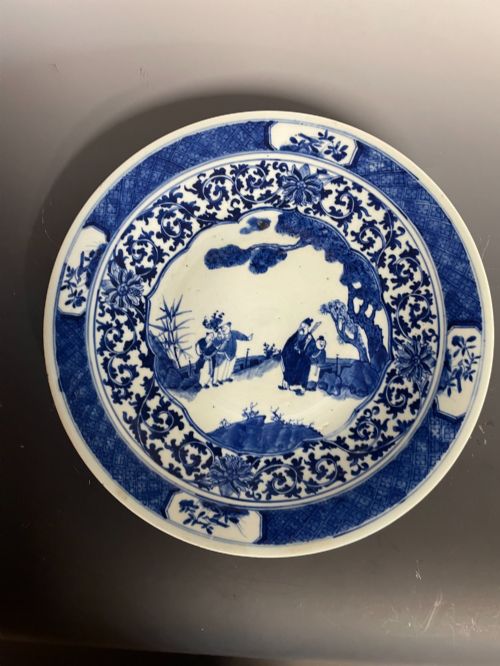
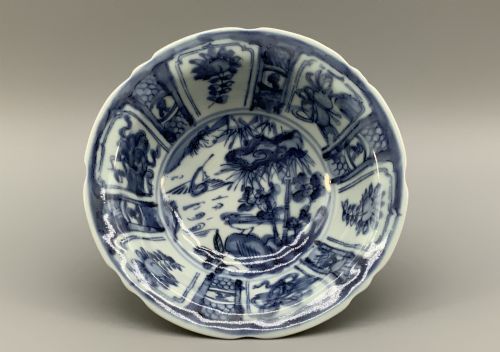
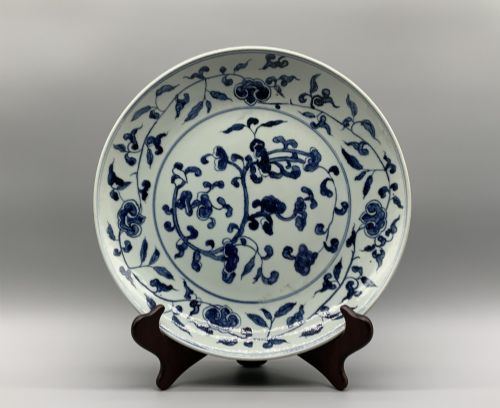
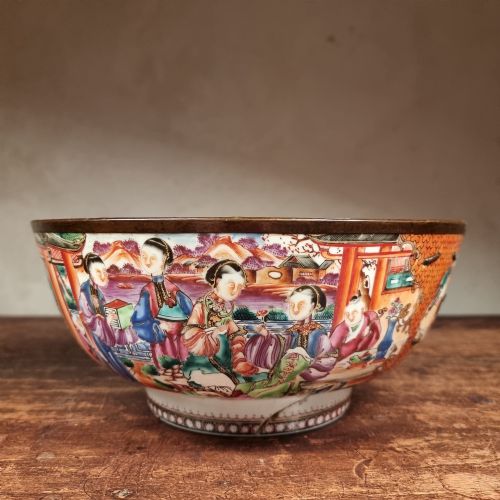
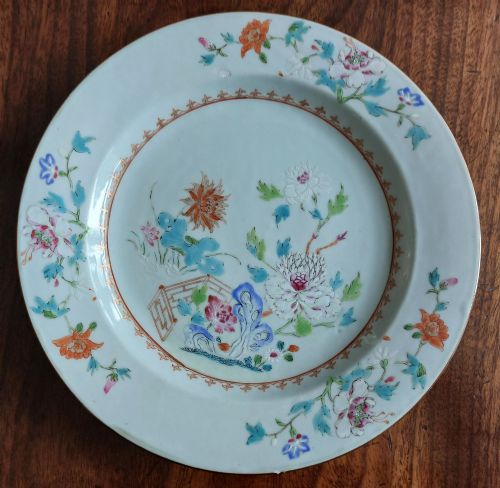
When you search for oriental porcelain dishes, you encounter a diverse range of decorative plates, bowls, chargers and baskets originating from China and Japan. The selection spans centuries of production, encompassing pieces from the Kangxi and Qianlong periods alongside Meiji period Japanese ceramics.
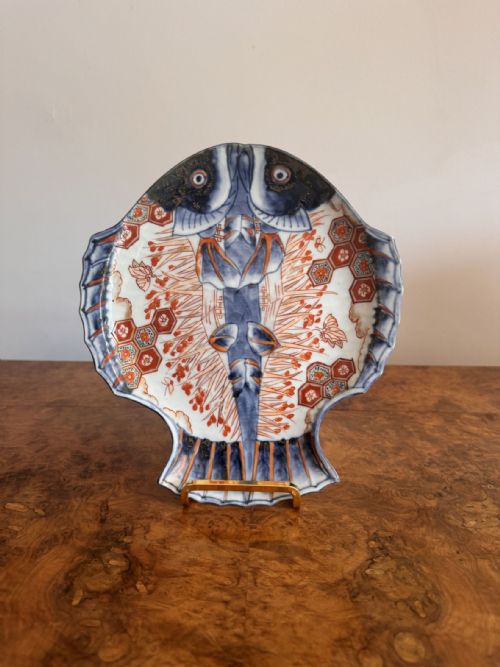
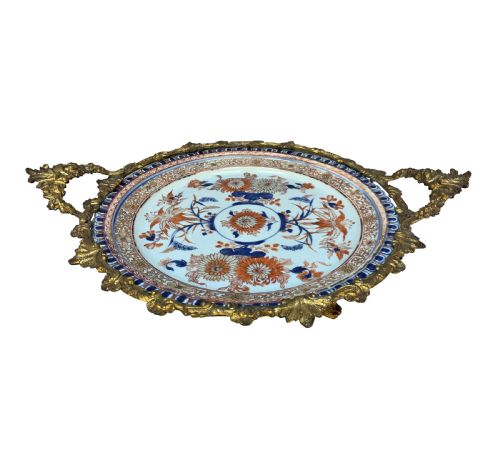
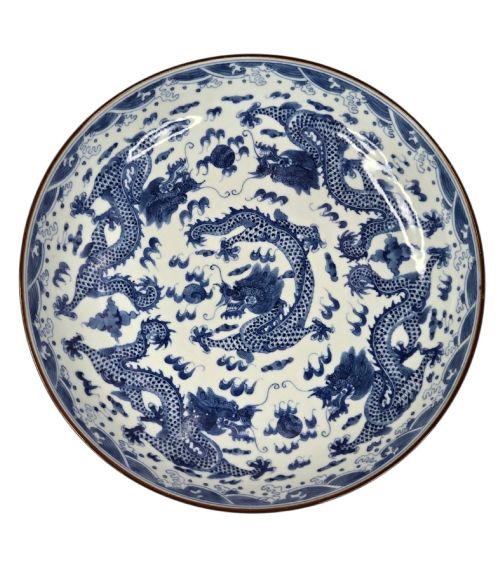
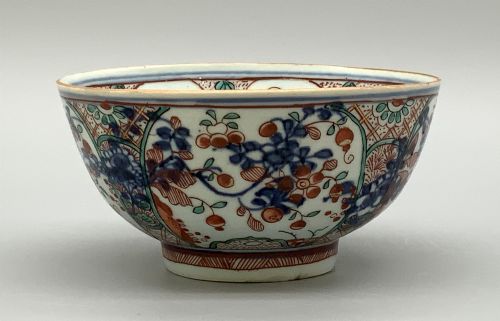
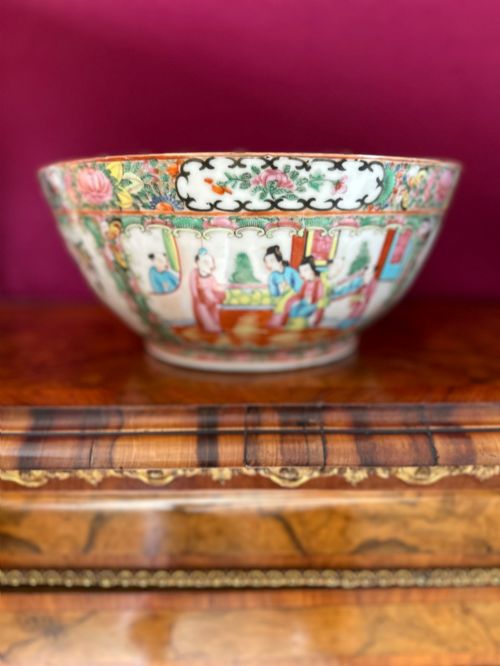
You are most likely to meet Japanese Imari chargers and dishes from the late nineteenth and early twentieth centuries on this page. Alongside these, Chinese blue and white porcelain and famille rose plates appear, reflecting distinct regional styles and historical eras.
How they were made
These items rely on high-fired ceramic body materials combined with cobalt underglaze, enamel paint and gilding. Artisans applied cobalt blue directly beneath the transparent glaze before firing, creating deep, permanent coloration on Chinese and Japanese vessels.
Surface decoration frequently incorporates gold leaf and vibrant enamel pigments applied over the glaze. Specialised techniques such as reticulation, moulding into specific animal or geometric shapes, and moriage relief work complete the production process.
Materials documented across the page include porcelain, enamel, gold leaf, earthenware, glaze, gilding, and cobalt underglaze.
What varies in quality
The standard of painting and precision of brushwork distinguish simpler items from superior examples. Skilled artists executed intricate botanical motifs, exotic birds and dragon imagery with controlled lines and harmonious colour palettes.
Form and mounting also set exceptional pieces apart, seen in ormolu mounts, lobed or scalloped edges, and unusual configurations such as fish-shaped or hexagonal plates. Weight, symmetry and the clarity of the glaze contribute to the overall execution.
Koshida
The Oriental Porcelain Dishes Glossary
- Imari
- A style of Japanese porcelain featuring a distinctive palette of cobalt blue, iron red and gold, produced primarily for export.
- Famille Rose
- A major palette of Chinese ceramic enamels introduced in the eighteenth century, dominated by opaque pink or rose colours.
- Charger
- A large decorative plate or platter traditionally utilised for display rather than serving food at the table.
- Reticulation
- An openwork pattern or pierced design cut into the ceramic body before glazing and firing.
- Moriage
- A decorative technique using raised slip or enamel dots and lines to create a tactile relief effect on pottery.
Oriental Porcelain Dishes: Frequently Asked Questions
What is an oriental porcelain dish?
An oriental porcelain dish is a ceramic plate, bowl or charger produced in China or Japan utilising traditional glazing and painting methods.
These objects range from functional vessels to purely decorative chargers intended for display on walls or tables.
How do I date a porcelain dish?
Dating relies on stylistic evidence, specific reign periods, potting techniques and palette characteristics recorded in the physical piece.
Imperial eras, Meiji period markers and export classifications help place items within broad eighteenth, nineteenth or early twentieth-century timeframes.
How were these dishes used?
Many larger chargers and plates served decorative display purposes in European and Asian interiors due to their striking visual designs.
Smaller bowls and dishes functioned as tableware for dining or as specialised vessels for tea ceremonies and food presentation.
How should I display them?
Dishes can be mounted securely on walls using specialised plate hangers or displayed upright on sturdy wooden plate stands.
Placing them away from direct sunlight protects enamel pigments and gold leaf details from fading over time.