




Square Porcelain Dishes
Square porcelain dishes offer structured elegance for the table, spanning English factories and Asian export kilns across several centuries.
Square Porcelain Dishes
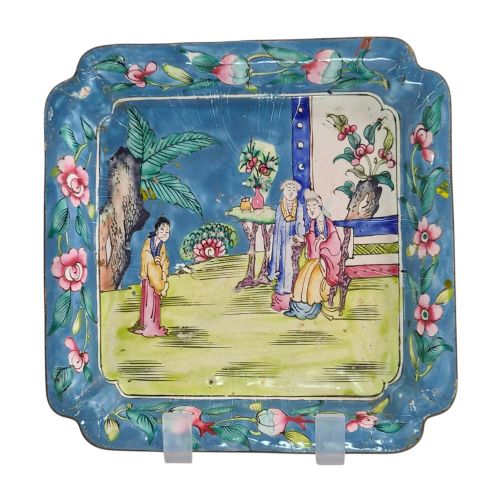
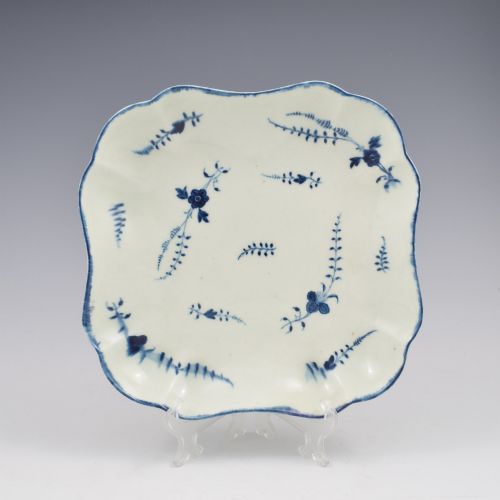
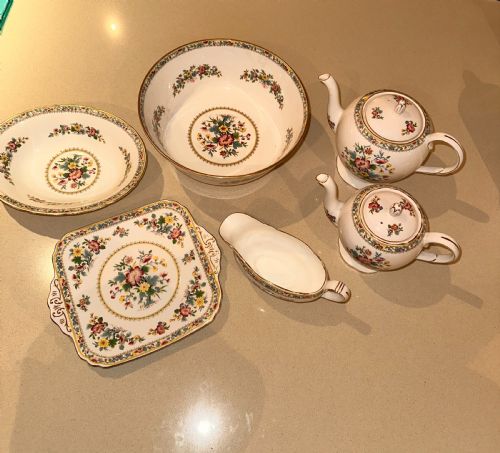
Square porcelain dishes appear in forms ranging from dessert services and decorative bowls to plates with chamfered or lobed edges. These pieces emerge from periods spanning the eighteenth century through the Edwardian era, encompassing Georgian, Regency, and Victorian aesthetics alongside Japanese Meiji and Kangxi epochs.
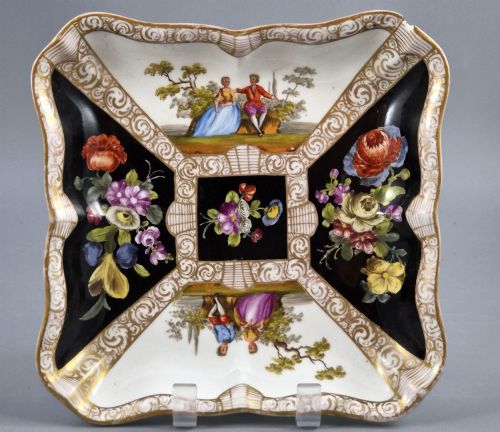
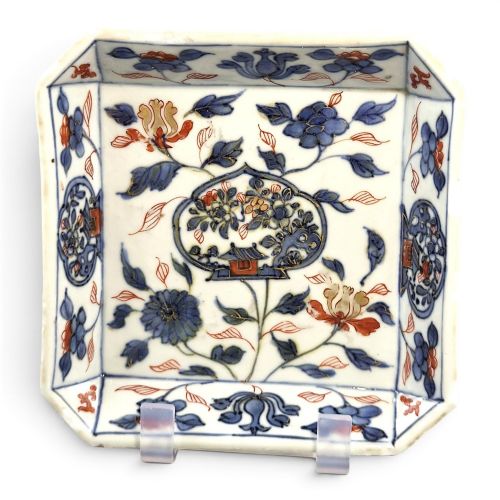
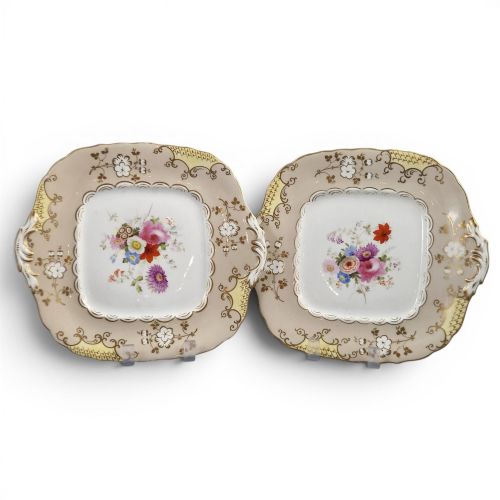
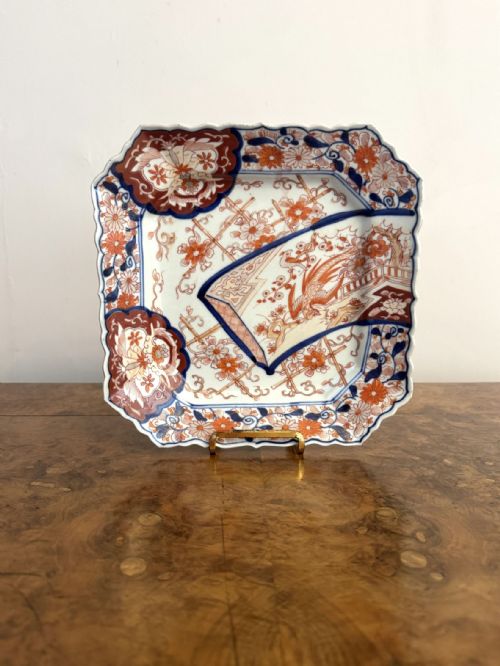
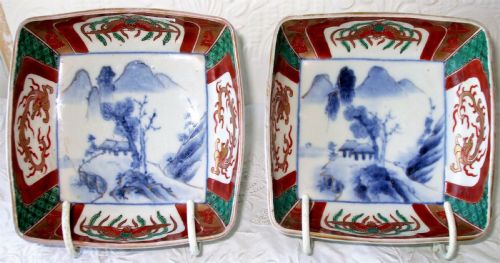
The English examples include dessert dishes by factories such as Worcester, Coalport, and Wedgwood, often painted with floral motifs or figural scenes. Asian imports bring Japanese Imari patterns and Chinese export traditions to the table, using distinct palettes of cobalt and enamel.
Buyers encounter everything from single lobed dessert plates to extensive dinner services and large decorative chargers. The geometric form provides a disciplined canvas for hand-painted ornamentation, whether through intricate Rococo Revival styling or traditional Japanese bird and floral designs.
Materials and production methods
The manufacture of these pieces relies on hard-paste and soft-paste porcelain bodies, shaped into rigid square forms that require precise kiln firing. Glazes seal the ceramic body, providing a smooth, vitreous surface that accepts subsequent enamel and cobalt painting.
Decoration involves hand-painting, frequently enhanced with gold leaf and gilt accents applied over or under the glaze. Factories like Meissen and Worcester employed skilled artists to execute detailed botanical studies, mythological scenes, and intricate border patterns.
Square Porcelain Dishes Retail Price Guide 2026
Typical asking prices for square porcelain dishes among the pieces listed under this phrase on Sellingantiques today, from the lower quarter to the upper quarter. They describe what is for sale here now, not the wider market.
Richard Sebright signed his porcelain fruit trays with such botanical precision that the painted peaches practically roll off the plate.
Evaluating the standard of execution
Quality rests upon the precision of the hand-painted brushwork and the clarity of the porcelain body. Superior pieces display crisp definition in moulded lobes and chamfered corners, alongside controlled application of enamel and gold leaf.
Provenance and attribution elevate certain works, particularly when associated with recognised porcelain painters or named factory periods. The preservation of the painted surface and the absence of firing distortions distinguish finer examples from standard production items.
Meissen Porcelain·Dr Wall Worcester·Coalport·Royal Worcester·Wedgewood
The Square Porcelain Dishes Glossary
- Soft-paste porcelain
- A ceramic composition fired at lower temperatures than hard-paste, common in eighteenth-century English factories. It produces a warm, slightly translucent body.
- Imari
- A style of Japanese export porcelain characterised by underglaze blue and overglaze iron red and gold. The palette remains vibrant across centuries of production.
- Chamfered
- Having a symmetrical sloping edge cut at an angle to the main surface. This shape softens the stark corners of a square dish.
- Lobed
- Divided into rounded segments or projections. The technique creates undulating rims on dessert plates and bowls.
- Enamel
- Opaque glass fused to the porcelain surface through firing to add colour and detail. It allows for rich pictorial scenes and floral borders.
Square Porcelain Dishes: Frequently Asked Questions
How were square porcelain dishes used originally?
These pieces functioned primarily as dessert dishes, serving sweetmeats, fruit, and confectionery at formal dining tables. Deeper bowls and large plates held centrepiece displays or formed parts of larger service sets.
Over time, many served decorative purposes in domestic interiors, displayed on sideboards or mounted on walls to showcase their painted designs.
How do I care for antique porcelain?
Wash pieces by hand using warm water and mild soap, avoiding abrasive sponges that might damage the enamel or gilt decoration. Soft cloths prevent scratching the historic glaze.
Store them securely on stable surfaces away from high-traffic areas, using padded dividers between stacked plates to protect the rims.
How can I distinguish eighteenth-century pieces?
Examine the paste and glaze closely under good light to identify the characteristic warmth of soft-paste bodies or early hard-paste formulations. Hand-painted details often show subtle variations unique to period artisans.
Factory marks, where present, help anchor the piece to specific decades like the Dr Wall period at Worcester.
What defines Japanese Imari square plates?
Japanese Imari pieces utilise a distinct palette combining cobalt blue underglaze with iron red, green, and gold enamel overglaze. The motifs frequently feature floral and bird arrangements within structured geometric borders.
Meiji period examples demonstrate exceptional mastery of hand-painted detail on heavy, durable porcelain bodies.