





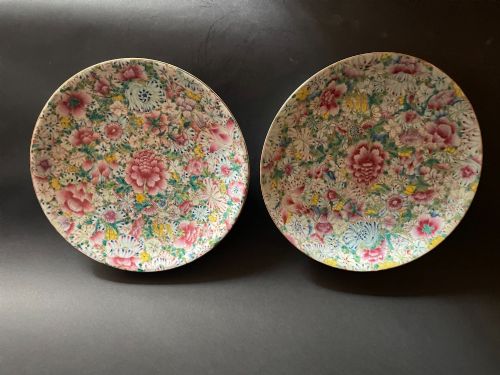
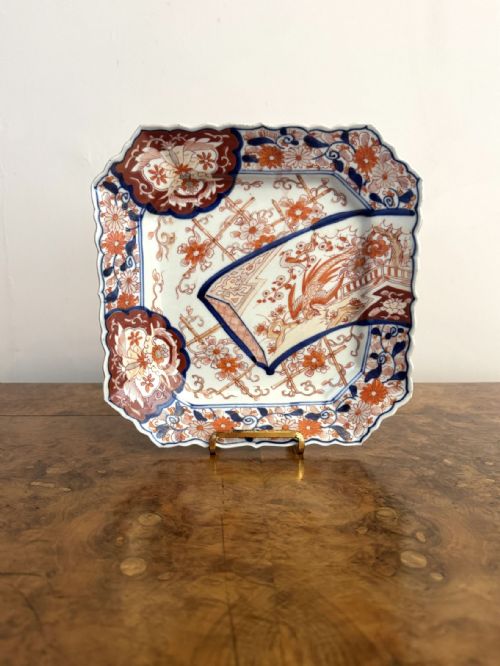
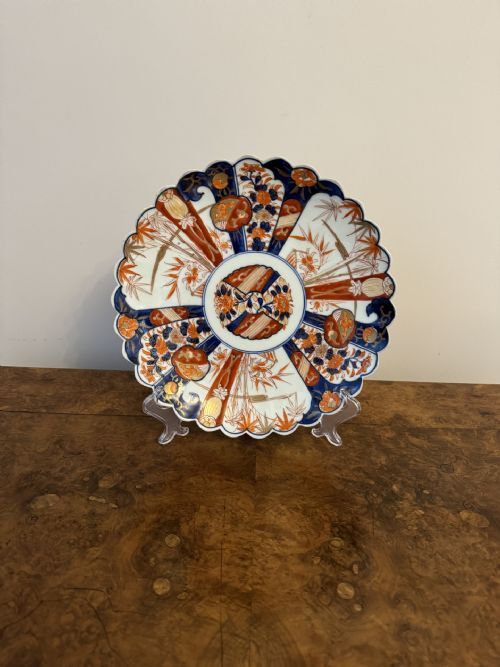

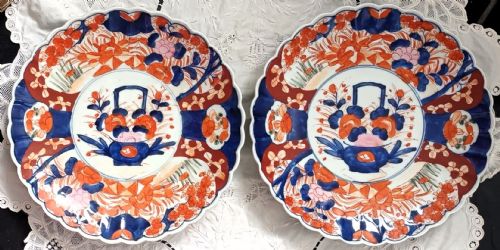
Oriental Porcelain Decorative Dish
An oriental porcelain decorative dish brings centuries of skilled ceramic craft and rich colour into a room.
Oriental Porcelain Decorative Dish
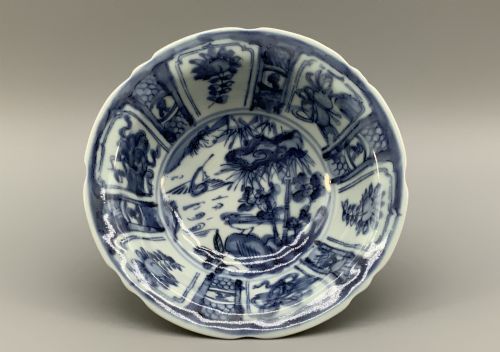
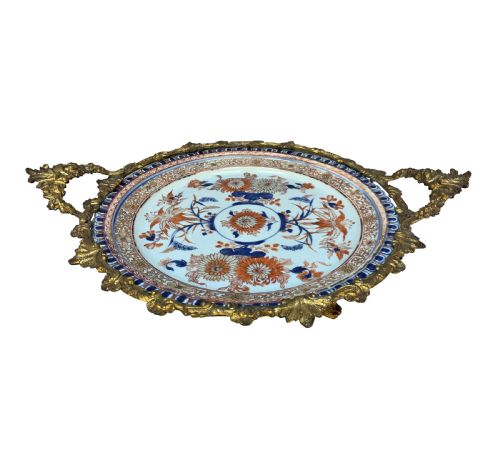
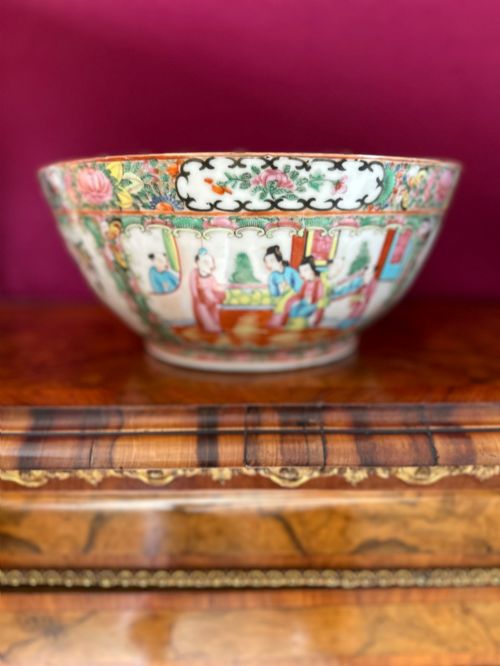
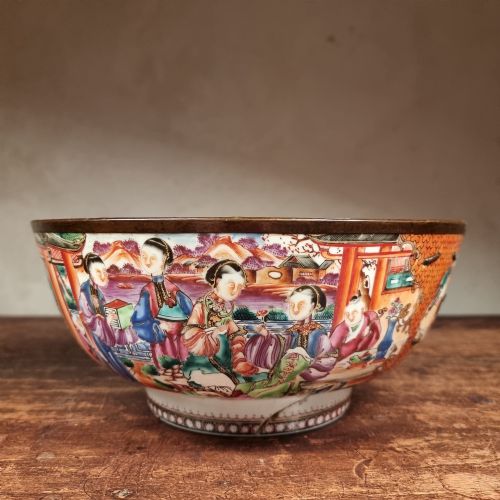
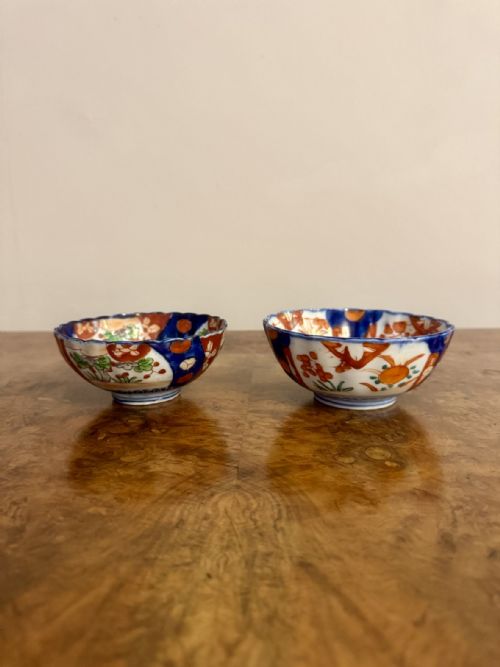
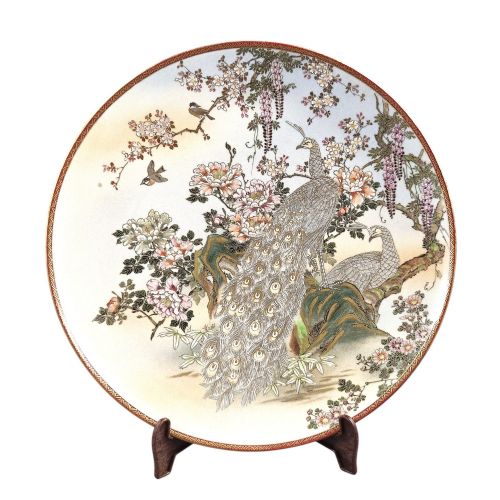
An oriental porcelain decorative dish encompasses a wide variety of plates, chargers, bowls, and platters originating from East Asian traditions. These items range from large display chargers to smaller scalloped bowls intended for visual appreciation rather than daily dining.
The pieces most frequently met on this page date from the late nineteenth and early twentieth centuries, spanning the Victorian era, the Meiji period, and the Taisho years. Alongside these later works, occasional earlier examples stretch back through the Qing Dynasty and the Kangxi period.
How they were made
Potters shaped fine ceramic and porcelain clays into dishes, chargers, and bowls, often employing hand-painted techniques using rich cobalt blue, enamel colours, and gold leaf highlights. Many vessels received protective glazes before secondary firing to lock in the intricate pigments.
Specialised decorative methods such as moriage applied raised enamel dots and relief details to Satsuma earthenware and porcelain bodies. Certain items incorporated metal additions, including ormolu mounts fitted around European or Asian porcelain plates.
Japanese workshops utilised distinct regional styles like Kutani and Arita, applying detailed floral, bird, and figural motifs by hand. Chinese kilns produced Kangxi blue and white designs alongside later Canton export wares utilising traditional hand-brushing methods.
Listings feature items from the Meiji period, Victorian era, Qing Dynasty, and 1750, utilising porcelain, earthenware, enamel, and gold leaf.
What varies in quality
The refinement of the hand-painted brushwork dictates much of the visual success of an oriental porcelain decorative dish. Finer pieces display crisp outlines, precise control over enamel application, and carefully balanced compositions of floral or figural motifs.
The depth and application of gilding and gold leaf distinguish superior items from standard productions. Rich, intact gold details that retain their brilliance and register harmoniously with the underlying glaze indicate careful original craftsmanship.
The complexity of the ceramic form itself influences quality, with lobed, scalloped, hexagonal, and square shapes requiring greater technical skill during throwing and firing. Additionally, specific artist signatures or workshop attributions elevate the standing of Meiji period Satsuma and Kutani wares.
Koshida·Gyokkō·Kozan·Shoza
The Oriental Porcelain Decorative Dish Glossary
- Imari
- A style of Japanese porcelain featuring a distinct palette of underglaze blue, iron red, and added gold. It originated in Arita and was widely exported to Europe.
- Satsuma
- A type of Japanese earthenware characterised by a fine, ivory-coloured crackle glaze, typically decorated with elaborate polychrome enamels and gilding.
- Charger
- A large decorative plate or platter intended for display on a wall or sideboard rather than for serving food at the table.
- Kutani
- Japanese porcelain and ceramic ware known for bold pictorial designs, often incorporating dense red, gold, and green enamel pigments.
- Moriage
- A decorative ceramic technique using piped clay trails to create raised, textured patterns beneath or over the glaze.
- Kangxi
- A period of the Qing Dynasty associated with high-quality porcelain production, particularly refined blue and white wares.
Oriental Porcelain Decorative Dish: Frequently Asked Questions
How were decorative chargers displayed?
Large chargers and plates were traditionally shown on sideboards, tables, or mounted on walls to showcase their intricate hand-painted designs and rich gold leaf.
Display stands made of wood or metal allowed heavier platters to stand upright safely without risk of tipping over.
What is the difference between Imari and Satsuma?
Imari pieces are made of hard porcelain decorated typically in underglaze blue, red, and gold, producing a crisp and vibrant surface.
Satsuma items are generally earthenware with a creamy, crackled glaze that provides a soft background for detailed polychrome painting.
How do I care for antique porcelain?
Keep decorative dishes away from direct sunlight and areas prone to sudden temperature changes to protect delicate enamels and gold leaf.
Dust the surface gently with a soft, dry brush and avoid washing pieces with water, particularly earthenware with exposed or crackled glazes.
How can I tell Meiji period pieces apart?
Meiji period ceramics often feature signature marks from specific artists or workshops on the underside, alongside characteristic dense floral or figural motifs.
Comparing the weight, glaze texture, and hand-painting style helps distinguish these late nineteenth-century works from earlier Qing or Kangxi examples.