


Underglaze Blue Iron Red Dish
An underglaze blue iron red dish brings together cobalt painting and vibrant enamel pigments in pieces originating from Chinese export kilns and Japanese workshops.
Underglaze Blue Iron Red Dish
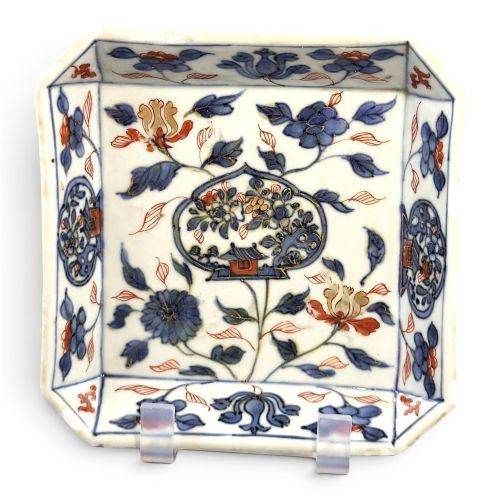
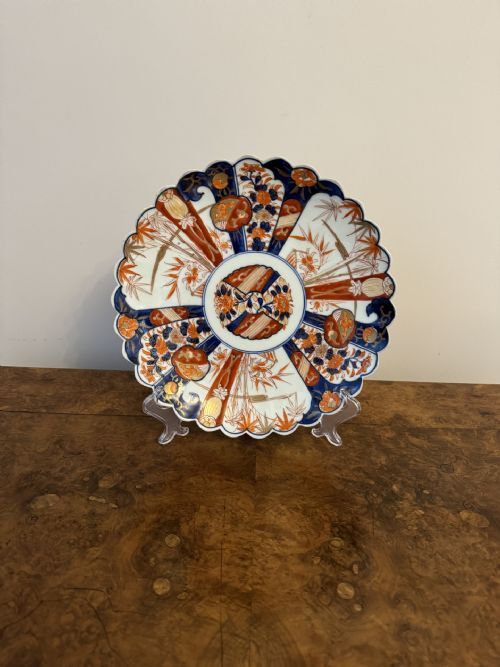
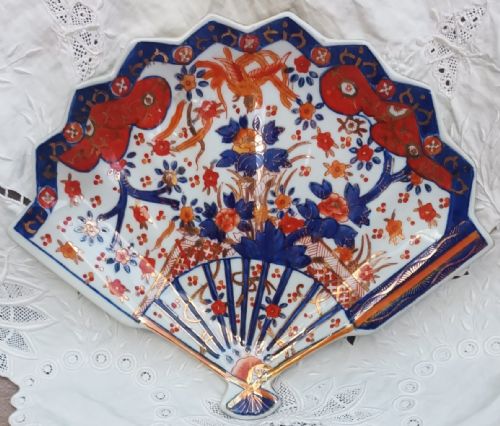
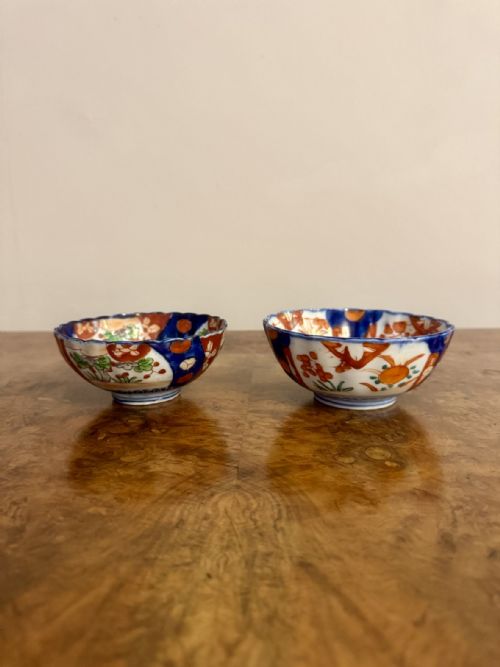
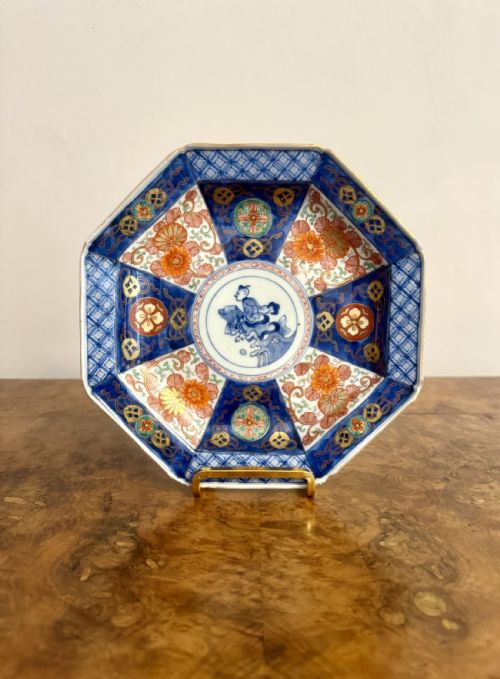
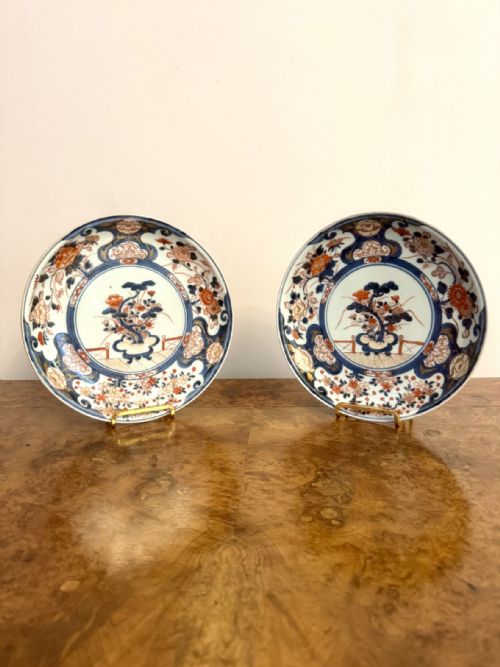
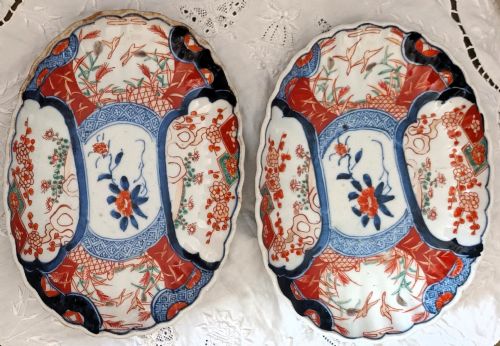
An underglaze blue iron red dish is typically encountered in forms such as plates, bowls, and chargers produced across the eighteenth century, the Meiji period, and around nineteen hundred. These pieces span Japanese Imari, Chinese Export, and Edo or Meiji Japanese styles, reflecting centuries of ceramic exchange between East Asia and Europe.
The objects on this page range from chamfered square bowls dating to the Kangxi period and mid-eighteenth-century Qing dynasty pieces to nineteenth-century Japanese plates. Buyers will find both single decorative dishes and matched sets originating from Georgian through to Victorian eras.
Each form serves primarily as a decorative vessel, combining functional shapes like scalloped edges and hexagonal profiles with rich polychrome palettes. The visual weight relies on the contrast between deep cobalt pigments fired beneath the glaze and fiery iron red enamels applied over it.
How they were made
Potters painted cobalt blue directly onto the raw porcelain body before applying a transparent glaze and firing the piece at high temperatures. This underglaze technique secured the blue pigment permanently beneath the glossy surface.
After the initial glaze firing, artisans added iron red enamel and occasionally gold leaf or gilding to the surface before a secondary, lower-temperature firing fixed the overglaze colours. This dual-firing method created the distinctive layered texture characteristic of Imari and export porcelains.
Several plates feature intricate floral borders so dense that finding the edge feels like a polite botanical maze.
What varies in quality
The crispness of the cobalt brushwork and the precision of the iron red enamel application distinguish finer examples from standard production wares. Superior pieces display deliberate, fluent painting that aligns neatly with the moulded or thrown contours of the porcelain body.
The complexity of the form also dictates the tier of the piece, with unusual shapes like hexagonal plates and chamfered square bowls requiring greater skill from the potter than standard circular vessels. Additionally, the preservation of supplementary gilding and enamel vibrancy over centuries influences the overall standing of an item.
The Underglaze Blue Iron Red Dish Glossary
- Underglaze blue
- Cobalt oxide pigment applied to unglazed ceramic body before glazing and firing. This produces a permanent blue design sealed beneath the glass-like coating.
- Iron red
- An overglaze enamel pigment derived from iron oxide, fired at a lower temperature. It yields a distinctive rust-red hue used alongside cobalt blue and gold.
- Japanese Imari
- Porcelain manufactured in the town of Arita and exported from the port of Imari. These wares typically feature a palette of underglaze blue, iron red, and gilt.
- Kangxi period
- The era of the Qing dynasty spanning sixteen sixty-two to seventeen twenty-two. It is renowned for high-grade Chinese export porcelain and vibrant cobalt painting.
- Chamfered
- Having symmetrical sloping edges or corners cut at a forty-five-degree angle. This geometric shaping appears on select export bowls and plates.
Underglaze Blue Iron Red Dish: Frequently Asked Questions
How do I care for these dishes?
Wash porcelain pieces gently by hand using warm water and mild soap. Avoid abrasive sponges or harsh chemicals that can damage overglaze iron red enamel and gold leaf.
Display the dishes securely on stable plate stands or store them with protective felt dividers between stacked items. Keep them away from direct sunlight to preserve the richness of the pigments.
Were these dishes meant for dining?
Many export and Imari pieces served as ceremonial tableware or decorative display items for European and domestic markets. Their elaborate painted surfaces were often designed to impress guests during feasts.
Over time, collectors prized them primarily as decorative plates and chargers rather than everyday utility items. Their survival in matched sets points to careful preservation in cabinets and display rooms.
How do I distinguish Chinese export from Japanese Imari?
Chinese export pieces, such as those from the Kangxi period, often feature finer porcelain bodies and precise, fluid cobalt painting. The glaze texture and specific shade of underglaze blue offer clues to the kiln of origin.
Japanese Imari wares typically combine a denser body with a heavier reliance on the contrasting triad of cobalt blue, iron red, and gilt. Stylistic motifs on Imari pieces frequently reflect Edo and Meiji aesthetic traditions.
What does iron red look like?
Iron red is an opaque overglaze enamel that presents as a rusty, brick-like or brownish-orange red. Unlike underglaze cobalt, it sits visibly on top of the glossy glaze.
Under magnification, the enamel reveals a matte or slightly granular texture compared to the smooth glassiness of the surrounding glaze. It is frequently paired with gold leaf to create high-contrast decorative patterns.