








Oriental Display Wall Dish
When you choose an oriental display wall dish, you invite centuries of ceramic artistry and metallic craftsmanship straight into your home.

Oriental Display Wall Dish
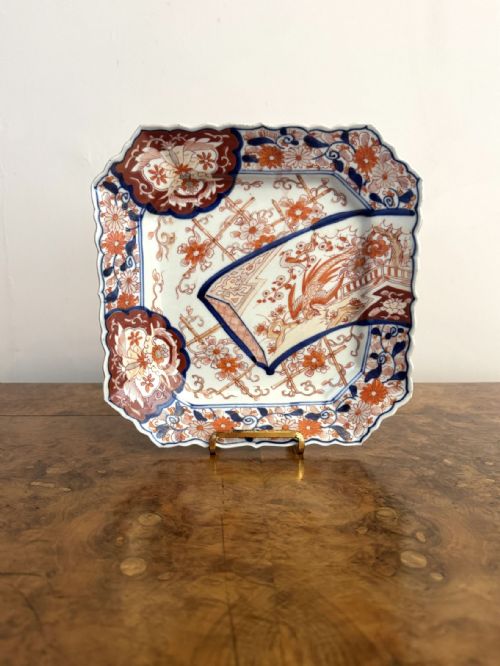
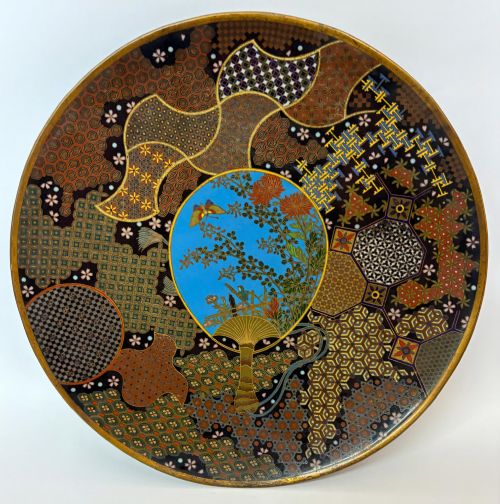
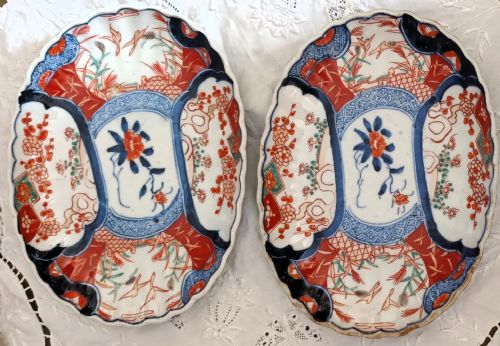
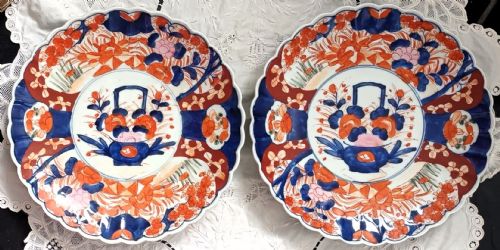
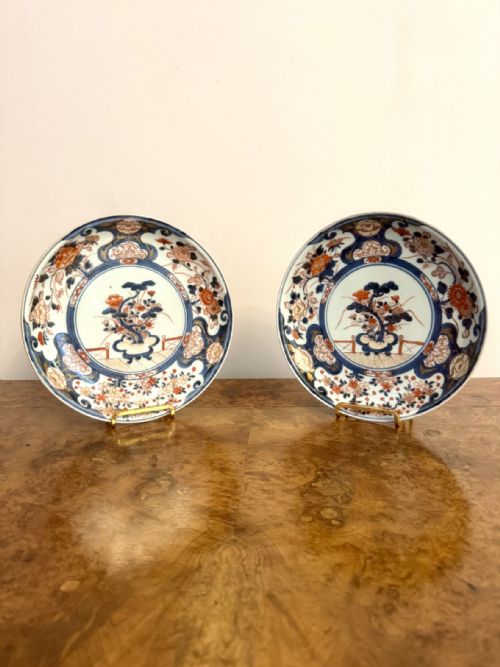
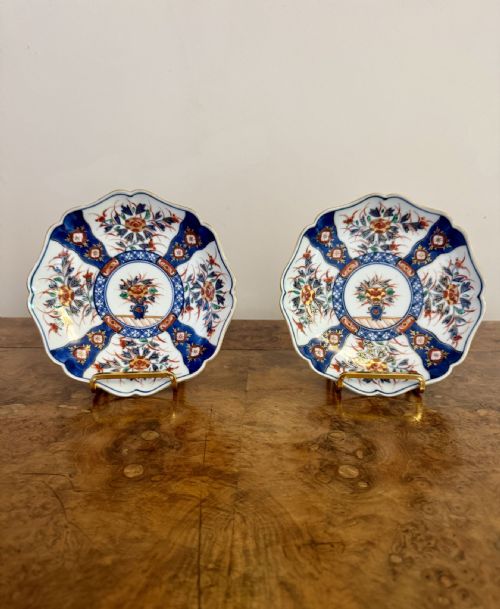
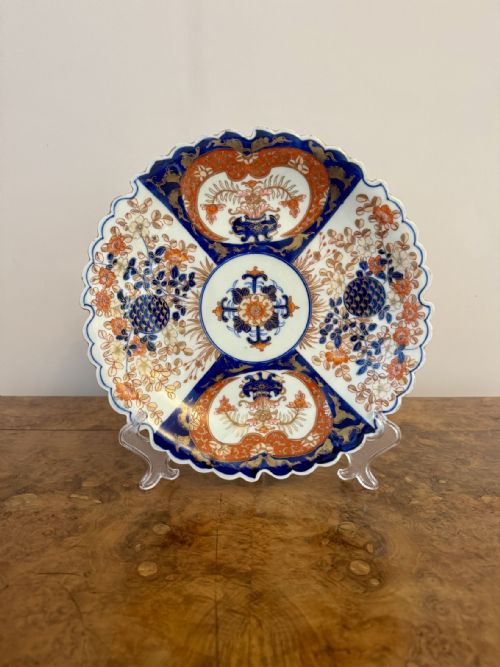
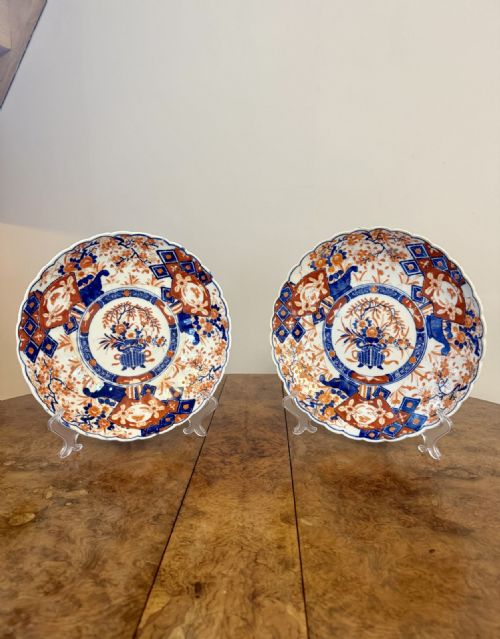
An oriental display wall dish covers an array of decorative plates, chargers and wall plates originating from Asian kilns and workshops. You will frequently encounter Japanese Imari chargers and Meiji period cloisonne enamel plates on this page.
The selection ranges from large porcelain chargers depicting the Seven Lucky Gods to smaller plates featuring exotic birds and floral motifs. Most pieces date from the nineteenth and early twentieth centuries, spanning the Meiji period and late Qing dynasty.
These items were created primarily for interior display rather than daily dining use. Their robust forms and drilled footrings or custom brackets allowed them to be mounted directly onto walls.
How they were made
Potters shaped fine porcelain and copper bodies by hand before applying intricate designs in cobalt blue, underglaze pigments and bright enamel colours. Artisans then fired the pieces at high temperatures to fuse the vitreous glazes to the clay or metal substrate.
Cloisonne pieces required delicate metal wires soldered onto copper or brass bases to form individual cells, which were subsequently filled with coloured enamel paste and polished smooth. Craftsmen often added gilt highlights and gold leaf to accentuate the fine details of the finished surface.
Keep an eye out for unexpected wildlife cameos, as master artisans frequently hid frogs, shrimps and owls amidst traditional floral arrangements.
What varies in quality
The distinction between standard examples and superior work rests on the precision of the hand painting and the complexity of the motifs. Masterpiece chargers display meticulous brushwork and balanced compositions depicting flora, fauna and mythical creatures without crowding the available space.
Metalwork quality in cloisonne depends on the thinness of the wire walls and the complete absence of pitting or bubbling in the fired enamel. Porcelain pieces show their calibre through the purity of the white body and the crispness of the cobalt blue underglaze transfer or hand-painted lines.
Koshida
The Oriental Display Wall Dish Glossary
- Charger
- A large decorative plate or dish traditionally used for presentation rather than serving food. These substantial vessels measure significantly larger than standard dinner plates.
- Imari
- A traditional style of Japanese porcelain featuring a distinctive palette of cobalt blue, iron red and gold on a white background. The style originated in the town of Arita and gained immense popularity in the West.
- Cloisonne
- A decorative metalwork technique where flat wires form raised barriers on a vessel body to contain coloured glass pastes. The piece undergoes multiple firings and polishings to achieve a smooth, lustrous surface.
- Meiji Period
- The era of Japanese history lasting from 1868 to 1912, marked by a rapid opening to international trade. Works from this period exhibit exceptional technical proficiency and diverse artistic influences.
- Underglaze
- A decoration applied to ceramic ware before the final glaze and firing process. This technique protects the painted pigments beneath a glassy protective layer for lasting durability.
Oriental Display Wall Dish: Frequently Asked Questions
How do I hang an oriental display wall dish?
Most antique chargers and decorative plates require a specialised spring-loaded wire hanger that grips the rim securely without causing damage. Ensure the wall fixing is anchored firmly into a stud or uses a suitable plaster plug to support the weight of heavy porcelain or metal pieces.
Avoid hanging plates in areas subject to strong vibrations or direct, harsh sunlight. Regularly check the tension of the wire grip to ensure the dish remains firmly supported against the wall surface.
Were these dishes made for export?
A significant portion of these decorative plates and chargers was produced specifically for the Western export market during the late nineteenth and early twentieth centuries. European and American collectors developed a strong appetite for Asian aesthetics during the Meiji period and late Qing dynasty.
Maker workshops tailored their output to suit Western interior display preferences, frequently incorporating bold motifs and vibrant colour palettes. This cross-cultural exchange resulted in pieces that combined traditional Eastern techniques with formats suitable for European drawing rooms.
How can I tell Imari from other styles?
Imari porcelain is instantly recognisable by its strict adherence to a tripartite colour scheme of cobalt blue, iron red and supplementary gold leaf. The designs typically feature dense floral arrangements, brocade patterns and natural elements like birds and landscapes.
Unlike monochrome ceramics or simpler blue and white export wares, Imari pieces pack multiple contrasting textures and metallic sheens onto a single surface. Examining the underside often reveals characteristic spur marks from the kiln firing process alongside historical hand-painted workshop signatures.