




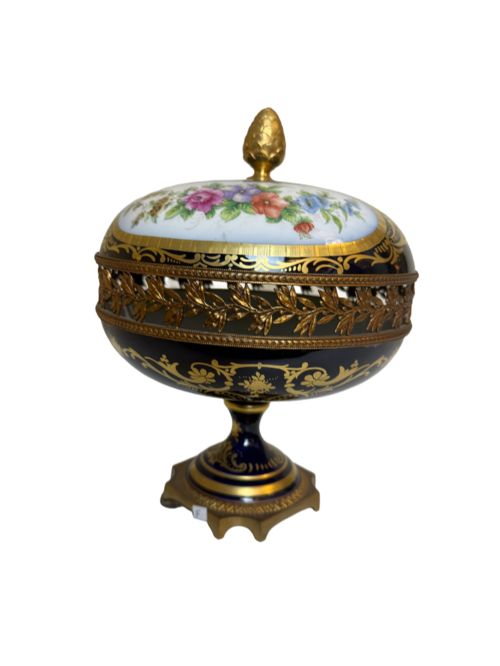

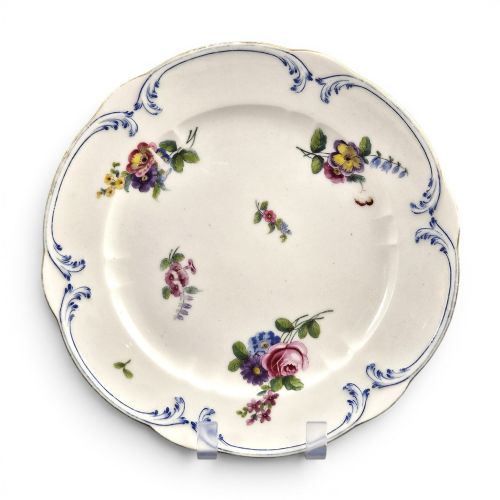
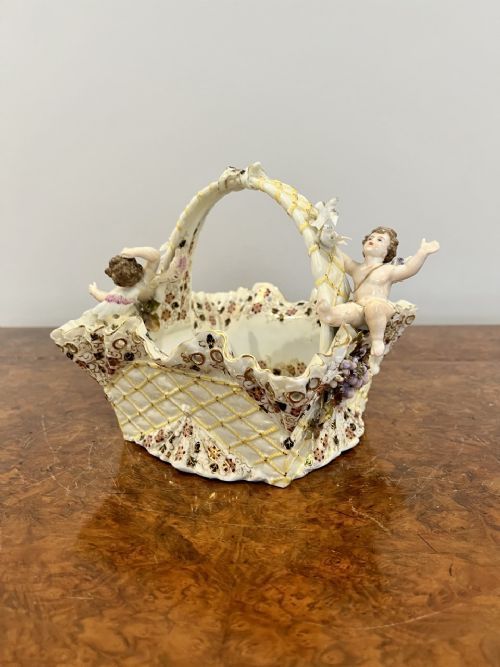
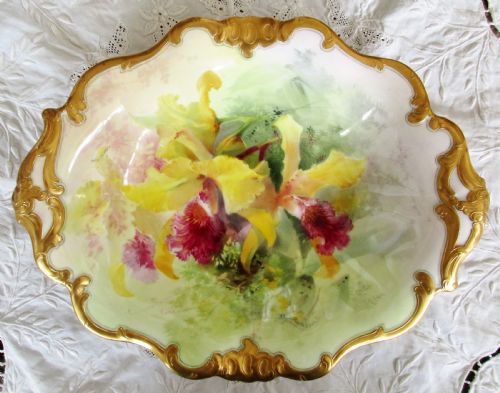
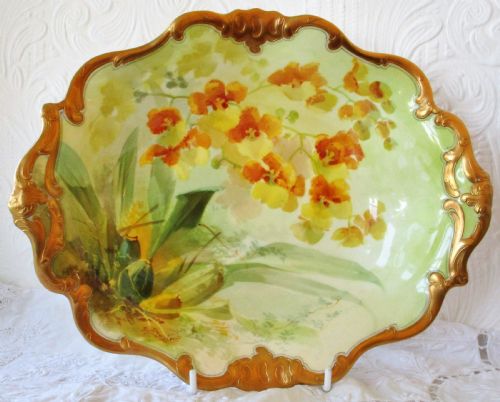
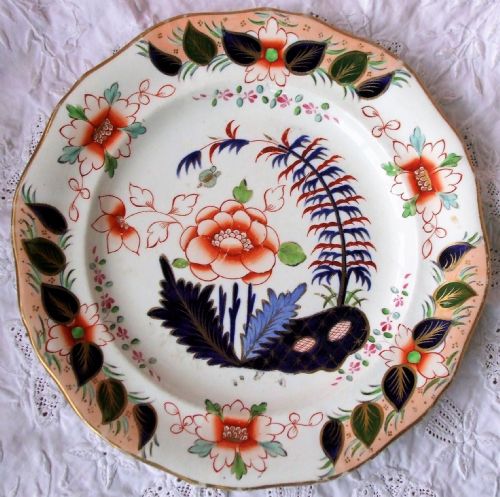
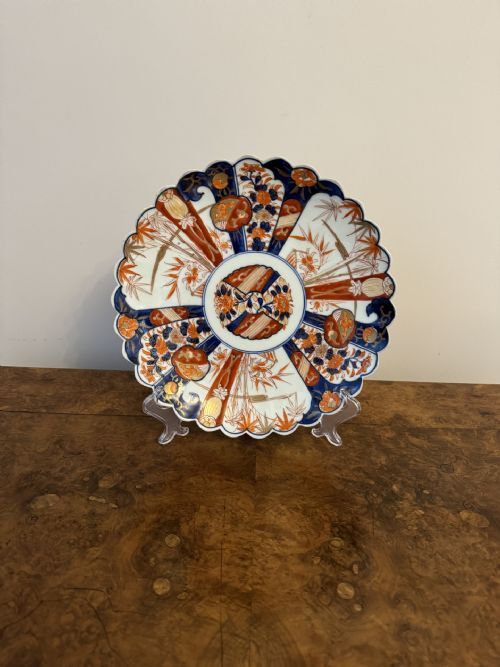
Floral Porcelain Decorative Dish
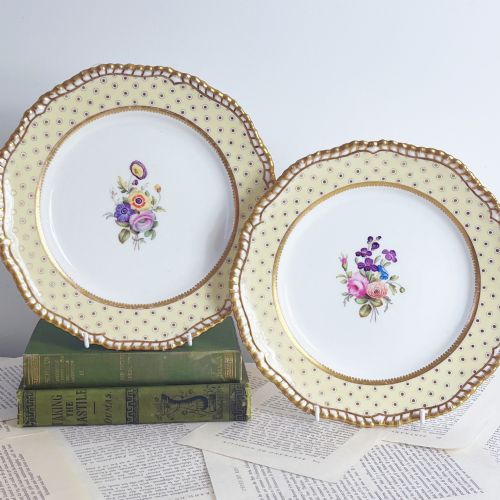
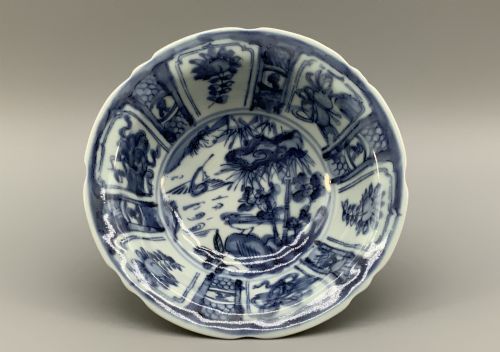
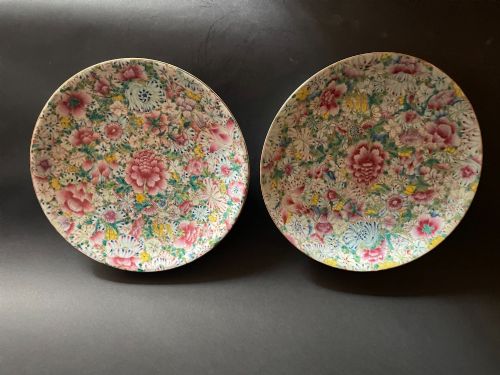
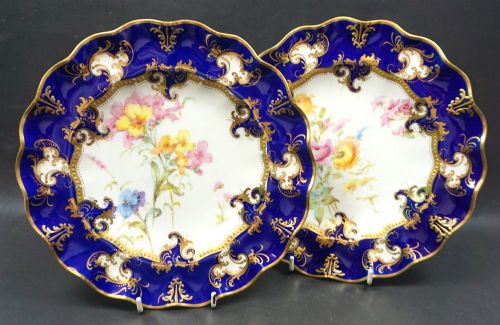
These floral porcelain decorative dish pieces bring hand-painted blooms and rich historical styles straight to a table or cabinet.

Floral Porcelain Decorative Dish
When searching for a floral porcelain decorative dish, collectors encounter a diverse array of plates, bowls, chargers, and baskets from various international traditions. The inventory spans centuries of ceramic artistry, reaching from the Kangxi period and Georgian eras through Victorian and Edwardian milestones into the early twentieth century.
Most examples combine floral motifs with birds, traditional landscapes, or intricate geometric borders. Buyers will find both domestic English earthenware and fine soft-paste porcelain designed for display or formal dining.
How they were made
Potters shaped ceramic and porcelain bodies by hand or in moulds before applying underglaze blue, enamel colours, and detailed hand-painted floral designs. Artisans frequently integrated gold leaf, heavy gilding, and raised moriage enamel to highlight botanical details.
Firing took place in traditional kilns where glaze vitrified over the ceramic body, sealing pigments beneath a glossy surface or allowing enamel details to sit crisp above the glaze. Ironstone and earthenware provided heavier, durable alternatives to delicate soft-paste porcelain.
Peacocks strut through raised wisteria gardens on Satsuma chargers, bringing nineteenth-century avian attitude directly to the sideboard.
What varies in quality
The distinction between standard domestic wares and top-tier cabinet pieces lies in the precision of the hand-painting and the complexity of the palette. Pieces created by named artists or major factories display superior brushwork, particularly in intricate floral and bird compositions.
Execution of applied gilding and the crispness of moulded edges, such as scalloped rims and footed bases, separate ordinary production from exceptional historical examples. Preservation of the enamel colours and minimal wear to the gilt highlights also govern the standing of each piece.
Spode·Royal Crown Derby·Royal Doulton·John Davenport·New Hall·Minton·Samson
The Floral Porcelain Decorative Dish Glossary
- Imari
- A style of Japanese porcelain featuring underglaze blue and iron red, often augmented with gilt and additional enamel colours.
- Moriage
- A decorative Japanese ceramic technique where slip or enamel is piped onto the surface in raised dots or lines to form textured designs.
- Soft-paste
- A type of porcelain made from a mixture of clay and glass frit, fired at lower temperatures than hard-paste porcelain.
- Ironstone
- A heavy, durable type of earthenware patented in the nineteenth century as a robust alternative to porcelain.
- Charger
- A large decorative plate or dish historically used for ceremonial presentation or as a base for smaller courses.
Floral Porcelain Decorative Dish: Frequently Asked Questions
How do I date an Imari dish?
Dating relies on body weight, blue pigment depth, and kiln marks where present. Nineteenth-century examples often display vibrant enamels and heavier potting.
Later pieces tend toward brighter synthetic hues and crisper, mass-produced symmetry.
Were these dishes meant for food?
Many examples served as dessert plates or serving vessels for elite dining tables. Others functioned purely as cabinet pieces for visual display.
Over time, wear patterns often indicate whether a piece saw active service or spent its life on a wall or dresser.
What is the difference between porcelain and ironstone?
True porcelain uses refined kaolin clay fired to a translucent, vitrified finish. Ironstone is an opaque earthenware fortified with slag and flint for extra strength.
Ironstone pieces feel heavier in the hand and resist chipping far better than soft-paste porcelain.
How should I display a cabinet plate?
Wall brackets or secure display stands provide safe support for heavy chargers and scalloped dishes. Protecting the piece from direct sunlight preserves the vibrancy of the enamels and gold leaf.
Ensure mounts distribute weight evenly across the rim and base.