





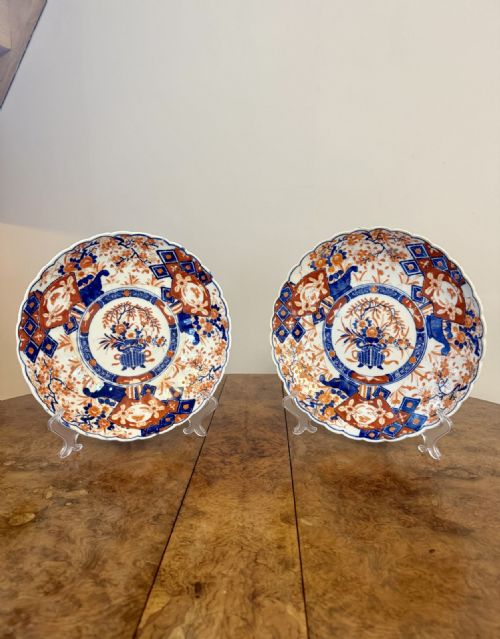
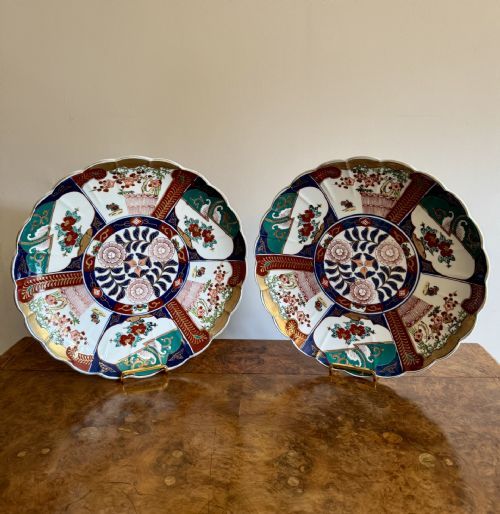
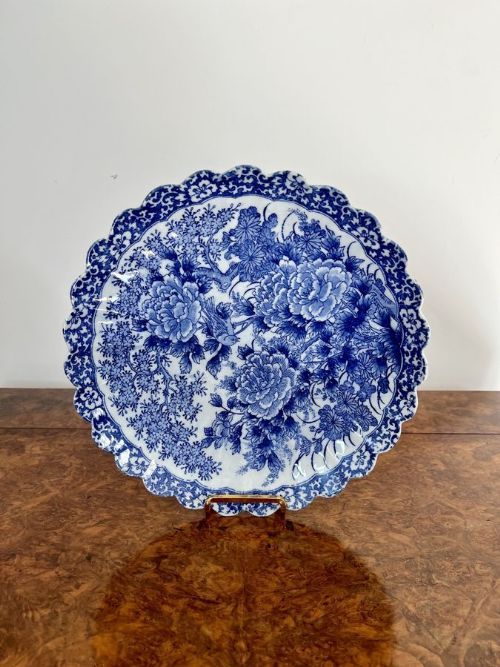
Oriental Decorative Wall Dish
Oriental decorative wall dish pieces offer intricate porcelain and enamel craftsmanship suited for prominent display in traditional interiors.
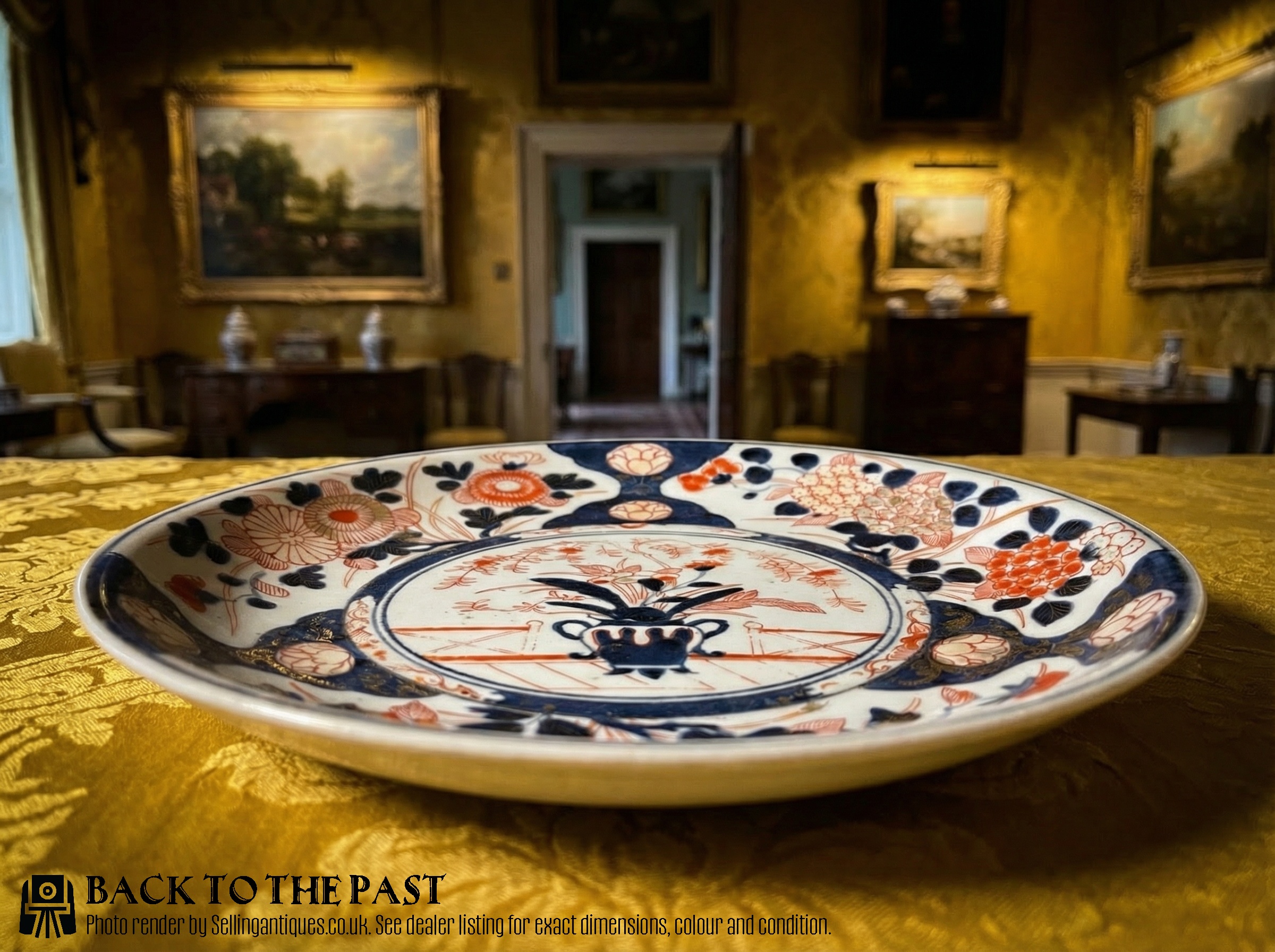
Oriental Decorative Wall Dish
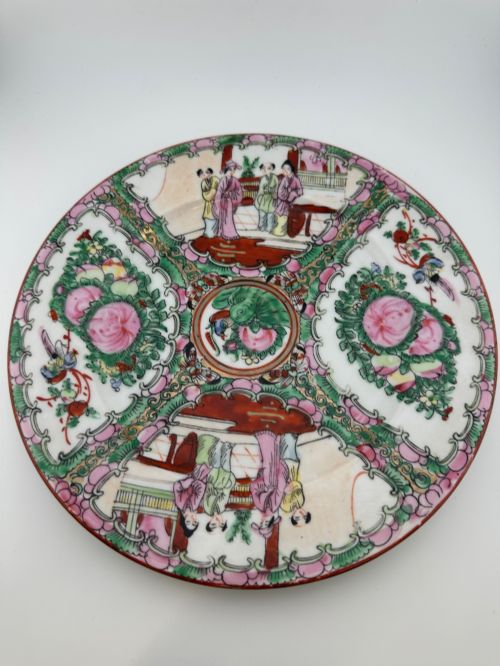
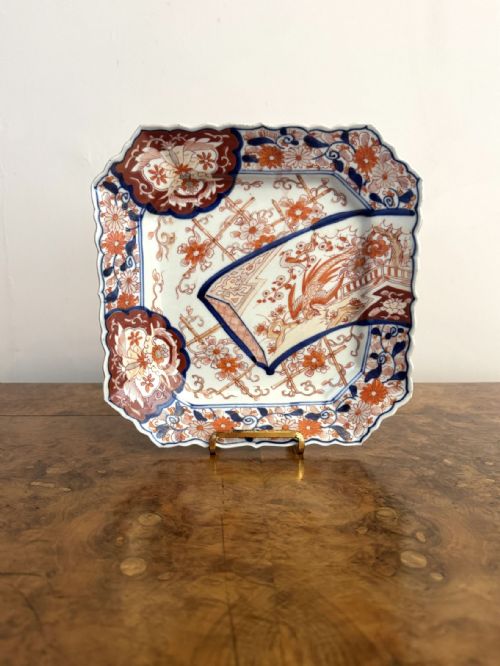
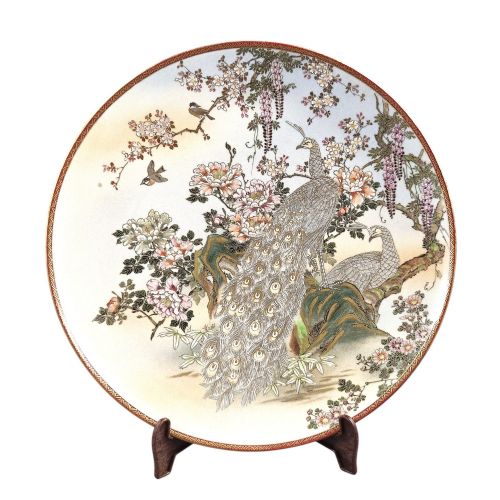
When you search for an oriental decorative wall dish, you encounter a selection of chargers, plates, and plaques originating primarily from Japanese and Chinese workshops. These items span periods from the mid-eighteenth century through the early twentieth century, encompassing the Edo and Meiji eras.
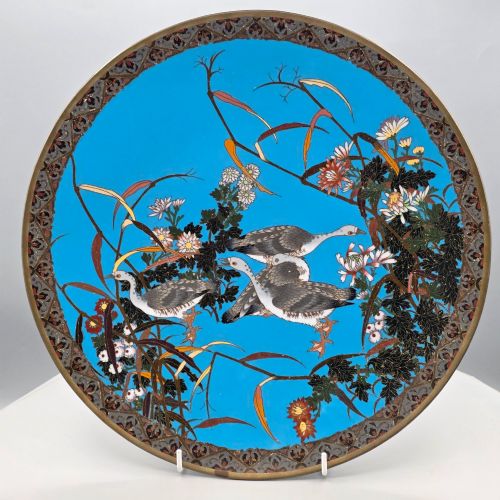
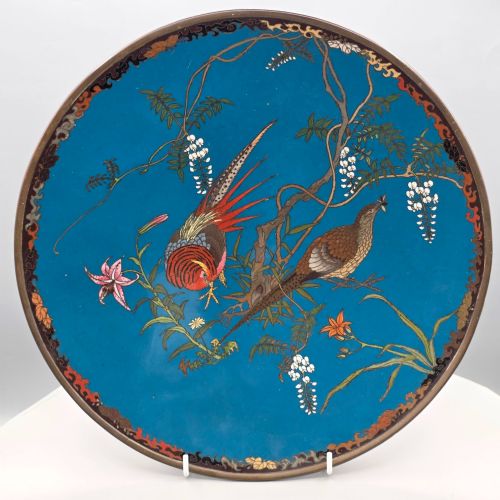
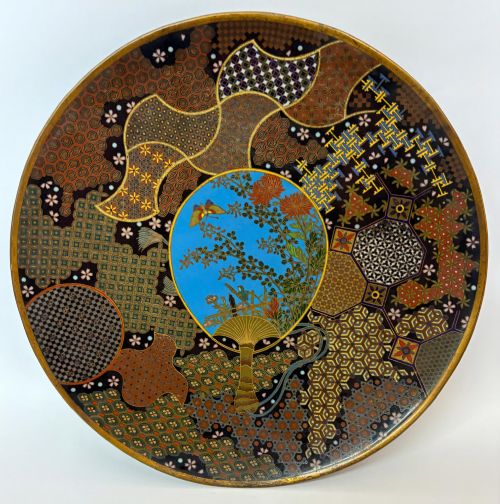
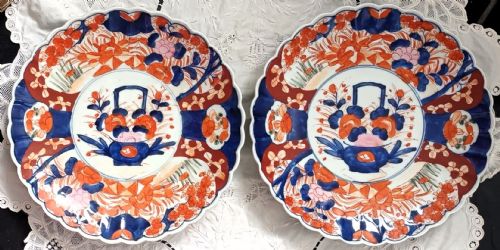
The version you are most likely to meet on this page is the Japanese Imari porcelain charger or plate, alongside Meiji period cloisonne enamel plaques and chargers. These pieces frequently feature detailed hand-painted scenes or inlaid metalwork designed specifically for suspension or display on walls.
How they were made
Potters and artisans utilised porcelain and earthenware as the primary foundation for painted wares, applying mineral glazes and underglaze blue pigments before high-temperature firing. Enamel decoration was often built up in raised moriage layers or vibrant colour palettes.
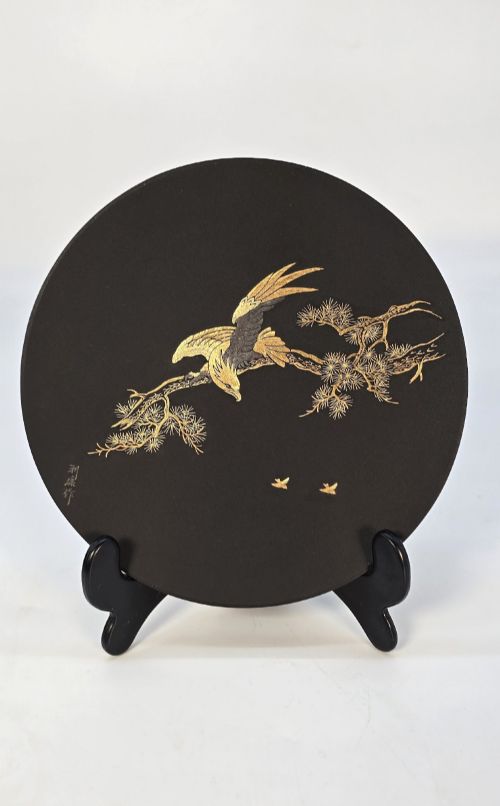
For metalwork pieces, craftsmen shaped copper or patinated iron bodies, applying thin wire cells for cloisonne enamel or hammering gold and silver leaf into intricate surface inlays.
Listings feature ceramics and metalwork spanning the eighteenth, nineteenth, and early twentieth centuries.
What varies in quality
The skill of the hand-painted brushwork or the precision of the metal wirework distinguishes finer examples from simpler production pieces. Compositional balance and the density of motifs such as birds, flowers, or figural deities dictate the visual impact of a charger.
Surface preservation also separates grades, with intact enamel cells, minimal glaze rubbing, and crisp patination commanding greater attention from collectors.
Koshida
The Oriental Decorative Wall Dish Glossary
- Charger
- A large decorative plate intended primarily for display on a wall or sideboard rather than for dining use. These substantial vessels provide a wide canvas for intricate artistic scenes.
- Cloisonne
- A decorative metalwork technique where thin wire partitions are soldered to a metal body to create cells, which are then filled with coloured enamel paste and fired. This method produces vivid pictorial surfaces.
- Imari
- A style of Japanese porcelain featuring a distinct palette of underglaze blue, iron red, and gold highlights. It originated in the town of Arita and became widely exported.
- Meiji
- A historical period in Japan spanning from 1868 to 1912, marked by significant artistic output and international trade in decorative arts. Pieces from this era often display exceptional technical refinement.
- Moriage
- A ceramic decoration method using slip to build up raised patterns before glazing and firing. This technique adds tactile depth to floral and avian motifs.
Oriental Decorative Wall Dish: Frequently Asked Questions
What are oriental decorative wall dishes?
These items are large ceramic plates, chargers, and metal plaques created in East Asia for ornamental display. They showcase traditional hand-painted or enamelled motifs.
Craftsmen produced them in various sizes, utilising porcelain, earthenware, copper, and iron to form detailed artistic statements.
How were these dishes used historically?
Historically, large chargers and plaques were mounted on walls or displayed on stands within reception rooms to demonstrate taste and status.
They served as focal points in interiors, highlighting the technical skill of regional potteries and metalworkers.
How do I live with antique chargers?
Living with these pieces involves mounting them securely using specialist wall hangers designed for heavy porcelain or metal objects. Keep them away from direct sunlight to preserve enamel colours.
Routine dusting with a soft, dry cloth maintains the surface without risking abrasion to delicate gilding or raised details.