



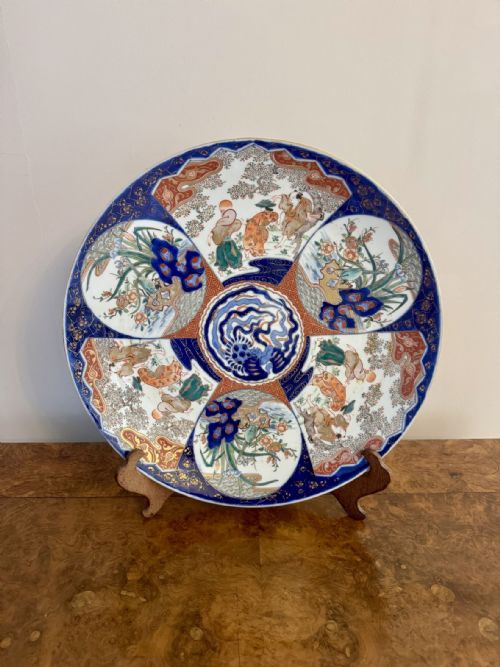


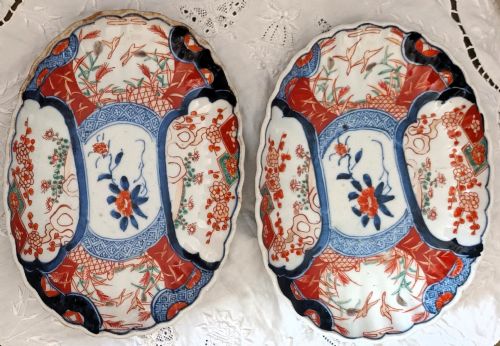


Iron Red Ceramic Platter
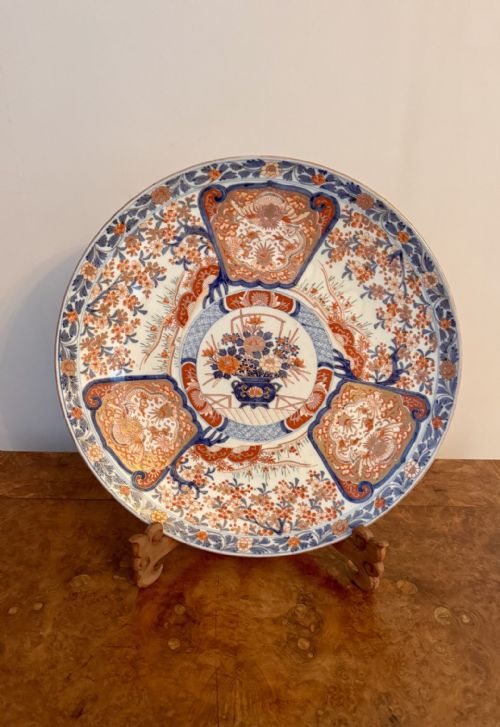
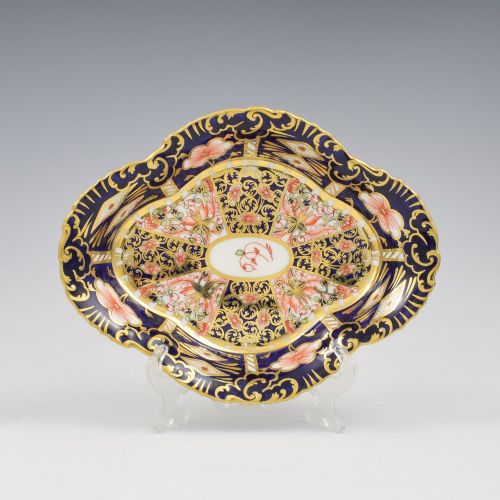
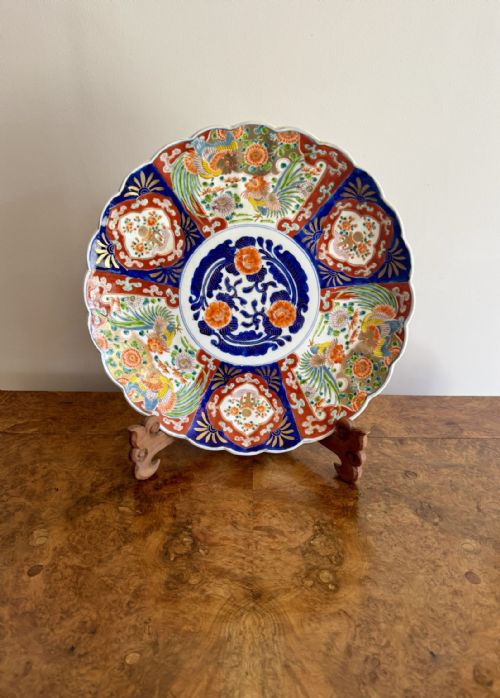
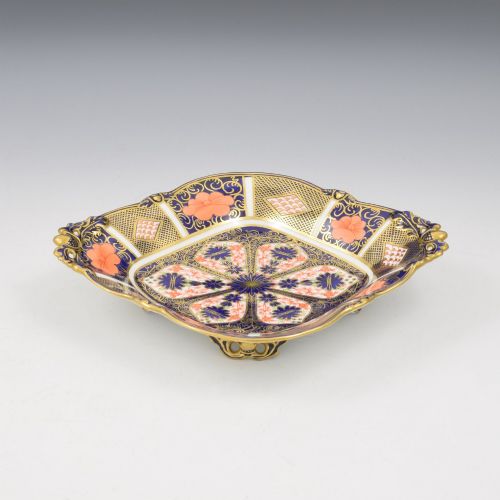
An iron red ceramic platter brings striking depth and traditional pigment to a table, offering rich oriental or English decoration.
Iron Red Ceramic Platter
These items range from eighteen-inch wall chargers depicting the Seven Lucky Gods to smaller serving trays with pierced borders. The typical form is a broad, shallow vessel designed primarily for display or formal presentation rather than daily dining.
How they were made
The makers formed these pieces from ceramic and porcelain bodies, applying cobalt underglaze details beneath the clear top glaze. Artisans then hand painted the prominent iron red pigment alongside additional colours.
Many examples incorporate gold leaf, gilt, or gilding highlights to accent the floral, bird, and figural compositions. Enamel was frequently added over the glaze to build up complex patterns.
Materials recorded across the inventory include porcelain, ceramic, enamel, gold leaf, gilt, gilding, and cobalt underglaze.
What varies in quality
Quality rests in the precision of the hand painting and the clarity of the iron red and cobalt underglaze pigments. Superior examples display crisp brushwork in complex floral and bird motifs rather than hurried application.
The weight and consistency of the porcelain body, along with the generous and intact application of gilding or gold leaf, separate standard production items from exceptional chargers.
Royal Crown Derby·Shozo
The Iron Red Ceramic Platter Glossary
- Imari
- A style of Japanese porcelain exported from the port of Arita, traditionally characterised by a palette of cobalt blue, iron red, and gilt.
- Charger
- A large decorative plate or shallow bowl used traditionally for ceremonial display rather than direct food service.
- Qing Dynasty
- The final imperial dynasty of China, spanning from the seventeenth to the early twentieth century, known for fine export porcelain.
- Meiji Period
- An era of Japanese history spanning from 1868 to 1912, noted for prolific ceramic production aimed at Western markets.
Iron Red Ceramic Platter: Frequently Asked Questions
How do I hang a heavy charger?
Heavy chargers require a specialised, coated wire wall hanger that grips the rim securely without scratching the porcelain body.
Ensure the wall fixing is anchored into solid masonry or a stud to support the considerable weight safely.
Can I use these platters for food?
Most antique decorative dishes and chargers feature delicate overglaze enamels and gilding that can wear away or contain trace elements from historic manufacturing.
It is best to treat them strictly as display items rather than servingware for daily meals.
How do I date a Japanese Imari piece?
Dating relies on assessing the weight of the porcelain, the brightness of the iron red pigment, and stylistic clues from the Meiji period or earlier.
Export pieces often lack exact date marks, requiring comparison of the hand painted motifs and foot rings with known eras.
What is Chinese Imari?
Chinese Imari refers to porcelain made in China during the eighteenth century specifically to imitate the popular Japanese export wares.
These pieces combine traditional Chinese porcelain bodies with the distinct red, blue, and gold palette characteristic of Imari decoration.